BMW B57D30C (400 HP) Quad-Turbo: Owner Experiences, Problems, Fuel Consumption and Used-Buying Tips
- An engineering masterpiece with 4 turbochargers and an unreal 760 Nm of torque.
- Driven by a timing chain that requires engine removal for replacement.
- Extremely sensitive to poor-quality fuel and exclusive city driving (EGR and DPF issues).
- Paired exclusively with the indestructible ZF 8-speed automatic transmission.
- Maintenance is very expensive (Depends on the market), and the engine demands uncompromising dedication.
- Explosive on throttle, a fantastic highway cruiser, but hard on the front suspension.
Contents
- Introduction: A beast with four lungs
- Technical specifications
- Reliability and maintenance: What to expect?
- Specific parts and potential costs
- Fuel consumption and performance
- Extras, remapping and modifications
- Transmission: Automatic only
- Buying used and final verdict
Introduction: A beast with four lungs
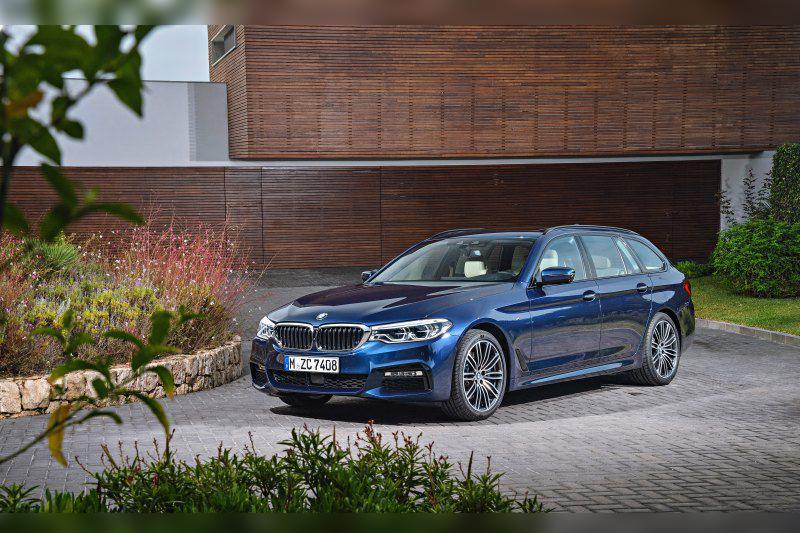
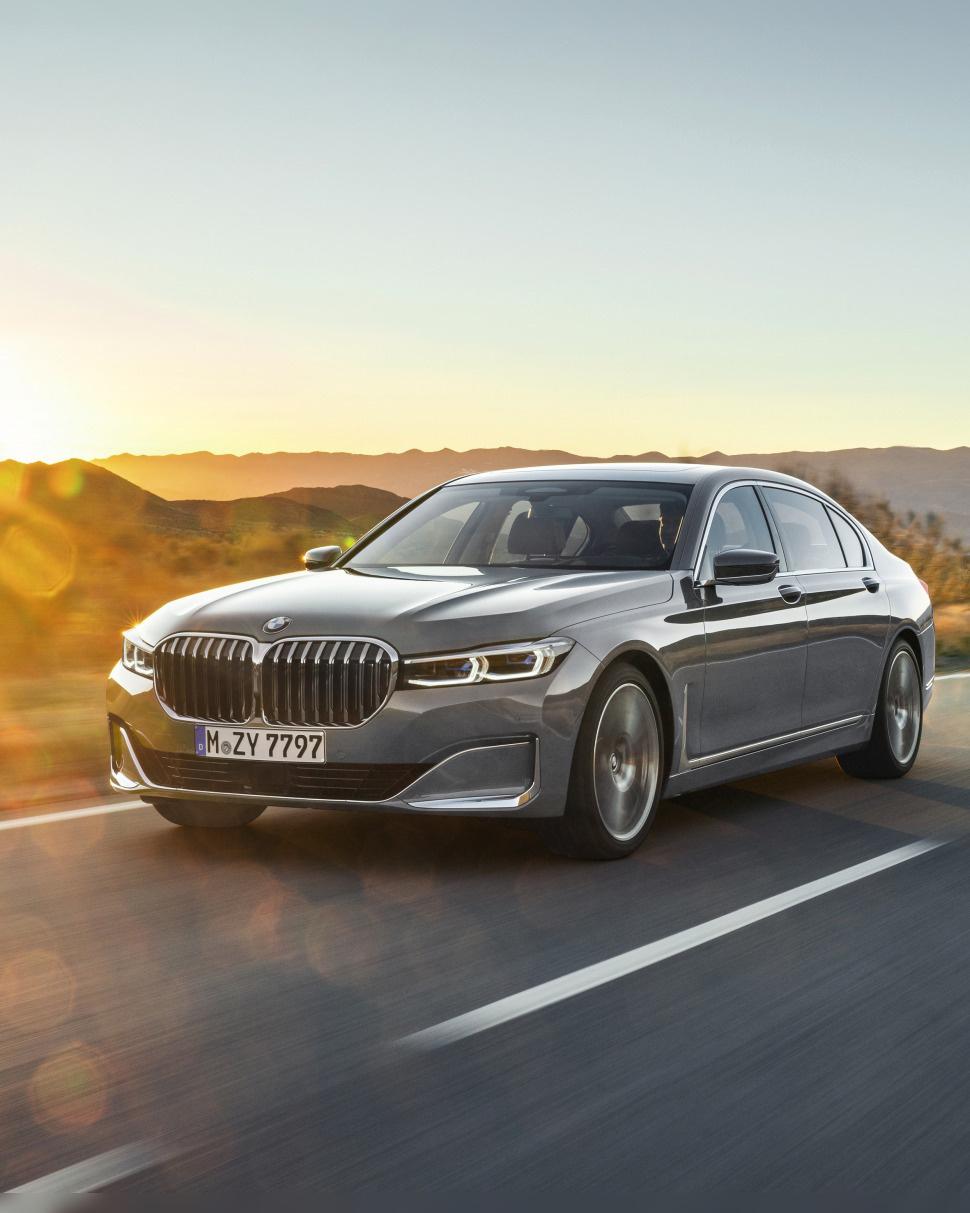
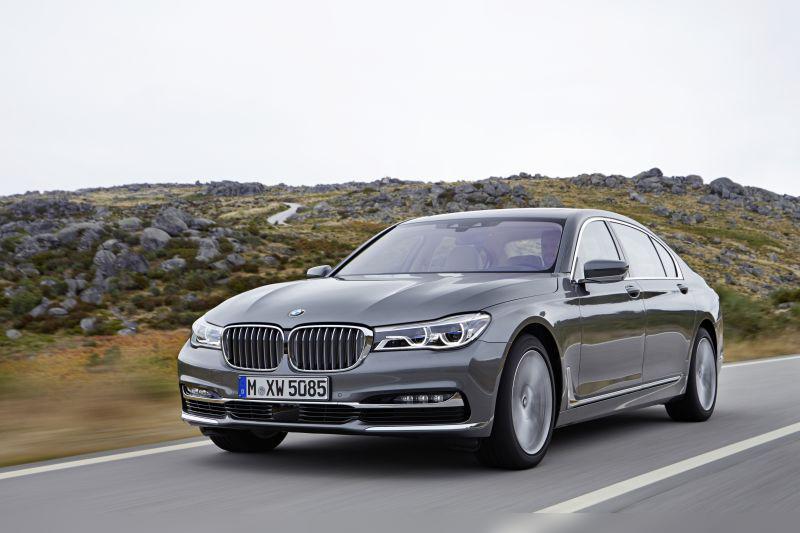
The engine designated B57D30C represents the very peak of BMW’s diesel technology before the massive shift to hybridization. Although in specifications and marketing materials BMW often uses its universal term "TwinPower Turbo", it’s important to clarify right away – this is an engine with four turbochargers (Quad-Turbo). It served as a direct replacement for the older N57 tri-turbo engine and was installed exclusively in "M Performance" diesel models of the newer G generation (G30, G11, G05 X5, X6, X7).
This three-liter inline-six was built with one goal: to offer the performance of a V8 petrol engine with the fuel efficiency of a diesel on long journeys. However, such complexity comes at a price, so it’s extremely important to know exactly what you’re buying.
Technical specifications
| Parameter | Value |
|---|---|
| Engine displacement | 2993 cc |
| Power | 294 kW (400 HP) |
| Torque | 760 Nm |
| Engine codes | B57D30C (M50d / M550d / 750d) |
| Injection type | Common Rail direct injection (Piezo) |
| Aspiration | Quad-Turbo (4 turbochargers), intercooler |
Reliability and maintenance: What to expect?
The heart of every B57 engine beats in the rhythm of its timing chain. As with its predecessor, engineers placed the chain at the rear of the engine, right next to the firewall (towards the cabin). This means that a major service is neither cheap nor simple. The major service, i.e. replacement of the chain, guides and tensioners, is usually done at around 150,000 to 200,000 km, when the first signs of stretching typically appear. The engine has to be removed from the car for this job, which makes the whole process very expensive (Depends on the market).
Oil and regular servicing
The oil sump of this engine usually holds around 6.5 liters of oil (the figure varies depending on the shape of the sump on X models versus sedans; it should be checked by VIN). The recommended viscosity is 5W-30 or 0W-30 that meets the BMW Longlife-04 standard. Because of the four turbochargers and enormous thermal load, you must do an oil change every 10,000 to 12,000 km, never at 30,000 km as the factory suggests. A healthy engine can consume up to 0.5 l of oil per 10,000 km, which is considered normal due to cooling and lubrication of the complex turbo system. Higher consumption points to issues with turbo seals or the crankcase ventilation (PCV) system.
Injectors and failures
Since this is a powerful diesel engine, it uses advanced high-pressure Piezo injectors. Injector lifespan is generally good; they can exceed 200,000 km, but they are incredibly sensitive to poor-quality fuel and water in the system. Symptoms of failure include hard cold starts, smoke from the exhaust under hard acceleration, and a rough, "hammering" idle. Replacement is expensive (Depends on the market), and refurbishment often does not provide long-term results with Piezo technology.
The most common general issues include oil leaks from the valve cover and carbon buildup in the intake manifold and on intake valves, which directly affects engine performance.
Specific parts and potential costs
This powerplant rejects any compromise from the outset. Due to the massive torque, it does not use a conventional dual-mass flywheel and clutch kit because there is no manual gearbox option. The system uses a hydraulic torque converter (wandler) inside the automatic transmission.
Turbochargers – an engineering marvel
What makes this engine unique are its four turbochargers. Two small turbos work at low revs to eliminate turbo lag, while two larger ones come in at higher revs for maximum power. The typical lifespan of the turbos is around 150,000–200,000 km, and depends primarily on oil quality and whether the driver lets the engine idle to cool down after spirited driving. The system of vacuum hoses, actuators and solenoid valves that control pressure distribution between these turbos is extremely complex. Any boost leak or sensor failure is very expensive to diagnose and repair (Depends on the market).
EGR, DPF and AdBlue systems
Emissions equipment is this engine’s biggest enemy. It has an EGR valve and EGR cooler that are prone to failure and are among the biggest weaknesses of this model. The EGR cooler can leak internally, causing the engine to consume coolant, which in extreme cases can melt the intake manifold and create a fire hazard (you must check whether the car has had the factory recall done).
The DPF filter is huge and designed for highway use. In exclusive city driving it clogs quickly, which raises exhaust backpressure and puts additional strain on the turbochargers. The engine also has an AdBlue (SCR) system. The heater in the AdBlue tank or the pump (module) can fail due to fluid crystallization. The symptom is a warning on the dashboard with a countdown of remaining kilometers – if not resolved, the car will eventually prevent the engine from starting. Repair is expensive (Depends on the market).
Fuel consumption and performance
The torque figure of 760 Nm means one thing – this engine is absolutely not lazy. Even though it’s fitted to heavy vehicles like the BMW X7 (G07) or X5 (G05), it pulls brutally in every gear thanks to the small turbos that deliver maximum torque already at around 2,000 rpm.
When it comes to fuel consumption, don’t expect miracles in the city. Real-world urban fuel consumption for models like the X5 or 7 Series is between 10 and 13 l/100 km, while the lighter 5 Series (G30) is somewhat more economical. However, the highway is its natural habitat. At 130 km/h the engine cruises completely unstressed, at just 1,600 to 1,800 rpm in eighth gear (depending on the final drive ratio of the specific model). In these conditions, consumption drops to a fantastic 7 to 8.5 l/100 km.
Extras, remapping and modifications
Since this is a diesel engine, LPG (autogas) conversion is not applicable and is not done.
When it comes to software tuning (Stage 1 remap), the B57D30C has excellent potential but requires great care. Without any mechanical changes, power can safely be raised to around 460–470 HP, and torque to a frightening 850 Nm. However, before remapping, you must check the condition of the turbochargers and clean the intake manifold from carbon deposits, because higher boost means higher thermal stress on the engine.
Transmission: Automatic only
The 400 HP and 760 Nm output would tear apart any conventional manual gearbox. That’s why the only option with this engine is the 8-speed ZF automatic transmission (most commonly ZF 8HP75 or reinforced versions). Among mechanics, this gearbox is known as one of the best and most durable automatic transmissions in the world.
Transmission failures and maintenance
Failures on this transmission are very rare, and when they do occur, they are usually the result of previous owners’ neglect. Symptoms include harsh engagement when shifting from "P" to "D" or "R", as well as jerks when shifting from second to first gear while coming to a stop.
For the transmission to last, regular maintenance is crucial. Although BMW often claims that the transmission oil is filled for "lifetime", the transmission manufacturer (ZF) officially recommends servicing and changing the oil together with the pan/filter every 80,000 to 100,000 km. Skipping this service leads directly to a very expensive (Depends on the market) overhaul of the valve body and clutches in the gearbox.
Buying used and final verdict
Buying a used car with the B57D30C (M50d, M550d, 750d) engine is a move that requires deep pockets, a cool head and a trusted mechanic with diagnostics present during inspection. Here’s what you absolutely must check:
- Chain noise: Listen to the engine during the very first completely cold start. Rattling from the rear of the engine indicates that the chain is due for replacement.
- EGR and coolant condition: Check the coolant level. If it’s low, the EGR cooler may be cracked. Be sure to check the service history at an authorized dealer.
- Performance and diagnostics: During the test drive, acceleration must be linear. Any kind of "choking", hesitation or power cut indicates a problem with one of the 4 turbochargers or their vacuum controls. Using diagnostics, the mechanic must check DPF saturation (backpressure parameters) and injector correction values.
- Front suspension and drivetrain: Since all these models have xDrive all-wheel drive, the heavy engine up front significantly wears front suspension components, tires and brakes.
Conclusion: The B57D30C is an incredible power unit aimed at a very narrow circle of buyers. This is not an engine for family people looking for economy on short trips and runs to the supermarket – for such use it will turn into a nightmare full of clogged filters and failed valves. This engine was created for those who cover huge distances across Europe, often cruise on motorways, and want brutal power without having to stop at every fuel station. Maintaining such a masterpiece is expensive (Depends on the market), but in return it offers a driving experience that no other diesel can match.