BMW M43B18 (115 HP): Experiences, problems, fuel consumption and buying used
Key points (TL;DR)
- Timing chain: The engine uses a very reliable timing chain, which reduces regular maintenance costs.
- Reliability: One of BMW’s most durable four-cylinder engines from the nineties, known for longevity if properly maintained.
- Most common issues: Cooling system (plastic coolant flanges, viscous fan, water pump), oil leaks (valve cover gasket) and unstable idle (false air, idle control valve).
- Performance and fuel consumption: Sufficient for relaxed driving, but sluggish in heavier bodies (such as the 5 Series). City fuel consumption is relatively high (10–12 l/100 km).
- LPG: Extremely suitable engine for installing a sequential LPG system.
- Maintenance costs: Parts are easy to find and generally affordable (depends on the market). No turbo, no DPF, and no expensive modern systems.
Contents
- Introduction: The golden era of BMW four-cylinders
- Technical specifications
- Reliability, maintenance and failures
- Specific parts and costs
- Fuel consumption and performance
- Extras, LPG and remapping
- Gearbox and drivetrain
- Buying used and Conclusion
Introduction: The golden era of BMW four-cylinders
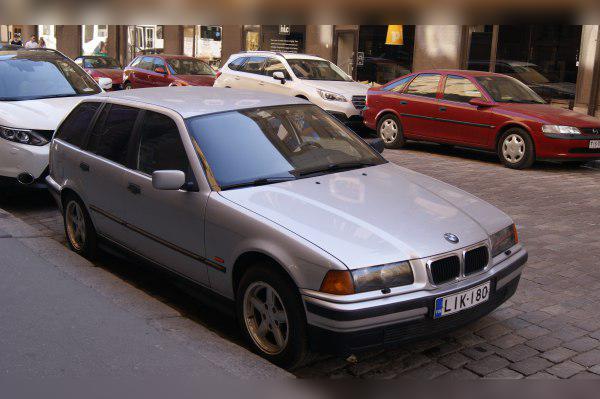
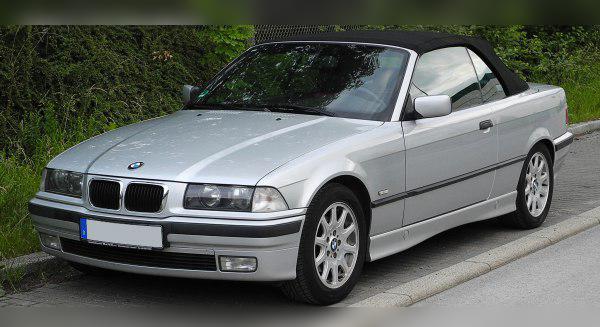
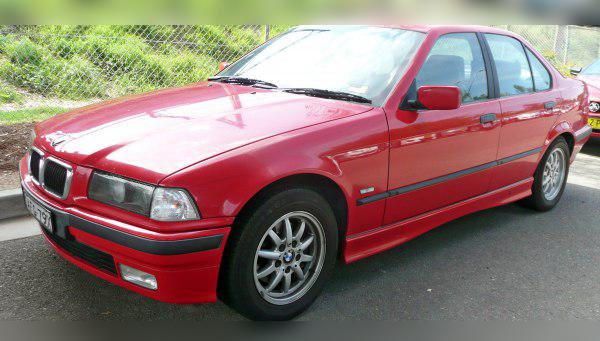
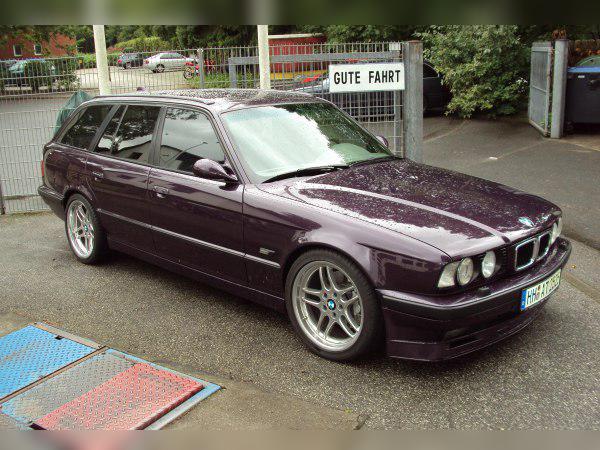
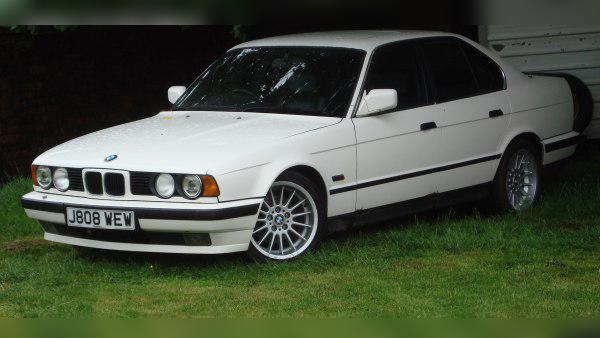
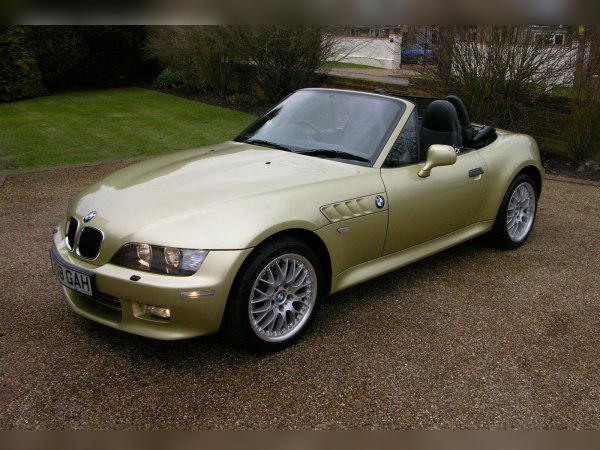
The M43B18 is BMW’s inline four-cylinder petrol engine with 8 valves, which replaced the problematic M40 engine (known for camshaft wear and timing belt issues). Introduced in the early nineties, this engine restored faith in the reliability of BMW’s entry-level models. It was installed in icons such as the 3 Series (E36) in all body styles, the 5 Series (E34), as well as in early Z3 roadster (E36/7) models. Thanks to its robustness and simplicity, it is now a favorite among “youngtimer” enthusiasts looking for a reliable classic for everyday use.
Technical specifications
| Parameter | Data |
|---|---|
| Engine displacement | 1798 cc |
| Power | 85 kW (115 HP) at 5500 rpm |
| Torque | 168 Nm at 3900 rpm |
| Engine codes | M43B18, 184E2 |
| Injection type | Multipoint (Bosch Motronic M 1.7.1) |
| Induction system | Naturally aspirated |
| Number of cylinders / valves | 4 cylinders in-line / 8 valves (SOHC) |
Reliability, maintenance and failures
Chain or belt and Major service
Unlike its predecessor, the M43B18 has a timing chain. This is a huge advantage because the chain on this engine is extremely long-lasting. There is no prescribed interval for a “major service” in terms of chain replacement – it is only replaced if it starts rattling on a cold start (which rarely happens before 300,000 km). The major service on this engine boils down to replacing the auxiliary belt, rollers, tensioner, as well as vital cooling system components (water pump and thermostat), which are recommended to be replaced preventively every 80,000 to 100,000 km.
Most common failures
Although the engine’s internal mechanics are almost indestructible (crankshaft, pistons and block are extremely durable), the peripherals start causing headaches after 20+ years of use:
- Cooling system: This is the Achilles’ heel of all BMWs from this era. Plastic coolant flanges become brittle due to thermal cycling and crack. The viscous fan often fails, which leads to overheating. If you see the temperature gauge going above the middle, switch the engine off immediately to avoid cracking the cylinder head!
- False air and idle: The ribbed rubber hose between the MAF and the intake manifold often cracks. The so-called idle control valve (ICV) gets dirty with carbon deposits, causing rough idle or stalling when you press the clutch. Cleaning usually solves the problem.
- DISA valve: Variable intake manifold length system. Over the years, the flap inside the DISA valve develops play and starts rattling (the sound resembles noisy hydraulic lifters). Ignoring this can lead to parts of the flap breaking off and being sucked into the intake.
- Oil leaks: A common occurrence on the valve cover gasket and around the oil filter housing. Fortunately, replacement is quick and not expensive (depends on the market).
Oil and spark plugs
The engine takes exactly 4.0 liters of oil with filter change. The factory recommendation for this region is usually 10W-40 (semi-synthetic) or 5W-40 (synthetic) if the engine is in perfect condition. It is normal for an older BMW petrol engine to consume some oil, usually up to 0.5 liters per 1000 km. If it consumes more, the cause is most often hardened valve stem seals, and less often worn piston rings. Since this is a petrol engine, spark plugs should be replaced every 40,000 to 60,000 km, depending on whether you drive on petrol or LPG (LPG wears electrodes faster).
Specific parts and costs
Flywheel and clutch
Whether this engine has a dual-mass flywheel depends on the model, year of manufacture and equipment. Most standard E36 318i models come with a solid (single-mass) flywheel, which significantly reduces maintenance costs. However, later models (especially those with factory air conditioning) or heavier models such as the E34 may be equipped with a dual-mass flywheel. The clutch kit itself is not expensive, but if you have a model with a dual-mass flywheel, replacing the complete set falls into the medium-expensive repair category (depends on the market).
Fuel injection system, Turbo, DPF and AdBlue
The engine uses a classic Bosch Motronic indirect multipoint injection system. The injectors are very reliable and rarely fail, unless the car is driven on LPG only for a long time with old petrol sitting in the tank, which can cause clogging (ultrasonic cleaning is usually sufficient).
Since this is an older naturally aspirated petrol engine, it HAS NO turbo, NO DPF filter, NO problematic EGR valve, and of course NO AdBlue system. This is precisely why maintaining this engine is so predictable and cheap compared to modern diesels.
Fuel consumption and performance
Real-world fuel consumption
Early nineties technology takes its toll when it comes to fuel consumption. Real-world city consumption is between 10 and 12 liters per 100 km, depending on how heavy your right foot is and on the condition of the MAF and lambda sensor. On the open road, consumption drops to about 7 liters, while the combined average is around 8.5 to 9 l/100 km.
Driving characteristics
With 115 HP and 168 Nm of torque, the M43B18 is adequate for the 3 Series (E36), where it provides decent but by no means sporty acceleration. It pulls very well from low revs for a naturally aspirated engine. However, in the 5 Series (E34), especially in the Touring (wagon) version, this engine is objectively “lazy”. The heavy 5 Series body requires frequent shifting and high revs on uphill sections or when overtaking.
On the motorway, at 130 km/h in fifth gear (manual gearbox), the engine spins at around 3500–3700 rpm (varies depending on the rear differential ratio). The noise in the cabin becomes noticeable, but the engine is designed to withstand hours of cruising at these revs without any issues.
Extras, LPG and remapping
LPG installation
Yes, this engine is perfect for LPG conversion! The classic injection system and durable valves handle LPG very well. It is essential to install a sequential system only. If the system is properly mapped and the car’s cooling system is in good condition, the difference in power between petrol and LPG is barely noticeable, while the savings are huge due to the high city fuel consumption.
“Chiptuning” (Stage 1)
Short answer: Don’t waste your money. Since the M43B18 is a naturally aspirated engine, so-called “chiptuning” or ECU remap can extract at most 5 to 8 HP, which you will not feel in real driving. Software modifications only make real sense on turbo engines.
Gearbox and drivetrain
Types of gearboxes and failures
The M43B18 was most commonly paired with a 5-speed manual gearbox (Getrag). This gearbox is brilliantly designed, extremely precise and practically indestructible as long as it has oil in it. The most common issue is minor oil seepage at the gear selector shaft seal and play in the gear lever itself (plastic bushings in the linkage wear out, which is solved with a cheap rebuild kit).
The other option was a 4-speed automatic gearbox (usually GM-made). Automatics from that era are very slow, rob a lot of power from the engine and drastically increase city fuel consumption. Failures on the automatic gearbox usually occur due to irregular maintenance (valve body failure, torque converter clutch slippage).
Gearbox maintenance
- Manual gearbox: There is no factory-specified change interval, but experienced mechanics recommend changing the gearbox (and differential) oil every 100,000 km.
- Automatic gearbox: Automatic transmission fluid and filter MUST be changed every 60,000 to 80,000 km. If you are buying a used car with an automatic where the oil has never been changed and the oil smells burnt, expect expensive repairs (very expensive – depends on the market).
Buying used and Conclusion
What to check before buying?
Considering that the youngest car with this engine is over 20 years old, its condition depends entirely on previous owners. When inspecting a car, make sure to check:
- Cold start: Listen for chain rattle during the first 2–3 seconds after starting. If it rattles constantly, the chain and tensioner need to be replaced.
- Cooling system: Squeeze the thick radiator hoses when the engine is at operating temperature. They can be firm, but should not be “rock hard”. Open the oil cap and check for “mayonnaise” (white sludge), which would indicate oil and coolant mixing due to a blown head gasket.
- Idle fluctuation: The engine should idle smoothly (~800 rpm). If the needle is shaking or the engine stalls, you are in for a hunt for the source of “false” air entering the intake.
- Body condition: At the end of the day, the M43 engine is easy and cheap to repair, but rotten sills, arches and floors on an E36 or E34 are not. The suspension on these cars (ball joints, bushings) is more sensitive, so check whether the car wanders on the road.
Conclusion
The BMW M43B18 engine is a fantastic choice for someone who wants to enter the world of classic BMWs without going bankrupt on repairs. It is not meant for “street racing” or drifting and it will not impress you with its acceleration. It is intended for drivers who appreciate nineties engineering, want the sound of a BMW petrol engine under the bonnet, simple and cheap servicing, and a reliable machine for cruising from point A to point B.