Engine M47R / 204D2 (131 HP): Experiences, issues, fuel consumption and used car buying tips
- BMW pedigree: Reliable engine block with timing chain, adapted for front-wheel drive and transverse installation in Rover/MG models.
- Maintenance: Requires regular replacement of the oil separator (PCV) to protect the turbocharger.
- Performance: More than adequate for the heavy body thanks to 300 Nm of torque.
- Reliability: No DPF filter and no AdBlue system, which makes it significantly cheaper to maintain long-term than modern diesels.
- Weak points: Engine mounts, thermostats and crankshaft pulley often require attention.
- Transmissions: Manual gearboxes are durable but require an expensive dual-mass flywheel replacement, while Jatco automatics demand strict adherence to oil change intervals.
Contents:
- 1. Introduction and engine history
- 2. Technical specifications
- 3. Reliability, failures and maintenance
- 4. Specific parts and costs
- 5. Fuel consumption and performance
- 6. Additional options and modifications
- 7. Gearbox and drivetrain
- 8. Used car buying tips and conclusion
1. Introduction and engine history
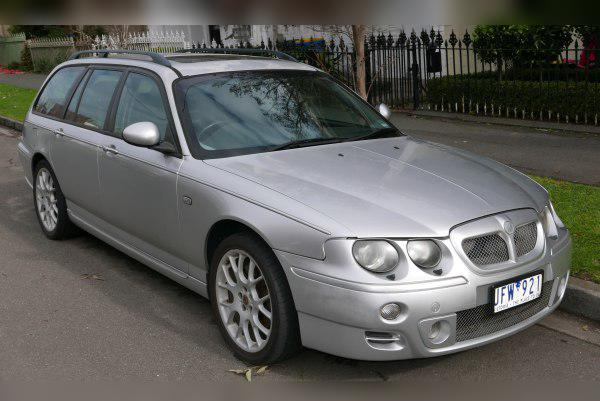
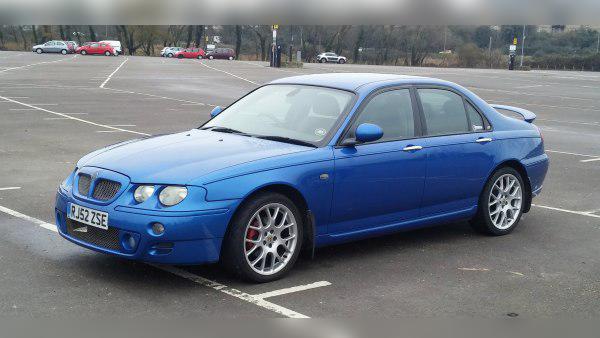
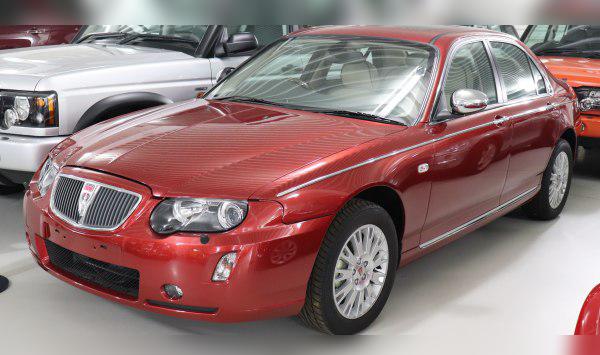
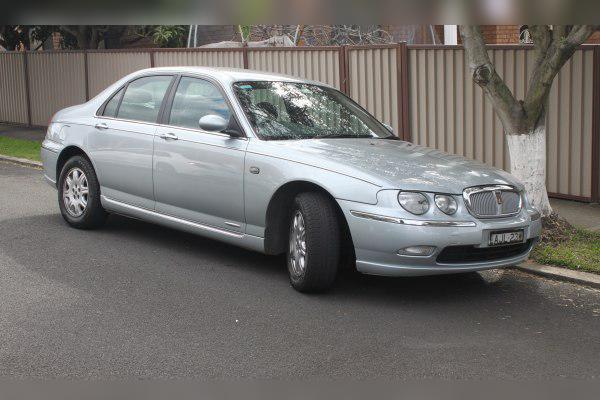
The engine designated M47R (or 204D2) is a unique piece of automotive history from the period when Bavarian BMW owned the British Rover Group. Although based on the famous BMW M47 block, the letter "R" in the code stands for "Rover". Engineers had to modify this unit for transverse installation so it could drive the front wheels in models such as the Rover 75 and MG ZT (including the Tourer and ZT-T estate versions and their 2004 facelift variants). Interestingly, Rover implemented the Common Rail injection system on this engine before BMW did on its 3 Series, which gives this engine a smoother operation compared to early BMW 2.0 diesels with the VP44 pump.
2. Technical specifications
| Parameter | Value |
|---|---|
| Displacement | 1951 cc |
| Power | 96 kW (131 HP) |
| Torque | 300 Nm |
| Engine codes | M47R / 204D2 |
| Injection type | Bosch Common Rail (Direct injection) |
| Aspiration | Turbocharger with intercooler |
3. Reliability, failures and maintenance
One of the biggest advantages of this unit is that it uses a timing chain instead of a timing belt. On this generation of engines the chain is extremely robust and rarely fails, so it does not require regular replacement. Because of that, the classic "major service" comes down to replacing the auxiliary belts, tensioners, rollers and water pump. It is recommended to replace this set preventively every 90,000 to 100,000 km.
The engine takes approximately 6.8 liters of engine oil. High-quality synthetic oil of grade 5W-40 or 5W-30 (meeting BMW LL-01 or LL-04 standards) is recommended. As for oil consumption, a healthy M47R is not a heavy consumer; a loss of about 0.5 to 1 liter between 10,000 km service intervals is considered completely normal, given the age and mileage.
Most common failures: The first component to suffer is usually the crankcase ventilation oil separator (PCV valve). If this filter clogs, pressure builds up in the crankcase, pushing oil past seals and directly into the turbocharger, which the driver notices as bluish smoke and loss of power. Another frequent issue is the crankshaft pulley (vibration damper). When the rubber in it wears out, the engine starts to "rattle" and produces a metallic noise when starting, shutting down or idling. Another specific weak point are the thermostats. Rover/MG models often suffer from thermostats stuck open, which prevents the engine from reaching its operating temperature of 90 °C, leading to higher fuel consumption and faster wear of parts in winter.
As this is a diesel engine with a Common Rail system, the injectors are exposed to high stress. The Bosch injectors fitted to this engine are very durable and often last over 250,000 km without overhaul. When they start to fail (most often due to poor fuel quality), symptoms include difficult cold starting, rough idle (shaking), loss of power and black smoke from the exhaust due to poor fuel atomization.
4. Specific parts and costs
Maintenance costs for the M47R engine vary depending on the fault, but the basics are solid. Versions with a manual gearbox have a dual-mass flywheel. Its service life is usually around 150,000 to 200,000 km. Replacing the clutch kit and dual-mass flywheel is a fairly expensive job (depends on the market), but it is unavoidable on cars of this age. Symptoms of a worn flywheel include strong vibrations at idle, knocks when changing gears and a characteristic rattling that disappears when the clutch pedal is pressed.
The engine is equipped with a Garrett variable geometry (VNT) turbocharger. The lifespan of the turbo depends entirely on regular oil changes and the condition of the aforementioned PCV valve. Turbocharger overhaul is moderately expensive (depends on the market).
A huge advantage for used car buyers is that this engine does not have a DPF (particulate filter) or an AdBlue system, which immediately eliminates two of the biggest problems and sources of high costs in modern diesels. However, the engine does have an EGR valve that returns part of the exhaust gases into the intake. Over time it clogs with soot, resulting in hesitation when accelerating and black smoke. Cleaning is not expensive (depends on the market), and many owners choose to have it disabled both in software and physically (blocked) for better throttle response.
5. Fuel consumption and performance
The Rover 75 and MG ZT are massive cars weighing over 1.5 tons, but the M47R with its 131 HP and 300 Nm copes with that weight very well. The engine is by no means "lazy"; it pulls strongly from low revs, which makes it pleasant for everyday driving.
Realistic city fuel consumption ranges between 8 and 10 l/100 km, especially in winter or if you drive a version with an automatic transmission. However, its real home is the motorway. Thanks to well-chosen gear ratios, at a cruising speed of 130 km/h the engine runs at a relaxed (approximately) 2,500 rpm, depending on the gearbox, while fuel consumption drops to an excellent 5.5 to 6.5 l/100 km.
6. Additional options and modifications
Since this is a diesel engine with a robust BMW piston block and crankshaft, it is extremely suitable for chiptuning. A safe Stage 1 software tune can raise power from the stock 131 HP to an impressive 155 to 160 HP, while torque increases to around 350–360 Nm. With this modification the car literally comes to life, overtaking becomes incomparably easier, and with normal driving, fuel consumption can even slightly decrease. However, before such a modification, it is essential to check the condition of the clutch, flywheel and turbocharger.
7. Gearbox and drivetrain
This engine was paired with reliable 5-speed Getrag manual gearboxes, as well as 5-speed Jatco (JF506E) automatic gearboxes.
The manual gearbox is extremely durable and rarely suffers mechanical problems with the gears themselves. The biggest issue and cost here is exclusively power transfer, i.e. the worn clutch and dual-mass flywheel mentioned earlier. The oil in the manual gearbox should be replaced preventively every 100,000 km to make shifting easier in winter.
The automatic gearbox (Jatco) provides refined and smooth driving, ideal for the luxury-oriented Rover 75. However, it is very sensitive to neglect. The most common problems include failure of solenoids and sensors, which the driver feels as harsh jerks when changing gears, "slipping" or delayed upshifts. Regular servicing is crucial. It is recommended to change the oil in the automatic gearbox every 60,000 km. Flushing and filter replacement are not always cheap, but they are far more cost-effective than overhauling the entire gearbox, which is very expensive (depends on the market).
8. Used car buying tips and conclusion
When buying a Rover 75 or MG ZT with the 2.0 CDTi engine, focus on what you hear and feel. The first test is a cold start. If the car cranks for a long time, starts roughly or emits a cloud of black/blue smoke, you are probably facing an investment in injectors or glow plugs. Listen to the engine at idle – a sharp metallic sound near the wheel usually indicates a worn crankshaft pulley.
While driving, always watch the temperature gauge. If it drops on the open road, the thermostat is faulty. When accelerating, pay attention to the sound from the intake – a loud turbo whistle warns of turbo wear or cracked intercooler hoses. If you are driving a version with a manual gearbox, test it by starting uphill and listen for a dull knocking under your feet, which reveals a worn dual-mass flywheel.
Conclusion: The M47R (204D2) engine is an excellent choice for drivers who cover a lot of motorway miles and appreciate the comfort of older saloons and estates. It offers proven German mechanics wrapped in British style. The absence of a DPF and modern eco-systems significantly eases the maintenance budget, but keep in mind that these cars are now old and require meticulous maintenance of wear-and-tear parts in order to remain reliable.