BMW M52B28 (193 hp): Experiences, Problems, Fuel Consumption and Used Car Buying Tips
Key points (TL;DR)
- Silky smooth and long-lasting: An inline-six renowned for its incredibly smooth operation and mechanical durability.
- Timing chain drive: The engine uses a timing chain, which reduces regular maintenance costs compared to a belt.
- Achilles’ heel – Cooling system: The water pump, thermostat and expansion tank are prone to cracking and require preventive replacement.
- Excellent for LPG conversion: Port fuel injection makes it a perfect candidate for cheaper running on autogas.
- Naturally aspirated power: No expensive components such as turbochargers, DPF filters or AdBlue systems.
- VANOS system issues: Seals in the variable valve timing system deteriorate over time, resulting in power loss at lower revs.
Contents
- Introduction: The golden era of BMW engineering
- Technical specifications
- Reliability and maintenance
- Specific parts and costs
- Fuel consumption and performance
- Additional options and modifications
- Gearbox and drivetrain
- Buying used and conclusion
Introduction: The golden era of BMW engineering
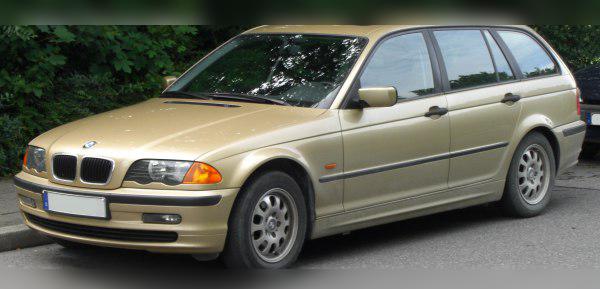
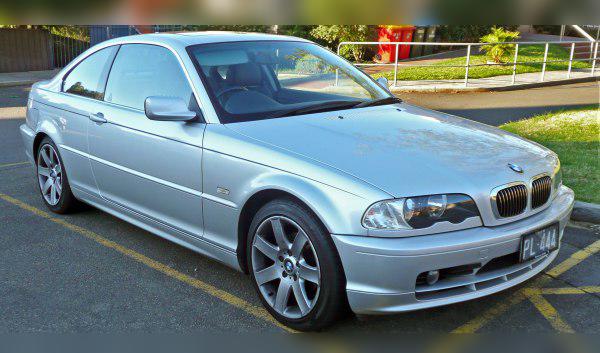
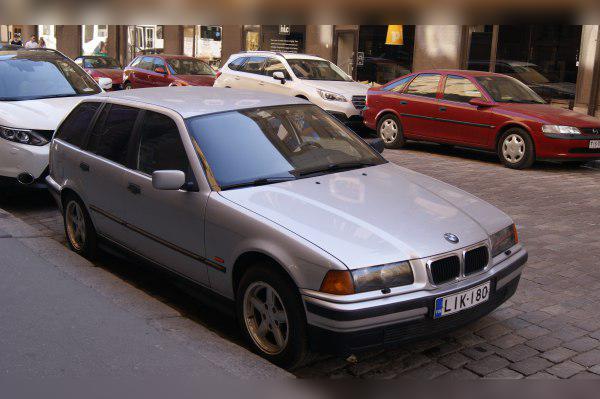
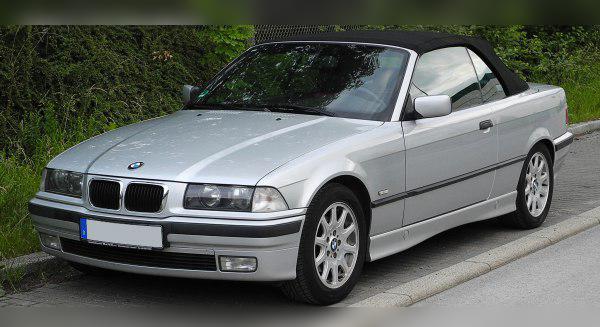
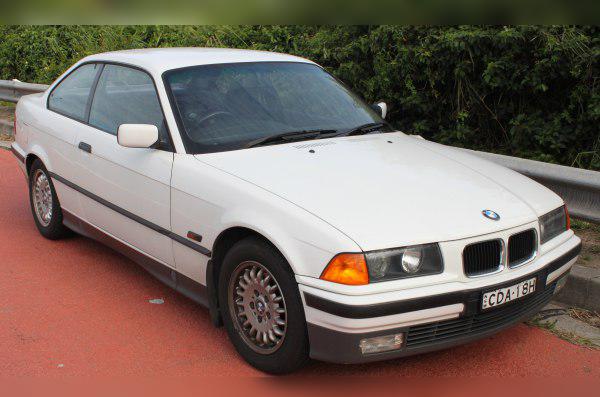
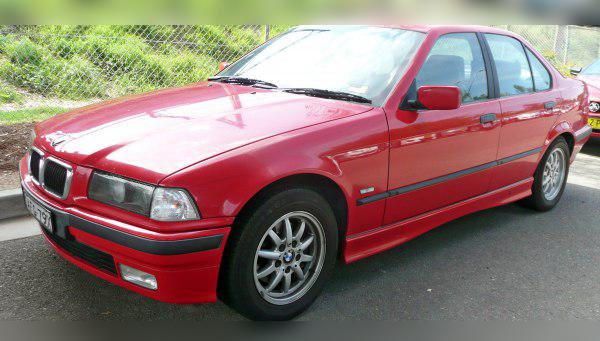
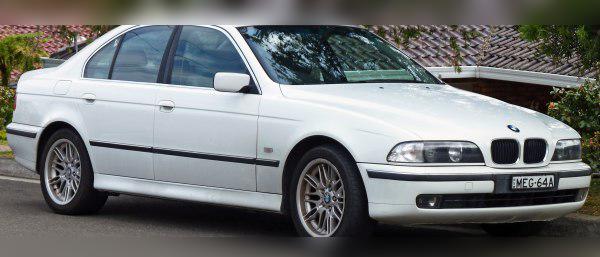
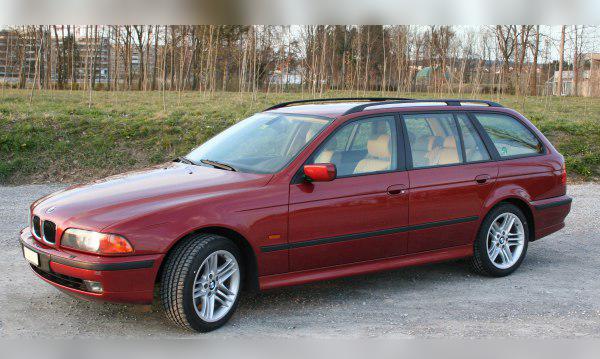
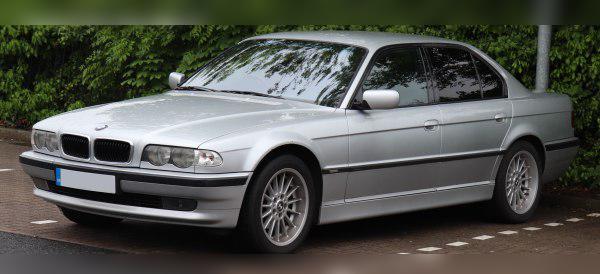
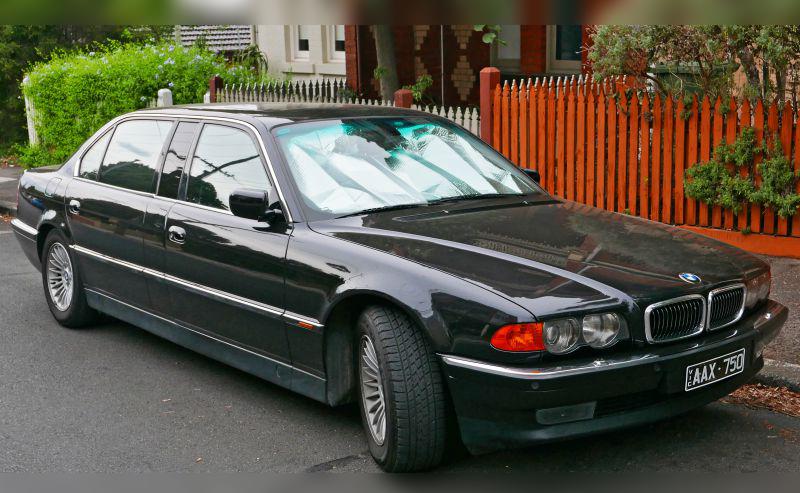
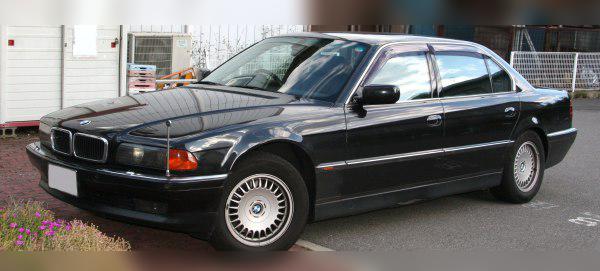
The M52B28 engine is one of the most praised powerplants to come out of Munich in the 1990s and early 2000s. This 2.8‑liter inline-six was fitted to icons such as the 3 Series (E36 and E46), 5 Series (E39) and the prestigious 7 Series (E38). It belongs to the era before strict emissions regulations forced manufacturers to downsize and adopt turbocharging on a large scale. Its aluminum construction (on the European market) reduced weight, while its 193 hp output offered top‑tier performance for its time. Later versions of this engine (known as M52TUB28, where TU stands for Technical Update) brought dual VANOS for better breathing across the rev range, as well as steel cylinder liners instead of the problematic Nikasil coating, which was sensitive to sulfur in fuel on the earliest models.
Technical specifications
| Parameter | Data |
|---|---|
| Displacement | 2793 cc |
| Power | 142 kW (193 hp) at 5300 rpm |
| Torque | 280 Nm at 3950 rpm (TU versions at 3500 rpm) |
| Engine codes | M52B28 / M52TUB28 |
| Injection type | Port injection (Multipoint) |
| Aspiration | Naturally aspirated |
Reliability and maintenance
Does this engine have a timing belt or chain?
Like most serious BMW powerplants, the M52B28 uses a timing chain. This means there is no classic “major service” in the sense of periodic timing belt replacement. The chain is very robust and designed to last the life of the engine. However, at around 250,000 to 300,000 km, the plastic guides and the chain tensioner can wear out. Symptoms of wear include metallic rattling on cold start. Replacing the chain and associated components is not cheap, but it is usually done only once in the car’s lifetime.
Most common failures and symptoms
The basic block and cylinder head are virtually indestructible, but the peripheral components are problematic:
- Cooling system: This is the biggest weak point of the M52 engines. The water pump has plastic impellers that become brittle over time and disintegrate. The thermostat and its plastic housing often crack, and the expansion tank can burst under pressure. Symptoms: Coolant temperature rising above the halfway mark on the gauge, coolant loss. Overheating this engine quickly leads to a warped aluminum cylinder head and blown head gasket, which is a very expensive repair. The recommendation is to replace the entire cooling system preventively (pump, thermostat, hoses) every 4 years or 80,000 km.
- VANOS system: The variable valve timing system uses rubber O‑ring seals that harden over time due to engine heat. Symptoms: Rough idle, fluctuating revs when the engine is cold, and a noticeable loss of power (“dead spot”) at lower revs below 3000 rpm. The fix involves installing Teflon rebuild kits.
- CCV valve (crankcase ventilation / oil separator): The membrane inside the separator tears due to age and condensation. Symptoms: Increased oil consumption, smoke from the exhaust, and the oil cap being “sucked in” (strong vacuum under the valve cover).
- Sensors: Camshaft and crankshaft position sensors often fail due to heat. Replacement should be done only with genuine (VDO/Siemens) parts, as cheap aftermarket sensors frequently do not work properly.
Oil: capacity, grade and consumption
This engine takes exactly 6.5 liters of oil. The factory‑recommended viscosity is 5W‑30 or 5W‑40 (with BMW LL‑01 specification), although in climates with hot summers many owners successfully use 10W‑40. Oil consumption is absolutely present and is considered normal on a healthy engine if it is between 0.3 and 0.7 liters per 1000 km, especially if the car is often driven at high revs. If the engine consumes more than 1 liter per 1000 km, the problem usually lies in stuck oil control rings, hardened valve stem seals or the aforementioned CCV separator.
Spark plug replacement
Since this is a petrol engine, the spark plug replacement interval (there are 6 of them) depends on the type. Standard plugs are replaced at around 30,000 to 40,000 km, while iridium or platinum‑tipped plugs (which are recommended for this engine) are replaced at 60,000 to 80,000 km. Worn plugs cause misfires, which manifest as jerking under acceleration and rough idle.
Specific parts and costs
Does this engine have a dual‑mass flywheel?
Yes, all manual versions come from the factory with a dual‑mass flywheel (DMF). The flywheel dampens vibrations from the inline‑six and ensures smooth take‑off. Its lifespan is usually between 150,000 and 250,000 km. Symptoms of failure include strong vibrations when moving off from a standstill and knocking noises from the gearbox area at idle that disappear when you press the clutch.
Fuel injection system
The fuel injection system is electronic, port injection (Multipoint) – the injectors are located in the intake manifold, before the intake valves. This system is dramatically more reliable than modern direct‑injection systems. The injectors are extremely robust, do not clog easily and rarely fail. If clogging does occur due to poor fuel quality, ultrasonic cleaning solves the problem in 99% of cases, at a negligible cost.
Turbocharger, DPF, EGR, AdBlue
This is a classic naturally aspirated petrol engine. That’s why it is beloved among purists. The engine has no turbocharger, no intercooler and no complex pressurized pipework. Also, as an older‑generation petrol engine, it has no DPF filter, no EGR valve and no AdBlue system. As a result, you will not be dealing with clogged diesel particulate filters in city driving, which drastically lowers maintenance costs.
Fuel consumption and performance
Real‑world fuel consumption
Unlike modern engines, the M52B28 is not a fuel‑saving champion. In strict city driving, consumption rarely drops below 12.5 to 15 l/100 km, depending on vehicle weight and driving style. In heavy traffic with an automatic gearbox (e.g. in a BMW E38), the figure easily exceeds 16 liters. On open roads, consumption drops to around 7.5 to 8.5 l/100 km.
Is the engine “lazy”?
The answer to this depends heavily on the body style:
- In the BMW E36 and E46 (3 Series), this engine turns the car into a genuine sports machine. The car is incredibly agile and very responsive to throttle input.
- In the BMW E39 (5 Series), it represents the “golden middle” and an ideal balance between comfort and dynamics.
- In the BMW E38 (7 Series), which weighs around 1.8 to 1.9 tons empty, the engine can feel a bit “lazy” when moving off from a standstill. With 280 Nm of torque, which is excellent for mid‑size sedans, the big 7 Series needs more revs for rapid overtakes, but it is far from being a slow car.
Motorway driving and revs
On the motorway, the M52B28 really shines. At a cruising speed of 130 km/h in fifth gear (manual gearbox), the engine turns at about 3000 to 3400 rpm (depending on the rear differential ratio). Although this seems high by today’s standards (modern automatics keep revs around 2000 at that speed), cabin noise is minimal because inline‑sixes are perfectly balanced and run very quietly. Fuel consumption at 130 km/h is around 8.5 to 9.5 l/100 km.
Additional options and modifications
LPG conversion
This engine is an absolutely fantastic candidate for an LPG system. The intake manifold handles the installation without any issues, and since it uses port injection, a mid‑range sequential LPG kit will do a perfect job. There is no need for expensive systems as with direct‑injection engines. Many of these engines have covered 400,000 km on LPG with regular filter changes and without any valve damage.
Chiptuning (Stage 1)
Since this is a naturally aspirated engine, a typical Stage 1 remap brings only marginal gains. Power increase through software optimization is limited to about 10 to 15 hp and around 15 to 20 Nm of torque. Because of this, remapping the ECU is worthwhile mainly to remove electronic limits (raising the rev limiter) or to improve throttle response on later M52TU engines with electronic throttle bodies. More serious power gains require mechanical changes (most commonly fitting an intake manifold from the older M50B25 engine, which has higher airflow, combined with a remap).
Gearbox and drivetrain
Which gearboxes were fitted and what are the common issues?
Manual gearboxes: These are 5‑speed units made by ZF and Getrag. They are virtually indestructible as long as they have oil in them. The only specific weak point of manual gearboxes from this era lies in the so‑called detent springs in the shift mechanism. Symptom: The gear lever stays tilted to the right (towards fifth gear) when in neutral, instead of returning to the center under third gear. Fixing this requires removing the gearbox from the car.
Automatic gearboxes: 5‑speed units from ZF (the famous 5HP series) and, in some cases, GM gearboxes were used. They are reliable for relaxed driving, but not particularly quick in gear changes. Symptom of failure: Harsh shifts between 2nd and 3rd gear, and a “kick” feeling when slowing down and coming to a stop. Rebuilding an automatic typically costs between 1200 and 1800 EUR (depending on the market).
Clutch and dual‑mass flywheel cost
A complete clutch kit (pressure plate, disc, release bearing) combined with a new dual‑mass flywheel for manual M52B28 versions costs between 600 and 1000 EUR (depending on the market and manufacturer – LUK, Sachs, Valeo).
Gearbox service intervals
For the manual gearbox, although some manufacturers used “lifetime oil” stickers, experienced mechanics recommend draining and refilling with fresh MTF‑spec oil every 80,000 to 100,000 km.
For the automatic gearbox, regular servicing (oil and filter change, cleaning the magnets in the pan) is essential and must be done strictly every 60,000 to 80,000 km to prevent damage to the valve body and clutch packs inside the transmission.
Buying used and conclusion
What must be checked before buying?
When looking at a used car (often over 25 years old), the following checks are crucial:
- Cooling system (cold test): Squeeze the upper radiator hose while the engine is running. If the hose is rock hard, combustion pressure is being pushed into the cooling system – suspect a blown head gasket or cracked head.
- Rattling noises (sound test): Start a completely cold engine and listen around the upper front part of the valve cover. Rattling indicates a worn VANOS. A rumbling sound from the lower part of the engine points to timing chain issues.
- Oil consumption (blue smoke): Let the car idle for 3–4 minutes, then rev it hard. If it emits a cloud of blue smoke, the engine likely has worn oil control rings or valve stem seals.
- Previous owners (hack jobs): Avoid E36 and E46 models that have been lowered, modified for drifting and fitted with welded rear differentials (“welded diff”). In 90% of cases, such cars are mechanically and structurally worn out.
Conclusion
The BMW M52B28 engine is an old‑school masterpiece. It is aimed at enthusiasts, lovers of classic sedans and drivers who appreciate the sound and elasticity of a large inline‑six without turbo assistance. Its issues are not related to the core of the engine, which is virtually indestructible, but mainly to plastic and rubber components in the engine bay that have degraded with age. With one thorough “refresh” of the cooling and vacuum systems immediately after purchase, this is a powerplant that will effortlessly cover hundreds of thousands of kilometers, delivering a driving pleasure that modern four‑cylinder engines simply cannot match.