BMW M57D30 Engine (204 hp): Experiences, Problems, Fuel Consumption and Used Car Buying Tips
Key points in short (TL;DR)
- Robust inline six: One of the most reliable diesel engines of its generation, known for its ability to cover huge mileages.
- Timing chain drive: Unlike newer generations (N57), the chain on this engine is extremely durable and rarely needs replacement.
- Critical weaknesses: The infamous intake swirl flaps that can fall into the engine, and cracking of the exhaust manifold.
- Fuel consumption and power: Excellent balance of performance (410 Nm) and reasonable fuel consumption, especially on the open road.
- Gearboxes as a weak point: Automatic gearboxes (most often GM units) are sensitive to power increases and require regular servicing.
- Great for tuning: The engine easily handles a Stage 1 remap without compromising internal components.
Contents
- Introduction and engine history
- Technical specifications
- Reliability and maintenance
- Specific components and injection system
- Fuel consumption and real-world performance
- Additional options and tuning
- Gearbox: Manual vs Automatic
- Buying used and conclusion
Introduction and engine history
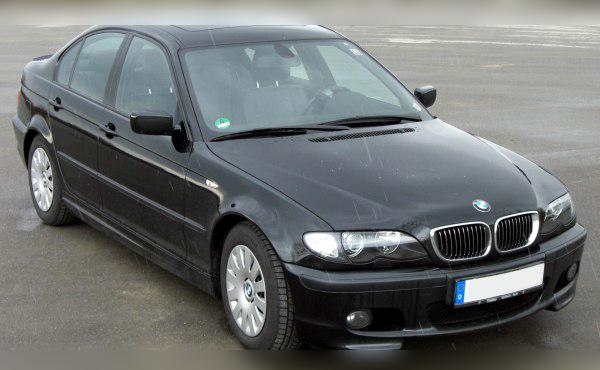
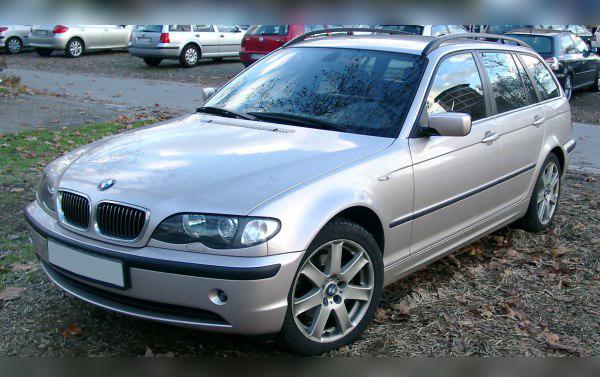
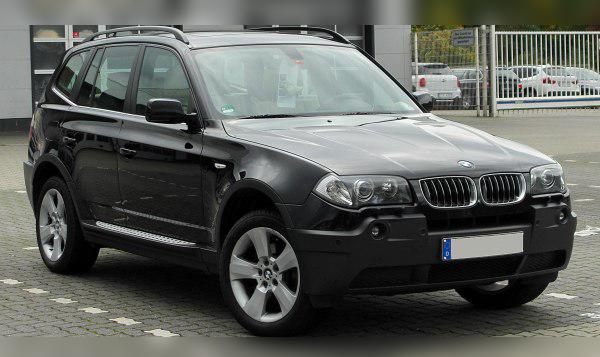
BMW’s inline six-cylinder diesel engine designated M57D30 (more precisely known as the updated TÜ - Technical Update version M57TUD30 in the 204 hp variant) rightfully holds legendary status in the automotive world. It was primarily installed in BMW 3 Series (E46 facelift) sedans and Tourings, both with rear-wheel drive and xDrive all-wheel drive, as well as in the first generation of the BMW X3 (E83). The goal of this engine was to offer drivers the superb driving dynamics characteristic of BMW, combined with the efficiency of Common Rail diesel technology.
Technical specifications
| Specification | Data |
|---|---|
| Engine code | M57D30 / M57TUD30 |
| Displacement | 2993 cc |
| Power | 150 kW (204 hp) |
| Torque | 410 Nm (at 1500–3250 rpm) |
| Injection type | Common Rail (Bosch) |
| Charging | Turbocharger (Garrett variable geometry), intercooler |
| Fuel type | Diesel |
Reliability and maintenance
This engine uses a timing chain, not a timing belt. Unlike the newer and notorious N57 engine, the chain on the M57 block is overengineered, located at the front of the engine and extremely durable. It’s not uncommon for the original chain to last 400,000 to 500,000 km without needing replacement. Therefore, a “major service” in the classic sense (where the chain is preventively replaced) is usually not done at a specific mileage, but only if rattling occurs. However, it is recommended to replace the auxiliary belts, tensioners, idler pulleys and water pump every 120,000 to 150,000 km.
As for engine oil, it takes between 6.7 and 7 liters, and the recommended viscosity is usually 5W-30 or 5W-40 with BMW Longlife-04 specification. A healthy M57 engine rarely consumes oil between services. Consumption of 0.5 liters per 10,000 km is considered completely normal and negligible, but if the engine needs a liter or more every few thousand kilometers, the problem is usually a worn turbocharger (letting oil through) or stuck piston rings.
Most common engine failures
Although robust, the M57D30 (204 hp) has several characteristic issues that can cause serious problems:
- Intake manifold swirl flaps: This is by far the biggest risk. Due to soot buildup from the EGR and material fatigue, the plastic or metal swirl flap shafts can break. When that happens, the engine sucks the flap straight into the cylinder, which leads to catastrophic destruction of the piston, valves and sometimes even the cylinder head. There are no symptoms – they break suddenly. The recommendation is to physically remove the swirl flaps immediately after purchase (aluminum blanking plates are installed).
- Cracking exhaust manifold: On this generation, BMW switched from cast iron to a sheet steel exhaust manifold, which deforms and cracks under high temperatures. Symptoms: A strong smell of exhaust gases in the cabin, and black soot visible around the turbo. The solution is to install a cast iron manifold from older M57 versions.
- Crankshaft pulley (harmonic balancer): The rubber that serves as a vibration damper in the pulley cracks over time. Symptoms: Rough idle, strange knocking noises from the front of the engine, and in extreme cases, belt failure with loss of power steering and alternator charging.
Specific components and injection system
The injection system is a second-generation Bosch Common Rail. It has proven to be excellent and very reliable. Injectors usually cover 250,000 to 350,000 km without issues. When injectors are worn, symptoms include hard starting (especially when the engine is warm), black smoke under acceleration and uneven (“hammering”) idle.
The turbocharger is a single unit, using variable geometry technology (most often Garrett branded) and is very durable. With regular oil changes, its lifespan is often over 300,000 km. A common issue with turbo control is a faulty vacuum solenoid or cracked vacuum hoses, which leads to loss of power (the engine “doesn’t pull”).
Regarding emissions, the 204 hp model depends on the market it was delivered to and the production year (transition from Euro 3 to Euro 4). Many early E46 models do not have a DPF filter, while later examples (especially X3 E83) could be equipped with first-generation DPFs. The EGR valve is always present and is known for clogging quickly with soot in city driving. Symptoms of a clogged EGR are jerking at low revs and reduced power. There is no AdBlue system on this engine generation, which is a big relief for owners.
Fuel consumption and real-world performance
Despite the large displacement and the weight of the vehicles it powers, the M57 with 204 hp and 410 Nm delivers fantastic performance. The engine is anything but “lazy” – it offers massive torque from just 1500 rpm, providing linear and strong acceleration. Thanks to the high torque, driving is very relaxed, as there is no need for frequent downshifts.
Real-world fuel consumption:
- City driving: Between 8.5 and 11 l/100 km. Heavier vehicles such as the BMW X3 or E46 models with xDrive and automatic transmission will be closer to the upper limit.
- Country roads: Extremely economical considering the power, around 5.5 to 6.5 l/100 km.
- Motorway: At 130 km/h the engine cruises at a relaxed 2200 to 2400 rpm (depending on differential and gearbox ratios), with consumption of about 6.5 to 7.5 l/100 km. Sound insulation and the smooth operation of the straight-six make it a perfect car for long journeys.
Additional options and tuning
Since this is a diesel engine, LPG conversion is not an option. However, when it comes to chiptuning, this is probably one of the best engines on the market for such modifications. Thanks to the extremely strong block and robust internal components, a Stage 1 remap is considered very safe (provided the engine is in good condition). Power can easily be raised via software from 204 hp to about 240 to 255 hp, while torque jumps to an impressive 500 to 530 Nm. Acceleration becomes noticeably more brutal, but keep in mind that this power increase puts a lot of stress on the clutch or automatic gearbox.
Gearbox: Manual vs Automatic
This engine was paired with 6-speed manual gearboxes, as well as 5-speed automatic gearboxes (in the E46 most often the GM A5S390R), and later in the X3 model with newer 6-speed automatics (GM or ZF, to be checked by VIN).
Manual gearbox
The manual gearbox is mechanically almost indestructible, but the model comes from the factory with a dual-mass flywheel. Due to the high torque (and often due to driving habits involving hard acceleration from low revs), the dual-mass flywheel is subjected to heavy shocks. Symptoms of wear: Strong vibrations when setting off, knocking and jerking when switching the engine off. The price of a clutch kit with dual-mass flywheel falls into the “very expensive” category (depending on the market).
Automatic gearbox
The biggest downside of this engine is in fact not the engine itself, but the 5-speed GM automatic with which it is often paired in the 3 Series. The torque converter is prone to failure and often cannot handle the high torque, especially if the engine is chipped. Failure symptoms: Gearbox slipping under hard acceleration (revs rise but the car does not accelerate proportionally), fluctuating revs at constant speed (so-called “rev flare”) and jerking when shifting. Servicing the automatic gearbox and changing the oil with filter must be done strictly every 60,000 to 80,000 km, even though BMW once claimed the oil was lifetime fill, which has been proven false.
Buying used and conclusion
Considering that cars with this engine (E46 and E83) are now quite old, before buying you should definitely check the following:
- Smell in the cabin on cold start: If you smell raw exhaust gases under the bonnet or through the vents, the exhaust manifold is cracked.
- Noise when starting the engine: Pay attention to any chain rattling, as well as a deep metallic thumping sound that may indicate a worn crankshaft pulley.
- Exhaust smoke: Bluish smoke indicates oil burning (usually turbo-related), black smoke points to faulty injectors, a split intercooler hose or a heavily clogged EGR.
- The key question for the seller: “Have the intake swirl flaps been removed?” If not, that should be your first and most urgent visit to a workshop.
Who is this engine for?
The 204 hp BMW M57D30 is aimed at enthusiasts of the true “old-school” BMW driving feel who want a reliable and powerful straight-six, while still appreciating reasonable fuel costs. If you provide it with quality oil, regular maintenance and remove the intake swirl flaps in time, this is one of those engines that will outlive the car’s body itself.