BMW M57D30 (218 HP): Experiences, issues, fuel consumption and used-car buying tips
Key points (TL;DR)
- Robust mechanics: Considered one of the most reliable six‑cylinder diesels BMW has ever made.
- Intake swirl flaps: The main and most expensive weakness. They must be removed preventively, because if they break off, they cause total engine failure.
- Timing chain drive: The engine has no timing belt. The chain is extremely durable, but after 300,000 km it may require replacement.
- Expensive ancillary maintenance: While the engine block itself is virtually indestructible, the peripherals (injectors, dual‑mass flywheel, turbo, crankshaft pulley) require a serious budget.
- Fuel consumption: Due to the heavy bodies it was installed in (X5, X3, 7 Series), city consumption rarely drops below 10 to 12 l/100 km.
- Gearbox: The automatic gearboxes (ZF) are excellent, but require regular oil changes to avoid problems with the valve body and torque converter.
Contents
Introduction: An icon of diesel engineering
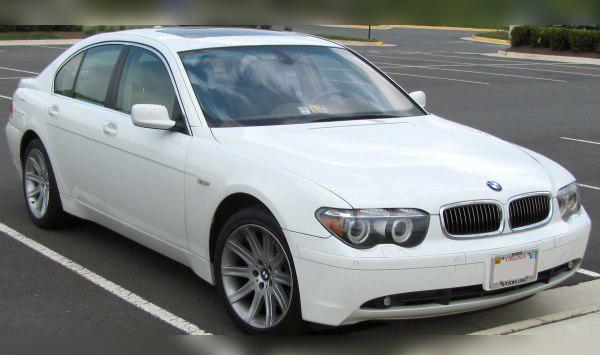
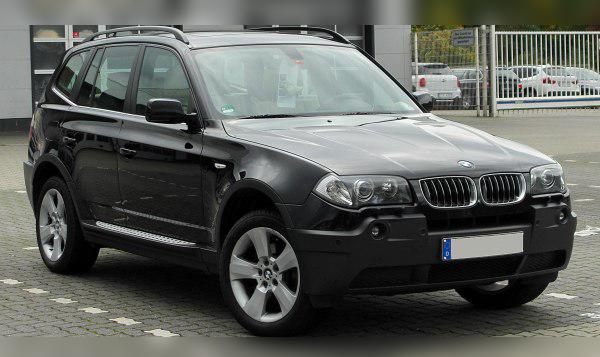
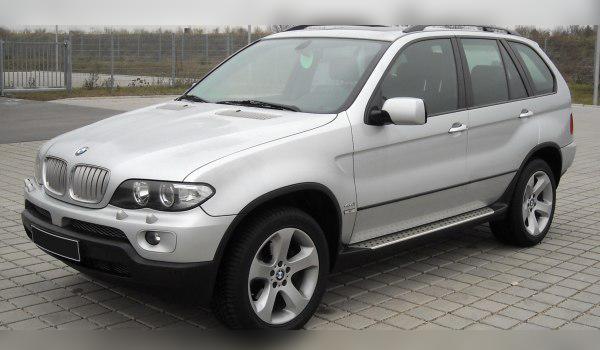
When people talk about reliable BMW engines, the designation M57 is mentioned with great respect. The version of this inline six‑cylinder diesel with a displacement of three litres and an output of 160 kW (218 HP) – technically known as M57TUD30 (Technical Update) – formed the backbone of BMW’s diesel lineup in the early and mid‑2000s. This engine was tasked with powering the heaviest and most prestigious models, including the bulky X5 (E53 LCI), the more agile X3 (E83) and the luxury cruiser 7 Series (E65). Its role was clear: to provide massive torque necessary for heavy SUVs and sedans, while offering refined operation and acceptable fuel consumption on long journeys.
Technical specifications
| Specification | Value |
|---|---|
| Displacement | 2993 cc |
| Power | 160 kW (218 HP) |
| Torque | 500 Nm |
| Engine codes | M57D30TU / M57TUD30 |
| Injection type | Common Rail direct injection |
| Induction | Variable geometry turbocharger, intercooler |
Reliability and maintenance
This engine uses a timing chain, not a belt. Unlike its notorious successor (the N47), the chain on the M57 is impressively durable. There is no fixed interval for a so‑called major service that includes chain replacement; it is replaced as needed, usually only when the first rattling noises appear, which rarely happens before 300,000 to 400,000 km, provided the engine has been regularly serviced. When the time comes to replace the chain along with the tensioners and guides, the job is considered expensive (depends on the market).
As for regular oil changes, this engine takes an impressive 7 to 7.5 litres of engine oil. Fully synthetic oil with a viscosity of 5W‑30 or 5W‑40 is recommended, and it must meet the BMW LL‑04 specification. High‑quality oil is the key to the longevity of the chain and turbocharger. Oil consumption between services (every 10,000 to 15,000 km) exists but is minimal; a loss of around 0.5 to at most 1 litre is considered normal for engines of this age and mileage. Anything above that is an indicator of failing turbo seals or worn piston rings, although the rings on this block rarely fail.
Specific components and most common failures
Problematic intake swirl flaps
The scariest weakness of this engine is the infamous intake manifold swirl flaps. Their role is to improve air swirl at low revs for better emissions, but over time the flap shafts weaken and break. When a flap falls directly into a cylinder, it causes catastrophic damage, destroying pistons, valves and damaging the cylinder head. There are virtually no symptoms before they break. That’s why most mechanics recommend removing them preventively and installing aluminium blanking plugs. This modification does not noticeably affect engine operation, but permanently eliminates the risk.
Crankshaft pulley and exhaust manifold
Another very common problem is the rubber section of the crankshaft pulley (vibration damper) cracking. Symptoms include strong vibrations at idle, strange noises from the front of the engine and the smell of burning rubber. If ignored, the pulley can completely fall apart. Also, the exhaust manifold is made of pressed sheet metal instead of cast iron as on older versions. Due to thermal shock, it often cracks, which manifests as a sharp exhaust smell in the cabin and a characteristic “hissing” sound when you press the accelerator.
Fuel system, DPF, EGR and AdBlue
The fuel system is based on a reliable Bosch Common Rail setup. The injectors are extremely robust. Their service life often exceeds 300,000 km. When they start to fail, symptoms include hard cold starts, rough idle, clouds of black smoke under acceleration and even vibrations while driving. Replacing or refurbishing all six injectors is quite expensive (depends on the market).
The engine uses a single large turbocharger with variable geometry. With regular oil and air filter changes (as well as the small oil‑vapour filter – the separator, which must be replaced regularly to prevent crankcase pressure build‑up that can destroy the turbo), the turbo easily lasts over 250,000 km.
In terms of emissions, the EGR valve often clogs with soot, which leads to power loss and illumination of the “Check Engine” light. Models with this power output (especially the E65 and E83 LCI) in many countries were equipped with a DPF filter. DPF clogging is extremely common if the car is used mainly for short city trips. It is important to note: this engine generation does not have an AdBlue system, which is one less headache for owners compared to more modern diesels.
Fuel consumption and performance
You can’t cheat physics. Although the M57D30 is efficient for its displacement, it has to move heavy chassis. In city driving, you should expect an X5 or 7 Series to consume between 11 and 13 l/100 km. The slightly lighter X3 can bring that average down to around 10 to 11 l/100 km.
Is the engine “lazy”? Absolutely not. With 500 Nm of torque available from as low as 2,000 rpm, it moves bodies weighing over two tonnes with ease. Acceleration is strong and linear, and the engine has no problem pulling the car under heavy load or on steep climbs.
Its true playground is the motorway. At 130 km/h, depending on the gearbox, the engine cruises at a relaxed 2,100 to 2,400 rpm. Under these conditions it is extremely quiet and smooth, and fuel consumption on the open road can drop to a very respectable 7.5 to 8.5 l/100 km.
Upgrades and modifications
This inline‑six is a favourite on the tuning scene. The engine block and internal components are heavily over‑engineered, which makes it very suitable for software modifications. A standard Stage 1 remap without any hardware changes safely raises power from the stock 218 HP to an impressive 260 to 270 HP, while torque jumps to over 600 Nm. The car becomes dramatically more responsive. However, it should be kept in mind that this power increase directly stresses the turbo and, more importantly, the drivetrain (gearbox and driveshafts).
Gearbox and drivetrain
With the 218 HP engine, BMW almost exclusively paired the X5 and 7 Series with a 6‑speed automatic gearbox (ZF 6HP). In the X3, you can also find a robust 6‑speed manual gearbox.
Manual gearbox
Versions with a manual gearbox use a dual‑mass flywheel, which is necessary to tame the brutal 500 Nm of torque. Due to the heavy vehicle and high torque, the dual‑mass flywheel is under huge stress and its failure is not uncommon (symptoms: shuddering when setting off, knocks when switching the engine off, heavy clutch pedal). A complete clutch kit with dual‑mass flywheel is very expensive (depends on the market).
Automatic gearbox (ZF 6HP)
The automatic does not have a dual‑mass flywheel in the classic sense, but uses a hydrodynamic torque converter. The main issues with these automatics are worn torque converters (symptom: fluctuating revs at steady speed on the open road) and problems with the mechatronics unit, which causes harsh shifts when changing from lower to higher gears. BMW once claimed that the gearbox oil is “lifetime”, which led to failures in many gearboxes. Experts agree that the automatic gearbox must be serviced and the oil replaced every 60,000 to 80,000 km. If maintained regularly, the ZF gearbox is excellent in terms of comfort and durability.
Buying used and conclusion
Buying a used BMW with this engine, given their age and real mileage (often over 400,000 km even if the odometer shows 180,000), requires a careful and thorough inspection.
What you must check
- Cold start: The engine should start instantly. If it cranks for a long time, blows a cloud of white or black smoke and runs unevenly for the first few minutes, the injectors or glow plugs are worn.
- Visual inspection and sound: Open the bonnet. If you smell exhaust fumes, the exhaust manifold is cracked. Listen to the front of the engine – squeaking and excessive vibrations indicate a failing crankshaft pulley.
- Swirl flaps: Your first question to the seller should be: “Have the intake swirl flaps been removed?” If not, that should be your first job at the mechanic after purchase.
- Diagnostics: Always connect the car to a professional diagnostic tool and check injector correction values under load, as well as DPF status (ash saturation).
Conclusion
The BMW M57D30 (218 HP) is a true old‑school diesel engine. It is intended for drivers who need raw power for heavy vehicles and for those who cover significant mileage on the open road. The engine itself, as a base, is virtually indestructible, but it is surrounded by expensive peripheral components. If you find a well‑maintained example and have a good mechanic ready to eliminate its “childhood diseases” (intake swirl flaps), you will get a fantastic powertrain that can easily cover half a million kilometres.