BMW M57D30TU2 325d (197 hp) – Experiences, issues, fuel consumption and used car buying guide
- One of BMW’s most reliable inline six-cylinder diesels, often described as indestructible.
- Equipped with a very durable timing chain located at the front of the engine.
- Because it’s detuned compared to the 330d, the components are less stressed and last longer.
- City fuel consumption is high by today’s standards, but on the open road it offers excellent efficiency.
- The main weak points are the peripherals: thermostats, the crankshaft pulley and the swirl flaps in the intake manifold.
- Offers excellent potential for safe remapping (Stage 1).
- An excellent choice for drivers who cover high motorway mileage.
Contents
- Introduction: The hidden gem of the 3 Series
- Technical specifications
- Reliability and maintenance
- Specific parts and costs
- Fuel consumption and performance
- Additional options and modifications
- Gearbox and drivetrain
- Buying used and conclusion
Introduction: The hidden gem of the 3 Series
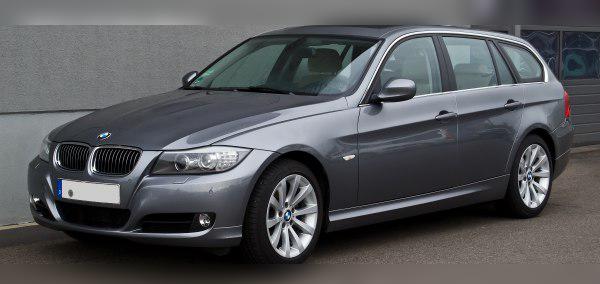
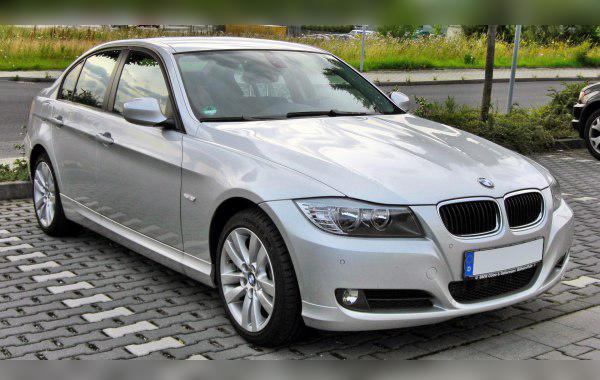
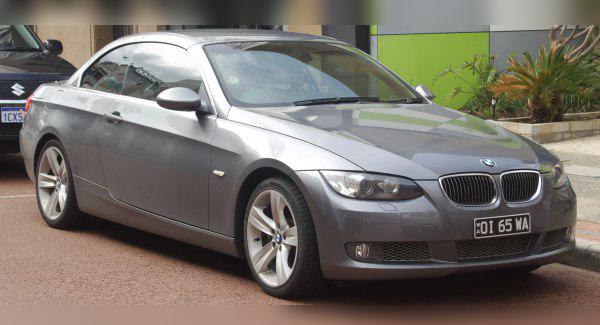
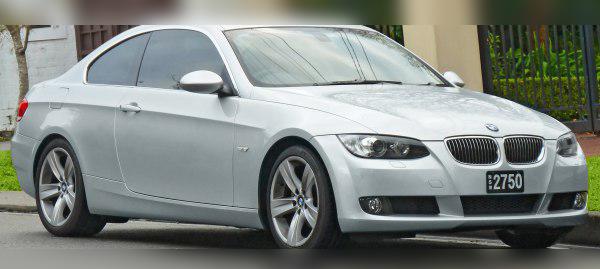
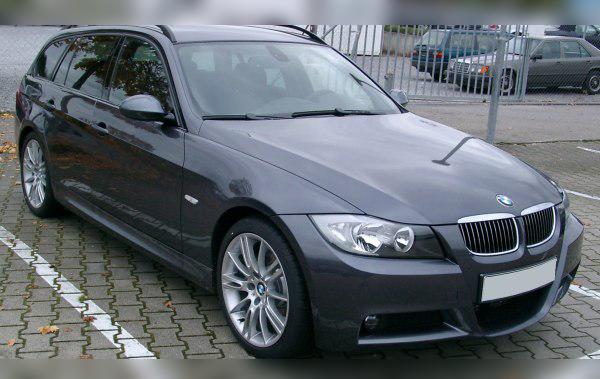
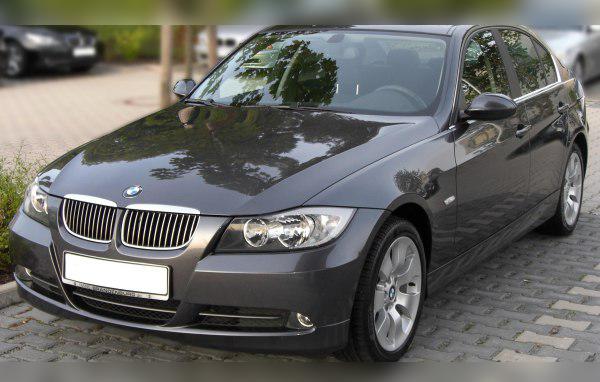
When the BMW E90 generation is mentioned (from the E90 sedan to the E93 convertible), most drivers immediately think of the two‑liter diesels or the mighty 330d. However, the 325d version with the engine code M57D30TU2 (more precisely M57TU2D30) represents the true golden middle ground. Installed both before and during the facelift (LCI), this three‑liter inline‑six has been software‑ and hardware‑tuned to 145 kW (197 hp). Since it shares its architecture with more powerful versions, this engine is “understressed”, which directly results in above‑average longevity. Whether it’s in a heavy touring (E91) or an elegant coupé (E92), it offers silky smooth operation, a strong sound for a diesel, and plenty of torque.
Technical specifications
| Characteristic | Data |
|---|---|
| Displacement | 2993 cc |
| Power | 145 kW (197 hp) |
| Torque | 400 Nm |
| Engine code | M57D30TU2 (M57TU2D30) |
| Injection type | Common Rail (Direct) |
| Charging | Turbocharger with intercooler |
Reliability and maintenance
Timing chain or belt and major service
This engine uses a chain to drive the camshafts. Unlike its notorious successor (N57), in M57 engines the chain is located at the front of the engine (closer to the radiator). It’s a massive, double‑row chain that is extremely reliable. Because of this, the classic “major service” in the sense of preventive replacement is not done at a set mileage. The chain can withstand over 400,000 km with regular oil changes. It is replaced only if a mechanic diagnoses stretching or if it starts to make a specific “rattling” noise on cold start.
Most common failures
The engine block and head themselves are virtually indestructible, but the peripherals suffer from age:
- Intake manifold swirl flaps: A well‑known BMW diesel issue. Over time, soot builds up, the shafts lose their seating, and there is a risk of a flap breaking off and falling into a cylinder, which leads to engine destruction. Most owners solve this preventively by removing the flaps and installing aluminum blanking plates.
- Thermostats: The engine has two thermostats (main and EGR thermostat). They often fail in the open position. The engine cannot reach operating temperature (around 88–92 °C), which is hard for the driver to notice because the E90 does not have a classic temperature gauge on the cluster (it must be monitored via the hidden menu in the on‑board computer). Due to the low temperature, the DPF cannot regenerate and clogs quickly.
- Crankshaft pulley: Due to the high torque, the rubber damper in the pulley deteriorates. Symptoms are strong vibrations at idle, a rough noise when switching the engine off, and a burning rubber smell.
Engine oil
The lubrication system is massive. This engine takes between 7.2 and 7.5 liters of oil (depending on the filter and drainage). Fully synthetic 5W‑30 oil that meets the BMW LL‑04 specification is recommended (important because of the DPF). Factory‑recommended 30,000 km change intervals are disastrous for the turbo and chain; optimally, oil should be changed every 10,000 to a maximum of 15,000 km.
This engine should not consume noticeable amounts of oil. Consumption of 0.3 to 0.5 liters between services is acceptable and is often the result of a worn oil separator (PCV valve). If it consumes more, the problem usually lies in the turbo itself leaking oil into the intake, and less often in the piston rings.
Injection system and injector lifespan
As a modern Common Rail diesel, it is equipped with advanced injectors. The injectors on the 197 hp version have proven to be extremely robust. With good‑quality fuel, they usually last over 250,000 to 300,000 km without issues. When they start to fail, the symptoms are: rough idle (engine shaking), extended cranking when starting, increased black or grey smoke from the exhaust (if the DPF has been removed) and a ticking noise under acceleration. Injector refurbishment is expensive (depends on the market).
Specific parts and costs
Dual‑mass flywheel
Versions with a manual gearbox have a dual‑mass flywheel. Its job is to absorb the massive 400 Nm of torque and smooth out the six‑cylinder’s operation. In city driving, combined with poor clutch‑use habits, it can fail as early as 150,000 km, while on the open road it can last twice as long. A clutch kit with dual‑mass flywheel is very expensive (depends on the market).
Turbocharger
The engine has a single turbocharger with variable geometry (VGT). Since the engine is detuned compared to the 330d, the turbo does not operate at its absolute limits and is extremely durable. Problems arise solely due to irregular oil changes or a clogged DPF that creates exhaust backpressure and destroys the turbo bearings. Turbocharger refurbishment is a regular but noticeable maintenance cost.
EGR and DPF
All models with this engine are equipped with an EGR valve and a DPF particulate filter. Urban driving conditions are deadly for these components. The EGR valve clogs with soot, which causes jerking at low revs. The DPF fails due to city driving or the aforementioned thermostat issues. Replacing the DPF with a new one is very expensive (depends on the market), so owners often opt for professional cleaning.
AdBlue system
This model and this engine generation (E9x series) do not have an AdBlue system. This is a big advantage, as it spares the buyer from a complex system of pumps and heaters for the SCR catalyst that causes headaches on newer generations of vehicles.
Fuel consumption and performance
Real‑world fuel consumption
You can’t cheat physics: three liters of displacement and a vehicle weight of over 1.6 tons take their toll in city driving, where consumption rarely drops below 8.5 to 10.5 l/100 km (with the automatic gearbox it usually leans towards the upper limit). However, country roads and motorways are its natural habitat. On the open road it uses between 5.5 and 6.5 l/100 km.
Dynamics and motorway driving
The engine is definitely not sluggish. With 400 Nm available from low revs, it moves the bodywork effortlessly. Acceleration is linear, and the engine does not have the “turbo lag” typical of older diesels. On the motorway it is a true cruiser. At 130 km/h in sixth gear, the engine spins at a very relaxed ~2,000 to 2,200 rpm. The drive is extremely quiet, the engine note is refined and deep, far more cultured than the four‑cylinder (2.0d) units.
Additional options and modifications
Remapping (Stage 1)
The M57D30TU2 in 325d guise is one of the most rewarding engines for chiptuning on the market. Since the engine block, injectors and much of the hardware are identical or very similar to the 330d, a basic remap (Stage 1) without any hardware changes easily and safely raises power to around 240 to 250 hp, with torque exceeding 500 Nm. If the car is healthy and regularly maintained, such an increase will not shorten the lifespan of the engine or turbo, while it drastically changes the driving dynamics.
Gearbox and drivetrain
Types of gearboxes and maintenance
The car came with a 6‑speed manual gearbox and the famous ZF 6‑speed automatic gearbox (Steptronic).
- Manual gearbox: The gearbox itself is almost unbreakable. Failures are limited to wear items (clutch kit and dual‑mass flywheel). Symptoms of a bad flywheel are a dull thud when starting and stopping the engine, vibrations in the clutch pedal at mid‑travel, and juddering when pulling away.
- Automatic gearbox (ZF6HP): One of the best automatics of its time, fast and reliable. However, BMW claimed that the oil in it is “lifetime” (does not need changing), which is not true. The gearbox manufacturer (ZF) strictly prescribes changing the oil and the pan with integrated filter every 80,000 to 100,000 km. Regular gearbox servicing is not expensive compared to repairs, but it does require a specialist (depends on the market). The most common symptoms of failure are harsh shifts (jerking) from first to second gear, fluctuating revs when driving on cruise control (torque converter issue) and oil leaks from the pan.
Buying used and conclusion
What to check when buying?
- Cold start: The car should start “on half a turn”. Engine shaking, rough running or bluish/grey smoke indicate injector issues or a glow plug control module fault (a very common problem, the glow plug relay fails and takes a couple of glow plugs with it).
- Hidden menu (temperature): During the test drive, be sure to open the hidden menu on the instrument cluster. Coolant temperature must reach around 90 °C. If it stays at 70–75 °C, the thermostats are faulty and the DPF is likely full of soot.
- Noise from the front: While the car is idling with the bonnet open, pay attention to strong vibrations or squeaking from the front of the engine – this is a sign that the crankshaft pulley needs urgent replacement.
- Turbo: Turbo whine while the engine is cold is normal, but if the car sounds like a police siren even when warm, the turbo is due for a rebuild.
Final conclusion
The M57 engine in the 325d 197 hp version is one of the most rational choices for BMW enthusiasts. It offers the refinement, sound and power of a big straight‑six, with lower maintenance and registration costs (where the law differentiates) compared to the 330d, and significantly better chain reliability and longevity than the N57 units that succeeded it.
Who is it for? This car is not for short trips to the corner shop. It is ideal for drivers who regularly cruise on open roads and motorways, for long journeys, and for people who know how to appreciate the mechanical robustness of true six‑cylinder engineering, while being aware that a premium car over 10 years old requires a proportional budget for proper maintenance.