BMW M57D30TU2 (231 HP): Experiences, Problems, Fuel Consumption and Used Car Buying Tips
Key points (TL;DR)
- Legendary durability: Considered one of the best and longest-lasting six-cylinder diesel engines in the history of the automotive industry.
- Timing drive: Uses a chain mounted at the front and is very reliable, but it should be inspected after 250,000 km.
- Main weaknesses: Failure of the intake manifold swirl flaps and thermostat failure, which leads to clogging of the DPF filter.
- Performance and fuel consumption: With 500 Nm of torque it delivers fantastic acceleration, while fuel consumption in city driving is around 8 to 10 l/100 km.
- Tuning potential: The engine responds incredibly well to a remap (Stage 1), easily reaching over 270 HP without compromising reliability.
- Maintenance: Regular changes of high-quality oil and servicing of the ZF automatic transmission are the key to longevity. Costs are in the premium-class range.
Contents
- Introduction: An icon of diesel engineering
- Technical specifications
- Reliability and maintenance
- Specific parts and costs
- Fuel consumption and performance
- Additional options and modifications
- Transmission: Manual and automatic
- Buying used and conclusion
Introduction: An icon of diesel engineering
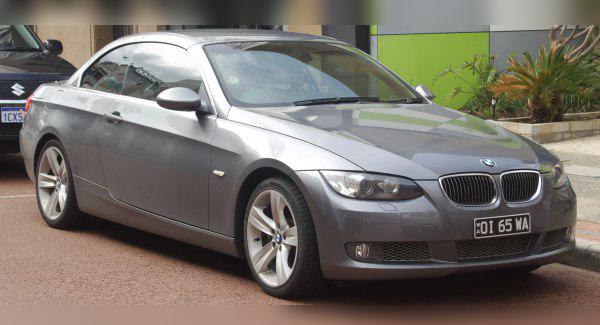
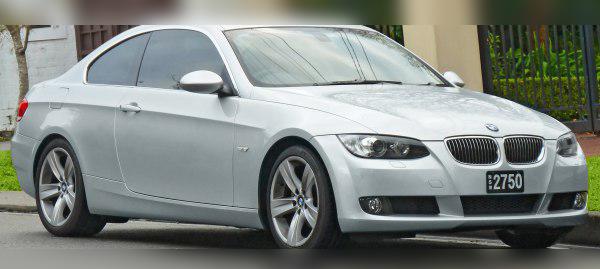
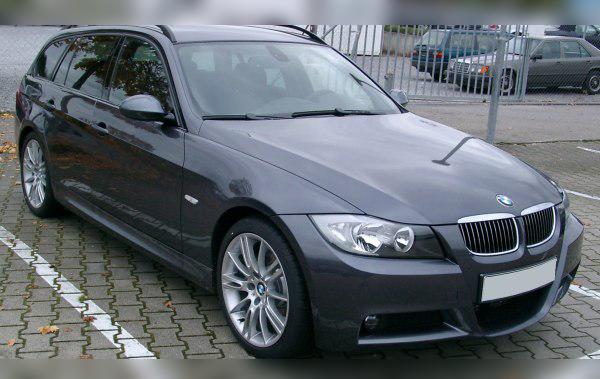
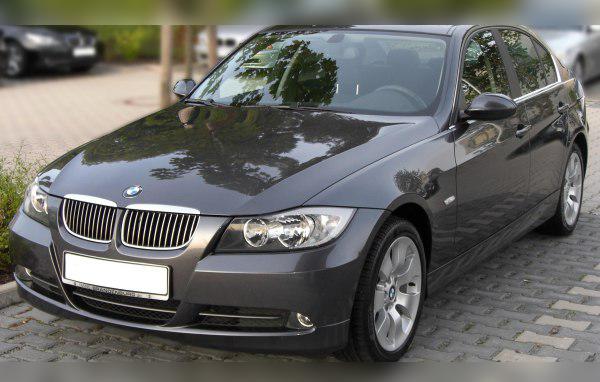
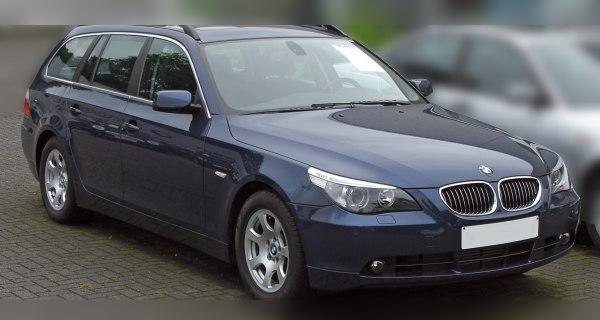
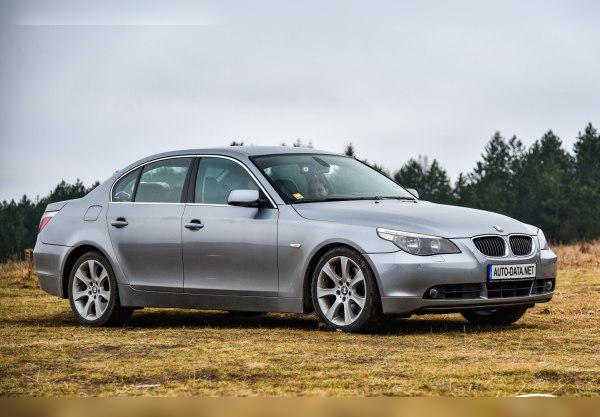
BMW’s inline six-cylinder diesel designated M57D30TU2 (where TU2 denotes the second technical revision) represents the pinnacle of the evolution of the famous M57 family. Introduced in an era when diesels dominated European highways, this engine with an all-aluminum block replaced the older cast-iron versions. It was installed in key models – from the agile 3 Series (E90/E91/E92/E93) to the comfortable 5 Series (E60/E61), including the popular xDrive all-wheel-drive versions. Thanks to its perfect balance of raw power, smooth operation and reasonable fuel consumption, this engine became an absolute favorite among drivers who cover high mileages.
Technical specifications
| Parameter | Value |
|---|---|
| Engine displacement | 2993 cc |
| Power | 170 kW (231 HP) |
| Torque | 500 Nm |
| Engine codes | M57D30TU2 / M57T2D30 |
| Injection type | Common Rail (Bosch) |
| Turbo/Naturally aspirated | Turbocharger (VGT) and intercooler |
Reliability and maintenance
Timing belt or chain?
Unlike many competing engines, the M57D30TU2 uses a timing chain. The good news is that the chain is located at the front of the engine (unlike its notorious successor, the N57, where it is at the back), which significantly simplifies and reduces the cost of a potential replacement. The chain is robust and very rarely snaps without warning.
Most common failures
Although the engine is extremely reliable, it has its well-known weak points. The first and most dangerous issue is the intake manifold swirl flaps. They are used to improve emissions at low revs, but over time their shafts weaken. If a flap breaks off and falls into a cylinder, it leads to total engine destruction. There are no symptoms – which is why mechanics remove them preventively and install aluminum blanking plates.
The second common problem is cracking of the exhaust manifold (on versions with a sheet-metal manifold), which you will notice by a strong exhaust smell in the cabin and a whistling sound during acceleration.
Also, the crankshaft pulley (harmonic balancer) fails due to vibrations and age. Symptoms include rougher engine operation, knocking noises from the front of the engine and heavy steering if the pulley completely breaks and pulls off the auxiliary belt.
Major and minor service
A typical major service (timing belt replacement) does not exist here. The chain is usually inspected and replaced at around 250,000 to 300,000 km or when you hear a characteristic metallic rattle on cold start. Replacing the chain and the associated tensioners is recommended if you are buying a car with high and unknown mileage.
Oil and injectors
The engine takes a substantial 7.5 liters of oil. The recommended grade is exclusively 5W-30 that meets the BMW LL-04 specification due to the DPF filter. Minimal oil consumption between services is normal, usually around 0.2 to 0.5 liters per 10,000 km. If the engine consumes more than 1 liter per 10,000 km, it is time to suspect a failing turbocharger or valve stem seals.
As for fuel injection, it uses Bosch Common Rail injectors, which are very durable. Their average lifespan is between 200,000 and 300,000 km with good-quality fuel. When they start to wear out, you will notice rough idling, harder cold starts, increased black or grey smoke under hard acceleration and increased fuel consumption.
Specific parts (costs)
Clutch system and flywheel
Versions with a manual transmission ALWAYS have a dual-mass flywheel. Its job is to smooth out the massive shocks from 500 Nm of torque. Replacing the complete clutch and flywheel set is: Very expensive (Depends on the market). Symptoms of wear are strong vibrations when setting off, thumps when switching the engine off and a heavy clutch pedal.
Turbocharger and emissions systems (DPF/EGR)
This engine version has a single turbocharger with variable geometry (VGT). It is very durable and usually lasts over 250,000 km without issues, provided the oil is changed on time (ideally every 10,000 to 15,000 km, and not at 30,000 km as BMW originally specified). The cost of turbocharger overhaul is: Not expensive (Depends on the market) compared to modern biturbo systems.
The DPF filter and EGR valve are obligatory companions of this engine and the most common sources of frustration in city driving. The EGR valve gets dirty and sticks due to soot. The DPF filter clogs, but the key cause is usually a faulty thermostat. Namely, if the engine does not reach operating temperature of around 90°C (which happens when the thermostat is stuck open), the ECU will not initiate the DPF regeneration process. The driver cannot see the coolant temperature on the instrument cluster (because BMW did not fit a gauge on these models), and continues driving with a “cold” engine until the DPF becomes completely blocked.
The good news: this engine does not have an AdBlue system, sparing you additional maintenance costs for urea heaters and pumps.
Fuel consumption and performance
How thirsty is a three-liter inline-six? In real life, city fuel consumption ranges between 8.5 and 10.5 l/100 km. If you drive a heavier 5 Series (E61 Touring) with xDrive, expect the upper end of that range. Still, for 231 HP and a weight of over 1.6 tons, this is a fantastic result.
This engine is absolutely not “lazy”. With 500 Nm available from just 1,750 rpm, it propels any body style with incredible ease. Acceleration is brutal, and in-gear acceleration is excellent for safe overtaking.
Its true home is the motorway. Thanks to long gear ratios, at 130 km/h the engine cruises at around 2,000 to 2,200 rpm (depending on the type of transmission). In these conditions, fuel consumption drops to a modest 6.0 to 7.0 l/100 km, and cabin noise is minimal, limited mostly to wind and tire noise.
Additional options and modifications
Since this is a diesel, LPG conversion is irrelevant. However, when it comes to tuning potential, the M57D30TU2 is a true legend. Chipping (Stage 1 remap) is extremely popular. The stock hardware can safely handle an increase to around 270 to 285 HP and over 600 Nm of torque. After a remap, the car gains a completely new driving dimension. Still, before remapping, always check the condition of the automatic transmission and the DPF backpressure, because aggressive software can finish off components that are already tired.
Transmission: Manual and automatic
This engine was paired with two types of transmissions: a 6-speed manual and a 6-speed automatic (the famous ZF 6HP, also known as Steptronic).
The manual gearbox is mechanically almost indestructible; failures inside the gearbox itself are extremely rare. The only major expense here is the aforementioned clutch and dual-mass flywheel set.
The automatic ZF 6HP transmission is generally excellent, but sensitive to maintenance. BMW once claimed that its oil is “lifetime”, which led to widespread failures before 200,000 km. The most common failures on the automatic include wear of the torque converter and issues with the mechatronics (solenoids). Symptoms of problems are harsh gear changes (kicks in the back), hesitation when engaging “R” or “D” and fluctuating revs (needle hunting) at steady speeds. An oil change in the transmission with the integrated filter-pan is mandatory every 80,000 to 100,000 km. The cost of servicing the transmission is: Expensive (Depends on the market), but worth every euro for the sake of reliability.
Buying used and conclusion
What to check before buying?
When looking at a used car with the M57D30TU2 engine, focus on the following:
- Cold start: Listen for chain rattle in the first second or two after starting.
- Smell under the bonnet and in the cabin: A strong exhaust smell indicates a cracked exhaust manifold.
- Hidden menu: Access the hidden menu on the instrument cluster and monitor coolant temperature while driving. It should be around 88–92°C. If it is around 70°C, the thermostats are faulty and the DPF is probably on its last legs.
- Diagnostics (Mandatory): Check injector correction values (ideally as close to zero as possible; anything over ±1.5 requires attention). Check the glow plug control module – on this engine the module often fails, causing hard cold starts and preventing DPF regeneration.
- Suspension condition: Due to the engine weight of around 200 kg, the front suspension and control arm bushes wear out more quickly.
Final conclusion
The BMW M57D30TU2 is undoubtedly one of the highest-quality engines of its time. It is intended for drivers who know what they want – top-notch driving dynamics and effortless cruising on long journeys, while accepting the fact that maintaining a premium car is not cheap. This is not an engine for “short hops to the corner shop”. If you give it regular servicing with quality parts and occasionally “blow it out” on the motorway, it will reward you with hundreds of thousands of kilometers of reliable driving and a smile on your face. If you buy a neglected example, be prepared for serious financial outlays.