Mini N16B16A engine (98 hp): Experiences, issues, fuel consumption and used-buying tips
- No turbocharger or direct injection: This significantly reduces maintenance costs compared to the more powerful Cooper and Cooper S versions.
- Problematic timing system: Although improved compared to the older N12, the timing chain still requires attention and preventive replacement.
- Increased oil consumption: A common issue caused by a faulty PCV valve or worn valve stem seals.
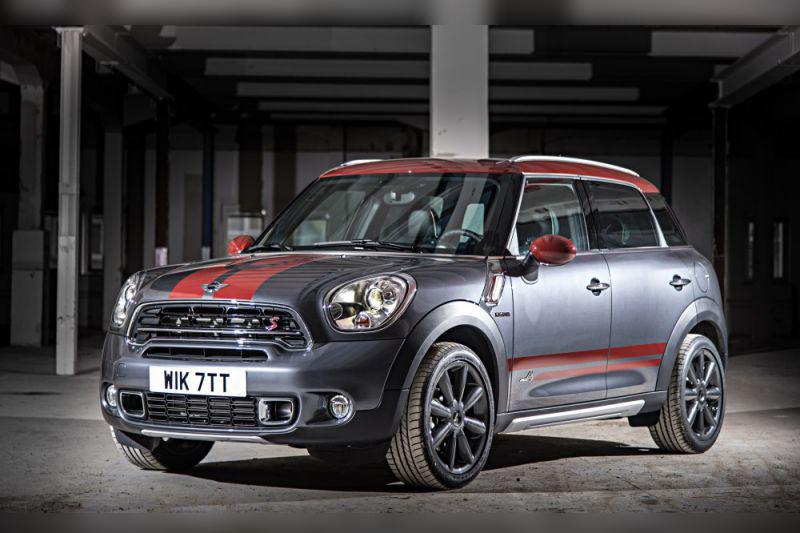
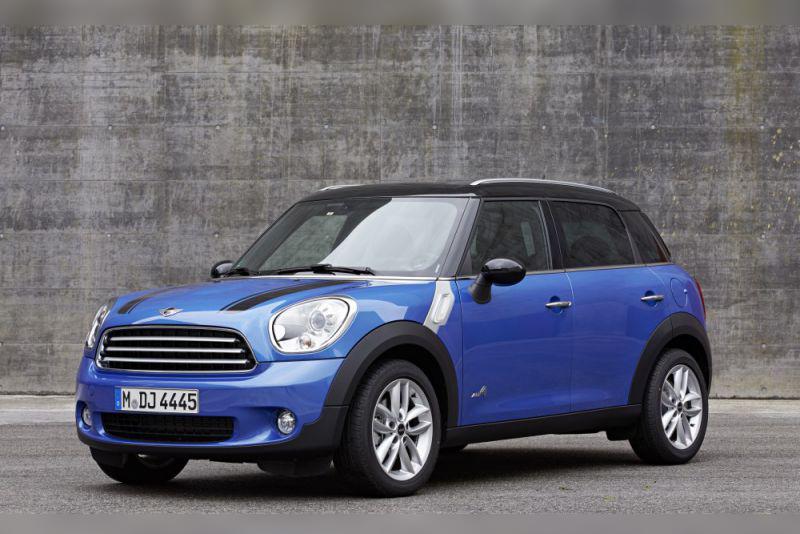
- Underpowered for heavier bodies: The engine is excellent for the Mini Hatch (R56), but noticeably "lazy" in Mini Countryman (R60) models.
- Excellent for LPG: Due to port (indirect) injection, installing an LPG system is simple and cost-effective.
- Gearboxes are reliable: Both the manual and the Aisin automatic gearboxes are trouble-free if serviced regularly.
Contents
- Introduction: Get to know the N16B16A
- Technical specifications
- Reliability and maintenance
- Specific parts (costs)
- Fuel consumption and performance
- Additional options and modifications
- Gearbox and drivetrain
- Buying used and conclusion
Introduction: Get to know the N16B16A
The engine designated N16B16A belongs to the famous (and often criticized) "Prince" engine family, developed in cooperation between BMW and the PSA Group. It was mostly installed in the "One" trim levels of Mini models from 2010 to 2014 (R56, R55, R57, R60). This unit is a naturally aspirated 1.6-liter version, without a turbocharger. Although it produces 98 hp (72 kW), its main advantage over the older N12 engine is that it addresses some of its early teething problems, although it has retained a few specific weaknesses every buyer should be aware of. If you are looking for a Mini for city driving and want to avoid the headaches that come with the "Cooper S", this is the engine you should consider.
Technical specifications
| Characteristic | Data |
|---|---|
| Displacement | 1598 cc |
| Power | 72 kW (98 hp) at 6000 rpm |
| Torque | 153 Nm at 3000 rpm |
| Engine code | N16B16A |
| Injection type | Port injection (Multi-point injection - MPI) |
| Aspiration | Naturally aspirated |
| Timing drive | Chain |
Reliability and maintenance
Maintaining this engine requires knowing its specifics, because neglecting small details on "Prince" engines quickly leads to serious failures.
Timing chain instead of timing belt
This engine uses a chain to drive the camshafts. Although in theory a chain should last as long as the engine itself, that is not the case with N16 engines. Due to the design of the tensioner and the materials used, the chain tends to stretch. Replacement of the chain together with the guides and tensioners is usually done between 100,000 and 150,000 km. Listen to the engine on a cold start – if you hear metallic rattling or "clattering" in the first few seconds, it is time to replace it. This job is relatively expensive (depends on the market).
Most common failures
Apart from the timing system, the weak points are the VANOS solenoids and the Valvetronic system (variable valve lift system). The solenoids get dirty if the oil is not changed on time, which leads to rough idle, loss of power and the "Check Engine" light coming on. There are also frequent oil leaks from the valve cover gasket and the oil filter housing.
Service intervals and engine oil
The traditional "major service" essentially comes down to replacing the timing chain kit (when it becomes noisy or as a preventive measure), while the auxiliary belt, rollers and tensioner are replaced at around 100,000 km. The engine takes about 4.2 liters of oil. The recommended viscosity is 5W-30 or 5W-40 (mandatory BMW LL-01 or LL-04 specification). Always do the minor service at a maximum of 10,000 to 12,000 km, never at 25,000 km as the factory specification often suggests, because old oil destroys the VANOS system.
Oil consumption
Yes, the N16 consumes oil between services. Due to its specific design, consumption of 0.2 to 0.5 liters per 1000 km is often considered "normal" by the manufacturer. In practice, if it consumes more than 1 liter per 3000 km, the problem usually lies in the PCV valve (oil vapor separator), which is integrated into the valve cover, or in worn valve stem seals. Piston rings are rarely the first to fail at this mileage.
Spark plugs
As a high-revving petrol engine, quality spark plugs are crucial for smooth operation. They are replaced every 40,000 to 60,000 km. Bad spark plugs put direct stress on the ignition coils, which also tend to fail on this model.
Specific parts (costs)
Unlike diesels and turbocharged petrol engines, this engine is spared the most expensive components of modern cars.
- Dual-mass flywheel: Good news! The 98 hp N16 engine combined with a manual gearbox most often uses a solid flywheel. This makes clutch kit replacement much cheaper. The price of the clutch kit is not high (depends on the market).
- Fuel injection system: The engine uses classic port (multi-point) fuel injection into the intake manifold. The injectors are extremely reliable, rarely fail and are not as sensitive to poor fuel quality as injectors on direct-injection engines.
- Turbocharger: The engine is naturally aspirated, which means it does not have a turbocharger. Therefore, there is no need to worry about turbo overhauls, oil leaks from turbo bearings or boost pressure loss.
- Emissions equipment (DPF, EGR, AdBlue): Since this is a petrol engine, it does not have a DPF filter or an AdBlue system. It does not have a conventional EGR valve that needs cleaning; exhaust gas recirculation is handled internally via the VANOS and Valvetronic systems. It has a standard catalytic converter, which generally outlives the engine itself unless the engine burns huge amounts of oil that would clog it.
Fuel consumption and performance
With its 98 hp and only 153 Nm of torque, this is not an engine for racing.
City fuel consumption
In real-world conditions, city driving in a Mini Hatch (R56) will be between 8 and 9 l/100 km. If the engine is in the heavier Countryman (R60) or paired with an automatic gearbox, consumption easily jumps to 10 l/100 km.
Body weight and "laziness"
The engine’s behavior depends heavily on the model it is installed in. In the small Mini Hatch (R56), it is perfectly adequate for everyday needs and city commutes. However, in the Mini Countryman (R60), which is significantly heavier and has more aerodynamic drag, this engine is distinctly "lazy". In the Countryman you will miss power with every overtaking maneuver on open roads, and the engine will constantly have to be revved high.
Behavior on the motorway
On the motorway the engine shows its limitations. At 130 km/h, depending on the gearbox ratios, the crankshaft spins at a relatively high 3,500 to 4,000 rpm. Because of this, the engine becomes noisy, and fuel consumption on the motorway is no lower than in the city (around 7.5 - 8.5 l/100 km). Cruising is possible, but dynamic acceleration from that speed is simply not an option.
Additional options and modifications
LPG conversion
Thanks to the multi-point injection, installing a sequential LPG system is very easy and cost-effective. The engine handles LPG very well and does not noticeably lose performance. The only things to watch are regular oil level checks and, given the Valvetronic system, occasional driving on petrol so the system remains lubricated and functional.
Remapping (Stage 1)
In short: It is not worth it. Since this is a naturally aspirated engine, so-called "chip tuning" can give you at most 5 to 8 hp, which is completely imperceptible in real driving. It is much wiser to invest that money in a major service and cooling system maintenance.
Gearbox
Two types of gearboxes were fitted to the N16B16A engine: a 6-speed manual (Getrag) and a 6-speed automatic (Aisin Steptronic).
Most common issues and maintenance
- Manual gearbox (6-speed): Very reliable. Problems may occur with the second and third gear synchros only if the car has been driven aggressively. It is recommended to change the oil in the manual gearbox at around 100,000 km to extend the life of the bearings and synchros. The clutch is light and pleasant in city driving, and the replacement cost is reasonable because, as mentioned, it usually has a solid flywheel.
- Automatic gearbox (Aisin, 6-speed): This is a conventional automatic with a torque converter. It is significantly more reliable than the old CVT gearboxes from the first-generation Mini. The most common issue is harsh shifting (jerking) from first to second gear, usually caused by a dirty valve body. To make the gearbox last, changing the oil and filter every 60,000 to 80,000 km is mandatory. Although BMW once claimed that this oil is "lifetime", workshop experience has proven otherwise.
Buying used and conclusion
What to check before buying?
Buying a Mini with this engine requires a cool head and a good mechanic. Be sure to check the following:
- Cold start: Ask the seller to keep the engine completely cold before you arrive. If, when starting, you hear a "grunting" or diesel-like sound that disappears after a few seconds, the timing chain is due for replacement.
- Blue smoke: Warm up the engine, let it idle for about 5 minutes, then give it a strong rev. If a cloud of blue smoke comes out of the exhaust, the engine is burning large amounts of oil (problem with valve stem seals or piston rings).
- Diagnostics: Reading fault codes is mandatory. Faults related to camshaft position, VANOS or "misfire" indicate expensive timing-related problems.
- Fluid leaks: Look under the engine. Pay attention to the thermostat housing (it is plastic and often cracks, causing coolant leaks) and the valve cover (oil often leaks onto the exhaust manifold, causing a burning smell in the cabin).
Final verdict
The 98 hp N16B16A is an ideal engine for someone who wants a Mini strictly for city driving in the lighter R56 body. The absence of a turbocharger, dual-mass flywheel and sensitive injectors makes it a much safer purchase than the Cooper S versions. However, you must be prepared for regular oil level checks and the inevitable cost of timing chain replacement if it has not already been done. On the other hand, if you are looking for a family car for longer trips and are leaning towards the Countryman, this engine is simply too weak and will make driving tiring. Find a well-maintained example with a known service history, and it will serve you excellently as a stylish city runabout.