N18B16A Engine (Mini Cooper S): Experiences, Problems, Fuel Consumption and Used Car Buying Tips
In short, the most important (TL;DR):
- Significantly more reliable than its predecessor: The N18B16A engine solves many of the “childhood diseases” of the notorious N14 engine, but still requires meticulous maintenance.
- Timing chain: It has a chain that is prone to stretching; replacement is usually done between 100,000 and 150,000 km.
- Oil consumption: Direct injection and a turbocharger take their toll – expect to top up oil between services.
- High-pressure fuel pump (HPFP): One of the most expensive and most common failures in this injection system.
- Performance: With 184 hp, this engine delivers a true “go-kart” feeling and handles every body style it’s installed in very well.
- Transmission maintenance: Regardless of whether it’s manual or automatic, regular transmission oil changes are mandatory.
Contents
- Introduction: Get to Know the N18B16A
- Technical Specifications
- Reliability and Maintenance
- Specific Parts and Costs
- Fuel Consumption and Performance
- Additional Options and Modifications
- Transmission and Drivetrain
- Buying Used and Conclusion
Introduction: Get to Know the N18B16A
When Mini (under BMW’s umbrella) realized that the previous N14 engine was causing too many headaches for owners and mechanics, an improved version entered the scene – the N18B16A. This 1.6-liter turbo petrol engine from the famous “Prince” family (developed in cooperation with the PSA group) brings serious improvements, primarily through the introduction of BMW’s Valvetronic system (variable valve lift) and an improved timing system design.
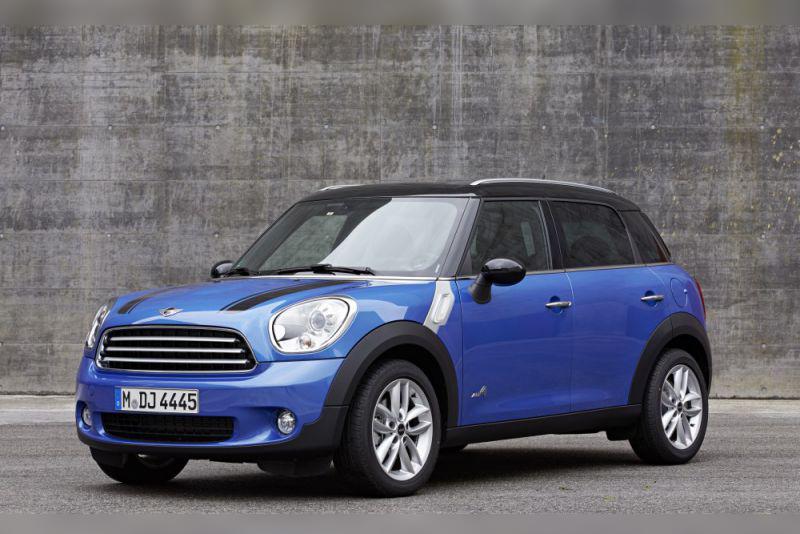
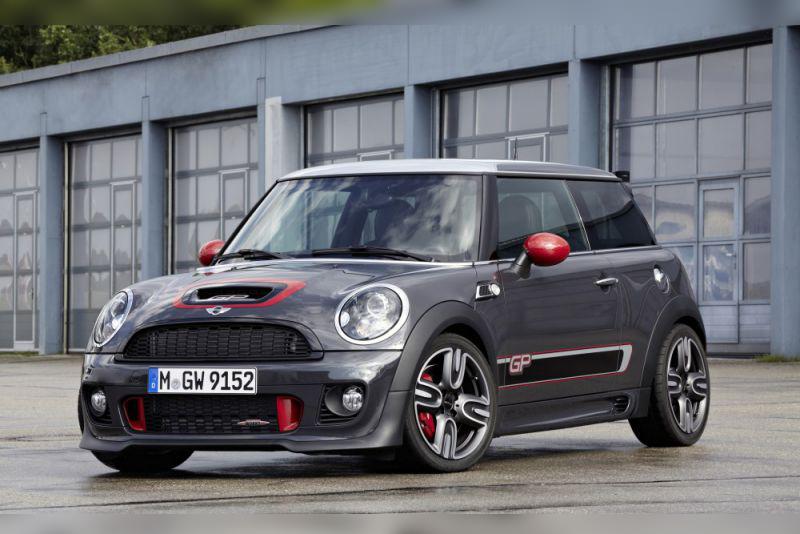
It was mostly installed in Cooper S versions from late 2010 up to 2016. You can find it under the bonnet of models such as the Mini Hatch (R56), the more practical Clubman (R55), the Cabriolet (R57), the more spacious Countryman (R60) and the sporty Roadster (R59). Although it allowed owners to sleep more peacefully, this is a high-revving turbo machine that does not forgive neglect. If you plan to drive a Cooper S, you have to think like a proper mechanic.
Technical Specifications
| Specification | Data |
|---|---|
| Engine code | N18B16A |
| Engine displacement | 1598 cc |
| Power | 135 kW (184 hp) |
| Torque | 260 Nm |
| Fuel type | Petrol (Gasoline) |
| Injection type | Direct injection |
| Charging | Twin-scroll turbocharger, intercooler |
Reliability and Maintenance
Timing chain or timing belt?
The N18B16A engine uses a timing chain. Although engineers strengthened the system compared to the problematic N14, the chain is still not eternal. Due to high temperatures and oil degradation, the plastic guides become brittle and the chain itself stretches. Symptoms: Rattling and “scraping” noises from the timing cover area at the first cold start in the morning, reminiscent of a diesel engine sound.
Most common failures and “major service”
Besides the chain, a very common problem is the plastic thermostat housing, which eventually cracks and causes coolant leaks. There is also the valve cover, which has the PCV valve (crankcase ventilation system) integrated into it. When the PCV fails, the engine starts drawing in and burning huge amounts of oil, and the only solution is to replace the entire cover, which is expensive (depends on the market).
A classic “major service” (in the sense of a scheduled timing belt replacement) does not exist here. However, in practice, the timing chain kit (chain, sprockets, tensioner, guides) is preventively replaced between 100,000 and 150,000 km, depending on driving style and oil change intervals.
Oil and spark plugs
The engine takes about 4.2 liters of oil. The recommended grade is 5W-30 or 0W-30 (BMW LL-04 specification is mandatory). Yes, this engine does consume oil between services. Direct injection and the turbo system require lubrication, so real-world consumption of 0.2 to 0.4 liters per 1000 km is considered normal (even though the manufacturer tolerates more). Because of this, you must check the dipstick every 1000 km. If it runs out of oil, both the turbo and the crankshaft will suffer.
Since this is a high-performance petrol engine with direct injection, the spark plugs are under heavy load. It is recommended to replace them every 40,000 to 60,000 km, and ignition coils are replaced as needed.
Specific Parts and Costs
Dual-mass flywheel and clutch
Yes, models equipped with a manual gearbox have a dual-mass flywheel. Its role is to dampen vibrations and the high torque (260 Nm) before it reaches the gearbox. Symptoms of wear are jerking when taking off, vibrations at idle and a dull thud when switching the engine off. Replacing the clutch kit and dual-mass flywheel is very expensive (depends on the market), so pay close attention to this when buying a used car.
Fuel injection system
The N18 uses direct petrol injection into the cylinder. The injectors themselves are not that problematic, but the high-pressure fuel pump (HPFP) is. When the HPFP starts to fail, the car will crank for a long time before starting, it will lose power under acceleration, and the “Check Engine” light will come on (low fuel pressure error). A new HPFP is a very expensive component. Also, due to direct injection, fuel does not wash the intake valves, which leads to carbon buildup on the valves. Cleaning the valves using the “walnut blasting” method (blasting with crushed walnut shells) is recommended every 80,000 km.
Turbocharger
The engine is equipped with a single but very efficient twin-scroll turbocharger (made by BorgWarner). Its lifespan is generally good (often over 150,000 km), provided that the oil is changed every 10,000 km and that the engine is left to idle for a minute before shutting it off so the turbo can cool down. If the engine blows blue smoke from the exhaust when you rev it, the turbo seals may be worn.
Emissions systems (DPF, EGR, AdBlue)
Since this is a petrol engine, it does not have a DPF filter or AdBlue system, which spares you the typical diesel troubles. There is no conventional EGR valve for exhaust gas recirculation; that role is taken over by the smart valve control system (Valvetronic) and the aforementioned PCV system in the valve cover which, as mentioned, can clog up and make the engine swallow its own oil.
Fuel Consumption and Performance
Real-world consumption and agility
Forget the brochure figures. In real-world city driving (stop-and-go), a Cooper S will use between 8.5 and 11 liters per 100 km (the Countryman ALL4 can go up to 12 liters in winter). On the open road, consumption drops to a reasonable 6 to 7 liters.
This engine is anything but sluggish. In smaller models (R56 Hatch) with 184 hp and a weight just over 1100 kg, acceleration is brutal and the steering is direct. Even in the heaviest model, the Mini Countryman (R60) with ALL4 all-wheel drive, 260 Nm of torque is more than enough for safe and quick overtakes.
On the motorway, at 130 km/h in sixth gear, the engine cruises at about 2,800 to 3,000 rpm (depending on body style and gearing). Sound insulation in the Mini’s cabin is average, so at those revs you will clearly hear the sporty engine and exhaust note.
Additional Options and Modifications
LPG conversion
Converting the N18B16A engine to run on LPG is not recommended and rarely makes financial sense. Because of the direct injection system, the injectors are located inside the combustion chamber. Standard LPG systems would cause the petrol injectors to overheat and melt, as petrol would no longer be cooling them. A specialized and very expensive liquid-phase LPG injection system is required, or a system that uses both LPG and petrol at the same time. For most drivers, this is a poor investment.
Chiptuning (Stage 1)
The engine block and turbocharger are very well sized for tuning. With a simple software remap (Stage 1), power can be safely raised from 184 hp to about 215 to 225 hp, with torque increasing to over 310 Nm. You will feel a huge difference in in-gear acceleration. However, before remapping, the engine must be in perfect condition (new chain, healthy HPFP and clean intake valves).
Transmission and Drivetrain
Manual and automatic gearboxes
This engine was paired with a 6-speed manual gearbox (made by Getrag) and a 6-speed automatic gearbox (made by Aisin, the well-known Japanese automatic, not a dual-clutch transmission).
Manual gearbox issues: The gearbox itself is robust, but the synchronizers for second and third gear can wear out if the previous owner shifted aggressively. As mentioned, the cost of replacing the clutch and dual-mass flywheel is quite high.
Automatic gearbox (Aisin) issues: A very reliable automatic, under one condition – regular oil changes. BMW often claimed that the transmission oil is “lifetime fill”, which is a big mistake. If the oil is not changed, metal shavings clog the solenoid valves in the valve body (mechatronics). Symptoms: A harsh thump (jerk) when engaging “D” or “R”, as well as jerking when shifting from second to third gear once the gearbox is warm.
Transmission service: Whether manual or automatic, servicing and oil changes are mandatory every 60,000 to 80,000 km.
Buying Used and Conclusion
What to check before buying?
If you are buying a Mini with the N18 engine, you must arrive at the dealer or owner while the engine is completely cold. Do not let the seller start the car before you get there.
- Noise at startup: Listen to the front right side of the engine. Chain rattle in the first few seconds means a timing chain service is due.
- Exhaust smoke: Have someone rev the engine while you watch the exhaust. Bluish smoke indicates oil consumption (valve stem seals, piston rings, turbo). Black smoke indicates an overly rich mixture (injection problem).
- Diagnostics: ALWAYS connect the car to a diagnostic tool and monitor fuel pressure at idle and under load. This will show you the condition of the HPFP before it completely fails.
- Clutch check: On manuals, listen for a dull thud when switching the engine off and for vibrations – this gives away a worn dual-mass flywheel.
Who is this engine for?
The N18B16A engine is not for drivers who want a car just to get from point A to point B with minimal maintenance. This is a machine for enthusiasts. Maintenance is not cheap, parts can be expensive, and there is zero tolerance for missed services.
However, if you are willing to regularly check the oil level, change the oil on time and maintain the fuel injection components, the N18 will reward you with fantastic dynamics, a phenomenal sound and a smile every time you dive aggressively into a corner. In short, you are buying the heart of a race car in civilian clothes.