Engine N47C20A (Mini Cooper SD 143 HP): Experiences, problems, fuel consumption and used-car buying tips
Key points in short (TL;DR)
- Timing chain: Located at the rear of the engine and is the biggest weak point; prone to stretching and breaking.
- Dynamics and performance: With 143 HP and 305 Nm, this engine turns lighter Mini models into genuine sports cars, while it also copes very well with heavier Countryman ALL4 models.
- Fuel consumption: Extremely economical on the open road, but sensitive to frequent city driving because of the DPF and EGR.
- Dual-mass flywheel: Present and requires attention when buying models with a manual gearbox.
- Maintenance: Requires strict adherence to service intervals (oil every 15,000 km max) to preserve the turbo and chain.
- Who is it for? Drivers who want excellent in-gear acceleration and a sporty feel, and who are prepared for potentially high costs of preventive chain replacement.
Contents
- Introduction: BMW heart in a British suit
- Technical specifications
- Reliability and maintenance: Debunking the myths
- Specific parts and costs: What tends to fail?
- Fuel consumption and performance: On the road and in the city
- Gearbox and power delivery
- Tuning and modifications (Stage 1)
- Buying used and final verdict
Introduction: BMW heart in a British suit
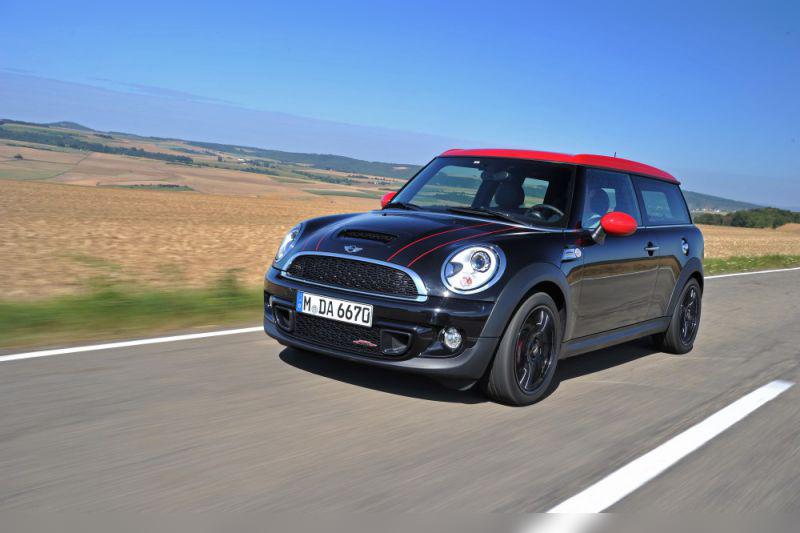
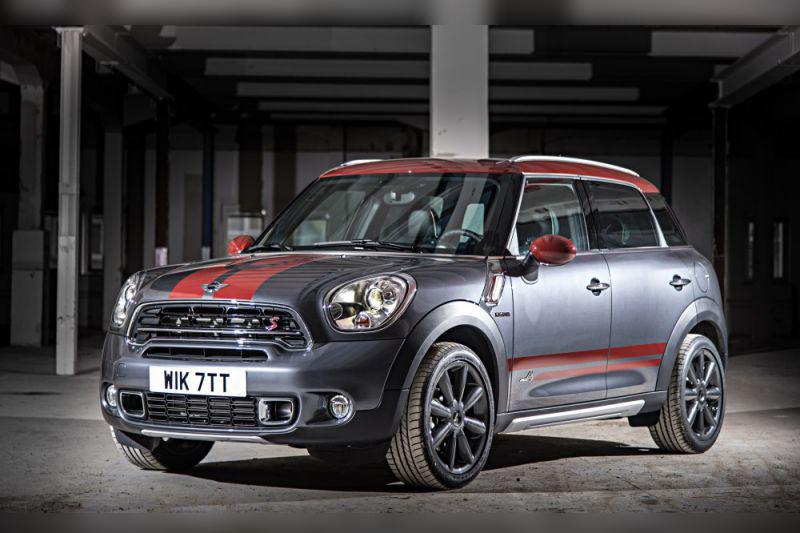
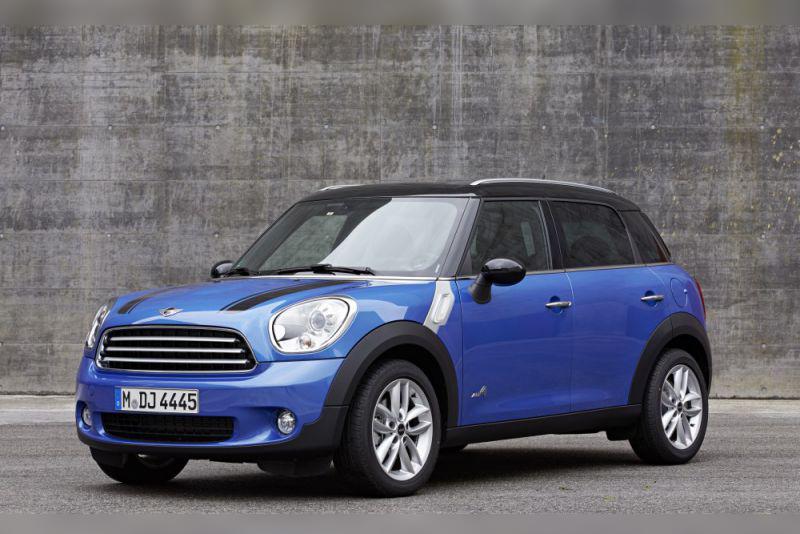
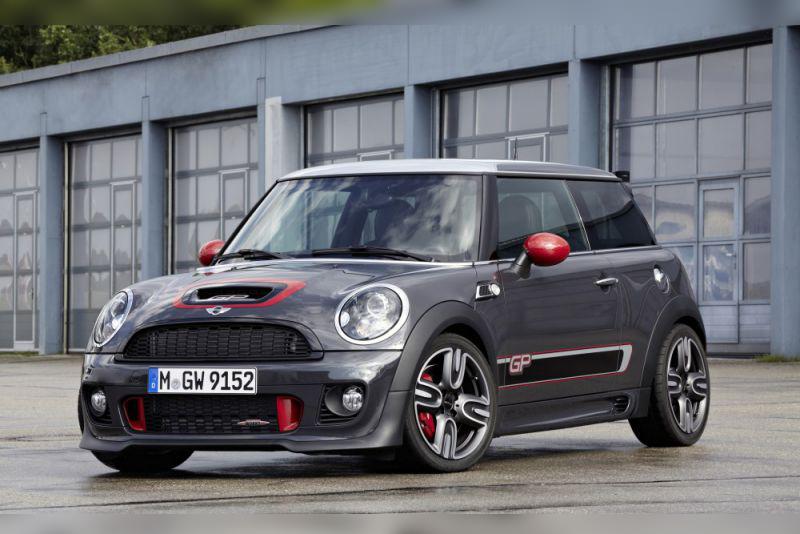
When Mini introduced the Cooper SD models (Hatch, Clubman, Countryman, Paceman, Cabrio, Roadster), the goal was clear: offer the performance of the Cooper S models, but with diesel economy. The result was the implementation of the engine designated N47C20A. This is the well-known, and at the same time controversial, BMW 2.0‑liter turbo diesel engine from the N47 family, adapted for transverse installation in Mini vehicles.
This engine revolutionized Mini’s diesel lineup, providing serious torque that delivers excellent in-gear acceleration. However, the engine’s origins also bring specific technical challenges that every potential owner must be aware of before deciding to buy.
Technical specifications
| Parameter | Value |
|---|---|
| Engine displacement | 1995 cc |
| Power | 105 kW (143 HP) |
| Torque | 305 Nm |
| Engine code | N47C20A |
| Injection type | Common-rail direct injection (Bosch) |
| Charging system | Turbocharger with variable geometry (VGT) and intercooler |
| Fuel type | Diesel |
Reliability and maintenance: Debunking the myths
Problematic chain – The major service question
The thing every buyer is most interested in is the timing system. The N47C20A engine uses a timing chain to drive the camshafts, not a timing belt. The problem with the N47 generation is that the chain is located at the rear of the engine, right next to the gearbox. Due to a design flaw in the guides and tensioners, the chain is prone to stretching.
The manufacturer does not specify an exact interval for the so‑called major service (chain replacement), claiming it is “lifetime” (for the entire service life of the vehicle). In practice, however, the opposite has proven true. Symptoms of chain stretch (rattling on cold start or scraping noise at around 1500 rpm) usually appear between 150,000 and 200,000 km. If the chain breaks, it causes severe engine damage (bent valves, broken rockers). Chain replacement as a preventive measure falls into the category: very expensive (depends on the market), because it requires removing the entire engine or dropping the gearbox and front subframe.
Oil: The engine’s lifeblood
This engine takes about 5.2 liters of engine oil. The recommended grade is 5W‑30 that must meet the BMW LL‑04 (LongLife‑04) specification because of the DPF filter. Although the manufacturer states service intervals of 30,000 km, any experienced mechanic will tell you to change the oil every 10,000 to 15,000 km at most. Long intervals degrade the oil, which directly shortens the life of the chain and turbo.
As for oil consumption, a healthy N47 uses very little. Up to 1 liter between two services (over 10,000 km) is considered normal. If the car consumes more, the problem may be the oil separator (PCV valve), a worn turbo, or worn piston rings.
Injection system
Being a diesel, it uses the proven Bosch common‑rail system. The injectors have proven to be very durable, provided you use quality fuel and change the fuel filter regularly. Their average lifespan is around 200,000 to 250,000 km. Symptoms of worn injectors include rough idle (fluctuating revs), increased black smoke from the exhaust under load, hard cold starts, and louder ticking under acceleration.
Specific parts and costs: What tends to fail?
Turbocharger
The engine has a single turbocharger with variable geometry (VGT). Its lifespan is directly linked to oil quality and driving style (it is important to “cool down” the turbo by letting the engine idle for a couple of minutes after hard driving before switching off). Turbo overhaul or replacement falls into the category: expensive (depends on the market). The most common issue is clogged geometry due to predominantly city driving, which causes overboost and puts the car into limp mode (safe mode).
DPF, EGR and AdBlue
The engine is equipped with a DPF filter and an EGR valve. They are the biggest enemies of this engine if the car is driven exclusively on short city trips. The EGR valve quickly clogs with soot, causing jerking while driving and engine stalling. The DPF filter requires open‑road driving (over 2500 rpm for at least about 20 minutes) to perform passive regeneration. A clogged DPF raises the oil level in the sump by mixing it with diesel, which can destroy the engine.
Important: The vast majority of N47C20A engines in these Mini generations (Euro 5) do not have an AdBlue system (SCR catalyst). That’s one less thing to worry about compared to newer generations of diesels, avoiding issues with AdBlue heaters and pumps.
Fuel consumption and performance: On the road and in the city
Thanks to the hefty torque of 305 Nm, this engine is anything but sluggish. In models like the Mini Hatch (R56), it’s a real little rocket. In heavier models such as the Countryman or Paceman with ALL4 (all‑wheel drive), the engine copes quite well with the extra weight, allowing safe overtakes without the need for frequent downshifts.
Real‑world fuel consumption:
- In city conditions: Expect between 6.5 and 8.0 l/100 km. Lighter models (Hatch/Coupe) are closer to the lower end, while a heavy Countryman ALL4 with automatic gearbox in rush‑hour traffic will exceed 8 liters.
- On open roads and secondary highways: It can go down to an impressive 4.5 l/100 km.
On the motorway, aerodynamics (especially on the Countryman) play a role, but the engine shines. At a cruising speed of 130 km/h, the engine spins at about 2,200 to 2,400 rpm (depending on the gearbox). In the cabin it is relatively quiet for a diesel, and the power reserve for acceleration up to 160 km/h is instantly available.
Gearbox and power delivery
With this engine, Mini offers both manual (6‑speed) and automatic gearboxes.
Manual gearbox and dual-mass flywheel
The manual gearboxes are precise and durable, but the powertrain hides the biggest expense – the dual‑mass flywheel. Due to the high torque, the flywheel is subjected to heavy loads. Its lifespan is between 150,000 and 200,000 km. Symptoms of wear include harsh engine shut‑off accompanied by a metallic knock, strong vibrations at idle, and shuddering of the whole car when moving off in first gear. Replacing the clutch kit together with the dual‑mass flywheel is: very expensive (depends on the market).
Automatic gearbox
The automatic gearbox is a six‑speed Aisin unit (standard torque converter, not a dual‑clutch transmission). It is very reliable if properly maintained. The biggest issue is jerking when shifting from 2nd to 3rd gear, which indicates a problem with the valve body (hydraulic control unit). For the gearbox to last, the oil and filter must be changed every 60,000 to 80,000 km. Do not believe the stories about lifetime gearbox oil!
Tuning and modifications (Stage 1)
As an engine that is factory “detuned” to keep its distance from more powerful BMW models, the N47C20A has excellent potential for remapping (ECU tuning). A safe Stage 1 tune raises power from 143 HP to approximately 180 to 190 HP, while torque jumps from 305 Nm to a serious 380 to 400 Nm.
Warning: Before such a modification, it is essential to make sure the timing chain is in perfect condition, and if you drive a manual, keep in mind that the additional torque significantly shortens the lifespan of the dual‑mass flywheel and clutch.
Buying used and final verdict
What to check when buying?
- Cold start sound test: The seller must not warm up the car before you arrive. At the first morning start, listen to the engine. If you hear a sharp metallic noise, rattling or scraping that lasts a few seconds or longer, the chain is due for immediate replacement.
- DPF check: Do not rely on the warning light on the dashboard. Plug in an OBD diagnostic tool and check the differential pressure in the DPF, as well as the date of the last successful regeneration.
- Vibrations: Try moving off with light throttle; jerking indicates a worn flywheel. On automatics, pay attention to how smoothly it shifts from P to D and R (there should be no harsh knocks).
- Exhaust smoke: Bluish smoke at idle points to the turbo or valve stem seals, while black smoke under full throttle means a clogged EGR, injector issues, or an intercooler hose problem.
Conclusion: Should you buy a Mini with the N47C20A engine?
This engine is a fantastic driver’s tool. In Mini vehicles it offers a winning combination of “kart‑like” handling, strong acceleration and low fuel consumption. However, it is definitely not for buyers with a tight maintenance budget.
Buying a used car with this engine is fully justified under one condition: that you have a reserve budget set aside to replace the timing chain immediately after purchase (unless the seller has valid proof/invoice that the job has recently been done properly). If you are looking for a reliable city car for 2–3 km trips a day, skip this diesel and look for a petrol. But if you drive a mix of routes, enjoy long journeys and dynamic driving, the Mini Cooper SD will put a smile on your face every time you step on the throttle.