BMW 2.0d N47D20C (177 HP) – Experiences, problems, fuel consumption and used-car buying tips
- Excellent balance of performance and low fuel consumption, ideal for long-distance driving.
- The timing chain is located at the rear of the engine and is the most notorious weak point of this unit.
- High torque of 350 Nm provides great acceleration and dynamic driving.
- DPF and EGR systems are very sensitive to exclusively city driving and require occasional highway runs.
- Timing chain and dual-mass flywheel replacement are major maintenance expenses.
- Before purchase, a professional inspection of chain noise on cold start and injector diagnostics is mandatory.
Contents
- Introduction: Get to know the N47D20C
- Technical specifications
- Reliability and maintenance
- Specific parts and costs
- Fuel consumption and performance
- Additional options and modifications
- Gearbox and drivetrain
- Buying used and conclusion
Introduction: Get to know the N47D20C
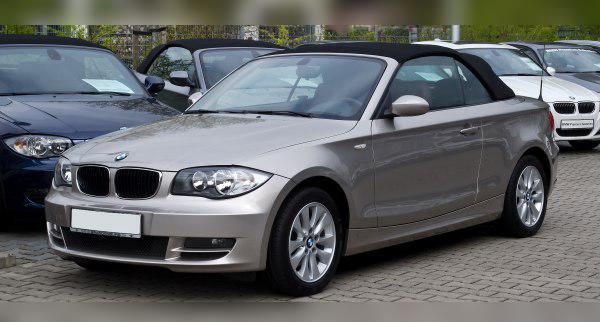
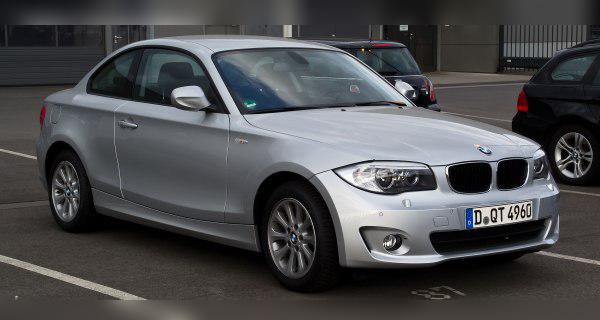
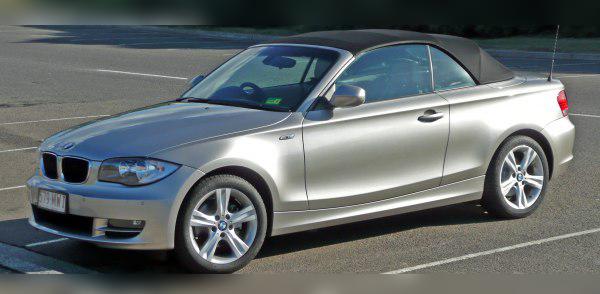
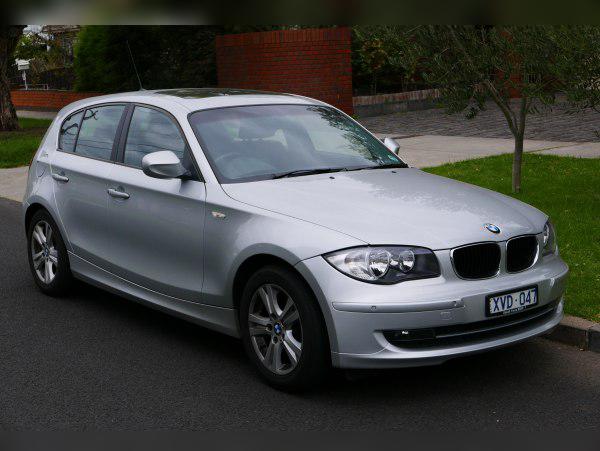
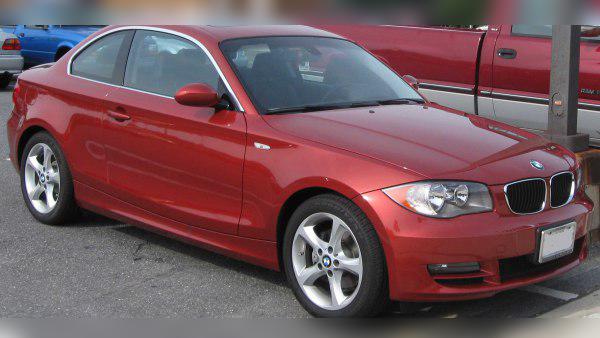
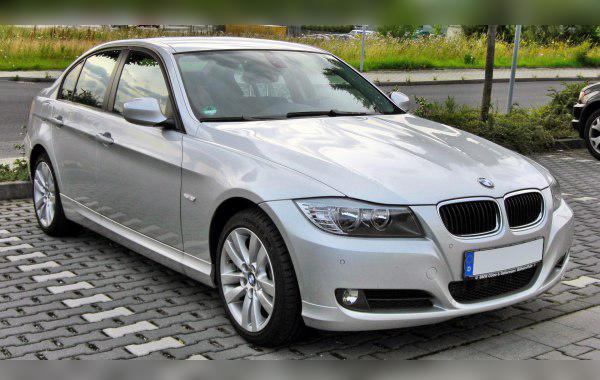
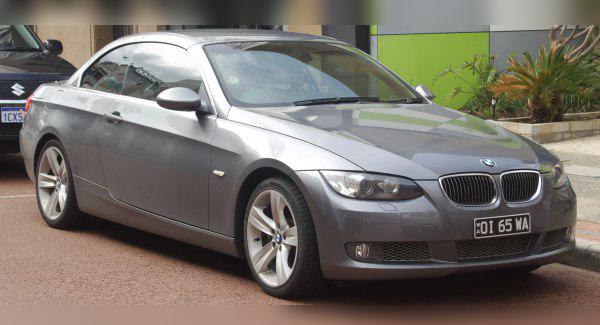
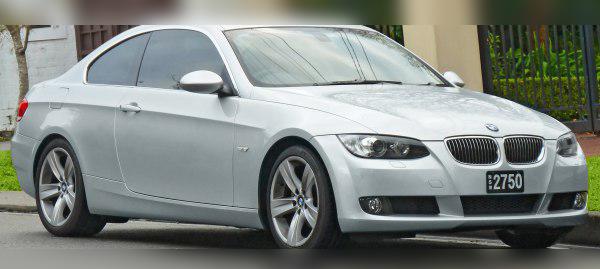
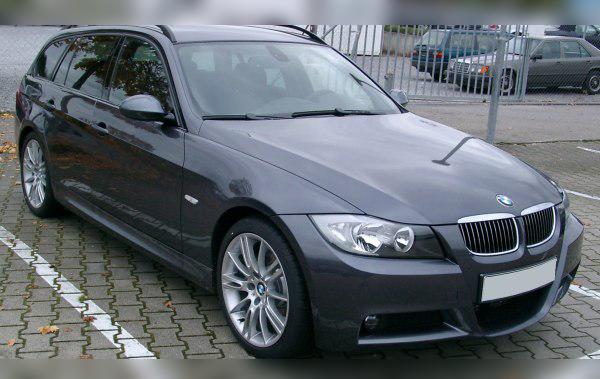
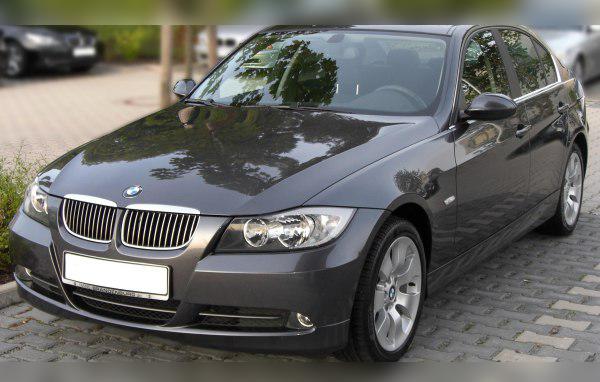
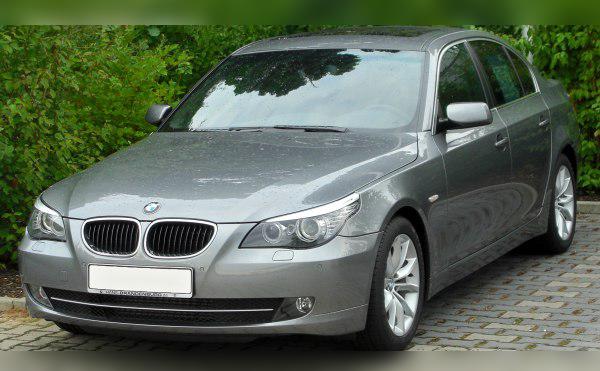
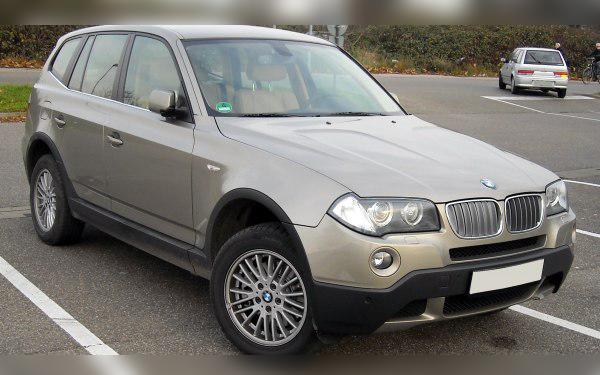
BMW’s engine designated N47D20C, known for delivering 130 kW, i.e. 177 HP, is one of the most widely used units in the modern history of the Bavarian manufacturer. It replaced the older M47 generation, brought an aluminum engine block, significantly lower fuel consumption and more power, but also some engineering decisions that gave mechanics across Europe serious headaches. This engine powered almost the entire range: from the compact 1 Series (E81, E82, E87, E88), through the popular 3 Series (E90, E91, E92, E93) and executive 5 Series (E60, E61), all the way to SUVs such as the X1 (E84) and X3 (E83). Although it offers a top-notch driving experience, its reputation on the used market is closely tied to how it has been maintained, so buying one requires caution and knowledge.
Technical specifications
| Parameter | Specification |
|---|---|
| Displacement | 1995 cc |
| Power | 130 kW (177 HP) |
| Torque | 350 Nm |
| Engine code | N47D20C |
| Injection type | Common Rail direct injection |
| Charging | Turbocharger (VGT), intercooler |
Reliability and maintenance
This engine uses a chain, not a timing belt. However, with the N47 engines BMW made the controversial decision to place the entire timing assembly (chains, tensioners, guides) at the rear of the engine, right next to the firewall and gearbox. Because of this, any intervention on the timing system is extremely complicated.
Most common failures and major service
The most common and most infamous failure of this engine is precisely timing chain stretch, which in the worst-case scenario can lead to chain breakage and complete engine destruction. In theory, the major service (chain replacement) is not done at a fixed mileage, but the experience of seasoned mechanics suggests that this should be done preventively between 150,000 km and 180,000 km. Drivers can usually notice the problem by a specific “rattling” or rhythmic scraping sound coming from the rear of the engine on cold start or at around 1500 rpm. Because the engine has to be removed or the gearbox dropped, this service is very expensive (depends on the market).
Oil and injectors
The N47D20C takes about 5.2 liters of engine oil, and it is strongly recommended to use fully synthetic 5W-30 oil with BMW LL-04 specification (because of the DPF filter). As for oil consumption, it is completely normal for the engine to use about 0.2 to 0.5 liters between two minor services (which should be done at a maximum of 10,000 to 15,000 km, not at 30,000 km as the factory prescribed). If it consumes more than that, the problem usually lies in a worn turbocharger or oil control rings on the pistons.
The injection system is an advanced Common Rail setup, equipped with sensitive piezoelectric injectors on the 177 HP version. Their average lifespan is between 200,000 and 250,000 km with good-quality fuel. When they start to weaken, symptoms include rough idling, harder cold starts, smoke from the exhaust (if the DPF has been removed) and increased fuel consumption. Overhauling these injectors is usually expensive (depends on the market), and in some cases replacement with new ones is necessary.
Specific parts and costs
The dual-mass flywheel is present on all versions with a manual gearbox (while the automatic has a hydraulic torque converter, the so‑called “wandler”). Its lifespan largely depends on driving style, but on average it fails around 200,000 km. The first symptoms are strong vibrations in the clutch pedal, a metallic “click” when applying throttle at low revs, and a dull thud when switching the engine off. The complete clutch and flywheel kit is expensive (depends on the market).
The engine has a single turbocharger with variable geometry (VGT). It is very efficient, but its lifespan is directly linked to regular oil changes. It usually lasts around 200,000 to 250,000 km. If it starts to “whistle” under acceleration or the car loses power at higher revs, it’s time for a rebuild, which is not too expensive compared to the price of a new unit (depends on the market).
In terms of emissions, this model comes standard with a DPF filter and EGR valve. They are one of the main sources of problems if the car is driven exclusively in city traffic (stop‑and‑go driving). The EGR valve clogs up with soot, which leads to jerking while driving and a check engine light. When the DPF cannot regenerate due to short trips, it causes the oil level in the sump to rise (because of diesel that is injected to raise exhaust temperature). This engine does not have an AdBlue system; that is reserved for newer Euro 6 engines.
Fuel consumption and performance
Considering the weight and aerodynamics of the vehicles it powers, the N47D20C excels in terms of efficiency. Real-world city consumption is around 7 to 8 l/100 km for the 1 and 3 Series, while in heavier models (X3 E83, 5 Series) it can go up to 9 l/100 km. This engine is anything but “lazy”. Its 350 Nm make it very agile when overtaking, and power delivery is linear thanks to the variable-geometry turbo.
The natural habitat of this unit is the motorway. Thanks to the long gearing, cruising at 130 km/h usually happens at a relaxed 2000 to 2200 rpm. Under such conditions, fuel consumption drops significantly and can be between 5 and 6 l/100 km, which makes this engine a true “mile eater”.
Additional options and modifications
In addition to regular maintenance, many owners opt for “chipping” this engine. The N47D20C handles a Stage 1 remap very well. From the stock 177 HP and 350 Nm, it can be safely and easily increased to about 210 to 215 HP and around 420 Nm of torque. Thanks to the robust block, the engine can cope with this power without issues, but such a modification puts more stress on the chain, turbo and dual-mass flywheel. Before going for a Stage 1 tune, it is essential that the DPF and injectors are in top condition.
Gearbox and drivetrain
Depending on the buyer’s preference and the car model, it was paired with a robust 6‑speed manual gearbox or the well‑known 6‑speed ZF automatic (ZF 6HP).
With the manual gearbox, the gear set itself is almost indestructible, but power transfer components are subject to wear: the clutch kit and dual-mass flywheel. The cost of replacing this set is high, so you should factor that in when buying a car with around 200,000 km on the clock.
The ZF 6HP automatic gearbox is extremely comfortable and quick, but it requires care. BMW officially claims that the transmission fluid is “lifetime”, but the gearbox manufacturer ZF strictly recommends changing the oil and filter (integrated into the plastic sump) every 80,000 to 100,000 km. The most common failures of this automatic are oil leaks at the sump seal and torque converter wear, which results in juddering under light acceleration or fluctuating revs (the rev needle “hunting”) at a constant speed.
Buying used and conclusion
When buying a car with the 177 HP N47D20C engine, diagnostics and an acoustic inspection are absolutely crucial. What exactly should you check?
- Noise on cold start: Make sure the seller does not start the car before you arrive. As soon as the engine fires up, listen around the area below the wipers (rear of the engine). If you hear metallic scraping, rustling or rattling, the chain needs urgent replacement.
- Exhaust and DPF: Wipe your finger inside the exhaust tip. If the exhaust is completely black and greasy with soot, the DPF is probably drilled, removed or the system is seriously compromised by bad injectors. With a healthy DPF, the exhaust should be greyish or clean.
- Crankshaft pulley condition: The pulley (which has a rubber damper) can crack. Check whether it wobbles while the engine is idling.
- Suspension and clutch: Switch the engine off without pressing the clutch; if you hear a dull “clunk” from the gearbox area, the dual-mass flywheel is on its last legs.
Final verdict
Who is this engine for? BMW’s 2.0d with 177 HP is ideal for people who spend a lot of time on main roads and motorways across Europe, where its strong in‑gear acceleration and fantastic efficiency really shine. Conversely, if you need a car primarily for short trips, taking kids to school and going to the supermarket, you should avoid this engine. In such conditions, expensive issues with the EGR, DPF and timing chain wear are almost guaranteed. If you manage to find an example with a proper service history and a timing chain that has already been replaced, you’ll have one of the most enjoyable and most usable diesel engines of its era.