BMW 123d and X1 23d (N47D20D) engine: Experiences, problems, fuel consumption and used car buying guide
In short (TL;DR)
- The timing chain is the biggest weak point of this engine; it is mounted at the rear, which makes replacement drastically more expensive.
- Outstanding performance – the twin‑turbo system offers 204 hp and excellent throttle response.
- No troublesome AdBlue system, as it meets Euro standards without it.
- Sensitive DPF filter and EGR valve, especially if the car is driven mostly in the city.
- Piezo injectors are difficult to refurbish and their replacement at high mileage is very expensive.
- Strict, regular oil changes are essential; the factory 30,000 km interval destroys the turbos and the chain.
Contents
- Introduction: A beast in a small package
- Engine technical specifications
- Reliability and maintenance: Is it really that scary?
- Specific components: What fails and what it costs
- Fuel consumption and performance: How it behaves on the road
- Additional options and modifications: Remapping
- Gearbox and drivetrain: Transferring the power
- Buying used and conclusion: How not to buy a money pit
Introduction: A beast in a small package
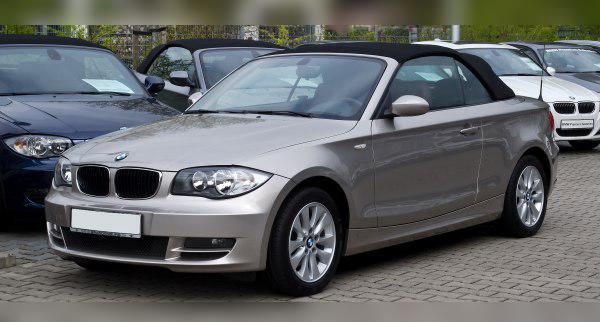
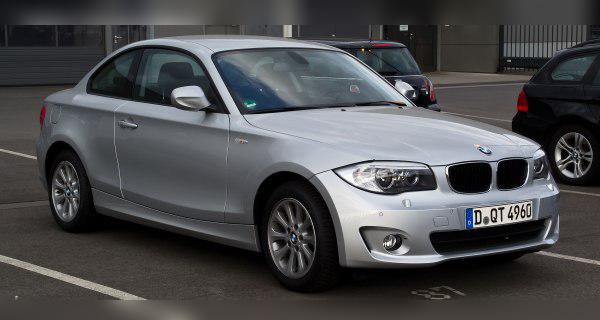
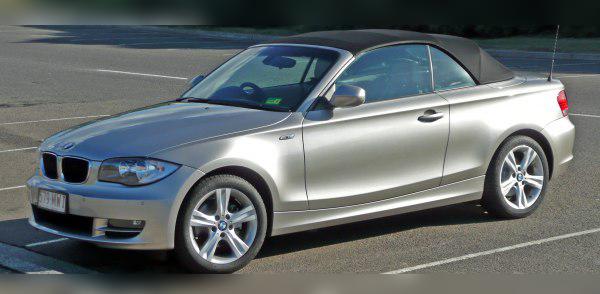
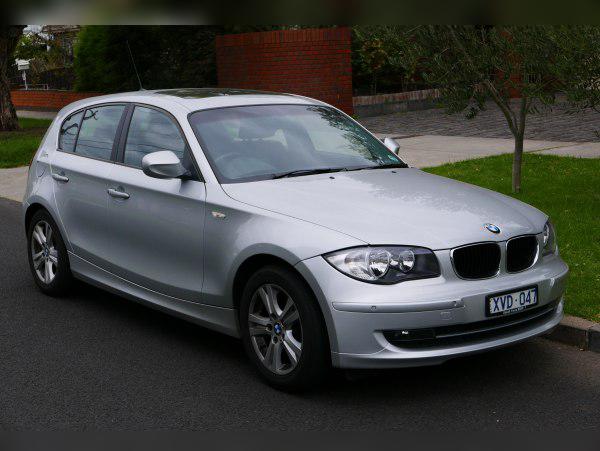
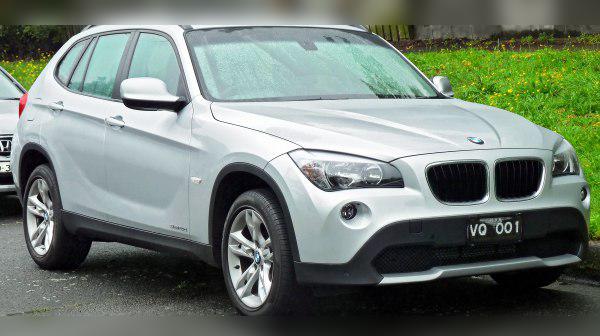
The N47D20D engine is one of the most technically fascinating yet most controversial diesels of its era. It is the most powerful version of the infamous N47 family, fitted mainly in the BMW 1 Series (E81, E82, E87, E88) under the 123d badge, as well as in the BMW X1 (E84) as the 23d xDrive. This was the first series‑production two‑liter diesel to break the magic barrier of 100 horsepower per liter of displacement. It offers brutal acceleration and elasticity, but also brings a maintenance complexity that the average owner is often not ready to deal with.
Engine technical specifications
| Parameter | Specification |
|---|---|
| Displacement | 1995 cc |
| Power | 150 kW (204 hp) |
| Torque | 400 Nm |
| Engine code | N47D20D |
| Injection type | Common Rail (piezo injectors) |
| Charging system | Twin‑turbo (two different‑size turbochargers) with intercooler |
Reliability and maintenance: Is it really that scary?
Problematic chain and the “major service”
If you ask any mechanic about the N47 engine, the first word you’ll hear is chain. Instead of a timing belt, this engine uses a timing chain, but it is engineered to sit on the rear side of the engine (towards the gearbox). Over time the chain stretches and the guides wear out. Because of that there is no fixed interval for the major service; it is done “by ear”, usually between 150,000 and 200,000 km. The symptoms are clear rattling and metallic scraping on cold start or in the 1,500 to 2,000 rpm range. Since either the engine or the gearbox has to come out to replace the chain, this job is very expensive (depends on the market). If the chain snaps, valves and pistons collide, which often requires a new crankshaft or an entire used replacement engine.
Oil: The engine’s lifeblood
The N47D20D takes about 5.2 liters of oil, and you should use only high‑quality synthetic oil of grade 5W‑30 or 5W‑40 with BMW LL‑04 specification. The biggest mistake owners in Europe make is following the factory “LongLife” interval of 30,000 km. For the longevity of the chain and both turbos, the oil must be changed at a maximum of 10,000 to 15,000 km. Oil consumption between services is not uncommon on older examples. A loss of up to 0.5 liters from service to service is considered normal due to evaporation and the specifics of the twin‑turbo system. If the engine consumes more than 1 liter per 10,000 km, it’s time to inspect the turbo shafts or piston rings.
Fuel injection system: Injectors
This engine uses extremely fast and precise Bosch piezo injectors that operate at very high pressure. Their typical service life is around 200,000 km. Unlike solenoid injectors, piezo injectors are complex and often impossible to refurbish properly. When they start to fail, the driver will notice rough idle, the engine “hitting a wall” under acceleration, thick black or grey smoke, and accelerated clogging of the DPF filter. Replacing the injectors with new ones is a very costly investment (depends on the market).
Specific components: What fails and what it costs
Two turbochargers (twin‑turbo)
Unlike the lower‑powered versions, the N47D20D has two turbochargers (a factory bi‑turbo setup). The smaller turbo responds instantly at low revs, eliminating turbo lag, while the larger one takes over and pushes power all the way to the redline. Their lifespan heavily depends on regular oil changes and driving style (cooling the turbos down after hard motorway driving). The small turbo is the one that most often fails due to the huge load and constant speed changes in city driving, as well as the vacuum valves that control gas flow between them.
DPF, EGR and intake system
This engine is equipped with both an EGR valve and a DPF particulate filter. Stop‑and‑go city driving is their worst enemy. The EGR valve gets clogged with soot, sticks and chokes the engine, while the DPF, due to interrupted regenerations, loses its effectiveness and clogs up. Another serious weak point are the swirl flaps in the intake manifold. Over time their shafts develop play, start to leak oil, and in the worst‑case scenario a flap can break off, fall directly into a cylinder and wreak havoc on valves and pistons. Many mechanics remove them preventively and blank off the intake manifold.
AdBlue system
Good news for used‑car buyers: the models fitted with the N47D20D (up to around 2013–2014, mostly Euro 5 compliant) do not have an AdBlue system (SCR catalyst). This means you are spared the headaches with pumps, tank heaters and urea level sensors that are a chronic issue on newer diesels.
Fuel consumption and performance: How it behaves on the road
Real‑world fuel consumption in city driving varies. In 1 Series models, consumption is around 7.5 to 8.5 l/100 km. However, if this engine is powering the heavier X1 (E84) xDrive with all‑wheel drive, in urban traffic it will easily use around 9 to 10 l/100 km.
As for performance, this engine is anything but “lazy”. On the contrary, 400 Nm of torque is available very early thanks to the small turbo. In the 1 Series E81/E87/E82 the engine literally tears up the tarmac and behaves like a proper small sports car, while in the X1 it enables smooth and safe overtakes despite the higher vehicle weight and the suspension being subjected to greater forces.
On the motorway it is fantastic. With the six‑speed gearbox at 130 km/h, in sixth gear the engine “cruises” at about 2,200 to 2,400 rpm (depending on differential ratio and wheel size). The cabin is quiet at that point, and there is plenty of power in reserve for overtaking.
Additional options and modifications: Remapping
Since this is a powerful diesel, many drivers want even more power. The engine responds extremely well to a software remap (Stage 1). Without any mechanical changes, power can be safely raised to 240 to 250 hp, and torque to an impressive 450–480 Nm. However, this is recommended ONLY if the timing chain has been replaced, the turbos are in perfect condition, and the DPF filter is clean. Otherwise, remapping will quickly finish off already worn components.
Gearbox and drivetrain: Transferring the power
The N47D20D comes paired with either a manual (6‑speed) or an automatic gearbox (ZF 6HP).
Manual gearbox and dual‑mass flywheel
Versions with the manual gearbox have a dual‑mass flywheel that is under heavy load due to the substantial 400 Nm of torque. It usually fails because of aggressive starts and driving at very low revs. Symptoms include vibrations at idle, thumps when starting and shutting off the engine, and clutch pedal shudder. A clutch kit with dual‑mass flywheel is expensive (depends on the market). On the gearbox itself, the synchronizer for first and second gear sometimes fails due to harsh shifting.
Automatic gearbox (ZF)
The 6‑speed ZF automatic (Steptronic) is a traditional torque‑converter automatic (it does not have a conventional dual‑mass flywheel like the manuals, nor dual clutches). It is very reliable under one condition: the oil in the gearbox must be changed. ZF specifies changing the oil and filter (integrated into the plastic sump) every 80,000 to 100,000 km. If the gearbox engages “Drive” harshly, jerks when shifting from second to first while stopping, or the rev counter flares without acceleration (slipping), it is probably heading towards an expensive overhaul of the mechatronics or clutch packs.
Buying used and conclusion: How not to buy a money pit
Buying a BMW 123d or X1 23d requires a cool head and a good mechanic. Here is what you must check:
- Chain sound test: The car must be listened to completely cold. Any scraping or ticking noise from behind the engine towards the cabin means you should lower the price to cover the cost of chain replacement.
- Diagnostic check: A mechanic must check injector correction values and the DPF differential pressure. This will reveal the condition of the injection and exhaust systems.
- Physical engine inspection: With a flashlight, inspect the right side of the engine around the intake manifold – if everything is oily, the swirl flaps are leaking. Also pay attention to the hoses from the intercooler to the intake – a light oil film is normal, but pools of oil indicate that the turbos are leaking.
Who is this engine for?
The BMW N47D20D is not an engine for someone who wants to get from point A to point B with minimal maintenance costs. That’s what the lower‑powered N47 variants (18d, 20d) or cars from other manufacturers are for. This is an engine for driving enthusiasts who want brutal in‑gear acceleration and the power of a sporty petrol engine, but with significantly lower fuel consumption at the pump. If you buy a well‑maintained example and continue to service it preventively (frequent oil changes, chain sorted), it will reward you with a smile every time you press the accelerator pedal.