BMW N52B30 (230 hp) engine: Experiences, issues, fuel consumption and used car buying tips
Key points in short (TL;DR)
- The last true naturally aspirated inline-six: Among enthusiasts, the N52 is known as one of the most reliable modern BMW engines, from the era before widespread turbo technology.
- Timing chain: Uses a reliable chain; failures are extremely rare, unlike with newer generations.
- Main weak points: Electric water pump, oil leaks (valve cover, oil filter housing) and DISA valves on the intake manifold.
- Fuel injection: Port injection (MPI) makes it very easy to maintain and ideal for LPG (autogas) conversion.
- Fuel consumption: Due to the heavy body and displacement, city consumption easily exceeds 13 l/100 km.
- Recommendation: An excellent choice for drivers who value linear power delivery and longevity, provided they have the budget for preventive maintenance of the cooling and sealing systems.
Contents
- Introduction: What makes this engine special?
- Technical specifications
- Reliability and maintenance
- Specific components (costs)
- Fuel consumption and performance
- Additional options and modifications
- Gearbox and power delivery
- Buying used and conclusion
Introduction: What makes this engine special?
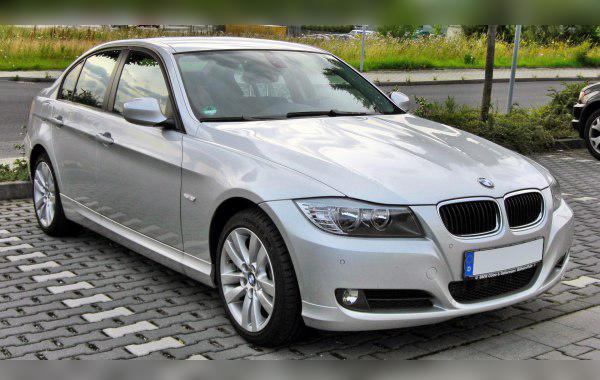
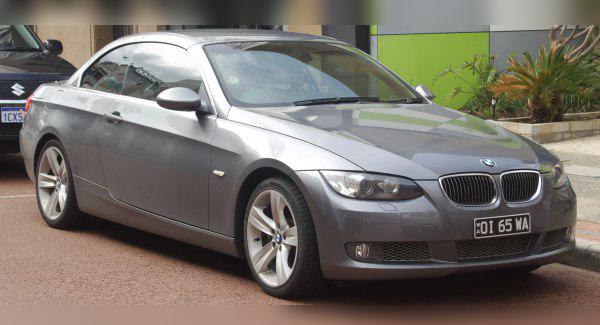
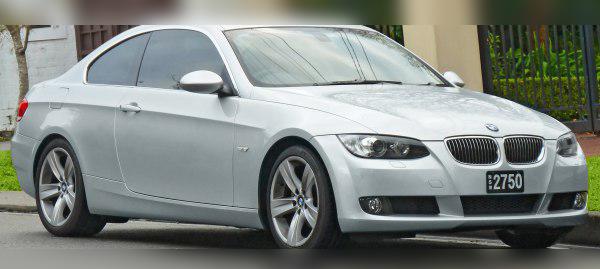
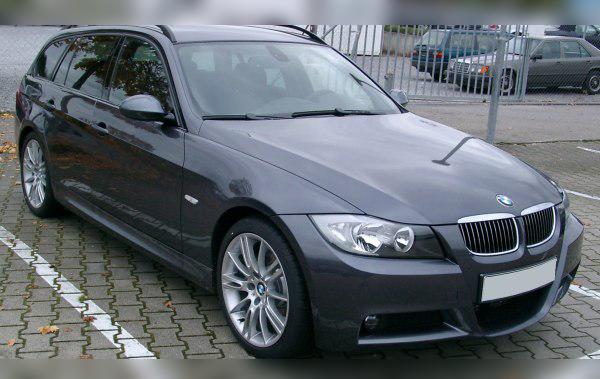
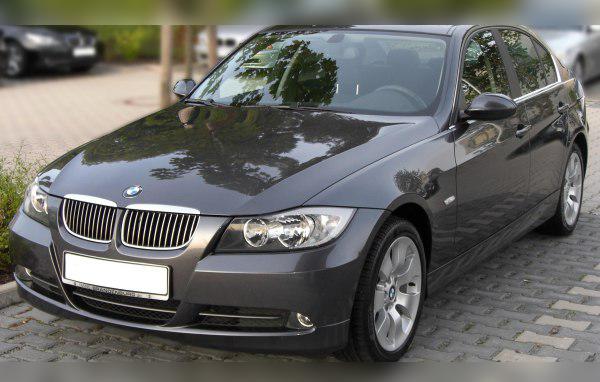
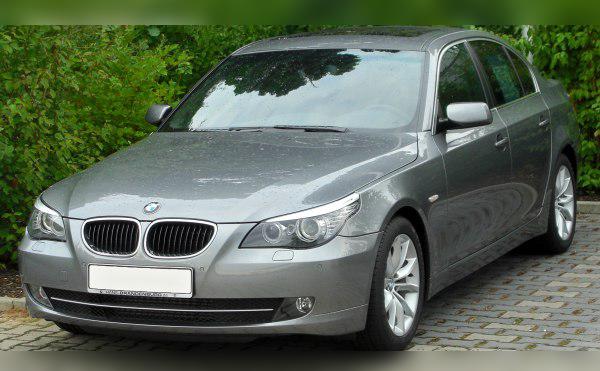
The N52B30 engine, in its 170 kW (230 hp) version, represents one of the last engineering outcries of traditional BMW philosophy: an inline six-cylinder without a turbocharger. It was most commonly installed in 3 Series models (E90/E91/E92/E93) badged as 328i, as well as in the 5 Series (E60) badged as 528i. Although this specific 230 hp version was initially most popular in markets outside Europe (such as North America), due to massive imports and the globalization of the used car market, these models are now very common everywhere.
What sets this block apart is its composite construction made of a magnesium–aluminum alloy, which makes it extremely light. However, this innovation also brought specific challenges for mechanics, such as the mandatory use of aluminum bolts that are prone to breaking. On the road, this is a “silky-smooth” engine that loves high revs.
Technical specifications
| Engine displacement | 2996 cc |
| Engine power | 170 kW (230 hp) |
| Torque | 270 Nm |
| Engine code | N52B30 |
| Injection type | Port injection (Multi-Point Injection - MPI) |
| Induction | Naturally aspirated (no turbo) |
Reliability and maintenance
Timing chain or timing belt?
The N52B30 uses a timing chain. Unlike the notorious N47 diesel or the newer N20 turbo petrol, the chain on the N52 is extremely robust. It rarely snaps or stretches before 250,000 to 300,000 km. That’s why this engine doesn’t have a classic “major service” in the sense of scheduled timing replacement at a certain mileage. However, the accessory (serpentine) belt, rollers and tensioners should be replaced preventively every 100,000 km.
Most common failures and symptoms
No matter how reliable the core mechanics are, the engine peripherals can cause headaches:
- Electric water pump: This is issue number one. It usually fails suddenly between 100,000 and 150,000 km. Symptoms: Yellow, then red temperature warning light on the instrument cluster, and the radiator fan running at maximum speed. Preventive replacement together with the thermostat is highly recommended.
- Oil leaks: Due to the magnesium block, gaskets degrade quickly. Oil most often leaks from the valve cover gasket (you can smell burning oil in the cabin because it drips directly onto the hot exhaust manifold), from the oil filter housing (it can drip onto the accessory belt and cause serious damage), and from the oil pan.
- VANOS solenoids: These valves control variable valve timing. If the oil is not changed regularly, they clog up. Symptoms: Rough idle, hesitation under acceleration and loss of power.
- DISA valves (on the intake manifold): They serve to change the intake runner length. The plastic flaps inside them loosen over time. Symptoms: A rattling sound from the intake manifold similar to a diesel engine. If a flap breaks off and gets sucked into the engine, catastrophic damage is inevitable.
Engine oil and oil consumption
The engine holds 6.5 liters of oil. Fully synthetic oil of grade 5W-30 or 5W-40 (with BMW LL-01 specification) is recommended. These engines naturally consume oil. Consumption of 1 liter per 3,000 to 5,000 km is considered completely normal for the N52. If it uses 1 liter in less than 1,500 km, the most likely problem is a clogged crankcase ventilation (PCV) valve, which is integrated into the valve cover, or worn valve stem seals.
Spark plugs and ignition coils
As a typical petrol engine, the N52 requires spark plug replacement every 60,000 to 80,000 km. The coils (one per cylinder) are also wear items and usually fail around 100,000 km. A failed coil will cause the engine to misfire, run on 5 cylinders and trigger the “Check Engine” light.
Specific components (costs)
Fuel injection system
Unlike its successor (N53), the N52B30 uses port injection, i.e. indirect injection. This is a huge advantage! The injectors are very durable, simple and rarely fail. They are not prone to carbon buildup clogging like on direct injection engines, and even if they do need replacement, the price is very affordable compared to piezo injectors.
Turbocharger, DPF, EGR and AdBlue?
Plain and simple: This engine has none of that! It is a naturally aspirated petrol engine. There are no turbochargers that would require rebuilding. There is no DPF filter or AdBlue system because it’s not a diesel. Instead of a conventional EGR valve, BMW uses its Valvetronic intake and exhaust system for gas recirculation and emissions control.
Fuel consumption and performance
Real-world fuel consumption
There’s no point in fooling yourself: a 3.0-liter displacement in a heavy 3 Series (E90/92) or 5 Series (E60) body will drink fuel. In city driving (stop-and-go), you can expect real-world consumption between 12.5 and 15 liters per 100 km. If the car has xDrive (all-wheel drive) and an automatic transmission, consumption will always be closer to the upper limit.
Is the engine sluggish and how it behaves on the highway
The engine is definitely not sluggish. With 230 hp and 270 Nm it reaches 100 km/h in about 7 seconds (depending on the body style). However, since it has no turbo, torque is not available at low revs. To feel its true power, you need to rev it above 3,500 rpm. That’s when it shows its real character, accompanied by a beautiful, distinctive inline-six sound.
On the highway it is in its natural element. Cruising at 130 km/h usually happens at around 2,600–2,800 rpm (depending on the differential and gearbox ratios). Highway fuel consumption drops significantly and is around 7.5 to 8.5 l/100 km. It is extremely quiet and refined at high speeds.
Additional options and modifications
Is it suitable for LPG (autogas) conversion?
Absolutely yes. Since the N52B30 has port injection into the intake manifold, it is a perfect candidate for a sequential LPG (autogas) system. There is no need for expensive liquid-phase systems or petrol injection for injector cooling. A properly installed and mapped LPG system will not reduce performance and will cut running costs in half. The only downside is the loss of trunk space for the tank.
ECU remap (Stage 1)
Since this is a naturally aspirated engine, a classic ECU remap doesn’t make much sense. Gains are minimal, at best between 10 and 15 hp and about 15 Nm of torque. The driver will only notice a slightly better throttle response, but the price-to-power-gain ratio is not worthwhile. More serious modifications require installing the intake manifold from a more powerful version (such as the 330i) and only then remapping, which is a significantly larger investment.
Gearbox and power delivery
Types of gearboxes and maintenance
The N52B30 was most commonly paired with:
- 6-speed manual gearbox: Exceptionally reliable. Problems with the gearbox itself are statistically negligible. It requires an oil change every 100,000 km.
- 6-speed automatic (Steptronic): Depending on the market, it came with a GM (General Motors) GA6L45R gearbox or the well-known ZF 6HP. Although BMW claimed that the gearbox oil is “lifetime fill”, that is a myth. The oil, filter and pan of the automatic transmission must be replaced every 60,000 to 80,000 km. If this is not done, the mechatronics will eventually fail and you’ll experience jerks when shifting gears.
Dual-mass flywheel and clutch
If you are buying a model with a manual gearbox, yes, this car has a dual-mass flywheel. The flywheel dampens the inline-six’s vibrations. Its service life is usually over 200,000 km. Symptoms of wear include vibrations in the clutch pedal, thumps when switching the engine off and difficulty when moving off from a standstill. The cost of replacing the clutch kit together with the dual-mass flywheel is high (expensive) and ranges from 700 to 1,200 euros (depending on the market).
Buying used and conclusion
What to check before buying?
- Listen to a cold start: The engine should start without sharp metallic noises. If you hear rattling in the first 2–3 seconds, the chain or VANOS are near the end of their life. If you hear a steady ticking, the hydraulic lifters are empty (a common but solvable issue on the N52).
- Check for oil leaks: Be sure to inspect the area around the oil filter housing, as well as the rear of the engine towards the cabin. Oil on the exhaust manifold is a clear signal to negotiate the price.
- Monitor the temperature: Since the BMW E90 does not have a coolant temperature gauge on the cluster, you must use diagnostics (or the hidden menu of the onboard computer) to monitor temperature while driving and make sure the electric water pump and thermostat are working properly (it should hold around 90–105 °C, as this is a “hot running” engine).
Final verdict
The BMW N52B30 (230 hp) engine is aimed at true car enthusiasts who want the traditional BMW experience: rear-wheel drive, an inline six-cylinder engine and a distinctive sound, without the risks that come with modern turbochargers and sensitive high-pressure injectors. Its maintenance is not cheap because it requires replacement of expensive gaskets and occasional issues with the water pump, but if you find an example with a proper service history, you will get one of the most reliable and smoothest engines of its generation.