BMW N52B30A (218 hp) – Experiences, problems, fuel consumption and used-car buying tips
- Great sound and linear power delivery: This is one of the last true BMW naturally aspirated inline-sixes.
- No direct injection: It uses a reliable MPI system, which makes it extremely suitable for LPG (autogas) conversion.
- Hidden potential: Since this is a “choked” 3.0-liter engine, a simple remap unlocks serious performance.
- Sensitive cooling system: The electric water pump is the most common cause of sudden breakdowns and overheating on the road.
- Regular oil seepage: The valve cover gasket and oil filter housing gasket are consumable items.
- Doesn’t forgive skipped services: The VANOS and Valvetronic systems require perfectly clean oil.
Contents
- Introduction and engine characteristics
- Technical specifications
- Reliability, maintenance and common failures
- Specific parts and costs
- Fuel consumption and performance
- Extras, LPG and modifications
- Transmissions and drivetrain
- Buying used and conclusion
Introduction and engine characteristics
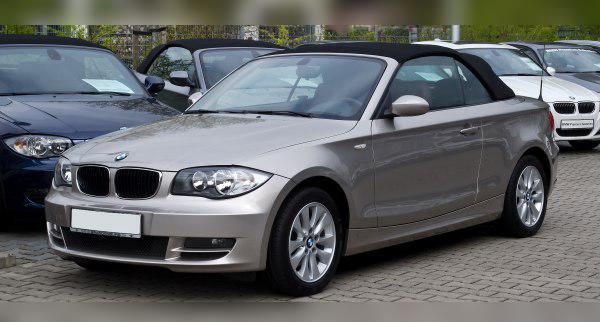
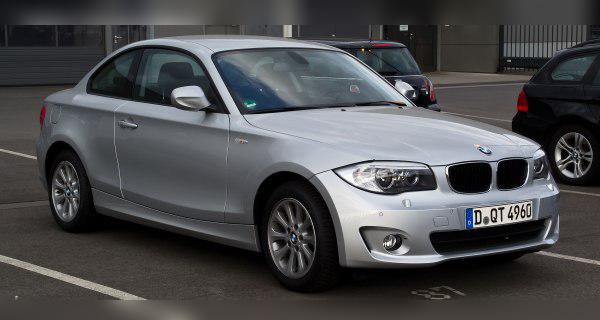
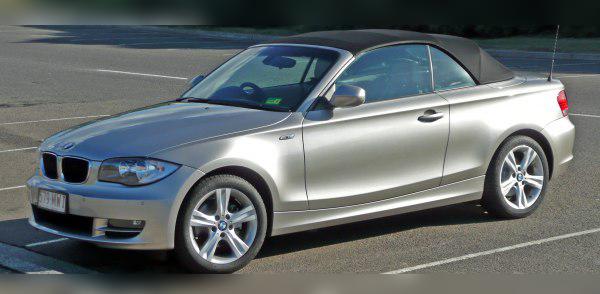
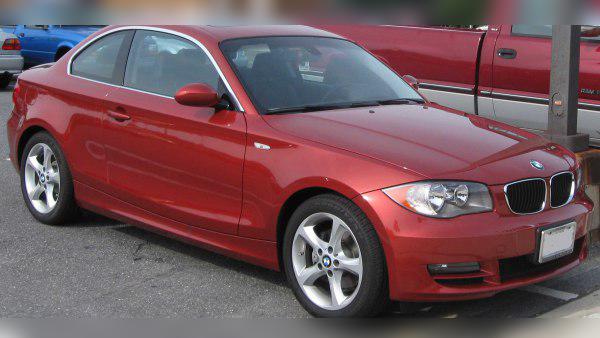
The N52B30A engine in its 218 hp (160 kW) version is a somewhat specific beast in the BMW lineup. Although it carries badges like “125i” (in the 1 Series E82 coupe and E88 convertible) or “25i” (in the X1 E84), what’s actually hiding under the hood is a full-blooded 3.0-liter inline-six (R6). The German factory limited this engine via software and intake in order to fill a gap in the range, which brings one huge advantage for used-car buyers: the engine is completely understressed. Regardless of whether it’s an LCI (facelift) version or an earlier model, this engine is a holy grail for fans of classic naturally aspirated layouts, rear-wheel or xDrive all-wheel drive, and a sound that’s rarely heard today.
Technical specifications
| Characteristic | Data |
|---|---|
| Engine displacement | 2996 cc |
| Power | 160 kW (218 hp) |
| Torque | 280 Nm |
| Engine code | N52B30A |
| Injection type | Indirect injection (MPI) |
| Turbo/Naturally aspirated | Naturally aspirated engine |
Reliability, maintenance and common failures
Timing belt or chain?
This engine, like every serious BMW inline-six, uses a timing chain. Generally speaking, the chain on N52 engines is much more robust than on later four-cylinder N20 or diesel N47 engines. However, the plastic chain guides become brittle over time due to the engine’s high operating temperatures. A major timing service (replacement of chain, guides and tensioner) is preventively done at around 200,000 to 250,000 kilometers. A sign that the chain needs replacement is metallic rattling at cold start or when idling.
Most common engine failures (Causes and symptoms)
Although mechanically strong, the N52 suffers from a few specific “issues” you have to expect:
- Electric water pump and thermostat: This is the biggest enemy of this engine. The water pump is electric and often fails without any warning between 100,000 and 150,000 km. Symptom: Sudden illumination of the yellow, then red engine overheat warning, followed by the car going into limp mode (safety mode). The pump and thermostat are replaced together, and the repair is expensive (depends on the market).
- Oil leak at the oil filter housing: The rubber gasket hardens over time. Cause: High temperatures. Symptom: Oil drips directly onto the accessory belt. If not fixed, the belt can snap and get pulled under the crankshaft pulley, which leads to catastrophic engine damage.
- Valve cover gasket leak: A very common problem. Symptom: You will smell burning oil in the cabin because oil drips directly onto the hot exhaust manifold.
- DISA valves (flaps in the intake manifold): They serve to change the intake runner length. The shaft of the plastic flaps develops play or breaks over time. Symptom: Lack of power at low rpm, rattling noise from the intake area. If a flap breaks off and enters a cylinder, the engine is destroyed. It’s recommended to check them after 150,000 km.
- VANOS solenoids: They control variable valve timing. They often get dirty if oil changes are neglected. Symptom: Rough idle and loss of power under acceleration.
Minor service, oil and spark plugs
The N52B30A takes 6.5 liters of oil. High-quality synthetic oil of grade 5W-30 or 5W-40 that meets the BMW LL-01 (LongLife) specification is recommended. Although the factory states service intervals of 25,000 km, any experienced mechanic will tell you to change the oil strictly every 10,000 to 12,000 kilometers to preserve the VANOS and Valvetronic systems.
Oil consumption: Yes, this engine consumes oil. According to BMW, tolerance is up to 1 liter per 1000 km (which is absurdly high). In practice, a healthy unit will use about 1 liter per 3000 to 5000 km. If it consumes significantly more, the usual culprits are worn valve stem seals or a clogged PCV valve (oil separator), which is integrated into the valve cover.
As a petrol engine, it requires spark plug replacement every 60,000 kilometers. If the car noticeably jerks when you press the throttle, one of the ignition coils has most likely failed (they are replaced as needed).
Specific parts and costs
One of the best things about the N52 engine is what it doesn’t have. Unlike its successor (N53), the N52 does not use direct injection. Its MPI (Multi-Point Injection) injectors spray fuel before the intake valves. They are extremely reliable and rarely cause problems. The system keeps the intake valves clean because fuel constantly “washes” them.
The engine is also naturally aspirated – there is no turbocharger (neither one nor two). There’s no worry about worn turbo shafts and oil leaking into the intercooler.
As a classic petrol engine, it has no DPF filter, no EGR valve (in the classic diesel sense, instead it uses Valvetronic for internal exhaust gas recirculation) and of course no AdBlue system. Maintenance costs are focused mainly on gaskets and the cooling system.
Fuel consumption and performance
The weight of the car plays a big role. In the 1 Series (E82 Coupe and E88 Cabrio), this engine turns the car into a serious driver’s machine. With 218 hp and 280 Nm, the car is extremely agile and doesn’t feel “lazy” even at low rpm thanks to the Valvetronic and VANOS systems. On the other hand, in the BMW X1 (E84) xDrive, due to its weight of over 1.6 tons and all-wheel drive, performance is satisfactory, but the engine has to rev higher more often to provide dynamic acceleration.
Fuel consumption:
- City driving: Expect figures of 11 to 14 liters per 100 km. On short trips and in heavy traffic (especially in the X1 xDrive), consumption simply can’t be low because you’re moving 3.0 liters of displacement.
- Highway: At 130 km/h in 6th gear, the engine cruises relaxed at about 2500–2800 rpm. The drive is extremely quiet and smooth, and real-world fuel consumption on the open road is around 7.5 to 8.5 l/100 km.
Extras, LPG and modifications
LPG (autogas) conversion
The N52 is practically the last big BMW engine that is absolutely fantastic for LPG conversion. Since it has indirect fuel injection, the conversion is done with a standard sequential system without any engineering obstacles. You need to install a high-quality kit with fast gas injectors and an adequate vaporizer (rated for over 250 hp) so that the mixture doesn’t go lean at high rpm. LPG installation drastically reduces running costs, while performance remains almost unchanged.
Chip tuning (Stage 1)
This is the best part of this engine version. Since the N52B30A has a displacement of 3.0 liters and is factory-limited to 218 hp (solely via the intake manifold and maps), it has huge potential. With just a software change (Stage 1 remap), the engine can be safely raised to about 260 to 270 hp and over 310 Nm of torque! A gain of more than 40 hp on a naturally aspirated engine is rare, but here it’s possible because this is a detuned version of the engine from the 130i/330i models (which have 258/272 hp). Note: full potential is achieved by replacing the intake manifold with the one from the more powerful model (with two DISA valves).
Transmissions and drivetrain
This engine is paired with excellent transmissions, but there are certain maintenance rules here as well.
- Manual gearbox (6-speed): Most often made by ZF or Getrag. It is extremely precise and mechanically almost indestructible. Yes, the engine uses a dual-mass flywheel. Symptoms of a worn flywheel are strong vibrations when taking off in first gear and a dull thud when switching the engine off. The cost of replacing the clutch kit and dual-mass flywheel is very high (depends on the market). The only downside of the manual gearbox is the difficulty engaging first and second gear when the car is completely cold in winter.
- Automatic gearbox (6-speed – Steptronic): This is the famous ZF 6HP transmission. Very reliable, fast and comfortable, provided it has been maintained. The most common issues are oil leaks from the plastic oil pan or the mechatronics sleeve, as well as “shunting” (jerking) from 2nd to 1st gear when slowing down to a stop. These problems usually occur due to irregular maintenance.
Transmission service interval: BMW claims the transmission oil is “lifetime”, which is a misconception that leads to transmission failure. For the automatic gearbox, it is mandatory to replace the oil, oil pan (with integrated filter) and mechatronics seals every 80,000 to 100,000 kilometers. For the manual gearbox, it’s recommended to change the oil at around 100,000 km, which is not a big expense and significantly extends the life of the synchronizers.
Buying used and conclusion
What exactly to check before buying?
When you go to see a used car with the N52B30A engine, don’t start it immediately. The car must be completely cold. When starting, listen for metallic ticking from the cylinder head area – this can be the hydraulic lifters or VANOS. The sound should disappear after a few seconds once oil pressure builds up.
After that, inspect the engine bay with a flashlight. Pay attention to the joint between the oil filter housing and the engine block. If you see fresh oil there, that’s an immediate basis for negotiating the price. The same visual check applies to the valve cover gasket area. Then, diagnostics (BMW INPA or ISTA) is MANDATORY. Don’t just read current engine fault codes; go into live data and check the fault history for the electric water pump (it often logs pressure drops before it completely fails).
Conclusion: Who is this engine for?
The 218 hp BMW N52B30A is a gem for old-school mechanical enthusiasts. There are no expensive injector and turbo repairs that plague modern drivers. If you’re buying a 1 Series convertible or coupe (E82/E88), you’ll get a great weekend car – fast, with an incredible sound and capable of very serious Stage 1 tuning. In the X1 xDrive (E84) it’s an excellent, but thirsty, family SUV for long trips. If you’re ready to invest in maintaining the cooling system and to reseal the engine as soon as it starts to “sweat”, this inline-six will reward you with a refined driving experience that very few modern cars can offer.