BMW Engine N53B30A (3.0 218 HP): Owner Experiences, Common Issues, Fuel Consumption and Used Car Buying Tips
Key points in short (TL;DR)
- Great performance and sound: Inline six-cylinder with 3.0 liters of displacement delivers very linear power and smooth operation.
- Direct injection as a weak spot: The engine is known for sensitive piezo injectors and the high-pressure fuel pump (HPFP), both very expensive to replace (depends on the market).
- No classic major timing service: It uses a timing chain which is generally reliable, but should be checked after 200,000 km.
- Hidden potential: Although badged as 25i with 218 HP, hardware-wise it is a three-liter engine that can easily be remapped to significantly higher power.
- Forget LPG: Due to the specific direct injection system, LPG conversion is uneconomical and technically very complicated.
- Exhaust system: There is no DPF, but the NOx sensor and NOx catalytic converter cause headaches and often require replacement or software deletion.
Contents
- Introduction: Goodbye N52, welcome N53
- Technical specifications
- Reliability and maintenance
- Specific components and most common failures
- Fuel consumption and performance
- Additional options and modifications
- Transmission and drivetrain
- Buying used and conclusion
Introduction: Goodbye N52, welcome N53
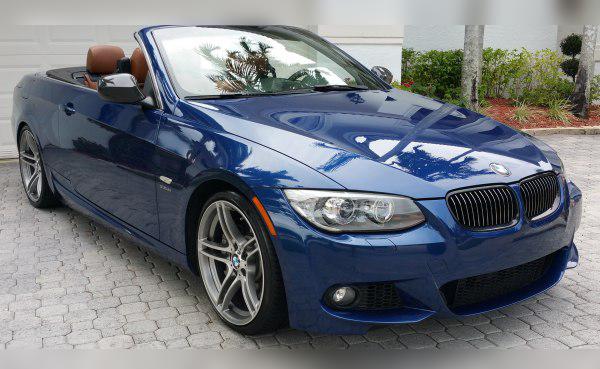
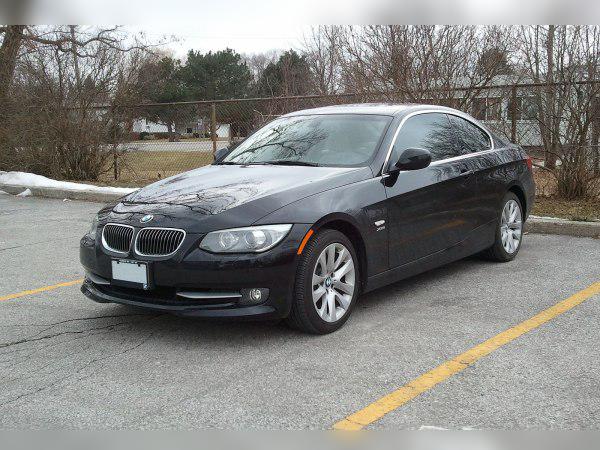
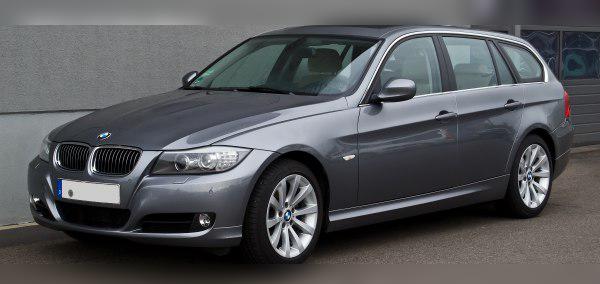
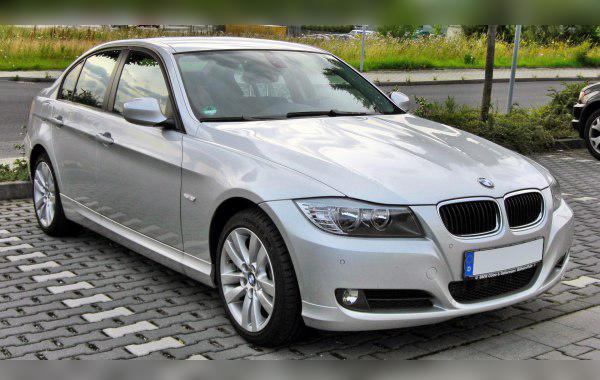
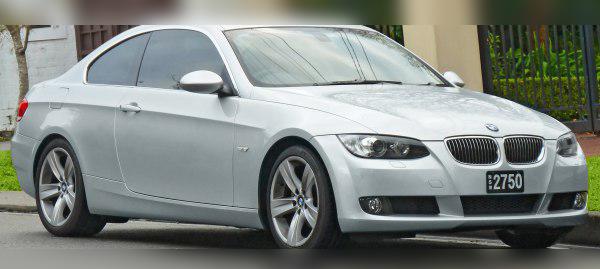
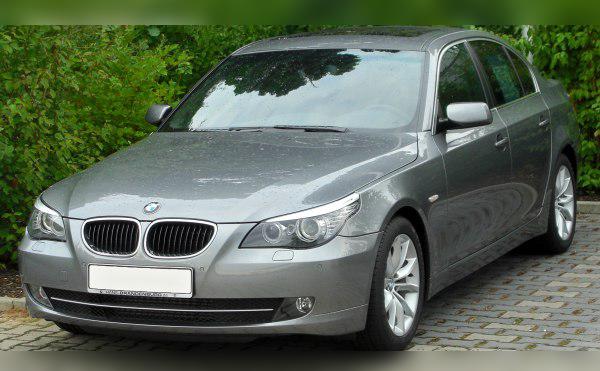
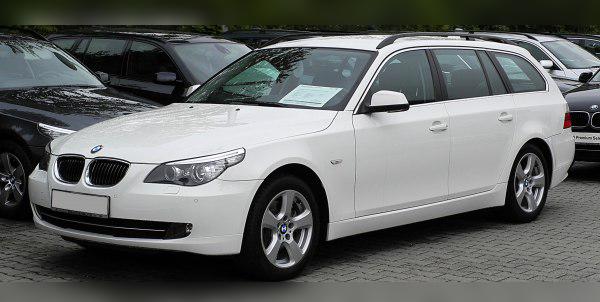
The engine designated N53B30A represents a transitional phase in BMW’s history of inline-six (I6) engines. It was installed at the end of the 2000s, mostly in facelifted (LCI) 3 Series models (E90, E91, E92, E93) and 5 Series (E60, E61). Its main difference compared to the older N52 engine is the switch to direct fuel injection (High Precision Injection). While this brings better efficiency and lower fuel consumption when cruising, direct injection also introduced a number of teething problems that can cost future owners serious money. Interestingly, although the cars are badged 325i or 525i, under the hood sits a full-blooded three-liter engine, only “choked” by software and intake to 160 kW (218 HP).
Technical specifications
| Engine displacement | 2996 cc (3.0L) |
| Power | 160 kW (218 HP) |
| Torque | 270 Nm at 2400 - 4200 rpm |
| Engine code | N53B30A |
| Injection type | Direct injection (High Precision Injection) |
| Aspiration | Naturally aspirated (no turbocharger) |
Reliability and maintenance
This engine uses a timing chain, which means there is no classic “major timing service” in the sense of regularly replacing a timing belt every 80,000 km. However, the chain is not eternal. It is recommended to visually and diagnostically check the condition of the chain, guides and tensioner at around 180,000 to 200,000 km. Symptoms of a stretched chain include rattling on cold start and a metallic noise from the top of the engine. Replacing the chain is quite expensive (depends on the market).
As for lubrication, the N53B30A takes about 6.5 liters of engine oil. Fully synthetic oil of grade 5W-30 or 5W-40 is recommended (mandatory BMW LL-04 specification). Since this is a large petrol engine, some oil consumption is normal. The factory tolerates up to 1 liter per 1000 km, but in practice – any consumption higher than 0.5 liters per 1000 km between services (which should be done at a maximum of 15,000 km, not the factory 30,000 km) points to worn piston rings or hardened valve stem seals.
Because the engine operates in a lean-burn mode to save fuel, combustion temperatures are high. For this reason, the spark plugs are under heavy load and need to be replaced relatively often – ideally every 30,000 to 40,000 km. Along with them, the ignition coils often fail, showing up as jerking while driving and rough idle (misfire).
Specific components and most common failures
Now we come to the most painful part of this engine. The N53 uses early generations of piezo injectors. These injectors are notoriously problematic. Over time they start leaking fuel into the cylinder even when the engine is off. Symptoms include: long cranking on cold start, strong smell of raw petrol from the exhaust, engine shaking and rough running until it warms up. The solution is to replace the injectors (most owners look for later revisions with the so‑called “Index 11” marking, which are more reliable), but this job is very expensive (depends on the market).
The second weak point of the fuel system is the high-pressure fuel pump (HPFP). When it starts to fail, the car loses power, goes into limp mode and logs errors about low fuel pressure in the rail. Replacement is unavoidable and costly (depends on the market).
Regarding the exhaust system and emissions, this is a petrol engine, so there is no DPF filter or AdBlue system. However, due to its specific combustion, it has a NOx catalytic converter and a corresponding NOx sensor. The sensor often fails, which leads to increased fuel consumption because the ECU disables the economical lean-burn mode. Replacing the sensor is expensive (depends on the market), so many owners resort to software disabling of this system (the so‑called NOx delete), which can affect whether the car passes strict emissions inspections.
This is a true naturally aspirated engine – the good news is that there is no turbo, and therefore no issues with turbo whine, turbo overhauls or oil leaks from intercooler hoses.
Fuel consumption and performance
This engine was installed in heavy cars (a 3 Series weighs around 1.5 to 1.6 tons, and the 5 Series even more, especially in xDrive and Touring variants). With 218 HP and 270 Nm of torque (available higher in the rev range compared to modern turbo engines), some may find it slightly “lazy” at low revs. However, above 3500 rpm the engine really comes alive and shows its full-blooded BMW DNA. If you want to be pinned to the seat the moment you touch the throttle, a turbo engine (e.g. 335i) is a better choice, but for linear and smooth acceleration, the 325i/525i is excellent.
Fuel consumption depends on driving style and body style. In pure city driving, with an automatic gearbox and xDrive, real-world consumption is between 12 and 15 l/100 km. On the other hand, the N53 shines on the motorway. Thanks to direct injection and long gearing, at 130 km/h the engine spins at a relaxed 2500 - 2700 rpm, with fuel consumption that can drop to an impressive 7 to 8.5 l/100 km.
Additional options and modifications
When it comes to LPG conversion, the answer is short: avoid it. Due to direct injection, standard sequential LPG systems do not work well because the in-cylinder injectors must be cooled by the flow of petrol. Special (and very expensive) liquid-phase LPG injection systems are required. The cost-effectiveness of such a system is highly questionable, and issues with mapping and engine operation are common.
On the other hand, chip tuning (Stage 1) is a real revelation for this engine. Since the N53B30A is actually a three-liter engine that is electronically “strangled” to produce 218 HP (to fill a gap in the model range and meet emissions standards), with good remapping (and ideally fitting the intake manifold from a 330i, which has DISA valves) the power can be safely raised to around 260 to 275 HP. This power jump completely changes the character of the car.
Transmission and drivetrain
This engine was offered with a 6-speed manual and a 6-speed automatic gearbox (the famous ZF 6HP Steptronic).
Manual gearbox
The manual gearboxes are extremely robust. Failures of the gearbox itself are rare, but power is transmitted through the clutch and dual-mass flywheel. Yes, this petrol engine has a dual-mass flywheel to dampen engine vibrations. Its lifespan is usually over 200,000 km, but when it fails (symptoms: clunks when changing gears, vibrations when setting off), the cost of a clutch and flywheel kit is quite high (depends on the market).
Automatic gearbox (ZF 6HP)
The automatic is reliable and offers excellent comfort. However, common issues on poorly maintained cars include “thumps” when shifting from P to R or D, as well as jolts when downshifting from second to first while coming to a stop. This is most often the result of worn-out oil, seals in the mechatronics (solenoids) or problems with the torque converter. According to specialists, the oil in the automatic gearbox must be changed (together with the pan, which has an integrated filter) every 80,000 to 100,000 km, even though BMW once claimed the oil was “lifetime fill”.
Buying used and conclusion
Buying a BMW with the N53 engine requires a cool head and an excellent mechanic before handing over any money. The first and most important test should be done on a completely cold engine (do not let the seller warm it up before you arrive). Listen to the starter, how long it cranks and how the engine runs in the first 30 seconds. Any hiccups, fluctuating idle and smell of petrol are signs that the injectors are on their way out. Diagnostics are mandatory – monitor fuel pressure parameters at the HPFP and read out any NOx sensor errors.
Also listen to the timing chain and be sure to check the service history. If the previous owner has not addressed the injection issues, the car can cost you almost half of its current market value in repairs.
Who is it for? The N53B30A is for drivers who cover a lot of motorway miles, appreciate the sound and smoothness of an inline-six, and are not chasing aggressive turbo punch. If you find a car that already has revised injectors (Index 11), a new HPFP and a sorted NOx system, you will get an excellent long-lasting car. Otherwise, be prepared for serious upfront investment.