BMW N53B30A 3.0 (272 HP) – Experiences, problems, fuel consumption and used car buying tips
Key points (TL;DR)
- Performance and sound: One of the last naturally aspirated inline-sixes without a turbo from BMW. Offers a beautiful sound, linear acceleration and high revs.
- Biggest weakness: Direct injection system. The piezo-electric injectors are extremely problematic and very expensive.
- Other critical parts: High-pressure fuel pump (HPFP), ignition coils and the notorious NOx sensor with its catalyst.
- Drivetrain: Uses a timing chain which is relatively reliable, but the electric water pump regularly fails after around 150,000 km.
- LPG: Due to the specific direct injection system, LPG installation is absolutely not cost-effective and technically very problematic.
- Conclusion for buyers: Excellent to drive, but very demanding on your wallet. Buying a model with this engine requires a serious financial buffer for inevitable fuel system repairs.
Contents
- Introduction: The last naturally aspirated Mohican
- Technical specifications
- Reliability and maintenance
- Specific parts and costs
- Fuel consumption and performance
- Additional options and modifications
- Gearbox and drivetrain
- Buying used and conclusion
Introduction: The last naturally aspirated Mohican
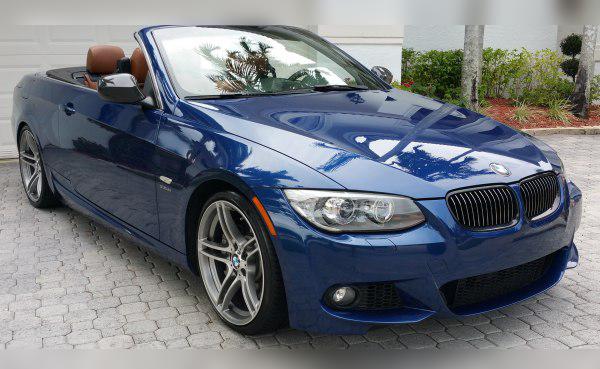
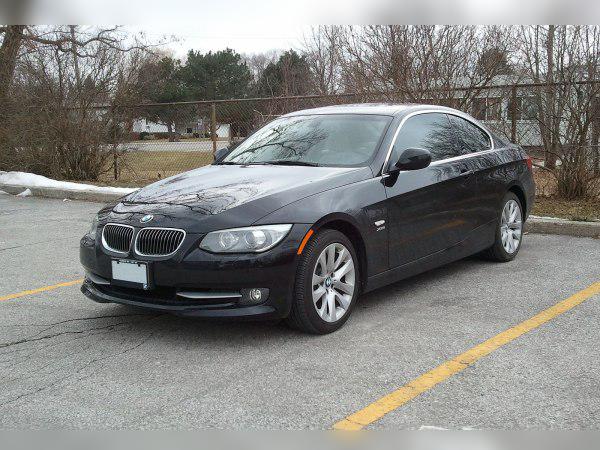
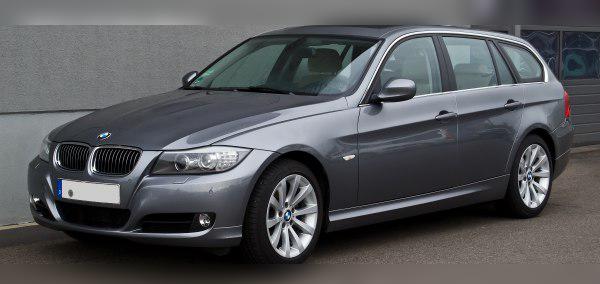
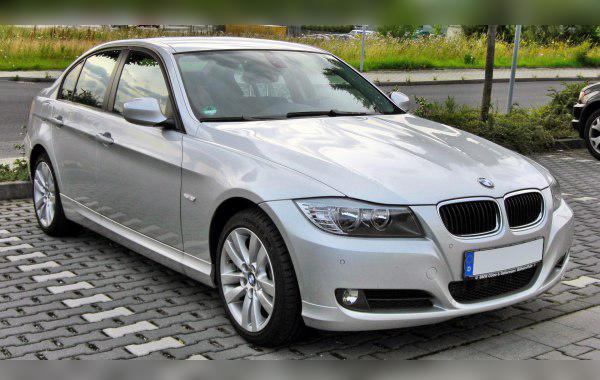
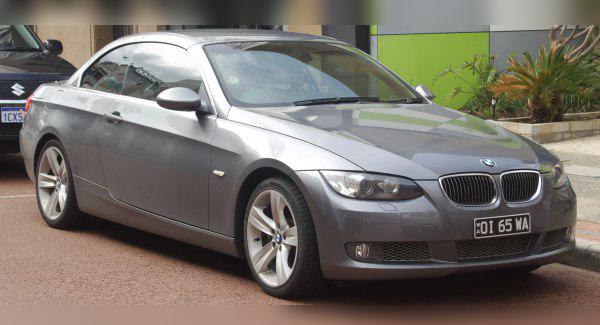
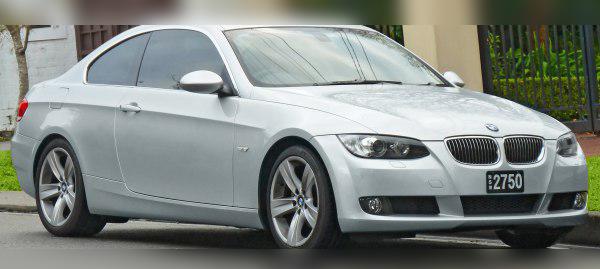
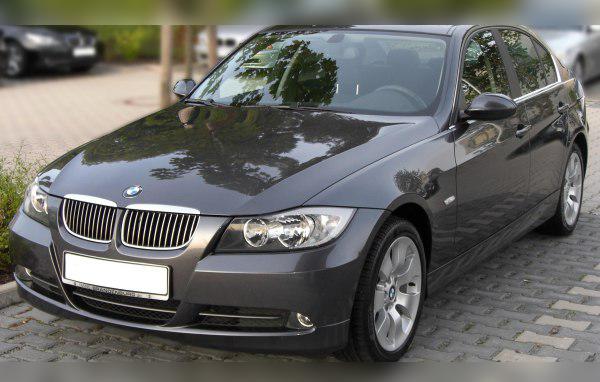
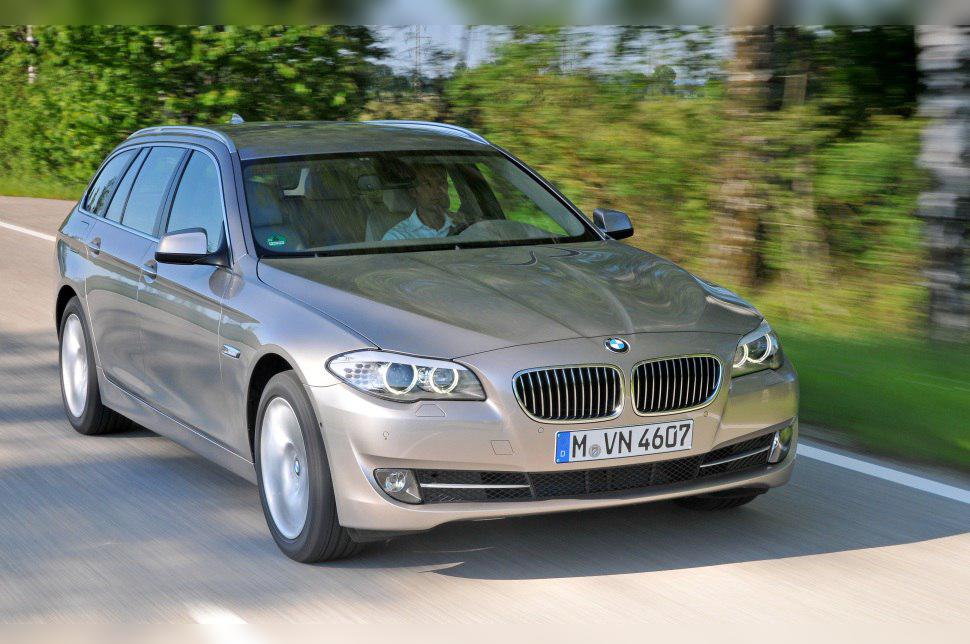
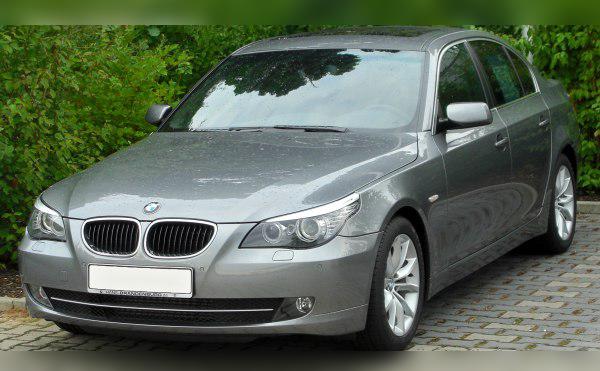
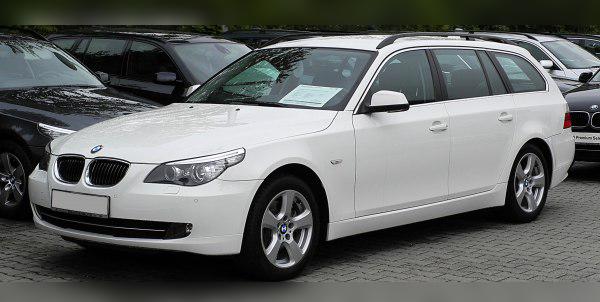
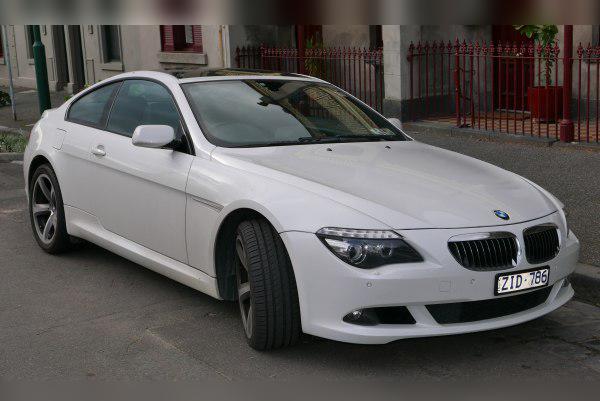
The N53B30A engine with 272 HP represents a transitional, yet extremely important engineering period for BMW. It was created as a direct successor to the N52, but BMW integrated into it a high-pressure direct injection system (HPI) and lean-burn technology in order to meet stricter emission standards. This unit was installed in a wide range of vehicles in the late 2000s and early 2010s – mostly in the E9x 3 Series (330i), E6x and F1x 5 Series (530i), as well as the 6 Series (630i).
While brand enthusiasts were thrilled that they could still buy a pure 3‑liter inline-six without a turbo, mechanics quickly got to know the dark side of its innovative injection system.
Technical specifications
| Parameter | Data |
|---|---|
| Displacement | 2996 cc |
| Power | 200 kW (272 HP) |
| Torque | 320 Nm |
| Engine code | N53B30A |
| Injection type | Direct injection (HPI – piezo injectors) |
| Turbo/NA | Naturally aspirated engine |
Reliability and maintenance
Timing: Chain, not belt
Like every proper BMW from this period, the engine uses a timing chain. The chain on the N53 has proven to be significantly more durable compared to the infamous N47 diesel engines, but it is not immune to stretching at high mileage. A major service involves replacing the entire chain set, guides and tensioners, and is usually done preventively between 200,000 and 250,000 km. A rattling noise from the top of the engine on a cold start is a clear sign that the chain guides are at the end of their life.
Oil and regular servicing
The N53B30A sump holds around 6.5 liters of oil. Fully synthetic oil with a viscosity of 5W-30 or 5W-40 (LL-04 specification is mandatory) is most commonly recommended. As for oil consumption, these engines are not known as extreme oil burners like the older M54, but some consumption is present. Consumption of around 1 liter per 3,000 to 5,000 km is considered acceptable. If the engine consumes more, the problem often lies in the crankcase ventilation system (PCV valve), which is unfortunately integrated into the valve cover, so replacing the entire cover is a common and rather expensive procedure (depends on the market).
Ignition system
Since this is a high-compression, lean-burn petrol engine, the ignition system is under huge stress. Spark plugs must be replaced every 50,000 to 60,000 km. If this interval is ignored, the coils will fail, and on N53 engines they are practically consumable items. The driver will notice this as engine “stumbling” under acceleration and the car going into limp mode (safety mode).
Specific parts and costs
Injection system: A nightmare for owners
This is by far the most important paragraph you need to read. The N53 has a direct injection system that uses piezo-electric injectors. These injectors are notoriously problematic. Symptoms of failure include rough running on cold start, black smoke from the exhaust, engine hesitation and a strong smell of petrol in the engine oil. The price of new injectors (look only for the “Index 11” revision, which is more reliable) is very high (depends on the market), and they usually have to be replaced in sets of three or all six. Refurbishing piezo injectors is not a long-term solution.
In addition to the injectors, the engine uses a high-pressure fuel pump (HPFP), which also fails due to poor fuel quality or material fatigue, manifesting as long cranking before the engine starts.
Emissions: NOx system and absence of EGR/DPF
Since it is a petrol engine, it has no DPF filter or AdBlue fluid. However, it has something equally frustrating: a NOx sensor and NOx catalyst. In order to meet emission standards while retaining power, the engine runs a lean mixture at lower revs. This creates high temperatures and nitrogen oxides which the NOx catalyst must neutralise. When the NOx sensor (which is extremely expensive) fails, the engine loses the ability to run in lean-burn mode. Symptoms? It will not necessarily throw an error immediately, but fuel consumption will increase by up to 30%.
There is no turbocharger, since this is a naturally aspirated engine, which at least saves you from the expensive turbocharger overhauls found on N54 and N55 engines.
Fuel consumption and performance
Real-world fuel consumption
Expect serious numbers. In city driving, the heavy body of a 5 Series BMW (such as the F10) combined with a 3.0‑liter naturally aspirated engine results in fuel consumption of 13 to 15 l/100 km. In the lighter 3 Series (E90) it can be around 12 l/100 km, but going below that in real traffic is unrealistic.
Performance and driving characteristics
This engine is anything but “lazy”. With 272 HP and 320 Nm of torque, acceleration is fantastic. However, peak torque is high in the rev range, so for maximum performance you need to rev it hard. Throttle response is instant (an advantage of a naturally aspirated engine over a turbo). On the motorway it is brilliant. At 130 km/h in sixth gear, the tachometer sits at a comfortable 2,600–2,800 rpm, and fuel consumption drops to a respectable 7.5 to 8.5 l/100 km, depending on the vehicle model and tyre width.
Additional options and modifications
LPG installation
Forget LPG. Although in theory it is possible to install systems for liquid direct LPG injection, in practice this means astronomical costs (depends on the market) that exceed any savings. In addition, the piezo injectors are cooled by petrol flowing through them; running on standard LPG systems (where the engine uses a small amount of petrol for cooling) eventually leads to overheating and permanent damage to the already extremely expensive petrol injectors.
Chiptuning (Stage 1)
Unlike turbo engines where remapping brings huge power gains, on the naturally aspirated N53 a Stage 1 map usually gives only 10 to 15 HP more. The rev limiter is raised slightly and throttle response becomes sharper, but in terms of pure acceleration the difference is barely noticeable. The investment in remapping this engine is generally not worth it.
Gearbox and drivetrain
Manual and automatic gearboxes
The N53 was paired with six-speed manual gearboxes as well as six-speed ZF 6HP automatics (in E-series models). Later iterations in the F10 5 Series received the phenomenal eight-speed ZF 8HP automatic.
Dual-mass flywheel and clutch
Yes, versions with a manual gearbox have a dual-mass flywheel to dampen the vibrations of the powerful six-cylinder and protect the gearbox. Its lifespan is long (often over 200,000 km if the car is mostly driven on the open road), but when the time comes to replace the clutch kit with the flywheel, the cost is quite high (depends on the market).
Gearbox failures and maintenance
Manual gearboxes are mechanically almost indestructible. As for the automatic (ZF 6HP), it requires an oil and filter (sump) change every 80,000 to 100,000 km. The most common problems include oil leaks at the so‑called “mechatronic sleeve” (plastic connector) or wear of the solenoids in the mechatronic unit, which causes jerks when shifting from second to first gear while braking.
Buying used and conclusion
What to check before buying?
If you find yourself looking at a car with the N53B30A engine, follow these steps, because mistakes when buying can cost thousands of euros:
- Completely cold start: The engine must immediately settle into a smooth idle. If the revs fluctuate and the engine noticeably vibrates for the first two minutes, the injectors are almost certainly damaged.
- Exhaust and oil smell: Black soot on the exhaust tips is normal for direct injection, but fresh droplets, a strong smell of raw fuel from the exhaust, or petrol in the engine oil are a sign to walk away.
- Professional diagnostics while driving: You must read the NOx sensor values and check whether the engine successfully enters “stratified charge” (lean-burn mode).
- Water pump: Ask for the service history to see whether the electric water pump has already been replaced. If not, expect it to fail while driving without prior warning and set money aside.
Who is this engine for?
The 272 HP BMW N53B30A is an engine with two completely different faces. On one side, it is flawless from a driver’s perspective. The sound at high revs is beautiful, acceleration is linear, and for a 3.0 petrol it is very economical on the open road. On the other side, it is an engineering black hole in terms of maintenance due to the extremely expensive and problematic piezo injectors, HPFP and NOx system.
Should you buy it? Only if you are a car enthusiast who consciously wants a naturally aspirated inline-six from BMW’s last NA era, and you have a dedicated financial reserve ready for preventive maintenance of the injection system. If you are looking for a reliable workhorse with cheap maintenance – the N53 engine is best avoided by a wide margin.