BMW N57D30A (245 hp): Experiences, Problems, Fuel Consumption and Used Car Buying Tips
Key points (TL;DR)
- Powerful and incredibly refined 3‑liter inline‑6 diesel that delivers serious performance.
- The timing chain is located at the rear of the engine (towards the cabin), which makes the major service labor‑intensive and very expensive.
- Bosch CP4 high‑pressure fuel pump is the biggest potential ticking time bomb of this engine – it can destroy the entire injection system.
- Intake manifold and EGR valve are prone to soot build‑up, especially on cars that are driven mostly in city traffic.
- TwinPower Turbo is a marketing name; the engine has only one turbocharger with variable geometry.
- Transmissions (especially ZF automatics) are excellent, but require regular oil changes every 80,000 to 100,000 km.
- Handles Stage 1 remap very well and is one of the best engines for long highway journeys.
Contents
- Introduction: Successor to a legend
- Technical specifications
- Reliability and Maintenance
- Specific Parts and Costs
- Fuel Consumption and Performance
- Additional Options and Modifications
- Transmission and Drivetrain
- Buying Used and Conclusion
Introduction: Successor to a legend
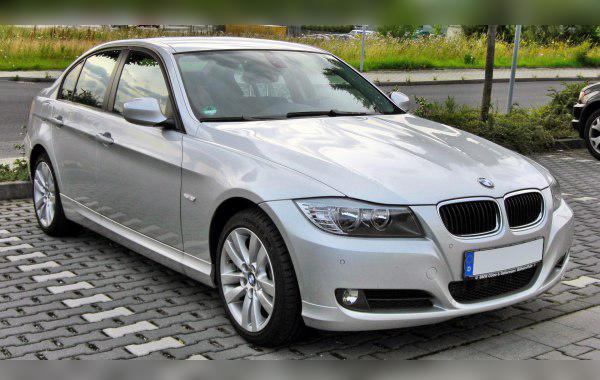
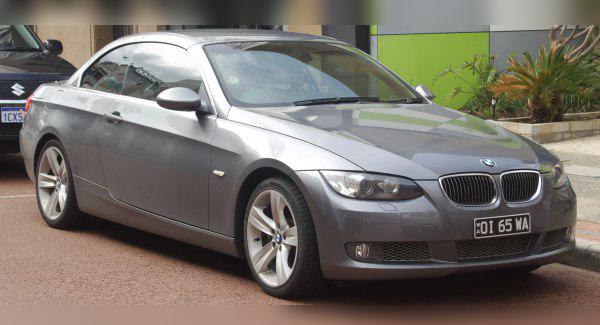
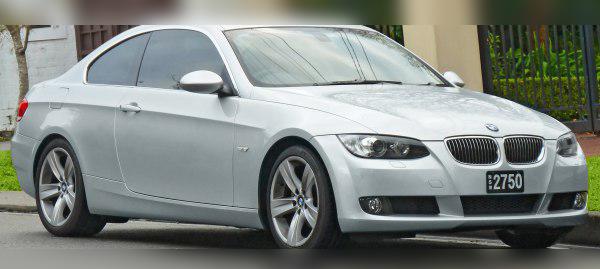
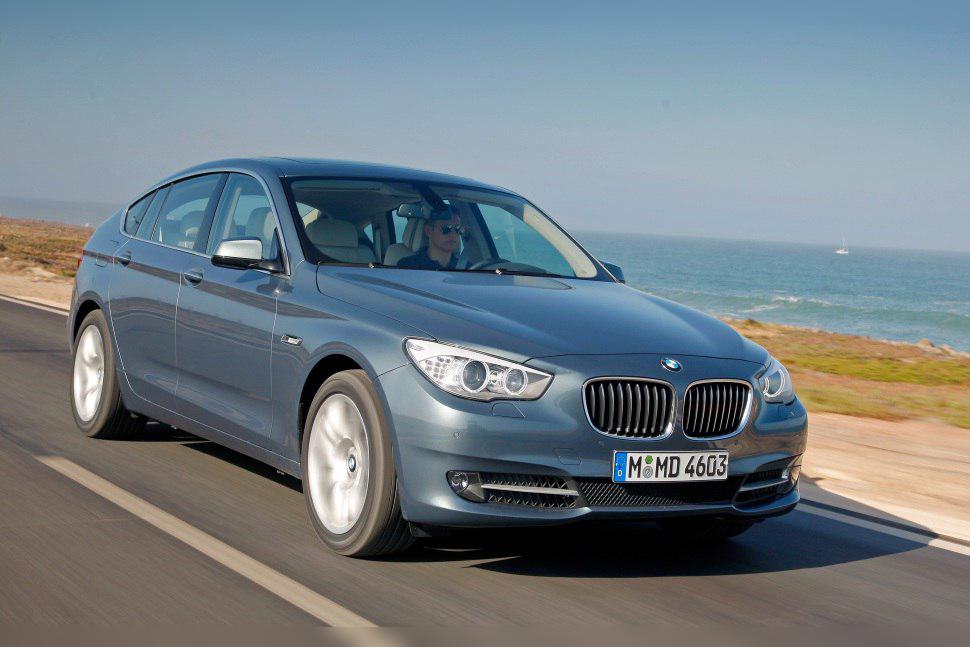
The engine designated N57D30A (in its 180 kW / 245 hp version) marks a completely new era for BMW. It came as a replacement for the legendary but architecturally outdated M57 engine. Unlike its predecessor, the N57 uses an all‑aluminum block, which significantly reduces weight over the front axle and directly improves driving dynamics in 3 Series, 5 Series, as well as the massive X5 and X6 SUVs.
BMW installed it in the late 2000s and early 2010s (from E90 LCI to F10 and F01 models). This powerplant offers an incredible balance between a generous torque output of 540 Nm and reasonable fuel consumption, but it also brings some radical engineering changes that directly affect the maintenance budget.
Technical specifications
| Specification | Data |
|---|---|
| Displacement | 2993 cc |
| Engine power | 180 kW (245 hp) |
| Torque | 540 Nm |
| Engine code | N57D30O0 / N57D30A |
| Fuel type and injection | Diesel, common‑rail (Bosch piezo/solenoid) |
| Charging system | Single VGT turbocharger (TwinPower Turbo marketing), intercooler |
Reliability and Maintenance
Powertrain: Timing system (chain)
The first and most important question every buyer asks: Does this engine have a timing belt or a chain? The N57 uses a timing chain. However, BMW made a controversial move and relocated the chain system from the front to the rear of the engine, right next to the transmission. Because of this design, when the time comes for a major service, the transmission (and often the entire engine) has to be removed. The major service is done preventively at around 150,000 to 200,000 km. Replacement is very expensive (depends on the market), primarily due to the large number of labor hours.
Engine oil and service intervals
This engine takes about 7.2 liters of oil. Fully synthetic oil of grade 5W‑30 or 5W‑40 that meets the BMW LL‑04 specification (because of the DPF) is most commonly recommended. Forget the factory interval of 30,000 km – if you want a long‑lasting engine and a healthy turbo, change the oil strictly every 10,000 to 15,000 km. As for oil consumption between services, the N57 is not known as a heavy oil burner. A loss of 0.5 to 1 liter per 10,000 km on higher‑mileage engines is considered completely normal, but any higher loss indicates leaks at seals or a worn turbocharger.
Injectors and the most common failures
This is a diesel engine only (no spark plugs, but glow plugs instead), so the injectors are a key component. The system uses advanced Bosch injectors that are generally very durable. With good‑quality fuel they can easily last 200,000 to 250,000 km without issues. When they start to fail, symptoms include rough idle (the well‑known BMW engine "rocking"), hard starting and increased smoke. Replacing or refurbishing injectors falls into the category of expensive (depends on the market).
The most common engine issues: timing chain stretch, soot build‑up in the intake manifold (which causes the infamous intake swirl flaps to fail), cracking or leaking of the EGR cooler and the notorious failure of the high‑pressure fuel pump.
Specific Parts and Costs
Fuel injection system: The engine’s Achilles’ heel
The injection system is top‑notch in terms of performance, but it hides a serious flaw – the Bosch CP4 high‑pressure pump. This pump is known for the fact that, under poor lubrication conditions (due to lower‑quality diesel fuel), it starts to wear internally and sends fine metal shavings through the entire fuel system. If this happens, both the pump and the injectors have to be replaced, and the entire tank and fuel lines must be flushed. The cost is extremely high (depends on the market). Many experienced owners proactively inspect the pressure control valve (IMV) on the pump looking for signs of metallic dust.
Turbocharger: What does TwinPower actually mean?
Although BMW officially uses the name TwinPower Turbo, don’t be misled – the 245 hp N57D30A version has only one turbocharger. It is a variable geometry turbo (VGT). The word "TwinPower" refers to exhaust gas optimization technology, not to the number of turbochargers. The turbo itself is extremely durable and easily exceeds 250,000 km, provided you don’t shut the engine off immediately after hard highway driving and you change high‑quality oil regularly.
DPF, EGR and AdBlue system
The N57 is equipped with both a DPF filter and an EGR valve. These systems are extremely problematic if the car is driven exclusively in the city on short trips, because the DPF cannot complete regeneration and becomes clogged. In addition, the EGR cooler was the subject of an official factory recall campaign, because there was a risk of coolant leaking into the intake, which could cause a fire or hydrolock.
As for the AdBlue system (SCR technology), the 245 hp versions mostly comply with Euro 5 standards and most of them do not have AdBlue. However, some models (for example with the optional BluePerformance package as preparation for Euro 6) are equipped with it. On those cars, the AdBlue system is sensitive, NOx sensors often fail, and repairing the tank module is not cheap.
Fuel Consumption and Performance
City, open road and cruising
What is the real‑world fuel consumption? It depends on the body style. In lighter models (3 Series E90/E92 or 5 Series F10), city consumption is between 8.5 and 10 l/100 km. In heavy SUVs like the X5 (E70) and X6, in the city you should expect 10 to 12 l/100 km, especially with xDrive all‑wheel drive.
Is the engine "lazy"? Absolutely not. With 540 Nm of torque available from just 1,750 rpm, the N57 has no trouble at all hauling even the heaviest models it was fitted to. Acceleration is brutal, and the power delivery is exceptionally linear for a diesel.
It really shows its true character on the highway. Thanks to fantastic pairing with the transmissions, at 130 km/h the engine spins at a low 1,800 to 2,000 rpm (depending on whether it’s a manual or an automatic). In these conditions, fuel consumption can drop to just 6 to 7 liters per 100 km, making it a superb long‑distance cruiser.
Additional Options and Modifications
Since this is a diesel engine, LPG conversion is neither technically possible nor logical. However, when it comes to a Stage 1 remap, this engine block is among the best in the world.
The 245 hp version is extremely robust. Without any hardware changes (stock turbo, injectors and intercooler), just with an ECU remap, the N57D30A can be safely taken to around 290 to 300 hp, while torque jumps to an impressive 600 to 630 Nm. If the car is in good condition, the transmissions can easily handle this increase, and the car’s acceleration moves into genuine sports‑car territory.
Transmission and Drivetrain
Manual and automatic transmissions
Depending on the model year and vehicle, this engine came with 6‑speed manual or automatic transmissions. In earlier iterations (E90 facelift, early E70), it was paired with the ZF 6‑speed automatic (ZF6HP), while in newer models (F10, F01) it was mated to the incomparably better and faster ZF 8‑speed automatic (ZF8HP), which is one of the best automatic transmissions in the world.
Transmission failures and maintenance
Manual transmissions are mechanically almost indestructible, but they use a dual‑mass flywheel of huge dimensions to tame the 540 Nm of diesel torque. When the clutch and dual‑mass flywheel wear out (symptoms: shuddering when taking off, heavy clutch pedal, metallic noises when switching the engine off), the cost of replacing the complete set (flywheel, clutch disc, pressure plate, release bearing) is very high (depends on the market).
Automatic transmissions (ZF) operate with a hydraulic torque converter and mechatronics, so they do not use a conventional dual‑mass flywheel. The most common automatic gearbox issues are related to valves in the mechatronic unit (harsh shifts, jerking when shifting from 2nd to 1st gear). BMW claimed that the oil in automatic transmissions is "lifetime", which is an absolute myth that has destroyed many gearboxes. The transmission manufacturer (ZF) itself recommends that the oil and pan (with integrated filter) must be changed every 80,000 to 100,000 km. A regularly serviced ZF easily covers 300,000+ km without problems.
Buying Used and Conclusion
What must be checked before buying?
Inspection of an N57 engine before purchase has to be rigorous:
- Cold start sound test: The car must be completely cold before you start it. Listen carefully to the rear of the engine near the firewall. Rattling or metallic scraping in the first few seconds is a clear sign that the timing chain is stretched.
- Computer diagnostics: Using a diagnostic tool (preferably BMW ISTA), injector correction values, DPF backpressure (which shows how clogged it is) and regeneration history must be checked.
- Exhaust smoke: An N57 with a healthy DPF filter should not emit a single puff of black smoke, even under sudden throttle. Any smoke (blue for oil, white for coolant or unburnt diesel, black for too much fuel/lack of air) is an indicator of serious and expensive issues.
- Check oil and coolant: Look for oily traces under the intake manifold and around the EGR cooler.
Who is this engine for?
The 245 hp BMW N57D30A is not an engine for beginners on a tight budget, nor for people who only need a car for a 5‑kilometer city commute. Maintaining a premium 3‑liter‑class vehicle is demanding.
This is an engine intended for serious drivers and those who spend a lot of time on open roads and highways. If you buy a car with a verifiable service history, with the chain already replaced and regular maintenance, you’ll get a powerplant that offers impressive performance with an incredible level of refinement – a true engineering gem from Munich.