BMW N62B48 V8 engine: Experiences, problems, fuel consumption and used-car buying tips
- Exceptional sound and powerful performance (367 hp, 490 Nm) from a large naturally aspirated V8 engine.
- Chronic oil leak issues (alternator bracket gasket, valve cover gaskets).
- Well-known and very expensive issue with failing valve stem seals that cause high oil consumption.
- The engine uses a timing chain, which is generally reliable, but the guides become brittle over time.
- Extremely high fuel consumption in city driving (often over 18 l/100 km).
- Maintenance costs are very high (depend on the market), requiring a skilled specialist and premium parts.
- No turbocharger or DPF issues, but the Valvetronic system can cause headaches if not properly maintained.
Contents
- Introduction: The golden era of BMW naturally aspirated V8 engines
- Technical specifications
- Reliability, maintenance and common failures
- Specific parts and costs
- Fuel consumption and performance
- Additional options and modifications (LPG and remapping)
- Gearboxes, clutch and transmission maintenance
- Buying used and final verdict
Introduction: The golden era of BMW naturally aspirated V8 engines
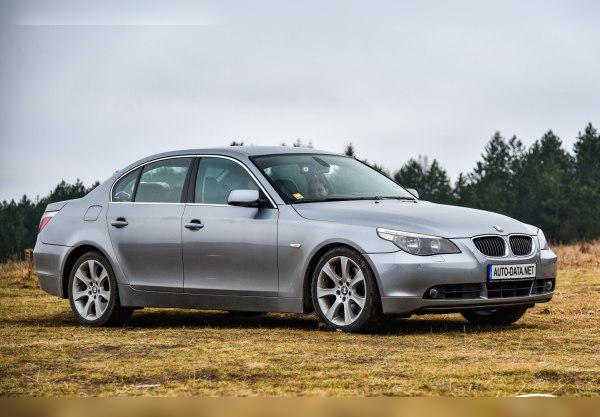
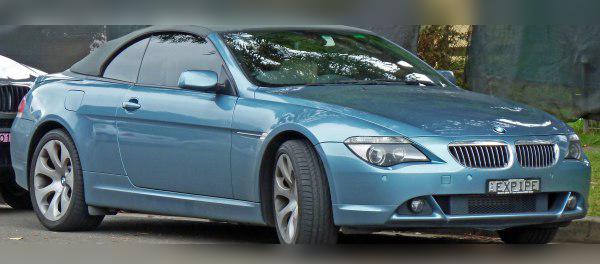
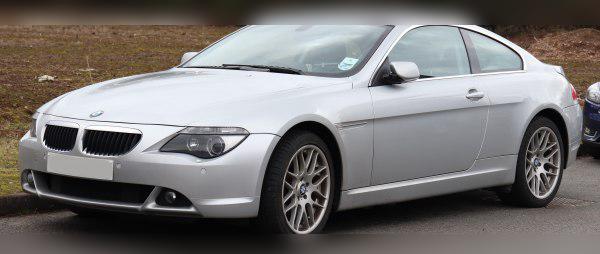
BMW’s N62B48 is a masterpiece of German engineering from the early and mid-2000s. It represents the pinnacle of naturally aspirated V8 development before the industry shifted to mass downsizing and turbo technology. It was installed in heavyweights and grand-touring models, delivering superb elasticity and smooth operation. It was the heart of models such as the 5 Series (E60/E61 550i), 6 Series (E63/E64 650i) and the luxury cruiser 7 Series (E65/E66 750i/750Li). It is equipped with advanced Double VANOS (variable valve timing) and a Valvetronic system (variable valve lift that eliminates the conventional throttle body). Although technically brilliant, this engine today demands deep pockets and a lot of attention.
Technical specifications
| Characteristic | Specification |
|---|---|
| Displacement | 4799 cc |
| Power | 270 kW (367 hp) |
| Torque | 490 Nm at 3400 rpm |
| Engine codes | N62B48, N62TUB48 |
| Injection type | Indirect (multi-point fuel injection) |
| Aspiration | Naturally aspirated engine |
Reliability, maintenance and common failures
Timing chain, major service and intervals
This engine uses a fairly massive timing chain. Unlike some newer, smaller BMW engines where the chain fails early, on the N62 it is robust. However, due to the very high operating temperature of the V8 block, the plastic chain guides and tensioners become brittle over time and break. The major timing service is usually done preventively between 200,000 and 250,000 km. If you hear metallic rattling or scraping from the front of the engine on the first cold start in the morning, it’s time for an urgent replacement.
Engine oil and excessive consumption
The N62B48 takes a substantial 8.0 liters of oil. High-quality synthetic oil is recommended, most often in grades 5W-30 or 5W-40, with mandatory compliance with the BMW Longlife-01 specification. Although BMW prescribes long intervals, in practice you should change the oil at 10,000 to 12,000 km at the latest to protect the Valvetronic and VANOS systems.
Oil consumption is the main sore point of this engine. BMW states that up to 1 liter per 5,000 km is normal, but in reality many units consume 1 liter in just 1,000 km! The main culprit is the valve stem seals. Due to high temperatures they harden and no longer seal properly. Symptom: Let the engine idle at operating temperature for about 5 to 10 minutes. Then sharply rev it. If a cloud of blue smoke comes out of the exhaust, the seals are due for replacement. The repair is very expensive (depends on the market) because it requires serious disassembly or the use of very specific tools to do the job without removing the cylinder heads.
Cooling system and known N62 engine failures
Besides the valve stem seals, the engine has several critical weak points:
- Alternator bracket gasket oil leak: Oil leaks directly from the block at this point. The gasket itself is cheap, but the labor is extremely extensive and involves removing half of the car’s front end, which makes this repair expensive (depends on the market).
- Coolant pipe in the V-block (the so-called "Bimmer pipe"): Coolant leaks from the pipe that runs through the middle of the V engine under the intake manifold. The original repair requires engine removal or timing disassembly. Today there are aftermarket telescopic pipes that drastically reduce the cost of the procedure, but coolant leaking at the front (below the water pump) is a red flag.
Spark plugs and ignition
Since this is a petrol engine, proper ignition is crucial for smooth running. It is recommended to replace iridium or platinum spark plugs every 60,000 to 80,000 km. Also, the ignition coils on this engine often fail due to age and heat, manifesting as jerking under acceleration and misfire codes on diagnostics for a specific cylinder.
Specific parts and costs
Fuel injection
Fortunately, the N62B48 uses traditional port (indirect) injection into the intake manifold, not direct injection like its successor, the N63. The injectors are therefore very durable and rarely fail. If they become slightly clogged due to poor fuel quality, ultrasonic cleaning is usually sufficient and not expensive at all (depends on the market).
Turbo, DPF, AdBlue and EGR
Great news for potential buyers: this is a true naturally aspirated V8! There are no turbochargers (neither one nor two). As a petrol engine of this generation, it does not have a DPF filter or a complex AdBlue system used on modern diesels. It also does not have a conventional external EGR valve that owners often have trouble with (soot clogging). The N62 performs exhaust gas recirculation internally by varying valve timing via the VANOS system. This means significantly less buildup in the intake manifold compared to modern engines.
Fuel consumption and performance
City driving and “laziness”
With an impressive 490 Nm of torque available at 3,400 rpm, this engine is absolutely not lazy, even in heavy bodies such as the 7 Series (E65) or 5 Series Touring (E61), which weigh close to two tons. Throttle response is brutal and immediate, typical of powerful naturally aspirated engines.
However, physics cannot be cheated. A 4.8-liter V8 in stop-and-go traffic drinks fuel. Real-world city consumption rarely drops below 16 l/100 km, while in heavier traffic and with the air conditioning on it easily goes to 18 to 22 l/100 km.
On the highway
The N62B48 is in its natural habitat on the open road. Thanks to its strong torque, at 130 km/h the engine “sleeps” at a relaxed 2,000 to 2,200 rpm (depending on whether it’s a manual or the ZF 6-speed automatic). In this cruising mode, fuel consumption drops to a surprisingly pleasant 9.5 to 11 l/100 km.
Additional options and modifications (LPG and remapping)
LPG conversion
Although the engine has port injection, LPG conversion is generally not recommended or requires a truly top-notch specialist. The problem lies in the Valvetronic system. The engine does not have standard vacuum in the intake manifold because the throttle plate is fully open and air is metered by valve lift. LPG vaporizers and software must be specifically calibrated for this. If the job is done poorly, the car will constantly trigger a Check Engine light and run rough at idle.
Chip tuning (Stage 1)
Remapping naturally aspirated petrol engines always yields modest gains. A safe Stage 1 remap adds about 15 to at most 25 hp, with around 20 to 25 Nm of torque. A noticeable difference is felt mainly in sharper throttle response, which the tuner can adjust, and in removing the factory top-speed limiter (V-max). From a financial standpoint, the cost-to-gain ratio here is not particularly favorable.
Gearboxes, clutch and transmission maintenance
Manual and automatic gearboxes
The engine was paired with two options: a 6-speed manual gearbox (most commonly in the E60 550i and E63 650i, while very rare in the 7 Series) and, in 90% of cases, the excellent 6-speed automatic gearbox by ZF (model ZF 6HP26), known as Steptronic.
Failures, dual-mass flywheel and clutch
Models with a manual gearbox have a dual-mass flywheel. With this much power and vehicle weight, wear is increased if driven aggressively. Replacing the complete clutch kit together with the dual-mass flywheel is an expensive job (depends on the market) due to the massive size of the components, but the manual gearbox itself is practically indestructible.
On the ZF 6HP automatic the most common issues include:
- Oil leaks at the “mechatronic sleeve” (connector seals) and from the plastic oil pan itself.
- Harsh gear changes (a kick when downshifting from 2nd to 1st), which indicates worn solenoids in the mechatronic unit and failing internal seals (the so-called “zip kit”).
Transmission service
Do not believe the old BMW story about lifetime transmission fluid. The gearbox manufacturer (ZF) explicitly requires oil and filter changes (on this model the filter is an integral part of the plastic pan) every 80,000 to 100,000 km. Regular servicing guarantees smooth operation and long transmission life.
Buying used and final verdict
What to check when buying?
- Blue smoke symptom: Be sure to perform the hot-idle test with a sudden throttle blip. If it smokes, expect huge costs for valve stem seal replacement.
- Cold start: Start the car in the morning and listen for metallic rattling (chain and VANOS gears).
- Leak inspection: Put the car on a lift and remove the undertray (plastic shield under the engine). Check the rear of the engine and the area under the alternator. If everything is oily, serious investment in resealing will be required.
- Cooling system: Use an endoscope camera through the central opening under the intake manifold to check for pink/blue traces of coolant leakage (the notorious “Bimmer pipe”).
- Diagnostics: Always connect diagnostics specifically calibrated for BMW (ISTA, INPA) to check codes related to the Valvetronic motors, VANOS solenoids and camshaft position sensor calibration values.
Conclusion: Who is the N62B48 for?
This 4.8-liter V8 is a machine with a fantastic sound, incredible power delivery and luxurious, smooth operation. However, it is definitely not an engine for those on a tight budget. Even if you buy the car cheaply, maintenance costs, fixing oil leaks, fuel consumption and high registration fees will quickly catch up with you. It is intended for true enthusiasts of large 8-cylinder petrol engines who drive the car for pleasure on open roads and are willing to pay a premium so that top mechanical condition matches the performance this beast offers.