BMW S63B44B (560 hp): Experiences, problems, fuel consumption and used car buying tips
- A beast in disguise: A bi-turbo V8 that delivers brutal performance, but demands a deep pocket for maintenance.
- Rod bearings are consumables: Preventive replacement at around 80,000 km is mandatory to avoid catastrophe.
- Hellish temperatures: The “Hot-V” layout with turbos between the cylinder banks cooks seals, hoses and plastic parts of the cooling system.
- Oil consumption is normal: Expect to top up oil regularly; one liter per 3,000 km is considered perfectly acceptable.
- Injectors and spark plugs need attention: The sensitive direct injection system requires top-quality fuel and frequent spark plug changes.
- The DCT gearbox is brilliant but delicate: Regular gearbox service every 60,000 km protects the mechatronics and clutch pack.
- Buying: Never buy without detailed diagnostics and a thorough service history check. “Budget” maintenance simply does not exist with this engine.
Contents
- Introduction: Meet the S63B44B
- Technical specifications
- Reliability and maintenance
- Specific parts and costs
- Fuel consumption and performance
- Additional options and modifications
- Gearbox: DCT and manual
- Buying used and conclusion
Introduction: Meet the S63B44B
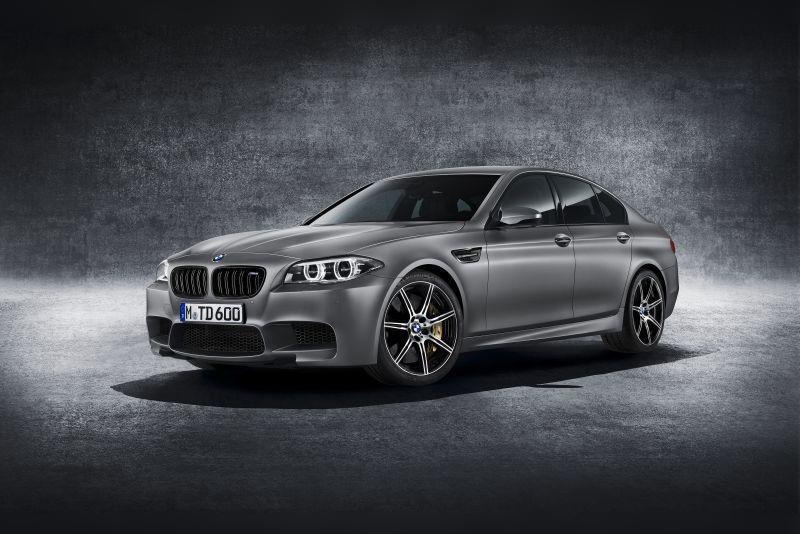
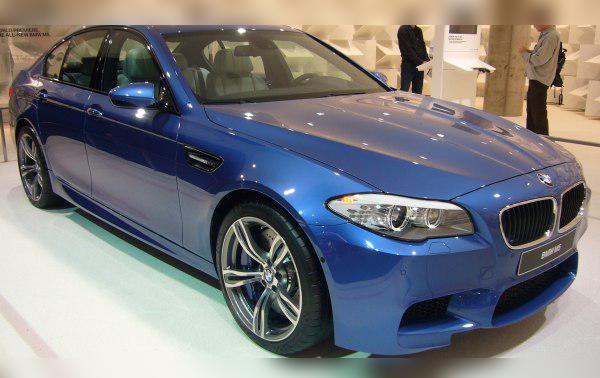
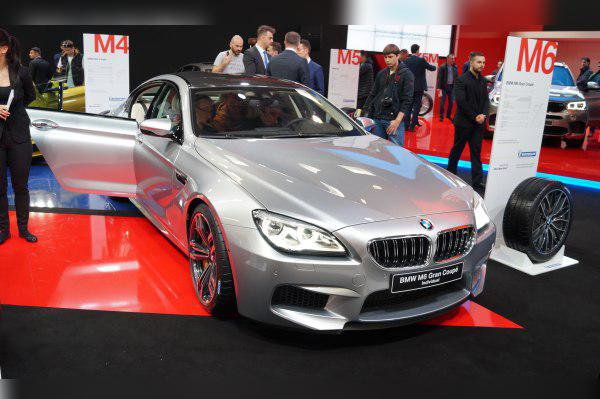
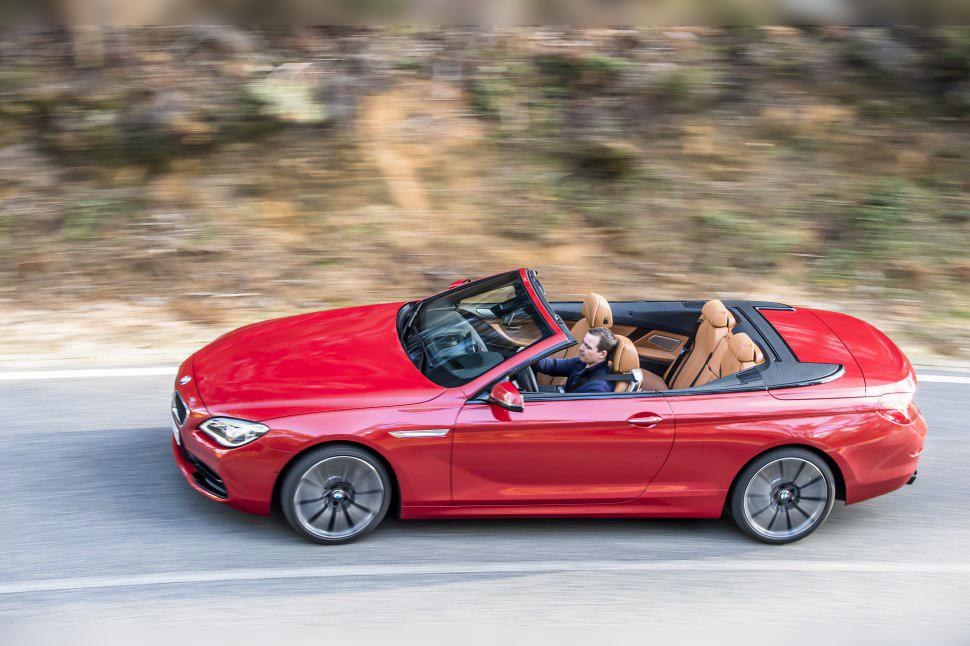
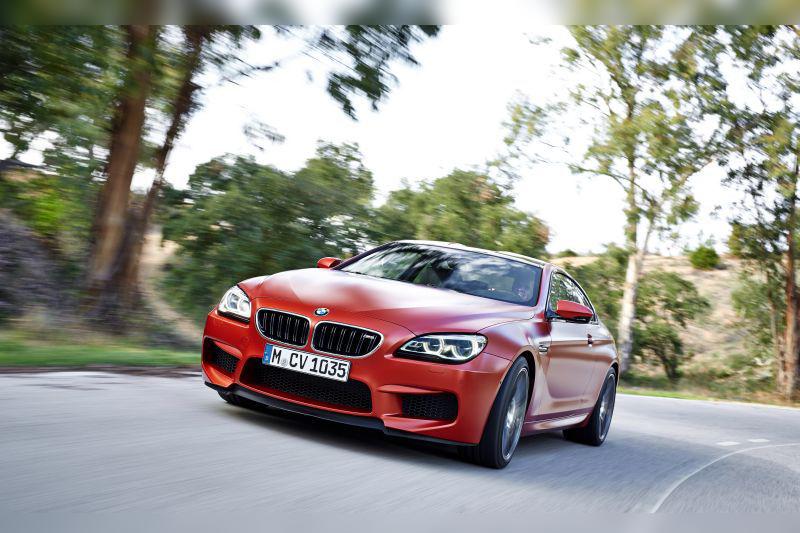
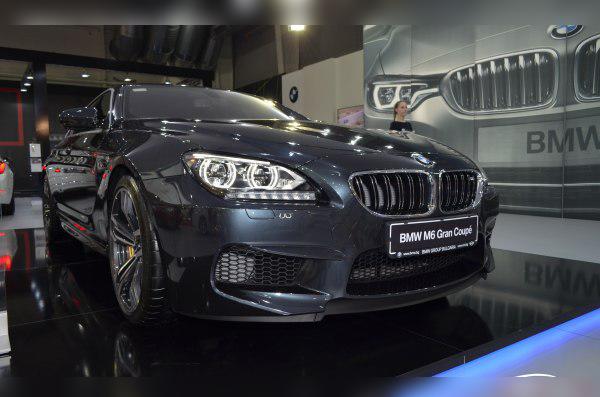
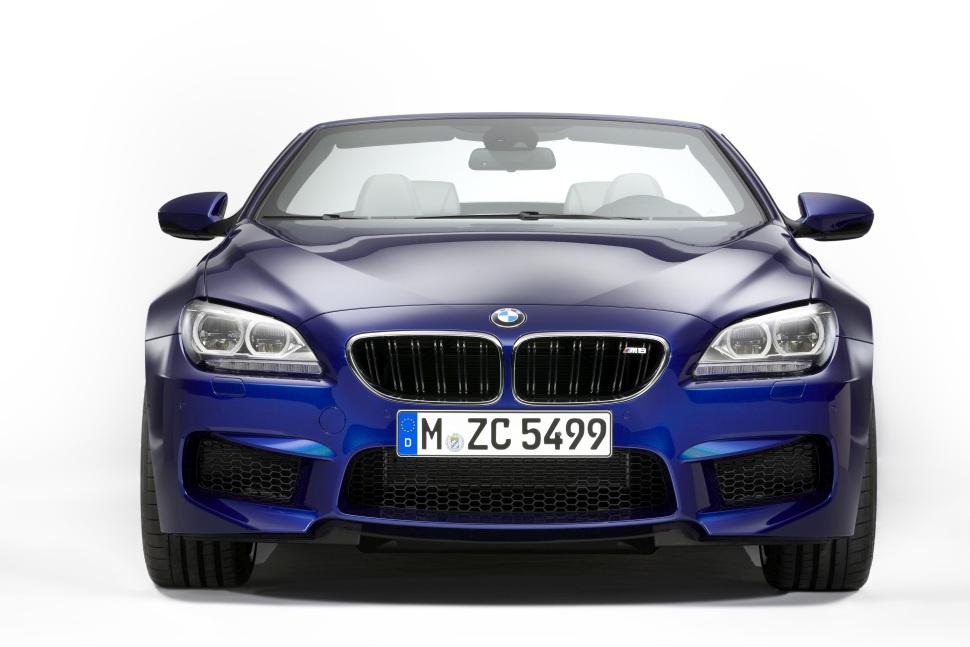
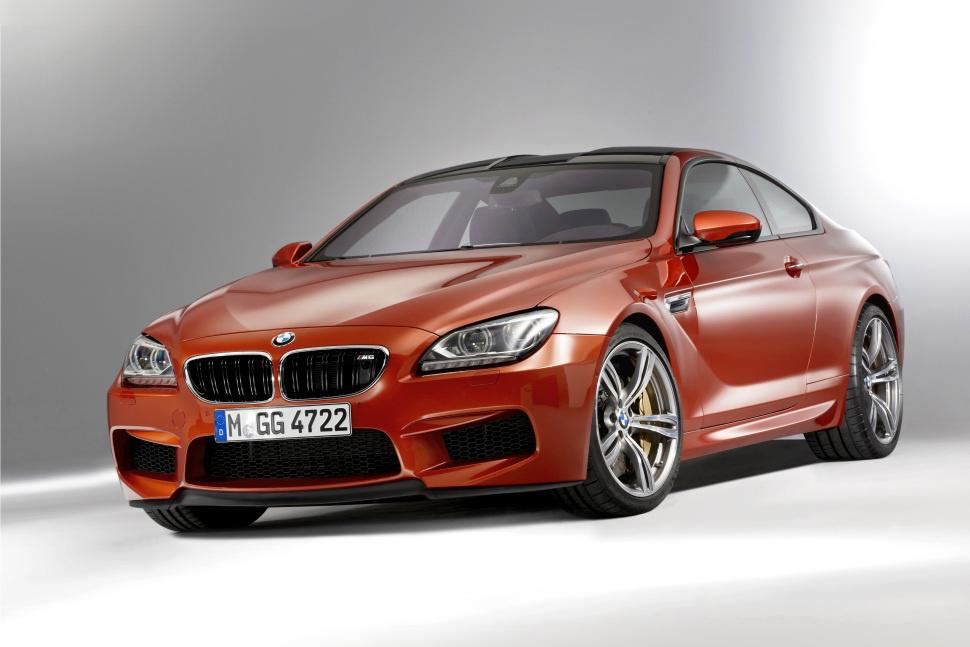
The S63B44B engine is a masterpiece of engineering from BMW’s M division. It is a 4.4‑liter V8 unit equipped with two turbochargers, designed to power high‑performance “heavyweights” such as the M5 (F10) and the entire M6 range (F06, F12, F13). This engine was revolutionary because of its so‑called “Hot‑V” architecture, where the turbochargers are placed in the “V” between the cylinder banks. This allowed a drastic reduction in turbo lag and near‑instant throttle response, but at the same time created enormous thermal stress that owners are still dealing with years later. If you are buying an M5 or M6 from this generation, the S63B44B is the heart of that car – a heart that beats incredibly hard, but requires intensive “cardiology” care from a skilled mechanic.
Technical specifications
| Specification | Data |
|---|---|
| Displacement | 4395 cc |
| Power | 412 kW (560 hp) at 6000–7000 rpm |
| Torque | 680 Nm at 1500–5750 rpm |
| Engine code | S63B44B |
| Injection type | High‑pressure direct injection (HPI) |
| Charging | Bi‑Turbo (twin‑scroll), intercooler |
Reliability and maintenance
Timing chain or belt?
Like every thoroughbred engine from this manufacturer, the S63B44B uses a timing chain. Unfortunately, the chain is not eternal. Due to enormous loads and high operating temperatures, the plastic chain guides become brittle and crack, and the chain itself can stretch. Symptoms include rough running on cold start, rattling noises from the front of the engine, and the “Check Engine” light coming on due to camshaft timing deviations. It is recommended to thoroughly inspect the chain at around 100,000 km.
Most common failures and the “major service”
This engine has several “weak spots” you must know by heart before buying. The most critical issue is the crankshaft rod bearings. By design they are narrow, while the engine produces enormous torque at very low revs. The bearing material wears out, and if they are not replaced in time, the engine can “seize”, which means a destroyed block and a repair that is extremely expensive (depends on the market). That is why the “major service” on this engine does not refer only to the chain; preventive replacement of the rod bearings is done every 80,000 to 100,000 km.
In addition, due to the aforementioned “Hot‑V” construction, a huge amount of heat is trapped on top of the engine. This leads to rapid deterioration of the valve stem seals (the engine starts to emit blue smoke from the exhaust when idling), as well as cracking of plastic coolant pipes and oil separator (PCV valve) components.
Oil: grade and consumption
The sump of this V8 holds about 8.5 liters of oil (varies depending on the exact sump and cooler configuration, check by VIN). The factory often specifies 5W‑30, but any experienced mechanic who services M models will recommend switching to a high‑quality synthetic 5W‑40 oil because of better temperature stability under load. An oil service must be done at a maximum of 8,000 to 10,000 km, never at the factory‑stated 25,000+ km intervals.
Does it consume oil? Absolutely. Due to forged components and large tolerances, oil consumption of 1 liter per 3,000 to 5,000 km is considered completely normal. If the engine consumes a liter per 1,000 km, it is time to inspect the turbos, the oil separator, or in the worst case, the piston rings and valve stem seals.
Spark plugs and coils
Since this is a petrol engine with high boost pressure, the ignition system is under heavy stress. Spark plugs must be replaced every 30,000 km (or every second to third oil service). Coils also fail due to heat, so it is not uncommon to replace them together with the plugs. If you feel misfires under full throttle, it is most often a sign that a coil or spark plug has failed.
Specific parts and costs
Dual‑mass flywheel
Although most of these models come with the automatic DCT gearbox (dual‑clutch), the system is equipped with a specific type of dual‑mass flywheel that serves to dampen torsional vibrations of the V8 before they reach the clutches. A “knocking” sound at idle that disappears when the operating mode changes may indicate excessive play. Replacing this part is very expensive (depends on the market).
Injection system and injectors
The S63B44B uses an advanced direct injection system. The injectors are very problematic. They can get dirty, but what is much more dangerous is their tendency to “leak” when the engine is off. If an injector does not seal properly, fuel will fill the cylinder. At the next start, a “hydrolock” can occur (liquid cannot be compressed), which instantly bends or breaks a connecting rod. That is why it is recommended to check the injectors via diagnostics and to avoid driving with a nearly empty tank. If the car cranks longer in the morning, runs rough for the first few seconds and smells strongly of raw fuel – have the injectors checked immediately. New injectors are very expensive (depends on the market).
Turbochargers and emissions
The engine has two twin‑scroll turbochargers. Their lifespan largely depends on driving style and regular cool‑down before switching the engine off. If you shut the car off immediately after aggressive driving, the oil in the turbos will turn into coke, destroying the turbo bearings. The expected lifespan of the turbos is around 120,000–150,000 km. Rebuilding or replacing the turbos is very expensive (depends on the market).
Since this is a petrol engine, it has no DPF filter or AdBlue system that plague diesel owners. It does not have a classic diesel‑type EGR, but it does have a fuel vapor recovery system and a complex crankcase ventilation system (CCV/PCV). Its plastic pipes crack due to heat, which causes unmetered air intake and increases oil consumption.
Fuel consumption and performance
City driving
If you are asking about this engine’s fuel consumption, it is probably not for you. In real city conditions with frequent stop‑and‑go traffic, consumption ranges from 18 to 25 liters per 100 kilometers. Using the start‑stop system only partially improves the situation, but adds extra strain on the starter and battery.
Is the engine “lazy”?
With 560 hp and a massive 680 Nm of torque available from just 1500 rpm, the word “lazy” simply does not exist in this engine’s vocabulary. Even though models like the M5 and M6 weigh close to two tons, acceleration is catapult‑like and throttle response (especially in Sport Plus mode) is instantaneous. The engine tears up the asphalt in every gear.
Highway cruising
The highway is this engine’s natural habitat. Thanks to the seven‑speed gearbox, at 130 km/h the engine cruises completely relaxed at very low revs (around 2,000 to 2,200 rpm, depending on wheel size). In these ideal open‑road conditions, fuel consumption can drop to a more acceptable 10 to 12 liters per 100 km. Engine noise is minimal until you press the accelerator pedal.
Additional options and modifications
LPG conversion
Although systems for direct‑injection engines technically exist, installing LPG on the S63B44B is strongly discouraged. The enormous temperatures in the combustion chambers, specific injectors and lack of physical space under the bonnet make this modification extremely risky and not cost‑effective. Maintaining an LPG system on such a V8 will bring more headaches than savings. If you want to save on fuel, you should be looking at diesel engines, not a thoroughbred M petrol unit.
Tuning (remapping)
This engine is incredibly tuning‑friendly. With a simple software remap (Stage 1), power is routinely raised from 560 hp to around 650 to 680 hp, while torque easily exceeds 800 Nm. The engine itself can handle this power without being opened (the forged internals are strong), but the peripherals become the problem. A Stage 1 tune drastically shortens the lifespan of the DCT clutch pack and requires the installation of more powerful intercooler radiators, because otherwise the engine heat‑soaks very quickly and the ECU automatically reduces power to protect it.
Gearbox: DCT and manual
Which gearboxes are fitted?
The vast majority of models for the global market come with the fantastic 7‑speed M DCT (Dual‑Clutch Transmission) automatic gearbox developed by Getrag. In rare cases, primarily on the US market, there was also a purist 6‑speed manual gearbox, but in Europe this is a real rarity.
Gearbox failures and maintenance
For the DCT gearbox: Its operation must be lightning‑fast and jerk‑free under load. The most common issues are oil leaks at the side seal or gearbox pan (which is made of plastic/aluminum, depending on the revision). Mechatronics failures and gear position sensor problems are also possible. If the gearbox engages first or reverse gear harshly, the clutch pack is probably at the end of its life.
For the manual gearbox: Due to the enormous torque, the clutch and dual‑mass flywheel are consumables that take a beating with every hard acceleration.
Does it have a dual‑mass flywheel? Yes, both manual and DCT models have one. The cost of replacing the clutch pack and flywheel on a DCT car is very high (depends on the market).
Although BMW often claims that the gearbox oil is “lifetime”, this is a misconception that leads to transmission failure. DCT gearbox servicing (oil and filter change) must be done every 60,000 km to keep the clutches and mechatronics hydraulic channels free from metal particles.
Buying used and conclusion
What to check before buying?
Buying a BMW with the S63B44B engine should never be an impulsive decision. When inspecting the car:
- Cold start: The car must be completely cold. Listen for chain rattle, VANOS knocking and watch the exhaust. Any bluish smoke points to expensive valve stem seal or turbo repairs.
- Service history: If the owner has no written and verifiable proof that the rod bearings and timing chain were replaced preventively, factor that cost into the purchase price immediately.
- Cooling system condition: Open the bonnet after the test drive. Visually inspect the “V” area of the engine under the plastic cover. If you see traces of evaporated coolant or oil around the turbos, walk away or demand a huge discount.
- Diagnostics while driving: Check injector corrections and the boost pressure delivered by the turbos.
Conclusion: Who is it for?
The S63B44B engine is not for everyone. It was created for true car enthusiasts, lovers of top‑tier performance who are willing and able to maintain a purebred M car. This is an engine that delivers supercar‑level adrenaline, wrapped in the elegant lines of a sedan or coupé. If you find a regularly maintained example and continue to pamper it with frequent oil changes, fresh bearings, new spark plugs and careful warm‑up and cool‑down in everyday driving, it will reward you with a grin from ear to ear. Otherwise, it will ruin you financially.