BMW S63B44B (4.4 V8 625 HP): Experiences, problems, fuel consumption and used car buying guide
Key points (TL;DR)
- An absolute beast: Extreme performance (625 HP / 750 Nm), but demands meticulous maintenance. Does not tolerate neglect.
- Timing chain: The chain is relatively reliable, but rod bearings (crankshaft) and injectors need to be checked at higher mileage.
- Hot architecture: Two turbochargers placed in the V of the block (Hot-V) generate enormous heat that gradually destroys rubber hoses and plastic components.
- Service intervals: Forget the factory 30,000 km. Oil must be changed every 8,000 to 10,000 km at most.
- Spark plugs are consumables: They are replaced every 30,000 km; skipping this service can lead to serious failures.
- High running costs: Maintenance, registration and fuel consumption are at supercar level. A full diagnostic inspection is mandatory before purchase.
- No LPG: Installing LPG on this engine is absolutely not an option.
Contents
- Introduction: The pinnacle of BMW M engineering
- Technical specifications
- Reliability and maintenance
- Specific parts and costs
- Fuel consumption and performance
- Additional options and modifications
- Transmission and power delivery
- Buying used and conclusion
Introduction: The pinnacle of BMW M engineering
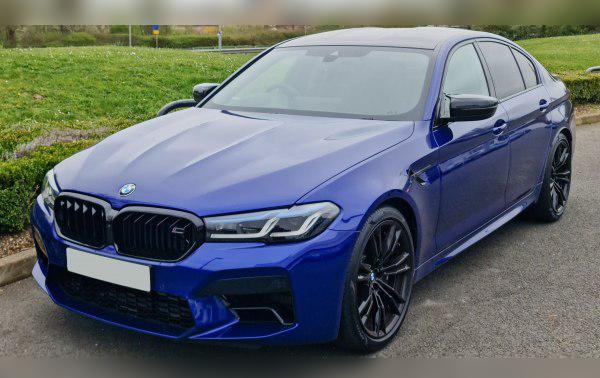
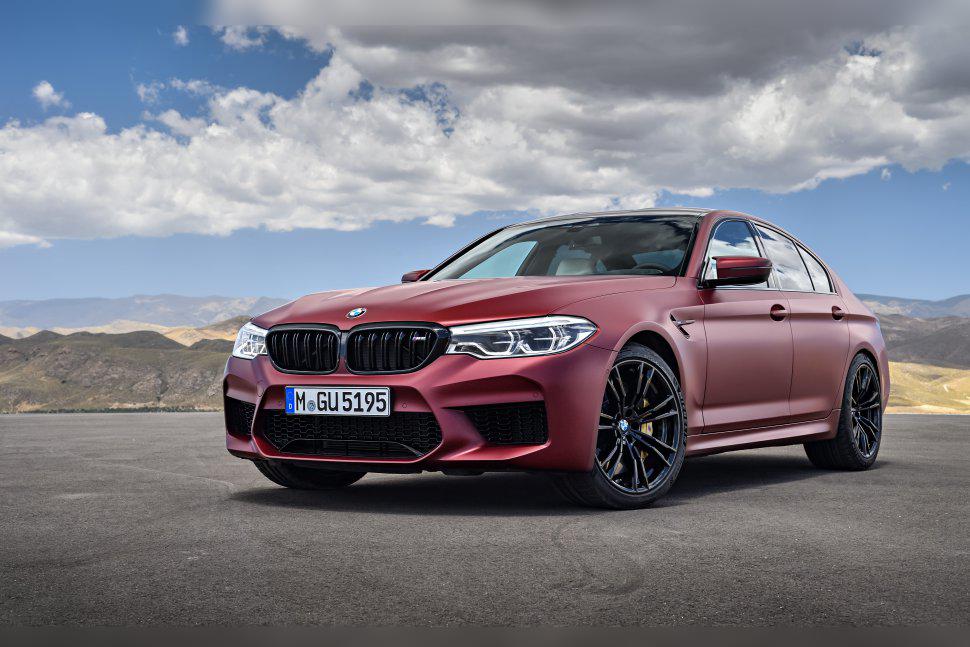
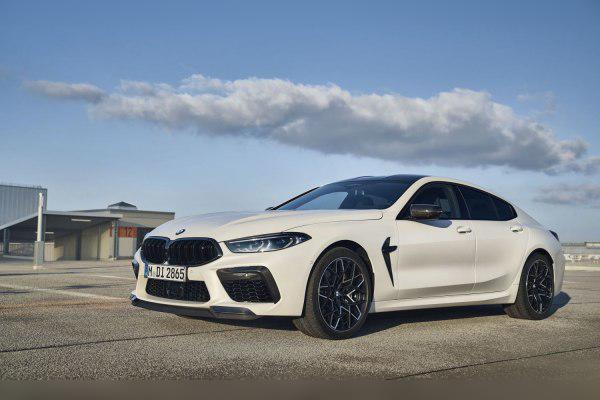
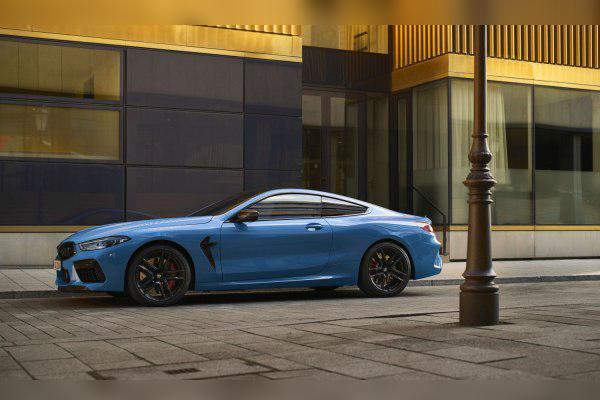
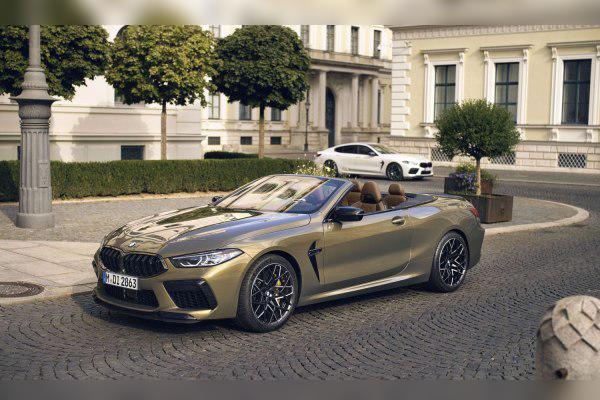
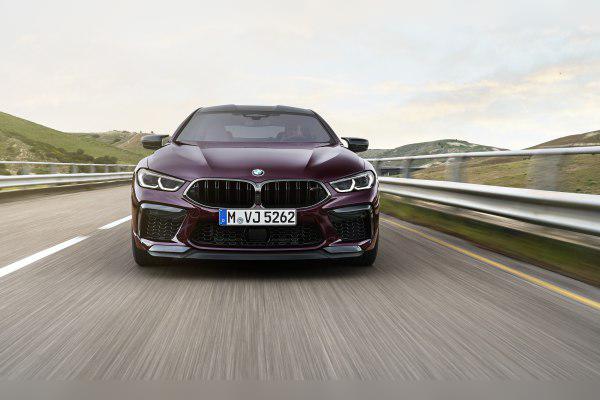
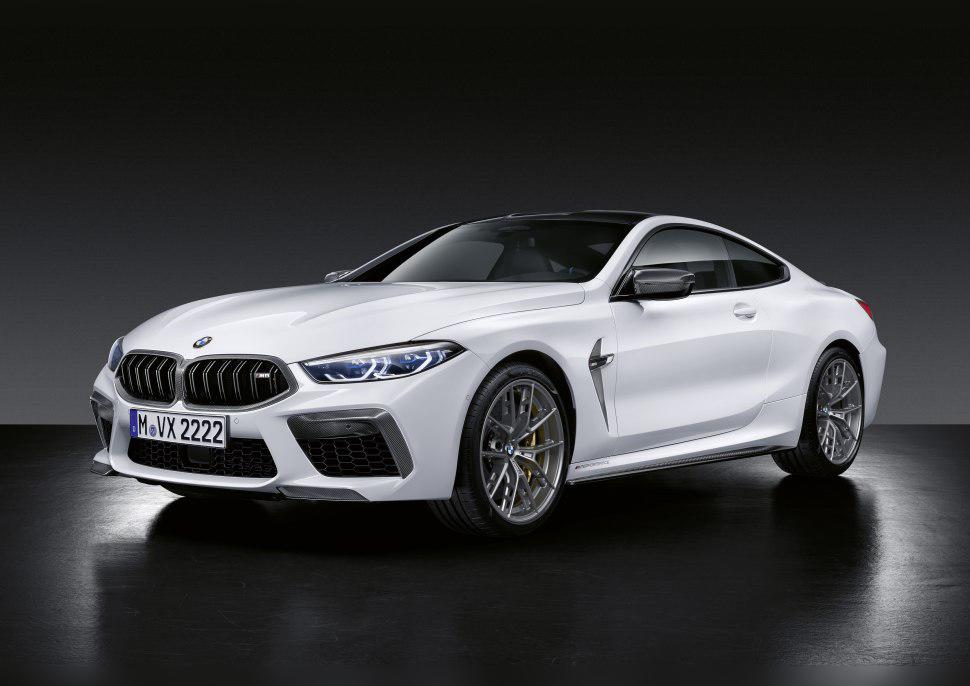
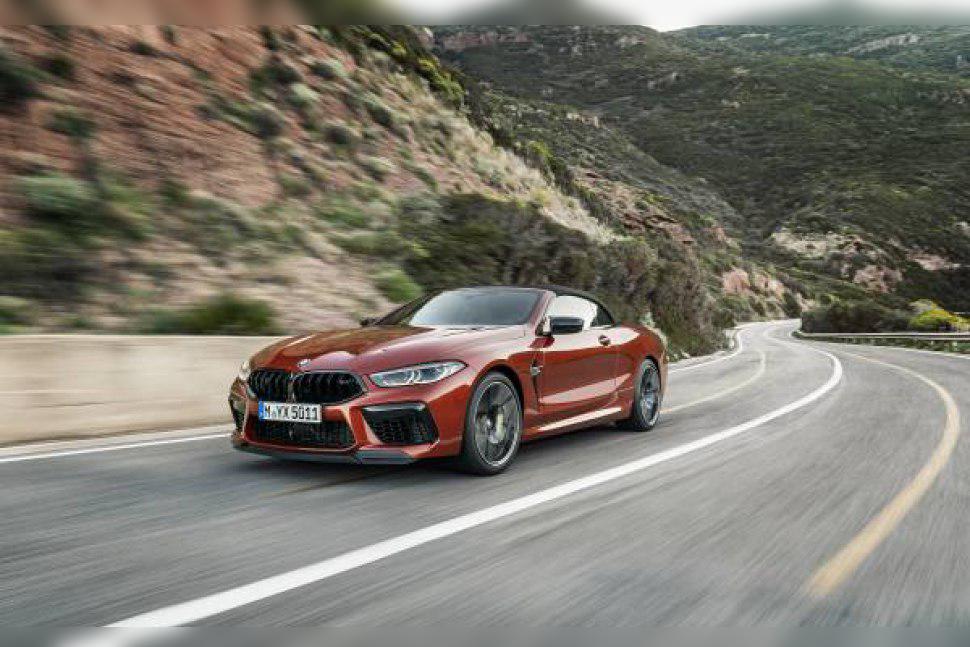
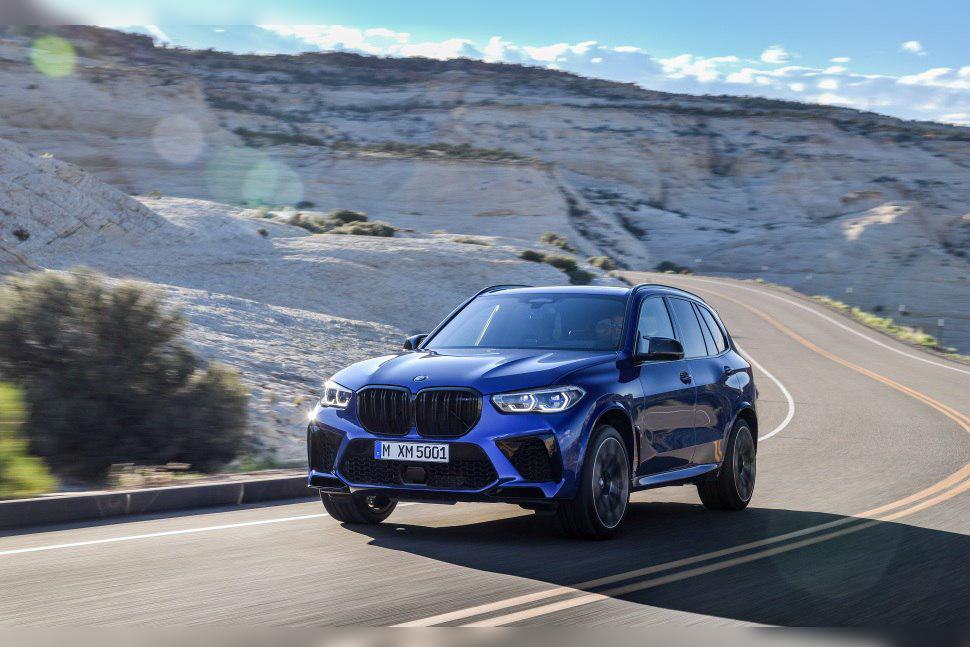
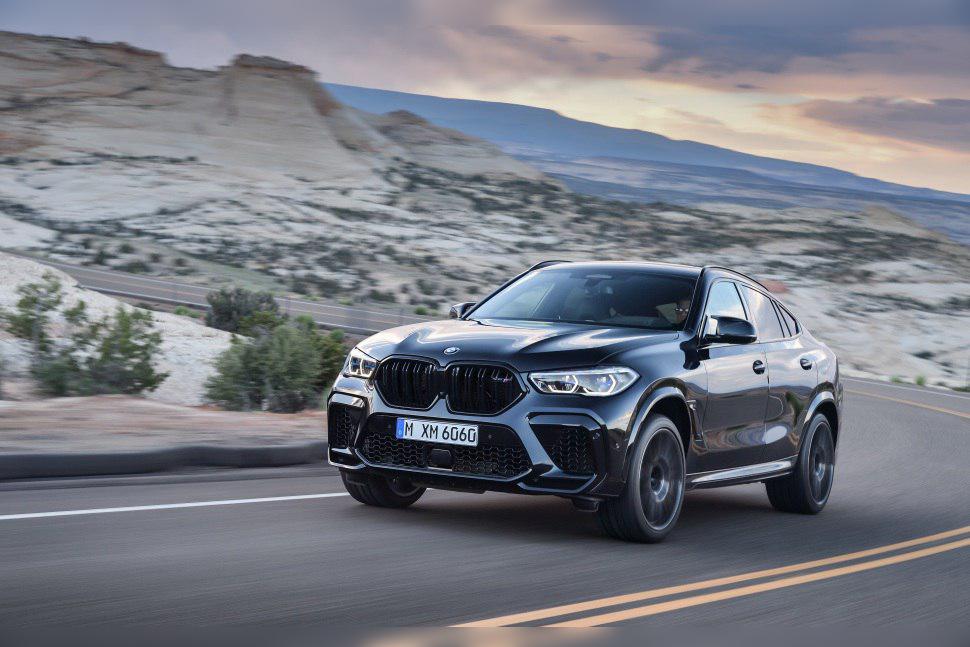
The engine designated S63B44B represents the very elite of the Bavarian manufacturer. This evolution of the 4.4‑liter V8 can be found in the most prestigious Competition models: from the brutal M5 (F90) and the elegant M8 series (F91/F92/F93), to the heavyweights X5 M (F95) and X6 M (F96). With 625 horsepower, this engine is not designed for compromises. It offers race‑car performance in bodies intended for everyday use. However, such power comes with high thermal load, complex technology and extremely demanding maintenance requirements. If you’re thinking about buying a car with this engine, you must be aware that it is maintained by a serious budget, not just a desire for speed.
Technical specifications
| Parameter | Data |
|---|---|
| Engine displacement | 4395 cc (4.4 L) |
| Power | 460 kW (625 HP) |
| Torque | 750 Nm (available from 1800 rpm) |
| Engine code | S63B44B (S63T4) |
| Injection type | High‑pressure direct injection |
| Turbo / NA | Two twin‑scroll turbochargers (M TwinPower Turbo) |
Reliability and maintenance
Does this engine have a timing belt or a chain?
The BMW S63B44B uses a timing chain. Unlike earlier generations of N63 and S63 engines where the chain tended to stretch relatively early, here the timing system is significantly reinforced. Still, due to the brutal torque and the driving style of M‑car owners, it is recommended to listen carefully to the engine on cold start.
What are the most common failures and when is the major service done?
There is no strictly defined interval for a “major service” (chain replacement) in the traditional sense, but in practice, replacement of the entire timing system (chain, guides, tensioners) is advised between 120,000 and 150,000 km. The cost of this job is very high (depends on the market) because it requires engine removal or extensive disassembly work.
The main issues with this engine are thermal in nature. Due to the so‑called “Hot‑V” configuration (with the turbos placed between the cylinder heads), the engine generates tremendous heat. Symptoms of this problem are brittle, cracked plastic and rubber hoses (especially the turbo cooling hoses), which leads to coolant leaks. Also, the PCV system (crankcase ventilation) often fails, which can drastically increase oil consumption and create deposits on the intake valves. Preventive replacement of the crankshaft rod bearings at around 100,000 km is strongly recommended to avoid catastrophic engine block failure.
Lubrication system and oil consumption
This V8 takes about 10 liters of oil (including the volume in the coolers). Only premium synthetic oils of grade 0W‑30 or 5W‑30 that meet BMW LL‑01 or LL‑04 standards are recommended (ideally oils with M specification). Oil consumption is a normal occurrence. It is quite usual and acceptable for the S63B44B to consume up to 1 liter of oil per 3,000 to 5,000 km, depending on how often it is driven at full throttle. However, if it uses a liter in less than 1,500 km, that points to a problem with the turbos, piston rings or valve stem seals.
Spark plugs and ignition system
Since this is an extreme‑performance petrol engine, spark plugs must be replaced every 30,000 km (or even every 15,000 km if the car is software‑tuned). Delaying replacement can overload the ignition coils (which also fail due to heat) or cause misfire errors under full load.
Specific parts and costs
Does the engine have a dual‑mass flywheel?
Given that the engine is paired exclusively with a ZF automatic transmission, this model does not have a conventional dual‑mass flywheel and clutch as we know them from manual gearboxes. Instead, it uses a massive hydrodynamic torque converter. The converter is extremely durable and rarely fails if the transmission is properly maintained.
Fuel injection system and injector issues
The engine uses high‑pressure direct injection. The injectors are extremely precise but sensitive to poor‑quality fuel. The worst‑case scenario is an injector “sticking” in the open position. Symptoms include rough engine operation, a strong smell of petrol from the exhaust and black smoke. If an injector uncontrollably pours fuel into a cylinder, the oil film on the cylinder walls is washed away, which very quickly destroys the engine. Replacing injectors is very expensive (depends on the market) and it is recommended to replace them as a set.
Turbocharger lifespan
The two twin‑scroll turbochargers operate at enormous speeds and pressures. Their typical lifespan is around 150,000 km, although it can be longer with religious oil changes (every 8,000 km) and mandatory cool‑down (gentle driving for a few kilometers before shutting the engine off). Coolant leaks at the turbo cooling pipe joints are a common fault. The cost of replacing or refurbishing both turbos is very high (depends on the market).
Emissions systems (OPF and AdBlue)
Since this is a petrol engine, it does not have a DPF filter nor does it use AdBlue fluid. However, models for the European market produced from late 2018 onwards are equipped with an OPF (Otto Particulate Filter / GPF) gasoline particulate filter in the exhaust system. The OPF can mute the engine sound and occasionally trigger diagnostic errors on short urban trips, but it is far less problematic than a diesel DPF. There is also an EGR system here, but it rarely causes serious blockages.
Fuel consumption and performance
Real‑world fuel consumption
You can’t cheat physics – a heavy body, V8 engine and 625 HP have their price. In city stop‑and‑go driving, fuel consumption ranges between 18 and 25 l/100 km. On the open road the situation is much better. At a cruising speed on the motorway of 130 km/h, the engine turns at a very relaxed ~1,900 to 2,000 rpm in eighth gear, and then uses a more acceptable 11 to 13 l/100 km.
On‑road performance
To the question of whether this engine is “lazy”, the answer is absolutely not. Whether it sits in a sedan (M5) or a large SUV (X5 M), with 750 Nm available from just 1,800 rpm, the pull is savage, instant and brutal. Throttle response, thanks to M TwinPower technology, is incredibly sharp, while the xDrive system puts all that power down without wheelspin.
Additional options and modifications
LPG conversion
This is a high‑compression, direct‑injection engine with extreme thermal performance. Installing LPG is neither possible nor advisable under any circumstances. If petrol consumption is a major concern for you, this is definitely not the engine for you.
Chiptuning (Stage 1)
The engine has huge tuning potential. With a standard software remap (Stage 1), power can be easily and relatively safely raised from 625 HP to between 720 and 750 HP, while torque climbs above 900 Nm. The engine can mechanically withstand this output, but it requires more frequent spark plug and oil changes and rapidly shortens the lifespan of tyres, brakes and turbos.
Transmission and power delivery
Transmission types and failures
The S63B44B is not offered with a manual gearbox. The only option is the 8‑speed M Steptronic automatic transmission (manufacturer ZF, model 8HP). This is arguably the best automatic transmission on the market. It is extremely reliable, handles huge torque and mechanical failures of the transmission itself are very rare. If the gearbox “jerks” when shifting from second to first, the solution is often a reset of the software adaptations and an oil change.
Transmission service interval
Although BMW often claims that the transmission oil is “lifetime”, the engineers at the transmission manufacturer (ZF) categorically require oil and filter (pan) replacement every 60,000 to 80,000 km at most. Due to the tremendous forces that the M drivetrain is subjected to, neglecting this service will inevitably lead to failure of the internal clutches and the mechatronics unit, whose repair is very expensive (depends on the market).
Buying used and conclusion
What to check in detail before buying?
Buying a used M model with this engine without a thorough prior inspection is financial suicide. Here’s what you need to pay attention to:
- Cold start: The engine must not rattle or have a metallic echo in the first seconds of operation. Any chain rattle implies an imminent and expensive service.
- Exhaust smoke: Bluish smoke after the car idles for a few minutes and you then rev it indicates worn valve stem seals. White smoke under throttle points to turbo issues.
- Hose inspection: Remove the decorative engine cover and use a flashlight to inspect the “V” valley. If the hoses are wet with coolant or oil, you’re facing an expensive leak repair (expensive – depends on the market).
- Service history: If the oil was changed every 30,000 km (per factory recommendation), the engine internals are already heavily worn. Look for cars whose owners did oil services every 10,000 km.
Final verdict
The S63B44B (625 HP) engine is a mechanical masterpiece, but it is reserved exclusively for buyers who are prepared for serious running costs. It delivers brutal acceleration and an incredible sense of dominance on the road. It is not intended for short trips where it cannot reach proper operating temperature, nor does it tolerate owners who skimp on parts or skip services. It is perfect for enthusiasts seeking uncompromising performance and who have a serious budget ready for regular, preventive and unscheduled maintenance of the entire M system (suspension, brakes, engine).