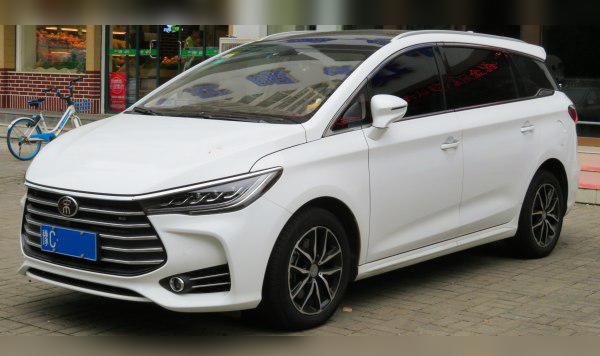
BYD476ZQA 1.5 TI Engine (154 hp): Experiences, Issues, Fuel Consumption and Used Car Buying Tips
Key points in short (TL;DR)
- Timing chain drive: The engine uses a timing chain which is generally reliable, but sensitive to irregular oil changes.
- Direct injection: The biggest downside is carbon buildup on the intake valves due to the GDI system.
- Turbocharger: Average lifespan is around 150,000 km, and it needs to be cooled down after spirited driving.
- Fuel consumption: In heavy SUV models without hybrid drive it can be a high consumer in city driving (over 10 l/100 km).
- Gearbox (DCT): Dual-clutch automatic gearboxes require mandatory oil changes every 60,000 km; otherwise, the mechatronics unit and clutch pack will fail.
- Hybrid versions (DM): This engine shows its best side when combined with electric motors (303 hp), which significantly relieves the petrol unit.
Contents
- Introduction: Meet the BYD476ZQA
- Technical specifications
- Reliability and maintenance
- Specific parts and costs
- Fuel consumption and performance
- Additional options and modifications (LPG and Chiptuning)
- Transmissions: Manual vs Automatic
- Buying used and conclusion
Introduction: Meet the BYD476ZQA
The engine designated as BYD476ZQA is one of the most important powerplants in BYD’s modern history. It is a 1.5-liter petrol engine equipped with a turbocharger and direct fuel injection (TI/TID). It was designed to meet downsizing requirements while retaining solid performance.
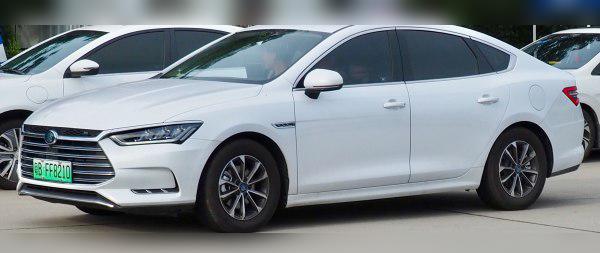
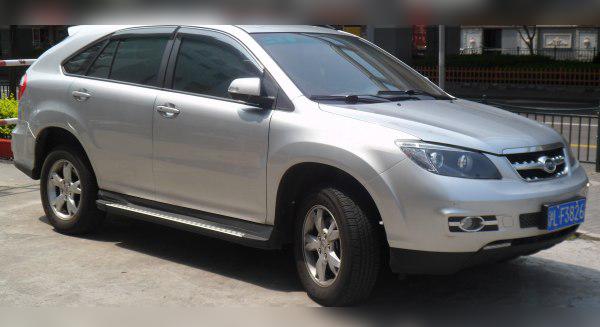
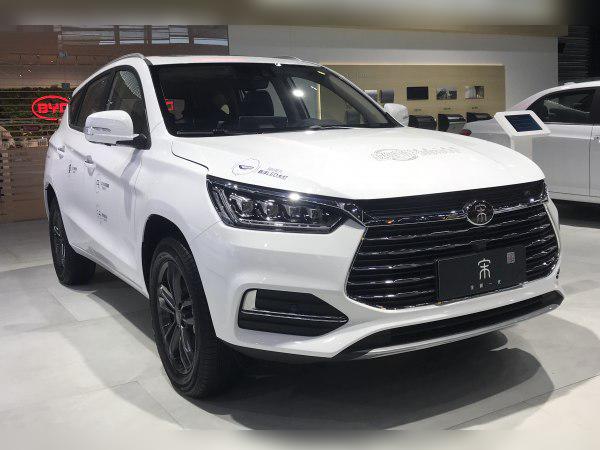
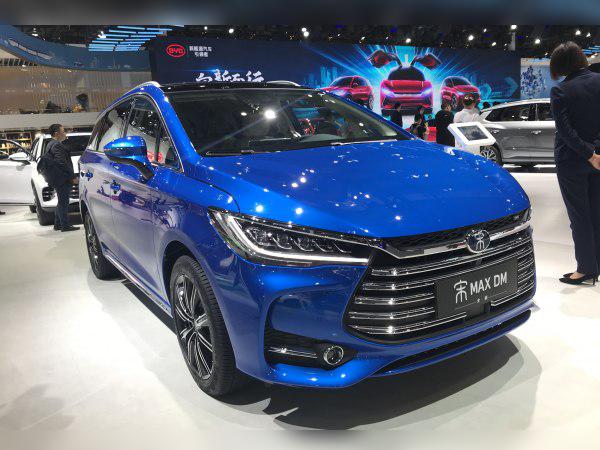
This unit has been installed in a wide range of vehicles, from sedans such as the Qin Pro, to large SUVs and MPVs like the S6, Song and Song Max. What makes it particularly interesting is the fact that it serves as the basis for BYD’s DM (Dual Mode) plug-in hybrid system. While it produces 154 hp on its own, in synergy with electric motors the total system output jumps to an impressive 303 hp, which drastically changes the character of the car.
Technical specifications
| Parameter | Value |
|---|---|
| Displacement | 1497 cc |
| Engine power | 113 kW (154 hp) |
| Torque | 240 Nm |
| Engine code | BYD476ZQA |
| Injection type | Direct injection (GDI) |
| Aspiration | Turbocharger (Single Turbo) |
| Camshaft drive | Chain |
Reliability and maintenance
Timing belt or chain?
The BYD476ZQA engine uses a timing chain. In theory, the chain should last as long as the engine itself, but in practice this depends entirely on the quality and interval of oil changes. If the oil is not changed on time, the chain tensioner loses pressure, which leads to chain stretch. A symptom the driver may notice is rattling or metallic clatter on cold start that lasts a few seconds until the system builds up oil pressure.
Most common failures and major service
There is no classic major service here in the sense of a timing belt replacement. However, inspection of the chain condition and its preventive replacement (chain kit, guides, tensioner) is recommended at around 150,000 to 200,000 km. Besides the chain, the most common issues are related to the direct injection system (carbon buildup) and ignition coils, which often fail due to irregular spark plug replacement.
Oil and service intervals
This engine takes about 4 liters of engine oil. Fully synthetic oil with a viscosity grade of 5W-30 or 5W-40 is recommended, meeting specifications for turbocharged petrol engines with direct injection (to prevent LSPI – Low Speed Pre-Ignition). Minor services should definitely be done every 10,000 to 15,000 km at most.
As for oil consumption, the engine is designed to have slight consumption. Consumption of around 0.2 to 0.5 liters per 1000 km is considered normal, especially when driving at higher revs or on the motorway. If consumption exceeds 1 liter, the problem should be sought in valve stem seals, a worn turbocharger or stuck piston rings.
Spark plugs
Since this is a turbocharged petrol engine, the spark plugs are exposed to high thermal loads. It is recommended to replace iridium spark plugs every 40,000 to 60,000 km. If the car starts jerking under acceleration, this is the first sign that the spark plugs (or coils) are done.
Specific parts and costs
Dual-mass flywheel
Yes, versions paired with a manual gearbox, and especially those with a DCT (Dual Clutch Transmission) automatic gearbox, are equipped with a dual-mass flywheel. Its role is to dampen vibrations and protect the gearbox from torque shocks. When it fails, you will feel strong vibrations at idle, thumps when switching off the engine, or clutch slip. The price of replacing the complete kit with the flywheel is very expensive (depends on the market).
Injection system and carbon buildup
The high-pressure fuel pump (HPFP) and injectors themselves are quite robust, but the design of a direct-injection engine brings one major downside – carbon buildup on the intake valves. Since the fuel does not wash the valves from the top side (as in MPI engines), oil vapors from the PCV system deposit and harden there. At around 80,000 km the engine may start to lose power, consume more fuel and run roughly at idle. The solution is mechanical valve cleaning (so-called “walnut blasting”), a service that is moderately expensive (depends on the market).
Turbocharger
The engine has a single turbocharger. Its average lifespan is around 150,000 km. It most often fails due to poor lubrication (old oil) or shutting off a hot engine immediately after hard driving (the oil cokes in the turbo bearings). Failure symptoms are bluish smoke from the exhaust, loss of power and a whistling sound under the hood.
Emissions: DPF, EGR, AdBlue?
Since this is a petrol engine, it DOES NOT HAVE a DPF filter or AdBlue system, which immediately eliminates two major sources of headaches and expensive repairs typical of modern diesels. However, it does have a catalytic converter and an EGR valve. The EGR valve returns part of the exhaust gases into the intake and can become clogged due to the aforementioned carbon buildup, which triggers the “Check Engine” light.
Fuel consumption and performance
Real-world city fuel consumption
Fuel consumption varies drastically depending on which body style the engine is installed in and whether it is a hybrid. In pure petrol versions in heavy vehicles (such as the BYD S6 or Song Max), real-world city consumption ranges between 9.5 and 11.5 liters per 100 km. If you are stuck in stop-and-go traffic, expect even more. On the other hand, in DM (plug-in hybrid) versions, if you regularly charge the battery, petrol consumption in the city can be below 3 l/100 km.
Performance: Is the engine sluggish?
With 154 hp and 240 Nm, the engine is decent, but in heavy SUV models the lack of low-end torque can be felt before the turbocharger spools up to full capacity. In BYD S6 models (pure petrol), the car may feel slightly sluggish when setting off. In DM hybrid versions (303 hp system output), the electric motor delivers instant torque, so acceleration is brutal and the engine shows no signs of weakness there.
Behavior on the motorway
On the open road the engine behaves quite smoothly. At 130 km/h in sixth gear, the revs are usually around 2,800 – 3,000 rpm (depending on gearing and model). Overtaking is safe, although in versions without an electric motor it requires downshifting to keep the turbo in its optimal operating range.
Additional options and modifications
LPG conversion
Due to the direct injection system, installing a classic sequential LPG system is not recommended and is technically very complicated. A specialized LPG system for GDI engines is required, which simultaneously uses a certain amount of petrol to cool the petrol injectors (which are located inside the cylinder). There are also systems that inject liquid gas through the factory injectors, but such an installation is very expensive (depends on the market) and its cost-effectiveness is questionable.
Chiptuning (Stage 1)
This engine has some headroom for software upgrades. A safe Stage 1 remap usually increases power from 154 hp to about 175 – 185 hp, while torque rises from 240 Nm to about 280 – 290 Nm. An important warning: if you have a DCT gearbox, the gearbox’s software torque limiters must be carefully adjusted so you don’t burn the clutch packs in the automatic transmission.
Transmissions: Manual vs Automatic
Types of gearboxes
The engine is most commonly paired with a proven 6-speed manual gearbox or with a 6-speed or 7-speed DCT (dual-clutch) automatic. DM hybrid versions exclusively use specially adapted DCT gearboxes designed to integrate the power of the electric motor.
Gearbox failures and maintenance
- Manual gearbox: Very reliable. Problems may arise from clutch and dual-mass flywheel wear due to aggressive driving and a heavy body.
- DCT gearbox: A more sensitive part of the drivetrain. The most common problems are judder when moving off, delayed gear changes and knocking noises under the car. These are clear symptoms of worn clutch packs in the gearbox itself or issues with the mechatronics unit (gearbox control unit). Repairing a DCT gearbox is expensive to very expensive (depends on the market).
To avoid problems with the DCT gearbox, it is absolutely mandatory to change the oil and filter in the gearbox every 60,000 kilometers.
Buying used and conclusion
What must be checked before buying?
When buying a used car with the BYD476ZQA engine, insist that the engine be completely cold when you start it for the first time. Listen carefully around the timing chain area – if you hear sharp metallic rattling for more than two seconds, immediately factor in the cost of a timing chain replacement. Then check the exhaust gases. Black smoke when revving indicates dirty injectors or a bad mixture, while blue smoke screams worn turbo or worn piston rings.
Ask a mechanic to use diagnostics to check turbo pressure parameters and misfire status in the cylinders, which unmistakably points to clogged intake valves or bad coils. If you are buying a model with a DCT gearbox, test the car in slow traffic conditions and when reversing uphill – the gearbox must engage smoothly, without jerks.
Who is this engine for?
The 1.5 TI (BYD476ZQA) engine is a modern, reliable unit provided that the previous owner treated it with care and not as a disposable item. It has proven to be at its best as a base in DM plug-in hybrids, where its weaknesses (lack of low-end torque) are completely erased thanks to the electric drive, and fuel consumption is minimized.
If you are buying a pure petrol version in a large SUV, be prepared for higher city fuel consumption, but in return you get a reliable and comfortable engine for long journeys. Avoid examples with an unknown service history, because neglecting oil changes on a turbocharged direct-injection petrol engine with a timing chain ultimately presents a very high bill to the new owner.