BYD476ZQB Engine (1.5 Turbo): Real-world experience, common issues, fuel consumption and used-car buying tips
Key points in short (TL;DR)
- Timing drive: Uses a chain which is generally reliable, but requires regular oil changes to prevent stretching.
- Fuel injection system: Direct injection (DI) delivers excellent performance, but is prone to carbon buildup on the intake valves.
- Transmissions: The biggest weak point on used cars can be the DCT dual-clutch automatic; it requires strict maintenance.
- Hybrid versions: The same petrol engine is used as the base for powerful DM (Dual Mode) plug-in hybrids, where it operates under much lighter load.
- LPG (Autogas): Due to direct injection, LPG installation is very expensive and often not cost-effective.
- Maintenance: Not extremely expensive, but it does require quality synthetic oil and strictly observed change intervals.
Contents
- Introduction and basic information
- Technical specifications
- Reliability and maintenance
- Specific parts and costs
- Fuel consumption and performance
- Additional options and modifications
- Transmission and drivetrain
- Buying used and conclusion
Introduction and basic information
The engine with the internal code BYD476ZQB is one of the most important new-generation powerplants in this giant’s lineup. It is a modern 1.5‑liter turbocharged petrol engine with direct injection. This engine is the brand’s “workhorse”, as it is installed both in conventional ICE (internal combustion engine) models and in the impressive DM (Dual Mode) plug‑in hybrid systems, where it serves as the heart of the drivetrain alongside powerful electric motors.
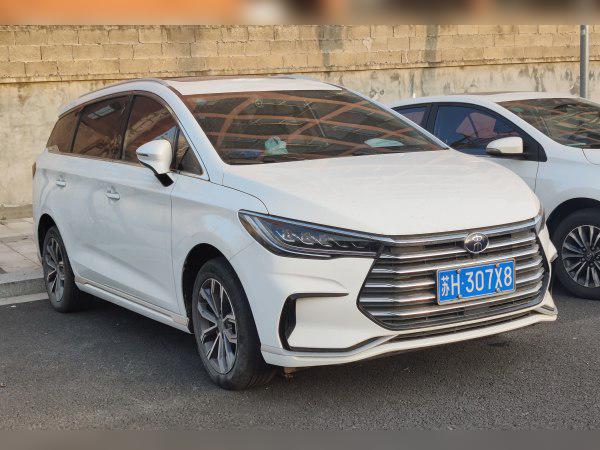
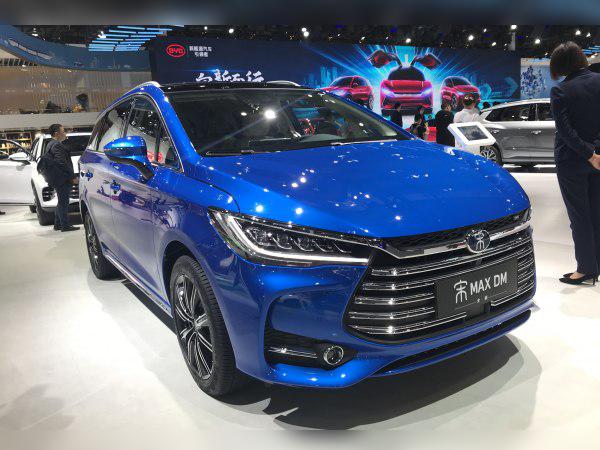
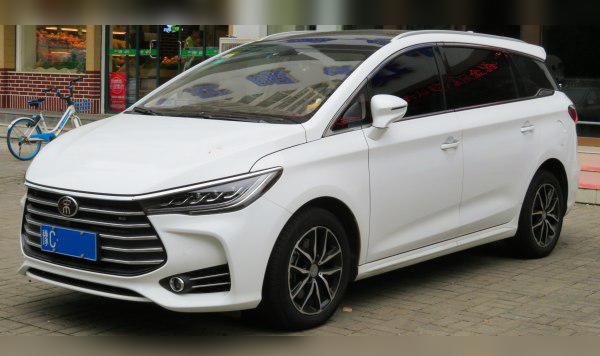
You’ll find it in a wide range of body styles, from sedans like the BYD Qin Pro II, through SUVs such as the Song Pro II, all the way to the family MPV Song Max. Its architecture is modern, and its main task is to provide an optimal balance between low‑end torque and reasonable fuel consumption.
Technical specifications
| Parameter | Specification |
|---|---|
| Engine displacement | 1497 cc |
| Engine power | 118 kW (160 hp) – *petrol engine only |
| Torque | 245 Nm |
| Engine code | BYD476ZQB |
| Injection type | Direct injection (DI) |
| Charging method | Turbocharger (single turbo) |
| Fuel type | Petrol (Gasoline) |
Reliability and maintenance
The fundamentals of this engine are quite solid. It uses a timing chain to drive the camshafts. In theory, the chain should last as long as the engine itself, but in practice with modern turbo petrol engines it’s a different story. The major service usually comes down to inspection and replacement of the chain set if you can hear rattling on a cold start. It is recommended to replace the chain, guides and tensioner preventively at around 150,000 to 180,000 km. The cost of this job can be high (depends on the market).
As for lubrication, the sump holds roughly 4.0 to 4.5 liters of oil (depending on the filter and cooler capacity). The manufacturer specifies fully synthetic oil, most often in 5W‑30 grade, while for DM hybrid versions (where the engine is frequently starting and stopping) 0W‑20 is sometimes recommended for better flow on cold starts. There is some oil consumption between services. For this engine, consumption of around 0.2 to 0.3 liters per 1,000 km under spirited driving or on the motorway is considered within normal tolerance. Anything above 0.5 l/1000 km points to issues with valve stem seals or piston rings.
This is a high‑performance petrol engine, so quality spark plugs are crucial. Due to direct injection and turbocharging, iridium spark plugs should be replaced every 40,000 to 60,000 km. Neglecting this leads to misfires and ignition coil damage.
Most common failures
The main weakness of all direct‑injection engines, including the BYD476ZQB, is carbon buildup on the intake valves. Symptoms include rough idle, a slight loss of power and increased fuel consumption. The solution is so‑called walnut blasting (cleaning with crushed walnut shells) every 80,000 to 100,000 km. Also, the turbo pressure sensor electronics and lambda sensors can occasionally throw errors, which will trigger the “Check Engine” light.
Specific parts and costs
Yes, this engine uses a dual‑mass flywheel, regardless of whether it is paired with a manual gearbox or a DCT automatic. Its role is to absorb torque shocks delivered by the turbo. Replacing the clutch kit and dual‑mass flywheel is quite expensive (depends on the market).
The injection system uses a high‑pressure pump and specific injectors for direct petrol injection into the cylinder. The injectors are generally durable and can last over 200,000 km, but they are very sensitive to poor fuel quality. If they become clogged, the engine will hesitate and run unevenly, and repair or replacement is an expensive operation.
The engine has a single turbocharger. Turbo lifespan depends mostly on driving style (cool‑down after hard driving, regular oil changes) and on average is around 150,000 – 200,000 km. Turbo overhauls are now a standard procedure and not overly expensive (depends on the market).
In terms of emissions, as a petrol engine it does not use AdBlue. It has an EGR valve for exhaust gas recirculation, which can get dirty due to direct injection. Newer variants of this engine (to meet strict Euro standards) are equipped with a GPF filter (Gasoline Particulate Filter – the petrol equivalent of a diesel DPF). GPF issues are rare because exhaust gas temperatures in petrol engines are significantly higher, so passive regeneration is easier, unless the car is driven exclusively in heavy stop‑and‑go city traffic.
Fuel consumption and performance
Real‑world fuel consumption varies greatly depending on which vehicle the engine is installed in and whether it has hybrid assistance (DM technology):
- Pure petrol (ICE): In heavier vehicles such as the Song Max or Song Pro, the pure petrol version in city driving uses between 9.0 and 11.0 l/100 km.
- Plug‑in Hybrid (DM): With fully charged batteries, petrol consumption is minimal. Once the battery is depleted and the engine serves as a generator or direct drive for a heavy vehicle (with the battery the hybrid weighs close to 2 tons), city consumption is around 7.0 to 8.5 l/100 km.
Is the engine “lazy”? In a sedan (Qin Pro), not at all. However, 160 hp and 245 Nm in a pure petrol SUV or MPV without electric assistance can feel underwhelming under full load and on steep climbs. On the other hand, in DM versions where total system output jumps to 310 hp or even 473 hp (4WD versions), performance is brutal, and the BYD476ZQB engine mainly plays a supporting role.
On the motorway it performs very well. Combined with a 6‑speed or 7‑speed gearbox, at 130 km/h it cruises at a relatively relaxed 2,500 to 2,800 rpm (depending on gearbox type). Noise insulation at these revs is generally good, although during hard overtakes the engine can sound a bit strained.
Additional options and modifications
Many drivers consider installing LPG to save money. However, since this is a direct‑injection engine, standard sequential LPG systems are not suitable. You need a specific system for DI engines that simultaneously injects a small amount of petrol to cool the petrol injectors, or a liquid‑phase system which is very expensive (depends on the market). Given the initial installation cost, the investment on such engines (especially in hybrids) rarely pays off.
When it comes to “chipping” (Stage 1), the base petrol engine has potential. With software remapping, power can be safely raised from 160 hp to around 185 to 190 hp, and torque to about 290 Nm. However, it is quite risky to do this on vehicles with a DCT automatic, as the clutches are factory‑rated close to the stock torque limit. On hybrid (DM) versions, engine software modification is strongly discouraged due to the complex synchronization with the electric drivetrain.
Transmission and drivetrain
With the BYD476ZQB engine you will most commonly find a 6‑ or 7‑speed DCT dual‑clutch automatic. Six‑speed manual gearboxes are mostly reserved for entry‑level pure petrol models and are rarer on the used market.
Transmission issues
The manual gearbox is mechanically very durable, but suffers from the classic issue of dual‑mass flywheel wear if the driver tends to lug the engine at low revs and then apply throttle abruptly. Replacing the clutch kit and flywheel is expensive (depends on the market).
DCT gearboxes are quick on the move, but require attention. The most common problem on used cars is jerking when shifting from first to second gear, especially in stop‑and‑go city traffic. This is a sign that the dry/wet clutch packs are worn out or that the mechatronics unit is under stress due to old oil.
Servicing the gearbox is absolutely critical! On DCT units, oil and filter changes must be done strictly every 60,000 km. If this interval is skipped, metal shavings will destroy the valves inside the mechatronics unit, and repairs are extremely expensive (depends on the market).
Buying used and conclusion
When looking at a used vehicle with the BYD476ZQB engine, make sure to perform the following checks:
- Cold start: Listen carefully to the right side of the engine. Any chain rattling in the first 5–10 seconds before oil pressure builds up means a major service is coming soon.
- Transmission check: During the test drive, put it in “Drive” and gently apply and release the throttle at low speeds. Gear changes must be smooth; any thumps or hesitation are a red flag for an expensive fault.
- Exhaust and idle: If the car idles unevenly, the intake valves are likely clogged with carbon. Hold the revs at about 3,000 rpm for a few seconds; bluish smoke from the exhaust indicates a worn turbo or piston rings.
- Diagnostics (for DM hybrids): If you’re buying a plug‑in version, the conventional mechanics are only half the story. At an authorized service center, be sure to read the high‑voltage battery’s State of Health (SoH).
Conclusion: Who is it for?
In its pure petrol versions, the BYD476ZQB is aimed at drivers who want a modern family car and understand that it must be maintained meticulously. In its DM hybrid applications, this engine becomes a fascinating piece of engineering – it’s not the main hero at the traffic lights (that’s the electric motor’s job), but it keeps the system alive perfectly and enables unrealistically long ranges on longer trips. It is not an engine that “tolerates abuse and full‑throttle when cold”; it demands good oil, regular servicing and a calm owner. If you find a car with a properly documented service history for both engine and gearbox, it will reward you with thousands of comfortable kilometers.