ERB 3.6 Pentastar V6 Engine (305 hp): Ownership Impressions, Issues, Fuel Consumption and Used-Buying Tips
- Excellent core reliability: This naturally aspirated V6 is known for covering very high mileages with regular maintenance.
- Cheaper running possible: Thanks to its MPI fuel injection, it’s a perfect candidate for LPG conversion.
- Achilles’ heel – plastic: Cracking of the plastic oil filter housing is the most common and best-known failure.
- Noise from the top end: Faulty rocker arms and hydraulic lifters can cause the well-known “Pentastar tick”, which requires a quick reaction before the camshaft gets damaged.
- No expensive turbos and dual-mass flywheels: The absence of a turbocharger and complex injection systems drastically reduces ownership costs.
- Reliable transmission: The 8-speed ZF automatic gearboxes are excellent and match this engine perfectly.
- Fuel consumption: Because of the size and weight of the vehicles it’s fitted to, city consumption is high, while on the highway it’s surprisingly economical.
Contents
- Introduction: A Star of the American Auto Industry
- Technical Specifications
- Reliability, Maintenance and Common Issues
- Specific Parts and Costs
- Fuel Consumption and Performance
- Additional Options and Mods (LPG and Tuning)
- Transmission: Issues and Maintenance
- Buying Used and Conclusion
Introduction: A Star of the American Auto Industry
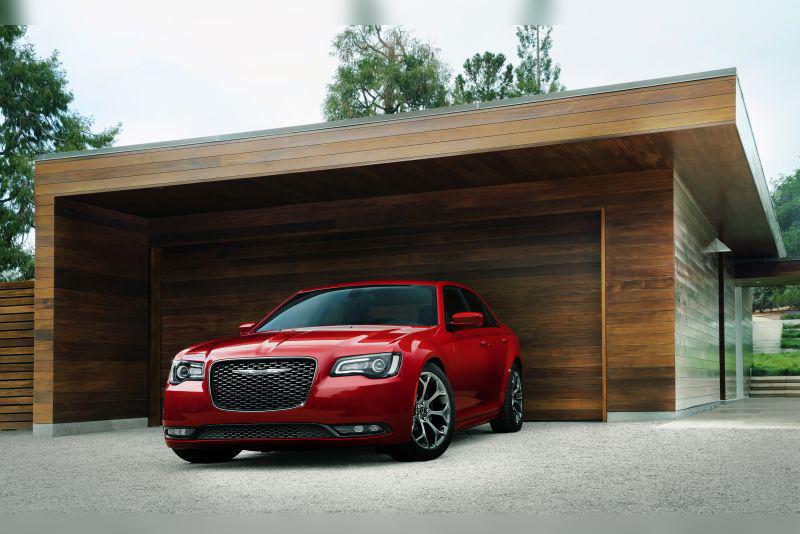
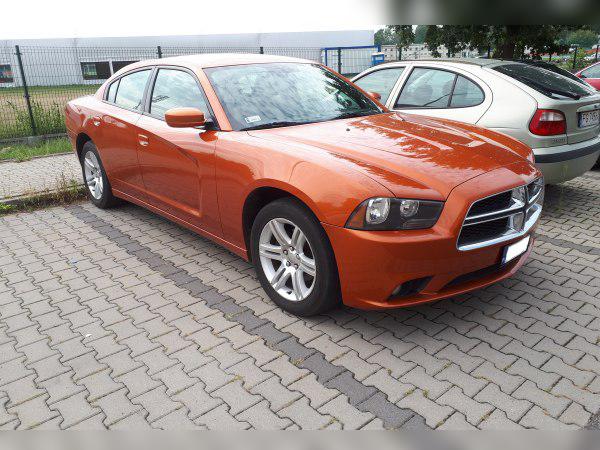
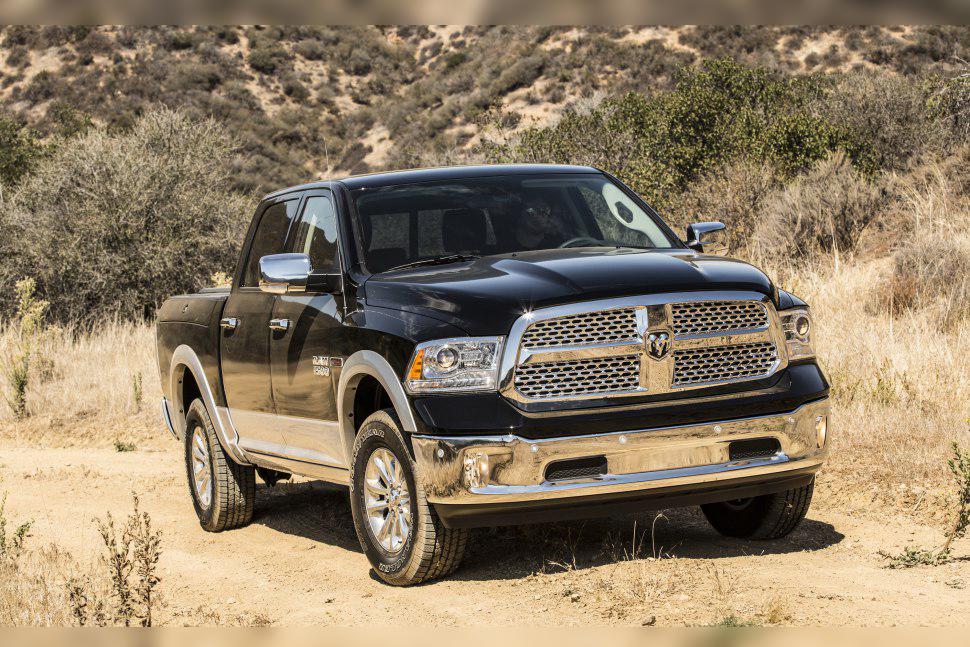
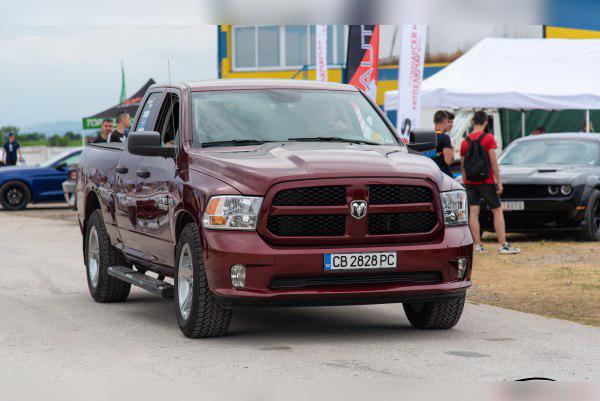
The engine with the code name ERB belongs to the now-legendary Chrysler/FCA 3.6 Pentastar V6 family. With 305 hp (224 kW), this specific revision was mainly installed in facelifted models from 2013 to 2015 and later. If you’re looking for a used Dodge Charger, Chrysler 300 or a robust RAM 1500, there’s a very high chance you’ll come across this very powerplant.
This engine was designed to be the corporation’s workhorse – smooth, reasonably powerful and cheap to mass-produce. Since it doesn’t use turbochargers or direct injection, engineers focused on reliability and durability, which has placed this V6 among the most dependable engines in the segment.
Technical Specifications
| Parameter | Specification |
|---|---|
| Name / Engine code | ERB (3.6L Pentastar) |
| Displacement | 3604 cc |
| Power | 224 kW (305 hp) |
| Torque | 364 Nm |
| Fuel type | Gasoline (Petrol) |
| Injection system | MPI (Multi-Port Injection – Indirect) |
| Aspiration | Naturally aspirated (No turbocharger) |
Reliability, Maintenance and Common Issues
This engine uses a timing chain, not a timing belt. It’s designed so that the chain is “lifetime”, which in mechanic-speak actually means there is no defined replacement interval like with a classic major service. The chain is usually inspected only after 150,000 to 200,000 km. If quality oil is changed regularly, the chain rarely causes problems, although early Pentastar engines (before the ERB generation) did suffer from chain stretch. On this variant, the timing system rarely causes headaches.
Most common issues: What’s likely to fail first?
The biggest weak point of this engine is the oil filter housing and oil cooler. This part is made of plastic from the factory and is located in the “V” valley of the engine (between the cylinder heads). Due to extreme temperature cycles, the plastic becomes brittle over time and cracks. Symptoms include clearly visible oil leaks (or coolant and oil mixing) in the V-valley itself, which often runs down the back of the engine so the driver first notices oil patches under the car. The replacement part itself is not expensive, but labor is, because the intake manifold has to be removed. (Repair cost: from 200 to 450 EUR, depending on the market and the choice of an upgraded aluminum housing which permanently solves the issue).
The second serious weak point is the valve rocker arms and hydraulic lifters. At higher mileages, the needle bearings inside the rockers can fail. This manifests as a rhythmic ticking noise from the top end of the engine. If the driver ignores it, the faulty rocker will start grinding directly on the camshaft, leading to cam wear and a much more expensive repair. So as soon as you hear suspicious ticking, head straight for a mechanical inspection.
Oil and Spark Plugs
The oil pan capacity is about 5.6 liters. Only high-quality fully synthetic 5W-20 oil is recommended. Thin oil is crucial because of the specific VVT (variable valve timing) system, which is very sensitive to dirty or thick oil. Some oil consumption is present, but it’s not alarming – topping up about 0.5 to 1 liter every 5,000 to 8,000 km is considered normal for this kind of V6.
According to factory specs, spark plugs are replaced at a long interval of 100,000 km, thanks to the use of iridium plugs. However, the replacement procedure requires removing the upper part of the intake manifold to access the left bank of the engine (bank 1), so labor costs are slightly higher than on smaller engines (Replacement cost: from 100 to 200 EUR, depending on the market and labor rates).
Specific Parts and Costs
This engine protects you from most of the big headaches that modern engines bring. The engine has no turbocharger, which automatically eliminates the cost of turbo overhauls, variable-geometry issues or intercooler damage. Everything works on good old atmospheric air intake.
Also, as a gasoline engine, it does not have a DPF filter or AdBlue system. This means there are no issues with city driving that usually kills diesels through clogged filters, forced regenerations and urea crystallization. It does have an EGR valve and a PCV valve (crankcase ventilation system). The PCV valve is replaced preventively at around 100,000 km, and its failure (sticking) is often the main culprit if the engine suddenly starts consuming too much oil.
The fuel system is indirect injection (MPI). This is great news for used buyers, because the injectors are extremely durable, inexpensive, not prone to intake valve deposits like modern direct-injection (GDI) engines, and they don’t require a high-pressure fuel pump that carries a high risk of failure.
Fuel Consumption and Performance
On paper, 305 hp and 364 Nm sound quite potent. However, we have to consider the platforms. The Dodge Charger and Chrysler 300 weigh close to two tons, while the RAM 1500 goes over two and a half tons. Because of that, driving dynamics depend heavily on the body style.
In the Charger and 300C, this engine delivers genuinely strong performance and solid acceleration. It definitely doesn’t feel “sluggish”. However, in the RAM 1500, especially 4x4 Crew Cab versions, this engine is just adequate for cruising and basic load needs. If you frequently tow a trailer, the V6 will have to rev high, and that’s where you notice the lack of the massive torque that the HEMI V8 provides.
Fuel consumption is something you must factor in. In pure city driving, expect around 14 to 18 l/100 km, depending on how heavy your right foot is and the vehicle’s weight. Fortunately, the situation on the open road is completely different. With the excellent 8-speed automatic, the engine cruises at 130 km/h at a very relaxed 1,800–2,000 rpm. Highway consumption drops to a very acceptable 8.5 to 10 l/100 km.
Additional Options and Mods (LPG and Tuning)
Good news for those who want to tame city fuel consumption – this engine is fantastic for LPG conversion. Thanks to the MPI indirect injection and the absence of complex piezo injectors, a conventional sequential LPG system is easy to calibrate and works perfectly with it. Some installers recommend adding a valve lubrication system (so-called “valve saver”), although the Pentastar generally has strong enough valves and valve seats. Investment in an LPG system (Cost: from 800 to 1,200 EUR, depending on the market and brand) pays off very quickly on vehicles like this.
As for software “chip tuning” (Stage 1), you can safely keep your money. Since this is a naturally aspirated engine with no turbo whose boost can be increased, tuners can only slightly tweak ignition and fuel maps, which yields a barely noticeable 15 to 20 hp. The difference in real-world driving boils down to a slightly sharper throttle response, but outright acceleration doesn’t really change.
Transmission: Issues and Maintenance
Almost without exception, these cars (from 2013/2014 onwards) are paired with the legendary 8-speed automatic – TorqueFlite 8. This is actually the American licensed version of the famous ZF 8HP gearbox. Manual transmissions are not offered here.
Since this is a conventional automatic with a torque converter, this setup does not use a typical dual-mass flywheel with a clutch that wears out. The gearbox itself is an engineering gem – it shifts lightning-fast and smoothly and is incredibly reliable if maintained properly.
Gearbox failures are rare, but you may occasionally experience harsh jolts when engaging “D” or when shifting from first to second gear. This is most often resolved with a software update of the transmission control module at an authorized service center. The most important thing is servicing. Although manufacturers sometimes claim that the transmission fluid is lifetime (“sealed for life”), real-world workshop experience says otherwise: a proper service and fluid change every 80,000 to 100,000 km at most is mandatory. The ZF pan and filter are one plastic piece, so they are replaced as a unit. (Transmission service cost: around 300 to 500 EUR, depending on the market).
Buying Used and Conclusion
When you go to inspect a used Chrysler 300, Dodge Charger or RAM 1500 with the 3.6 engine, here’s what you absolutely must do during the check-up:
- Cold start: Start the car completely cold (make sure the seller doesn’t start it before you arrive). Listen carefully for the first few seconds. Any loud, metallic ticking (rockers and lifters) is a red flag.
- Check for leaks: Shine a light into the area under the intake manifold, towards the transmission (V-valley). If you notice fluid build-up and the smell of burnt oil, the filter housing is likely cracked.
- Diagnostics: These models have complex comfort electronics and a Uconnect system that can glitch. Scan for all fault codes using factory diagnostics (or a high-quality universal scanner).
Conclusion: Is it right for you?
The ERB 3.6 Pentastar is one of those engines that proves simpler is often better. You won’t be breaking speed records or feeling that “pinned to the seat” sensation like in V8 machines, but you also won’t be suffering from surprise turbo failures or insanely expensive injectors. If you need a comfortable, very well-equipped car with a proven transmission and a durable V6 that handles LPG conversion extremely well, this is probably the best choice in its class among American vehicles of that generation. If you buy it in a RAM 1500 pickup, you just need to be aware that performance under heavy load is not spectacular, but for everyday cruising it offers enormous comfort.