3.6 Pentastar V6 Engine (285 hp): Experiences, Problems, Fuel Consumption and Used-Buying Tips
Key points in short (TL;DR):
- Reliable old-school design: Naturally aspirated V6 petrol engine without complicated turbochargers.
- Timing chain drive: No classic major timing-belt service, but the chain and tensioners need inspection after 200,000 km.
- Achilles’ heel: Leaking plastic oil filter housing (oil cooler) and wear of the valve rocker arms, which can lead to camshaft damage.
- Fuel consumption: Very high, especially in city driving and off-road use, often over 15 l/100 km.
- LPG (Autogas): Handles LPG conversion very well, which drastically reduces running costs.
- Transmissions: The 8-speed ZF automatic is an absolute recommendation compared to the manual gearbox.
Contents:
- Introduction to the 3.6 Pentastar engine
- Technical specifications
- Reliability and maintenance
- Specific parts and costs
- Fuel consumption and performance
- Additional options and modifications
- Transmissions: manual and automatic
- Buying used and conclusion
Introduction to the 3.6 Pentastar engine
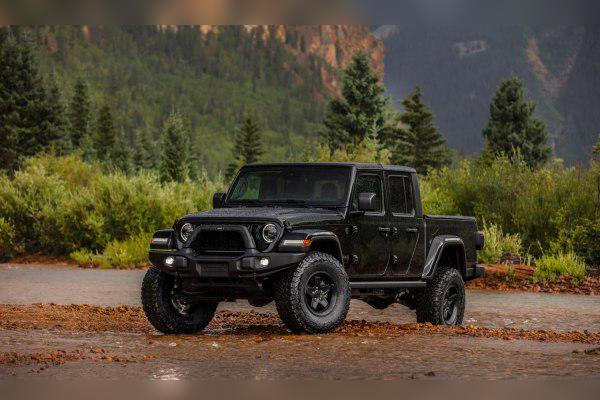
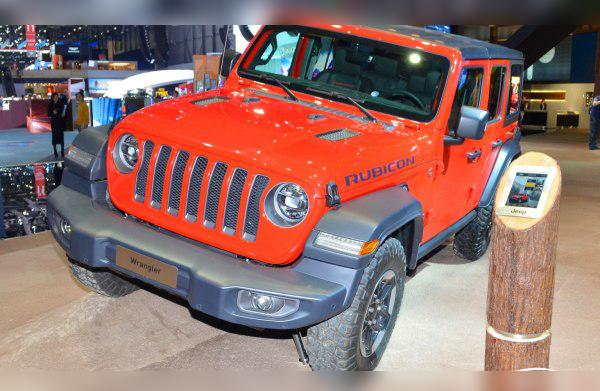
Chrysler’s, or rather Stellantis’ 3.6 Pentastar V6 (engine code ERC) is a true mechanical stronghold in the era of small turbo engines. Developed to be a workhorse for an entire range of vehicles, from sedans to heavy off-roaders, this engine fits perfectly in models such as the Jeep Wrangler (JL) and Jeep Gladiator (JT). Its construction is robust, with an aluminum block and heads, but what really sets it apart is the linear power delivery, which is crucial for serious off-roading and towing. Although it has been updated over the years (addition of VVL – variable valve lift system – and start-stop), its core has remained unchanged: a pure naturally aspirated engine with a displacement of over 3.5 liters.
Technical specifications
| Feature | Specification |
|---|---|
| Engine displacement | 3604 cc |
| Power | 212 kW (285 hp) |
| Torque | 353 Nm |
| Engine code | ERC (Pentastar) |
| Injection type | Multi-Point Injection (Indirect injection / MPI) |
| Induction type | Naturally aspirated engine |
Reliability and maintenance
Does this engine have a timing belt or a chain?
The 3.6 Pentastar uses a timing chain. The timing system is quite complex, with several chains, guides and tensioners. Because of this, there is no “major timing service” in the traditional sense every 90,000 or 120,000 km. However, as mileage increases (usually over 200,000 km), the chain guides can wear and the chain itself can stretch. Symptoms are rattling noises from the engine on cold start and camshaft position sensor errors (check engine light).
Most common issues with this engine
This powerplant has two well-known “weak spots” that mechanics always check first:
- Valve rocker arms and hydraulic lifters: The needle bearings in the rocker arms can fail over time. The symptom is a very loud ticking noise from the top of the engine. If ignored, the damaged rocker arm will eventually “eat into” the camshaft. Replacement requires removing the valve covers, and if the camshaft is also damaged, the repair becomes very expensive (depends on the market).
- Oil filter housing (oil cooler module): This plastic housing is integrated with the oil cooler and sits deep in the “V” between the cylinder heads. Due to constant heat cycles (and also improper over-tightening of the filter cap), the plastic cracks. Symptoms are oil or coolant leaking down the bell housing of the transmission and the smell of burning oil.
Service intervals and engine oil
This engine takes exactly 4.7 to 5.7 liters of oil, depending on the model year and oil pan design (Wrangler/Gladiator usually take about 4.7 l; always check the owner’s manual). The recommended grade for newer series (from 2013+ up to the 2024 models) is usually full synthetic 0W-20. This low viscosity was chosen to meet strict emission standards and reduce internal friction, although mechanics in warmer climates often recommend 5W-20. As for oil consumption, a healthy Pentastar should not consume excessive oil, but a loss of about 0.2 to 0.5 liters per 1000 km under heavy load (off-roading, towing) is acceptable and considered normal by the manufacturer.
Spark plug replacement
As a petrol engine, it uses iridium spark plugs. Replacement is recommended every 100,000 km (or 160,000 km according to US manuals, but in Europe the interval is shortened due to fuel quality and frequent city driving). It is important to note that the spark plugs on the left side of the engine (passenger side depending on the market, i.e. bank 1) are easy to access, while the right side requires removal of the intake manifold, which increases labor cost (not extremely expensive, but it does extend the job).
Specific parts and costs
Dual-mass flywheel
If you choose a model with a manual gearbox, then yes, the engine uses a dual-mass flywheel (DMF). Its role is to dampen the vibrations of the powerful V6. On the other hand, with the automatic transmission there is no dual-mass flywheel, but a classic torque converter, which is significantly more durable.
Fuel injection system
The injection system is Multi-Point (MPI), meaning the injectors spray fuel into the intake manifold before the intake valves, not directly into the cylinder. This is great news for maintenance! Because of this, the intake valves are washed by fuel and there is no carbon build-up on the valves, which is a nightmare on many modern direct-injection (GDI) engines. The injectors are long-lasting and rarely cause problems.
Turbochargers, EGR and AdBlue
This is where the beauty of this engine lies: there is no turbocharger. It is a purely naturally aspirated unit, which means there are no expensive failures related to turbos, intercoolers and boost pressure. Also, as a petrol engine, it has no DPF filter and no AdBlue system. It does have an EGR valve that returns part of the exhaust gases for re-combustion. Since this is a petrol MPI engine, the EGR rarely clogs compared to diesels and is generally trouble-free.
Fuel consumption and performance
City driving
To be brutally honest: the Jeep Wrangler and Gladiator have the aerodynamics of a brick and an unladen weight of over 2 tons, depending on equipment. Real-world city fuel consumption of the 3.6 V6 is between 15 and 18 l/100 km. In stop-and-go traffic, the figure can go even higher, despite the stop-start system.
Is the engine “lazy”?
With 285 hp, the engine is by no means weak, but its maximum torque of 353 Nm is only available at high revs (around 4800 rpm). Unlike modern diesels that pull strongly from low revs, the Pentastar needs to rev to really pull. This can create the impression that the car is “lazy” with a light touch of the throttle, but once the tachometer needle passes 3500 rpm, it shows its true character. In serious off-road use, the low-range transfer case does most of the work, so the lack of low-idle torque is not an issue.
Highway driving
On the highway it is pleasant to drive thanks to the long gear ratios. With the 8-speed automatic, at 130 km/h the engine “cruises” at a relaxed 2200 to 2400 rpm (depending on the differential ratio, as Rubicon and Willys have different gearing). However, due to the huge aerodynamic drag and wide off-road tires, fuel consumption at 130 km/h rarely drops below 12.5 to 14 l/100 km.
Additional options and modifications
LPG conversion
Yes! Given the MPI injection and the absence of a turbo, the 3.6 Pentastar is a perfect candidate for an LPG system. Many owners install a sequential LPG kit because the conversion pays for itself very quickly due to the high fuel consumption. You only need to make sure that suitable vaporizers are installed that can handle almost 300 hp, and that the tank is professionally fitted given the space in the Wrangler/Gladiator (it is usually mounted instead of the spare wheel or in a dedicated position under the floor).
ECU remap (Stage 1)
As with most naturally aspirated engines, a classic “chip tune” is a waste of money if you are chasing raw power. A Stage 1 map on this engine might bring 10 to 15 hp at the very top of the rev range, which you will hardly notice in such a heavy vehicle. However, many owners do a remap not for power, but to improve throttle response and to change the shift points of the automatic transmission.
Transmissions: manual and automatic
Available transmissions
The Pentastar is paired with a 6-speed manual gearbox (Aisin AL6) and an 8-speed automatic transmission (TorqueFlite 850RE), which is actually a licensed version of the famous and excellent ZF 8HP gearbox.
Most common issues and maintenance
- Manual gearbox: Requires a fair amount of effort to shift and is not intended for fast driving. Typical issues are excessive wear of the clutch kit and dual-mass flywheel on vehicles that are driven hard off-road and where the clutch is often slipped on steep climbs. Replacing the DMF and clutch is very expensive (depends on the market).
- Automatic transmission: The 8-speed automatic is considered one of the best in the world. It is reliable, shifts smoothly and keeps the engine in the optimal rev range. Failures are extremely rare, but issues with the valve body are possible if the transmission is overheated in mud and the oil is never changed.
Transmission service
Although the manual often states that the automatic transmission fluid is filled for “lifetime”, experienced mechanics and ZF itself strictly require changing the oil and filter (pan) every 80,000 to 100,000 km. On the manual gearbox, the oil should be checked and, if necessary, replaced at 60,000 km.
Buying used and conclusion
What to check before buying?
- Cold start: Ask the seller not to start the vehicle before you arrive. Listen to the engine at the first start. Any metallic rattling for a few seconds indicates a stretched timing chain. Continuous ticking from the top of the engine means the rocker arms are due for replacement.
- Inspection of the V-section: Take a flashlight and shine under the intake manifold straight into the “valley” of the engine. If you see pooled oil or pinkish coolant, the plastic filter housing has cracked.
- Diagnostics and temperature check: These engines can mask overheating if the thermostat gets stuck. It is essential to check the operating temperature via diagnostics (it should be in the 95 to 105 °C range, as these are “hot” engines).
- Undercarriage inspection: Wrangler and Gladiator are off-road vehicles. The engine is strong, but inspect the driveshaft, transfer case and differentials, and look for signs of impacts and oil leaks after extreme off-road use.
Who is this engine for?
The 3.6 Pentastar is for people who want mechanical robustness without the headaches that modern turbo engines bring. If you don’t mind high fuel bills, you will get an engine that, with regular maintenance (and preventive attention to the rocker arms and oil cooler housing), will cover huge mileages. Paired with the 8-speed automatic, this is by far the best workhorse combination you can buy in a Gladiator or Wrangler, ideal for LPG conversion and many years of carefree use.