Toyota 1.33 Dual VVT-i (1NR-FE) engine: Experiences, problems, fuel consumption and used car buying guide
Key points (TL;DR)
- Reliable mechanics: Naturally aspirated petrol engine with timing chain drive, without sensitive components such as a turbocharger or dual-mass flywheel.
- Oil consumption: Main issue on engines produced before 2014 due to piston ring problems.
- Maintenance: Requires strict use of low-viscosity 0W-20 oil for proper Dual VVT-i system operation.
- Performance: Lively and adequate in the Yaris, but rather “sluggish” and noisy in heavier models such as the Auris.
- Transmissions: The Multidrive S (CVT) automatic is excellent for city driving, but only if its oil has been regularly changed every 60,000 km.
Contents
- Introduction and engine characteristics
- Technical specifications
- Reliability and maintenance
- Specific parts and costs
- Fuel consumption and performance
- Additional options and modifications
- Gearbox and drivetrain
- Buying used and conclusion
Introduction and engine characteristics
The engine designated as 1NR-FE, better known as Toyota’s 1.33 Dual VVT-i, is the Japanese answer to the demand for reduced fuel consumption and exhaust emissions, but in a traditional way – without using a turbocharger. It features an advanced system of variable valve timing on both intake and exhaust camshafts (Dual VVT-i), which allows it to optimize combustion in different operating conditions.
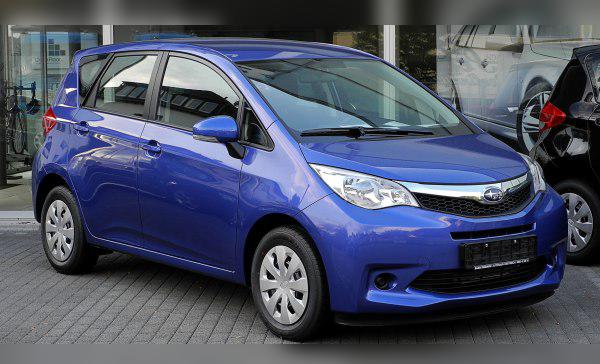
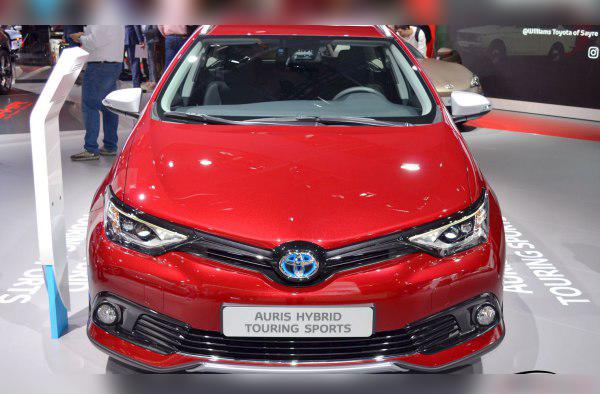
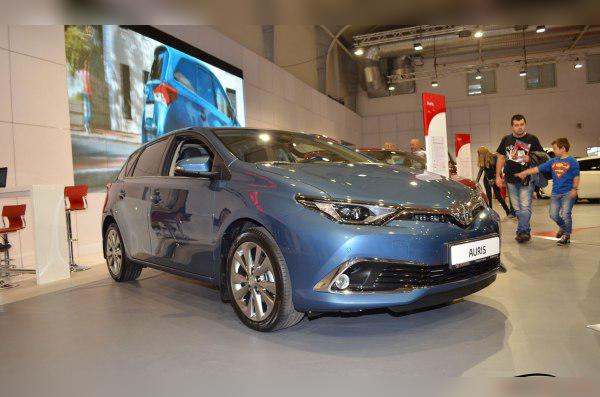
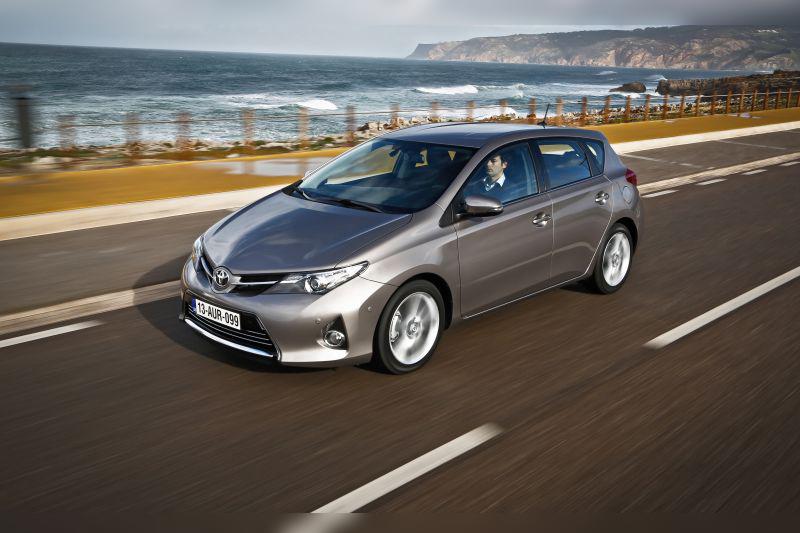
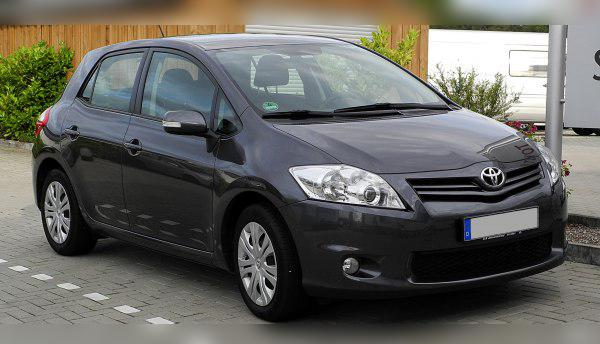
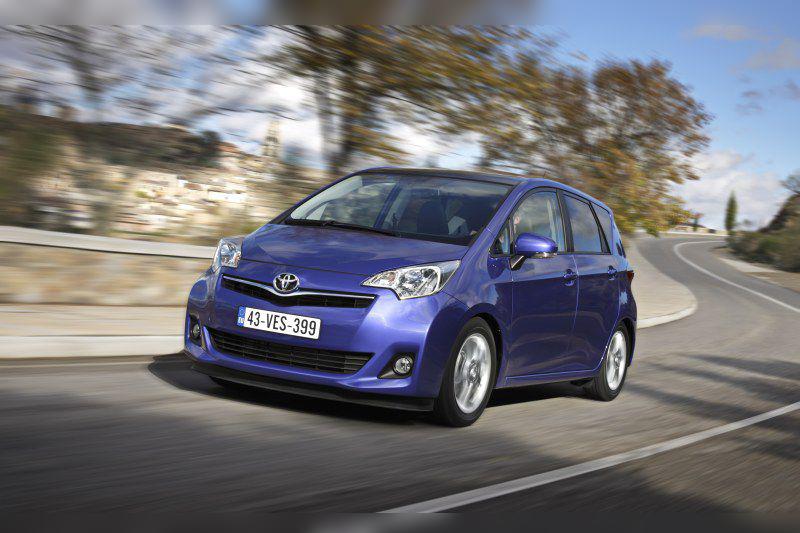
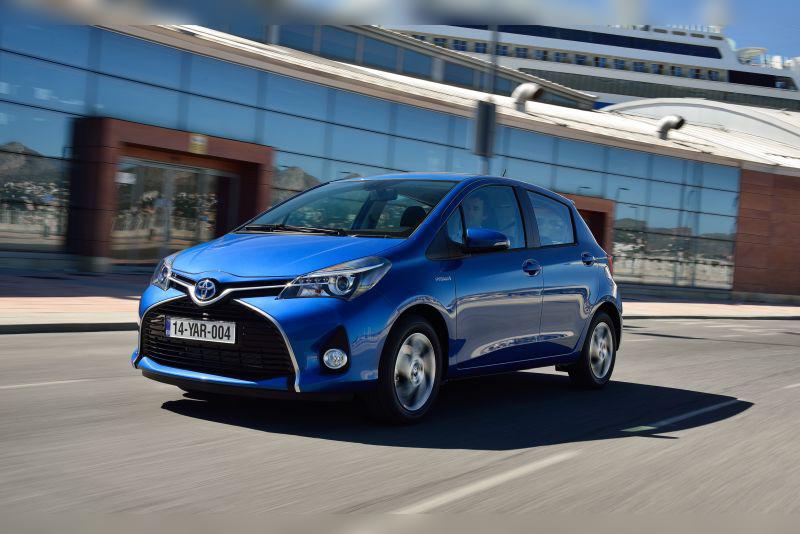
This unit was installed in a wide range of vehicles. Its most common host is the Toyota Yaris III, but it is also often found in the compact Auris, the more spacious Verso-S, and even in the Subaru Trezia (which is a technical twin of the Verso-S). It was designed as a reliable “workhorse” primarily for city and suburban driving, with the goal of keeping running costs to a minimum.
Technical specifications
| Specification | Value |
|---|---|
| Engine code | 1NR-FE |
| Displacement | 1329 cc |
| Power | 73 kW (99 hp) |
| Torque | 125 Nm |
| Injection system | Port fuel injection into intake manifold (EFI/MPI) |
| Induction type | Naturally aspirated |
| Fuel | Petrol |
Reliability and maintenance
Timing belt or chain?
This engine uses a timing chain to transfer power from the crankshaft to the camshafts. Because of that, there is no classic “major service” in the sense of replacing a timing belt and tensioners at a strictly defined mileage. The chain is designed to last as long as the engine itself, although in practice it is advisable to check chain stretch and the condition of the guides at around 200,000 km.
Most common failures
Although considered a reliable unit, the 1NR-FE is not without flaws. The best-known problem on earlier series (roughly up to the 2014/2015 facelift) is increased oil consumption. The cause lies in the design of the piston rings, which have narrow oil drain channels. In city driving, these channels clog with carbon deposits, the rings “stick”, and the engine starts burning oil. The solution requires an engine refresh, which can be expensive (depends on the market). In addition, owners often report water pump failure at around 80,000–100,000 km, which shows up as pink coolant traces around the engine block and a slight bearing whine.
Service intervals and engine oil
The sump of this engine holds about 3.4 liters of oil (including the filter). The crucial factor for this engine is oil viscosity. The manufacturer strictly recommends very low-viscosity 0W-20 oil. Using thicker oils (such as 10W-40) can damage the Dual VVT-i system and accelerate chain wear. Does it consume oil? A healthy, regularly serviced post-2014 engine consumes minimal oil, but on older models with stuck rings consumption can exceed 0.5 to 1 liter per 1,000 km, which is not considered normal.
As for spark plug replacement, high-quality iridium spark plugs are installed from the factory. Their service life is quite long, so they are usually replaced at 90,000 to 100,000 km. Symptoms of worn plugs include rough idle, hesitation under acceleration and increased fuel consumption.
Specific parts and costs
Gearbox, flywheel and injection
Good news for your budget: the 1NR-FE does not have a dual-mass flywheel! It uses a standard solid flywheel with a conventional clutch kit. The cost of replacing the clutch kit (pressure plate, disc, release bearing) is not high (depends on the market) compared to modern turbo petrol and diesel engines.
The injection system is a classic MPI (Multi-Point Injection), meaning that fuel is injected before the intake valve. Petrol injectors are extremely durable and almost never cause problems, while at the same time keeping the intake valves clean from carbon buildup.
Turbo, EGR and emissions
This is a naturally aspirated engine, which means it does not have a turbocharger. This eliminates the risk of expensive repairs to turbos, intercoolers and high-pressure hoses. Also, since it is a petrol engine, it does not have a DPF filter or AdBlue system, which often cause headaches for modern diesel owners.
However, the engine does have an EGR valve. On cars driven exclusively in heavy city traffic (stop-and-go), the EGR valve and throttle body can become dirty with carbon deposits. Symptoms of a dirty EGR and throttle body include fluctuating idle speed and occasional stalling when you press the clutch to stop. Cleaning these components is straightforward and not expensive (depends on the market).
Fuel consumption and performance
City driving and vehicle weight
Real-world fuel consumption in city conditions ranges between 7.0 and 8.5 liters per 100 km, depending on how heavy your right foot is and on the vehicle’s weight. When installed in the Toyota Yaris, performance is perfectly acceptable; the car feels lively and easy to drive. However, if this engine is powering a Toyota Auris or Verso-S, the driver will quickly notice that the engine is rather “sluggish”. The lack of low-end torque requires more frequent shifting and revving the engine higher (above 3,500 rpm) to keep up with traffic, which further increases fuel consumption.
Motorway driving
The 1NR-FE is not a motorway champion. Although the manual gearbox has six gears, the ratios are relatively short. At a cruising speed of 130 km/h, the engine spins at a fairly high 3,500 to 3,800 rpm. Because of this, the cabin can be quite noisy, and motorway fuel consumption rises beyond what makes sense for long trips. The engine is stable, but the lack of power is noticeable when overtaking on inclines, where you will inevitably have to shift down from sixth to fourth gear.
Additional options and modifications
LPG conversion
As a conventional petrol engine with port injection, this unit is suitable for installing a sequential LPG system. However, Toyota valves are traditionally somewhat more sensitive to the higher combustion temperatures of autogas. For this reason, experienced mechanics strongly recommend installing a valve lubrication system (“valve saver”) and very precise LPG system mapping. If the system is of good quality, running on LPG significantly reduces costs without major negative effects on engine longevity.
Chiptuning (Stage 1)
When it comes to increasing power via software modification (chiptuning / Stage 1), the answer is simple: It’s not worth it. Since this is a small-displacement naturally aspirated engine without a turbo, chiptuning can yield at most 3 to 5 horsepower, which is absolutely imperceptible in real driving and is essentially a waste of money.
Gearbox and drivetrain
Manual and automatic transmissions
This engine is most commonly paired with a 6-speed manual gearbox, while an automatic called Multidrive S is optionally available (especially on Yaris and Verso-S models). It is a CVT (Continuously Variable Transmission), which has no conventional gears but uses a system of pulleys and a steel belt, allowing for extremely smooth city driving.
Transmission failures and maintenance
The manual gearbox is robust, but the gear oil should be replaced every 60,000 km to keep shifting smooth. The most common issues are worn synchros due to aggressive driving or clutch wear.
The Multidrive S (CVT) is very reliable if properly maintained. It is absolutely essential to replace the special CVT fluid every 60,000 km. If the previous owner ignored this, the pulleys wear out and the metal belt inside the gearbox can break. Repairing a CVT is very expensive and complicated (depends on the market), so a used gearbox from a breaker’s yard is often installed instead. During a test drive, there must be no jerking, shuddering or whining under linear acceleration.
Buying used and conclusion
What to pay attention to when inspecting?
When buying a used car with the 1NR-FE engine, make sure to do the following:
- Cold start: Start the engine completely cold and listen around the timing area. If the chain rattles for more than a couple of seconds, a timing chain kit (chain and tensioner) replacement will be needed.
- Exhaust smoke check: Rev the engine and watch the exhaust. Bluish smoke is a sure sign that the rings are stuck and the engine is burning serious amounts of oil.
- Service history check: Check the service book to see which oil was used. If you see 10W-40, walk away from that car. If 0W-20 or 5W-30 (as an alternative in some climates) was used, that is a good sign.
- Automatic test drive: If you are buying a version with the Multidrive S gearbox, ask for proof of oil changes in the transmission and test the car under full throttle and when starting uphill.
Who is this engine for?
The Toyota 1.33 Dual VVT-i is an excellent choice for drivers whose priorities are reliability and low maintenance costs in city driving conditions. Thanks to the absence of “problematic” diesel components, it is a safe bet on the used market. It is best matched with the Toyota Yaris. If you need a larger car such as an Auris for frequent long journeys and motorway driving with a full boot, this engine will frustrate you with its lack of power and noise, so in that case you should look for the more powerful 1.6 petrol (1ZR-FAE) or a hybrid version.