CFA 384F Engine (1.0i 68 hp): Real-world experience, problems, fuel consumption and used-car buying tips
- Japanese engineering: Although it carries a PSA badge (Citroën/Peugeot), this is actually the famous Toyota 1KR-FE 3-cylinder engine. Extremely durable.
- Timing system: The engine uses a timing chain, which reduces regular maintenance costs because there is no conventional timing belt.
- Biggest drawbacks: Weak water pump on early series and a very problematic robotized (semi-automatic) gearbox.
- Fuel consumption: Very low in city driving, but the engine struggles on the motorway due to lack of power.
- Cheap maintenance: No dual-mass flywheel, no turbocharger, components are simple and affordable.
- Recommendation: Buy only with a manual gearbox if you want a perfect city car.
Contents
- Introduction: The hidden Japanese engine under a French bonnet
- Technical specifications
- Reliability and maintenance
- Specific parts (costs)
- Fuel consumption and performance
- Additional options and modifications
- Gearbox and power delivery
- Buying used and conclusion
Introduction: The hidden Japanese engine under a French bonnet
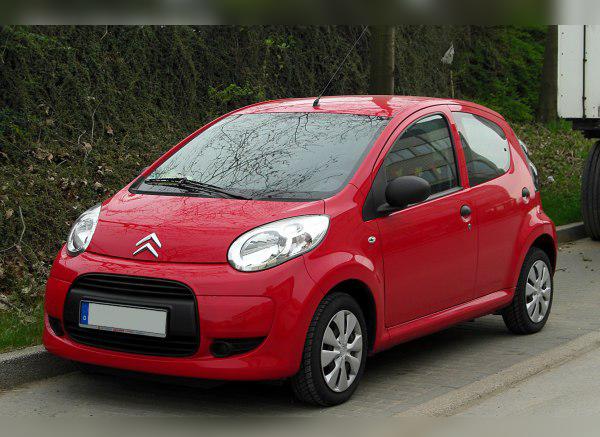
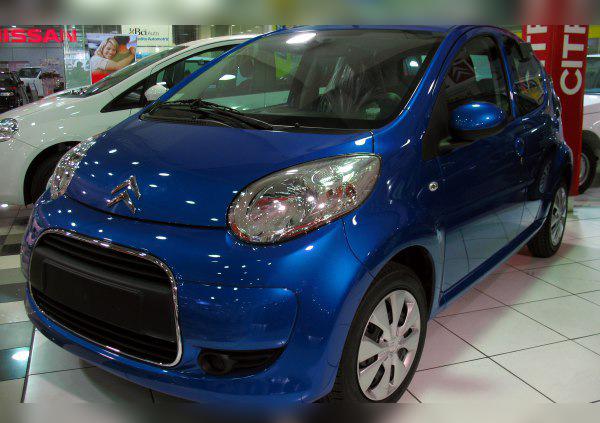
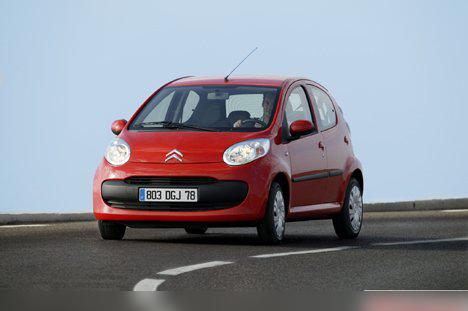
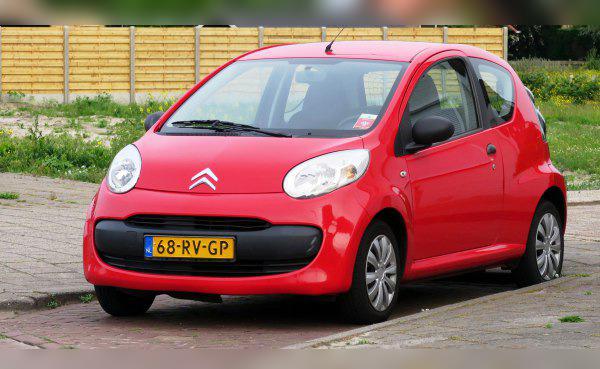
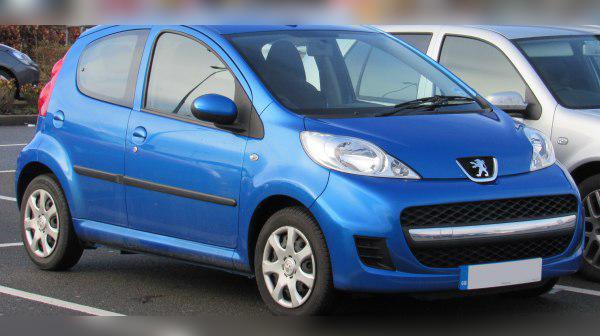
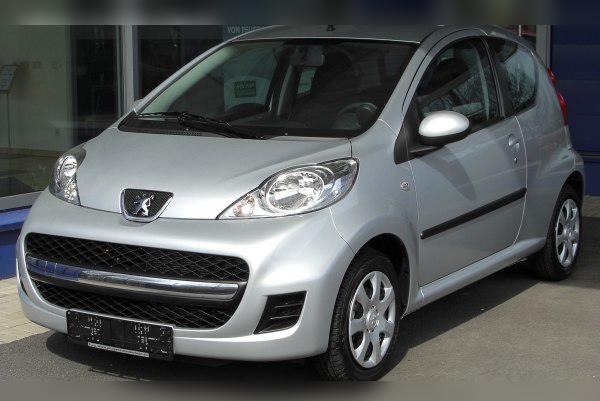
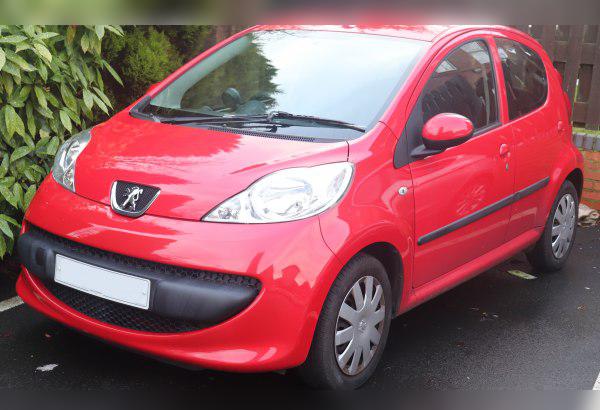
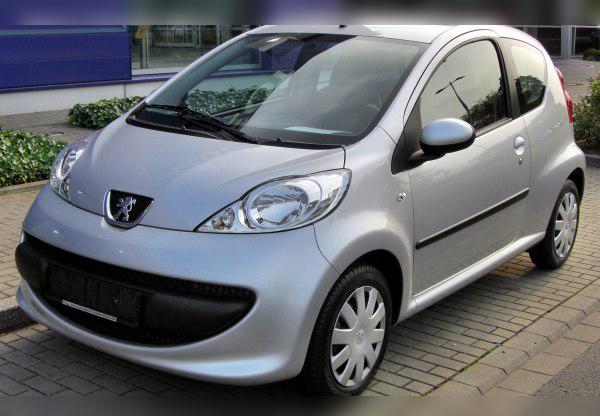
When we talk about the engine with the code CFA 384F (often marked simply as 1.0i or 1.0 VTi), it’s important to clear up one thing right away: this is not a French engine. It is the legendary Toyota unit 1KR-FE, developed for a joint city-car project. It was installed in the so‑called “triplets” from Kolín – the Citroën C1, Peugeot 107 and Toyota Aygo, both in the first (Phase I) and the facelifted (Phase II) generation. Its three-cylinder construction is entirely made of aluminium, and its primary goals were reliability and low exhaust emissions in narrow city streets. Thanks to its robustness, it has been awarded multiple times as the best engine in the sub‑1.0‑litre class.
Technical specifications
| Specification | Data |
|---|---|
| Displacement | 998 cc |
| Power | 50 kW (68 hp) |
| Torque | 93 Nm at 3600 rpm |
| Engine codes | CFA 384F (PSA) / 1KR-FE (Toyota) |
| Injection type | Multi-point indirect injection (MPI) |
| Turbo/Naturally aspirated | Naturally aspirated engine (no turbo) |
Reliability and maintenance
Does this engine have a timing belt or a chain?
This unit uses a timing chain. This is great news for owners, because on this engine the chain rarely needs to be replaced before 200,000 km, unlike sensitive timing belts. The system is extremely reliable as long as the oil is changed on time.
What are the most common failures on this engine?
The engine as a mechanical unit is almost indestructible, but the peripheral components have their “quirks”. The weakest point is the water pump. Factory pumps often started leaking as early as 40,000 to 60,000 km. The symptom is a characteristic whine from under the bonnet and a drop in coolant level (pink/red antifreeze leaves visible traces). Another issue is the rear silencer, which is prone to rust and deterioration due to condensation build‑up during short city trips. Occasionally, ignition coils can fail (the engine runs on two cylinders, shakes, and the Check Engine light comes on).
At what mileage should the major service be done?
A classic “major service” is not done on this engine in the traditional sense because of the chain. However, it is recommended that every 100,000 to 120,000 km you carry out a detailed inspection of the chain, replace the auxiliary (serpentine) belt, tensioner, and definitely replace the water pump, because if the pump seizes, the aluminium block can overheat.
Oil quantity and grade
The engine takes approximately 3.1 to 3.2 litres of oil with filter change. The recommended grade is 5W-30 (synthetic). Some mechanics in hotter climates use 5W-40 due to heavy city traffic, but 5W-30 is the factory standard that provides optimal lubrication of the fine components in the VVT-i variable valve timing system.
Oil consumption
Under normal conditions, the engine does not consume a significant amount of oil. The tolerance is up to 0.2 litres per 1000 km. However, if the engine has done more than 150,000 km and oil changes were neglected, valve stem seals and oil control rings can fail. Oil consumption can then increase noticeably, which you will see as bluish smoke from the exhaust on the first cold start of the day or under hard acceleration.
Spark plugs and replacement interval
The manufacturer specifies iridium spark plugs, which should be replaced every 60,000 km. Do not install the cheapest standard plugs, as they make the engine run worse, increase fuel consumption and can damage the ignition coils.
Specific parts (costs)
Does the engine have a dual-mass flywheel?
No, this engine has a conventional (solid) flywheel. This drastically reduces maintenance costs if the clutch needs to be replaced.
Fuel injection system
It uses classic indirect petrol injection (MPI). The injectors are extremely reliable and problems are extremely rare. Clogging can occur only if the car is left standing unused for months with poor-quality fuel in the tank.
Turbocharger, DPF, EGR and AdBlue
This unit is naturally aspirated, which means it has no turbocharger. Consequently, there are no expensive turbo overhauls. Also, as an older‑generation petrol engine, it has no DPF filter and does not use an AdBlue system (which is reserved for newer diesels). An EGR valve (exhaust gas recirculation system) is present on some versions and is of very simple design. Unlike on diesel engines, it rarely clogs with soot here, so it does not pose a major risk to your wallet.
Fuel consumption and performance
Real-world city fuel consumption
This is where the CFA 384F really shines. Depending on traffic conditions, real-world city consumption ranges between 5.5 and 6.5 l/100 km. With a light right foot, it can get closer to the lower end of that range.
Is the engine “sluggish”?
With 68 hp (50 kW) and 93 Nm of torque, the figures on paper look laughable. However, given that the Citroën C1 and Peugeot 107 weigh only about 800 to 850 kg, the engine is surprisingly lively in the 0–60 km/h range. The characteristic three‑cylinder sound resembles a blender, but in city traffic the car feels quite nippy. Still, the lack of torque becomes obvious once you load the car with passengers and tackle a steeper hill.
Behaviour on the motorway
This engine simply wasn’t designed for motorway use. At 130 km/h, it is spinning at a high 3800 to 4000 rpm (depending on gearbox ratios). At that speed, cabin noise is very pronounced, the steering becomes sensitive to crosswinds, and fuel consumption jumps above 7.0 l/100 km. If you plan long trips every weekend, this is not the car for you. A comfortable cruising speed for this engine is around 100–110 km/h.
Additional options and modifications
LPG (autogas) conversion
Installing LPG is not recommended for this engine, even though it is technically possible. The reason is the very soft valve seats. LPG combustion raises the temperature in the combustion chamber, which quickly leads to the valves “sinking” into the cylinder head. If you still decide to install LPG, it is absolutely essential to fit an additional valve lubrication system (so‑called “valve saver” or drip system). Considering the very low basic petrol consumption, the cost of a quality LPG system is hard to recoup and pays off very slowly.
Remapping (Stage 1)
It’s pointless. Remapping a small naturally aspirated engine (Stage 1) will give you a theoretical gain of 3 to 5 hp and maybe 5 Nm of torque. You won’t feel this difference in real driving, and you’ll just be throwing money away.
Gearbox and power delivery
Which gearboxes were fitted?
With the CFA 384F engine, a classic 5-speed manual gearbox and a 5-speed robotized gearbox were available (called SensoDrive at Citroën and 2-Tronic at Peugeot).
Gearbox failures
Manual gearbox: Generally reliable, but the synchros, especially for first and second gear, are sensitive. If the gearbox grinds when shifting, it means the synchro has been damaged by rough driving. The clutch can feel a bit stiff, and the friction plate is often worn out already at around 80,000 km, especially if the car is driven exclusively in heavy city traffic.
Robotized gearbox (SensoDrive / 2-Tronic): This is actually a manual gearbox in which electric motors (actuators) operate the clutch and change gears instead of you. This should be avoided at all costs. Gear changes are slow and jerky. The clutch actuator fails very often and repairs are expensive (depending on the market). On top of that, the electronics operate the clutch too slowly, so the friction plate on these versions wears out twice as fast as on conventional manuals.
Clutch replacement costs
Thanks to the solid flywheel, clutch replacement is cheap. A complete clutch kit (friction plate, pressure plate, release bearing) for the manual gearbox costs around 80 to 150 euros (depending on the market), plus labour. It’s not uncommon for the clutch cable to stretch, so before replacing the whole kit, you should first check the cable.
Gearbox servicing
The oil in the manual (and robotized) gearbox should be changed every 60,000 to 80,000 km. This is a minimal expense (it takes less than 2 litres of oil), but it drastically extends the life of the bearings and synchros inside the casing.
Buying used and conclusion
What exactly should you check before buying?
- Cold start: Start the car completely cold. Listen on the right-hand side of the engine (where the chain is) for any rattling. Any knocking or rattling indicates a stretched chain or worn guides.
- Water pump: Shine a torch on the left-hand side of the engine and look for white/pink antifreeze deposits under the water pump pulley.
- Clutch test: On a manual gearbox, pay attention to where the pedal “bites”. If it bites right at the top and your foot vibrates as you release it, the clutch kit is due for replacement.
- Doors and boot: These cars have issues with the sealing rubbers on the rear windows (quarter glass) and the tailgate. Lift the boot floor mat and check for water in the spare wheel well.
Conclusion: Who is this engine for?
The CFA 384F engine fitted in the Citroën C1 or Peugeot 107 is the undisputed king of the “urban jungle”. It is aimed at beginners, students, workers who need a reliable way to get from point A to point B, and anyone looking for a car with extremely low registration and maintenance costs. By choosing a model with a manual gearbox and avoiding the problematic robotized versions, you get a car whose workshop bills rarely exceed the cost of a full shopping cart at the supermarket. Don’t expect comfort, silence or record‑breaking motorway speeds from it, but do expect a faithful workhorse for traffic jams.