CFGB Engine
- Engine
- 1968 cm3
- Aspiration
- Turbocharger, Intercooler
- Fuel
- Diesel
- Fuel injection system
- Diesel Commonrail
- Power
- 170 hp @ 4200 rpm
- Torque
- 350 Nm
- Cylinders
- 4
- Valves
- 16, 4 per cylinder
- Cylinders position
- Inline
- Valvetrain
- DOHC
- Oil capacity
- 4 l
- Coolant
- 8 l
- Systems
- Particulate filter
# Vehicles powered by this engine
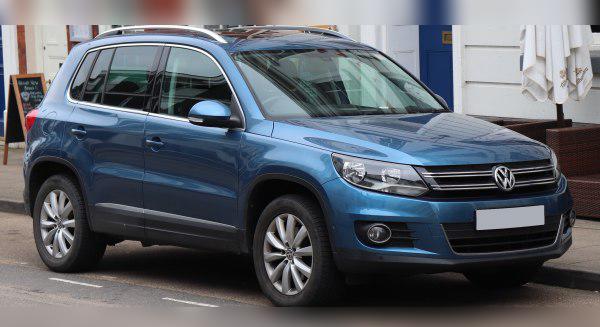
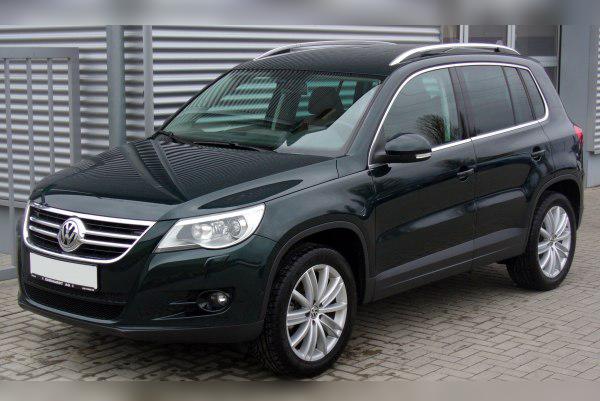
CFGB 2.0 TDI (170 HP): Experiences, problems, fuel consumption and buying tips
Key points (TL;DR)
- Common Rail technology: This is a more modern, quieter and more refined engine than the older Pump Düse (PD) units.
- Power and torque: With 170 HP and 350 Nm, it’s an ideal match for heavier vehicles like the Sharan and Tiguan, and feels sporty in the Audi TT.
- Timing belt driven: There is no timing chain, which is good news, but it does require regular timing belt kit replacement.
- Typical issues: Intake manifold (flaps), EGR cooler and DPF in city driving.
- AdBlue system: On Sharan and Alhambra models, the AdBlue fluid heater is a common and expensive failure.
- Recommendation: An excellent choice for highway driving. Avoid it if you drive almost exclusively short city trips.
Contents
- Technical Specifications
- Reliability and Maintenance
- Specific Parts and Costs
- Fuel Consumption and Performance
- Additional Options and Tuning
- Gearbox and Transmission
- Buying Advice and Conclusion
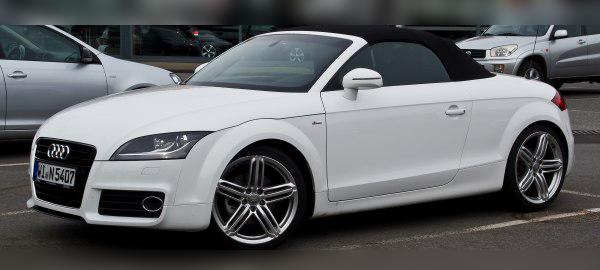
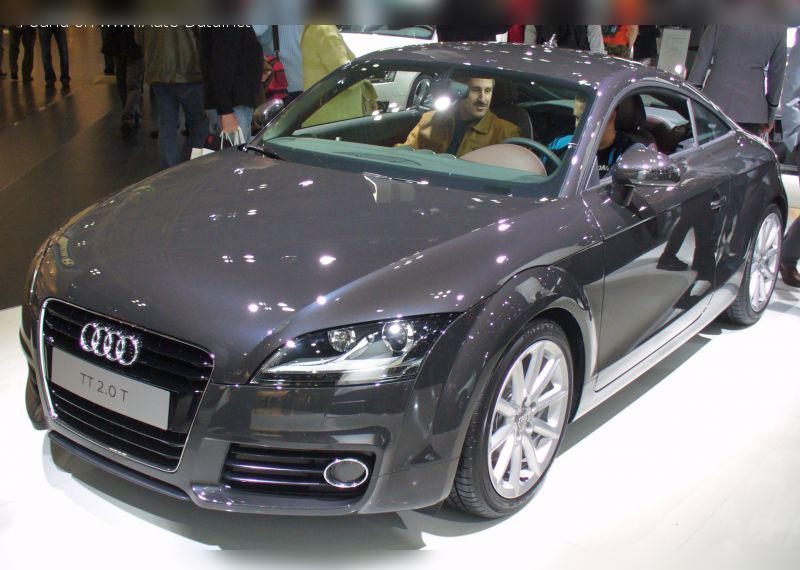
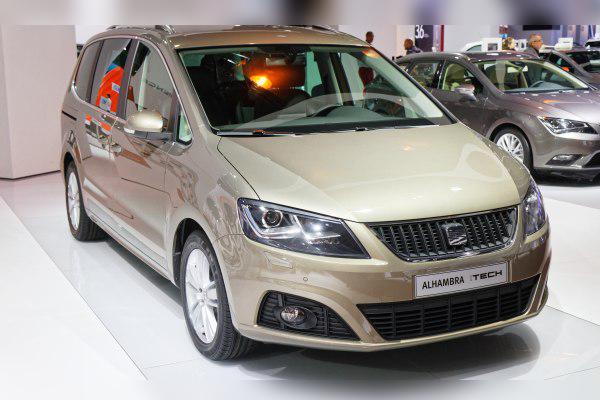
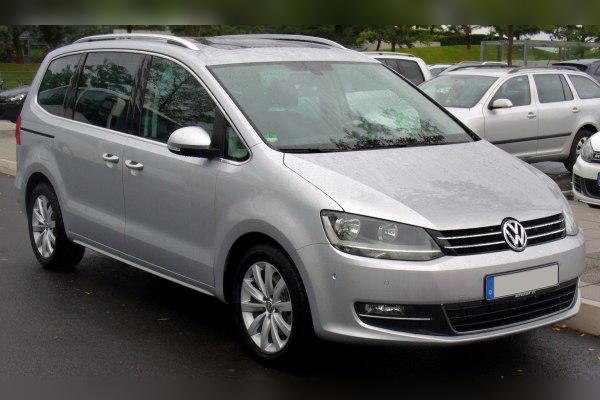
The engine with the code CFGB belongs to the second generation of 2.0 TDI engines with Common Rail injection (EA189 family). It was installed roughly from 2010 to 2015. Its role was to repair the damaged image of Volkswagen diesels after the problems with Siemens injectors and cracked cylinder heads on older PD engines. The CFGB is a “workhorse” that powers everything from the sporty Audi TT, through the VW Tiguan SUV, to family cruisers like the VW Sharan and Seat Alhambra. It’s an engine that offers serious performance, but like any modern diesel, it requires specific maintenance.
Technical Specifications
| Specification | Data |
|---|---|
| Displacement | 1968 cc (2.0 L) |
| Power | 125 kW (170 HP) at 4200 rpm |
| Torque | 350 Nm at 1750–2500 rpm |
| Engine code | CFGB |
| Injection system | Common Rail (Bosch piezo injectors) |
| Charging | Variable geometry turbocharger (VGT) + intercooler |
| Emission standard | Euro 5 |
Reliability and Maintenance
Does this engine have a timing belt or a chain?
The CFGB engine uses a timing belt. This is generally a more reliable solution than the thin chains that stretched on some other engines from the VW group. The system is robust, but if the belt snaps, it leads to catastrophic engine damage (pistons and valves colliding).
At what mileage should the major service be done?
The factory recommendation for timing belt replacement on the CFGB engine is often an optimistic 210,000 km. However, as an experienced editor, I advise you to ignore that. Due to rubber aging and harsh operating conditions (city driving, cold starts), the major service should be done at a maximum of 150,000 km or every 5 years, whichever comes first. Along with the belt, you must replace the tensioners, idler pulleys and the water pump (which is known to start leaking before the belt itself fails).
What are the most common failures on this engine?
Although more reliable than its predecessors, the CFGB has its quirks:
- Intake manifold (Error P2015): The plastic swirl flaps in the intake manifold are actuated by a small motor. Over time, the plastic stops wear out or the linkage breaks. The symptom is a “Check Engine” light and loss of power.
- EGR cooler: Internal coolant leaks into the engine or a sticking valve are common. The symptom is a gradual loss of coolant without visible traces under the car.
- Thermostat: A known issue on these engines (and on DSG gearboxes, which have their own thermostat). The engine struggles to reach the operating temperature of 90°C, which increases fuel consumption and wear.
- Hexagonal oil pump shaft: Although on the CFGB this problem is rarer than on older 2.0 TDIs (because the shaft was extended to 100 mm), a preventive inspection or replacement is still recommended above 200,000 km, because if it rounds off, the engine loses oil pressure.
Oil: quantity, grade and consumption
The engine takes approximately 4.3 litres of oil. You must use oil that meets the VW 507.00 specification, most commonly in 5W-30 grade. This is crucial because of the DPF filter (Low SAPS oil).
As for oil consumption, the CFGB is significantly better than older engines. Consumption of 0.5 to 0.8 litres per 10,000 km is considered completely acceptable and normal, especially if you drive more aggressively on the motorway. If it uses more than that, check the turbo or possible leaks at the oil seals.
How long do the injectors last and how reliable are they?
The CFGB uses Bosch piezo-electric injectors. They have proven to be very durable and reliable, unlike the Siemens injectors in older models. The expected service life is over 250,000 km with good-quality fuel. Symptoms of bad injectors are rough idle (the rev needle “dances”), smoke under hard acceleration or difficult starting.
Specific Parts (Costs)
Does the engine have a dual-mass flywheel?
Yes, all models with the CFGB engine (both manual and DSG) have a dual-mass flywheel. Its role is to dampen the strong vibrations of the diesel engine. Replacement is expensive (depends on the market, but expect a significant bill). Symptoms of failure are metallic rattling when starting/stopping the engine and vibrations in the clutch pedal or in the cabin at idle.
Turbocharger and lifespan
The engine has a single variable geometry turbocharger. The turbo is reliable, but its Achilles’ heel is soot. If the car is driven “pensioner style” (lugging at low revs), the vanes of the variable geometry get clogged and stick. Then the car goes into “safe mode” (loses power) at higher speeds. Reconditioning is possible and the price is mid-range (varies by market).
DPF, EGR and AdBlue
This engine has both DPF and EGR.
DPF: Sensitive to city driving. If you only drive in town, it will clog quickly. Regeneration requires driving on open roads.
AdBlue (SCR): This is where you need to be careful. Models such as the VW Sharan and Seat Alhambra with the CFGB engine almost always have an AdBlue system due to their weight and emission standards. The Audi TT and Tiguan with this engine often do not have AdBlue and rely only on DPF/EGR (check by VIN). On models with an AdBlue system, a common failure is the heater in the AdBlue tank, which fails and requires replacement of the entire module, which is very expensive (depends on the market).
Fuel Consumption and Performance
Real-world fuel consumption
Fuel consumption varies drastically depending on the body style:
- Audi TT (Quattro): City 6.5–7.5 l/100 km, Highway 4.5–5.5 l/100 km. Light car, excellent economy.
- VW Tiguan (4Motion): City 8.0–9.5 l/100 km, Highway 6.0–7.0 l/100 km. “Brick-like” aerodynamics and all-wheel drive increase consumption.
- Sharan / Alhambra: City 8.5–10.0 l/100 km, Highway 6.0–7.5 l/100 km. The high weight takes its toll.
Is the engine “lazy”?
Absolutely not. With 350 Nm available from just 1750 rpm, this engine pulls hard. In the Audi TT it delivers sporty performance (0–100 km/h in about 7.5 seconds). Even in a heavy Sharan loaded with family and luggage, 170 HP is more than enough for safe overtaking. For many, this is the best balance of power and fuel consumption for these body styles.
Behaviour on the motorway
This is the CFGB engine’s natural habitat. At 130 km/h the engine is relaxed. On models with a 6-speed gearbox, revs are usually around 2200–2400 rpm (depending on gearing and wheel size). Cabin noise is minimal, and there is always enough power in reserve for acceleration up to 160 km/h.
Additional Options and Modifications
Remapping (Stage 1)
The CFGB responds extremely well to remapping. Since it is factory “detuned” for emissions and market positioning, a simple Stage 1 software update safely raises power to 200–210 HP and torque to over 400–420 Nm. The engine can mechanically handle this increase without issues, but keep in mind that the clutch and dual-mass flywheel will be under more stress, so their lifespan may be shortened if you drive aggressively.
Gearbox
Which gearboxes are fitted?
With the CFGB you get two options:
- 6-speed manual gearbox: Precise and robust.
- 6-speed DSG (DQ250): Dual-clutch automatic gearbox with “wet” clutches (clutches are oil-bathed).
Most common gearbox issues
- Manual: The gearbox itself rarely fails. Problems are usually related to the clutch kit and dual-mass flywheel.
- DSG (DQ250):
- Mechatronics unit: The “brain” of the gearbox. If it fails, the gearbox jerks, refuses to engage gears or gets stuck. Repairs are very expensive (market-dependent).
- Dual-mass flywheel on DSG: Often fails earlier than on the manual because drivers hold the car on the throttle on inclines or accelerate hard. You can hear rattling in “P” or “N”.
Gearbox servicing
On DSG gearboxes, oil and filter changes are MANDATORY every 60,000 km. Buying a used car without proof of this is a big risk. On the manual gearbox, VW says the oil is “lifetime”, but in practice it should be changed at around 150,000–200,000 km to ensure smoother shifting in winter.
Buying a Used Car and Conclusion
What to check before buying?
- Cold start: The engine should start instantly. If it cranks for a long time, it could be injectors, battery or starter motor.
- Flywheel noise: While the engine is idling, listen for rhythmic knocking that stops or changes when you press the clutch (on manuals).
- Diagnostics: Always check DPF saturation (anything over 60 g of ash is near the end of its life) and injector correction values (they should be close to 0; up to +/- 1.0 is acceptable, more than that indicates wear).
- Coolant traces: Look at the expansion tank. If the level is low, suspect the EGR cooler.
Conclusion: Who is it for?
The CFGB 2.0 TDI (170 HP) is probably one of the best diesel engines of its time in this class. It is powerful enough to be fun, yet economical enough not to bankrupt you at the pump. It is an ideal purchase for drivers who cover more than 15–20,000 km per year, mostly on open roads. For Sharan and Alhambra owners, this is the only real choice, as the weaker engines (140 HP) can feel anaemic under full load.
Avoid it only if you spend 90% of your time in stop‑and‑go city traffic, because you will constantly be fighting with DPF regenerations and the EGR valve.
Was this content useful to you?
Your opinion helps us to improve the quality of the content.