CDAA Engine
- Engine
- 1798 cm3
- Aspiration
- Turbocharger, Intercooler
- Fuel
- Petrol (Gasoline)
- Fuel injection system
- Direct injection
- Power
- 160 hp @ 5000 rpm
- Torque
- 250 Nm @ 1500 rpm
- Cylinders
- 4
- Valves
- 16, 4 per cylinder
- Cylinders position
- Inline
- Valvetrain
- DOHC
- Oil capacity
- 4.7 l
- Coolant
- 5.6 l
# Vehicles powered by this engine





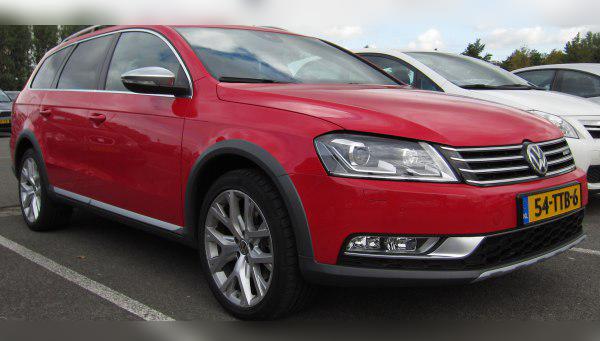
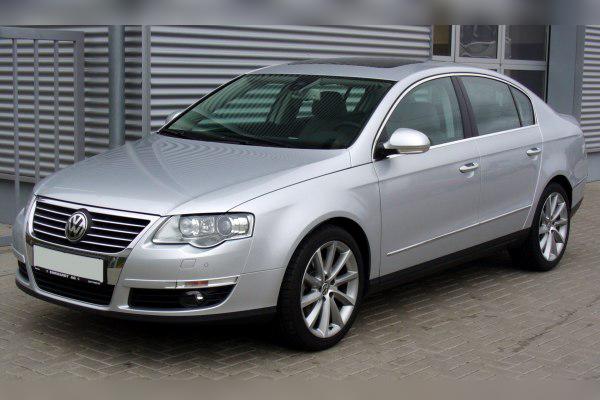
1.8 TSI / TFSI (CDAA) 160 HP: Experiences, problems, oil consumption and buying tips
Most important in short (TL;DR)
- Performance: Excellent power-to-weight ratio, the engine is very lively and flexible in all driving modes.
- Biggest issue: Extreme oil consumption due to poor piston ring design (especially on models produced before 2012).
- Timing: Uses a timing chain that is prone to stretching and skipping if the hydraulic tensioner fails.
- Gearboxes: Often paired with a DSG gearbox (DQ200 with 7 speeds) which requires caution when buying used.
- Maintenance: Not cheap to maintain if major failures occur (engine overhaul, turbocharger, timing chain).
- Recommendation: Buy only if you have proof that the piston ring issue has been resolved (engine overhaul) or that the chain has been replaced with a newer revision.
Contents
Introduction and engine applications
The engine with the code CDAA belongs to the second generation (Gen 2) of the EA888 engine family from the VAG group. This is one of the most widespread petrol engines in the mid-size car segment from 2008 to 2013. Its role was to fill the gap between the economical 1.4 TSI and the sporty 2.0 TSI units.
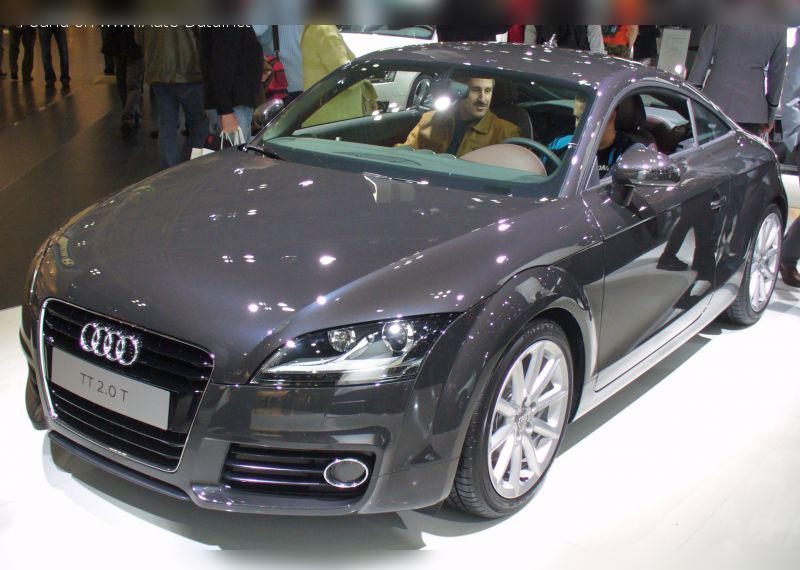
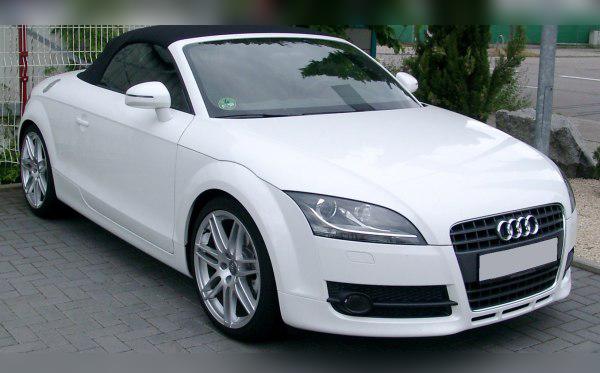
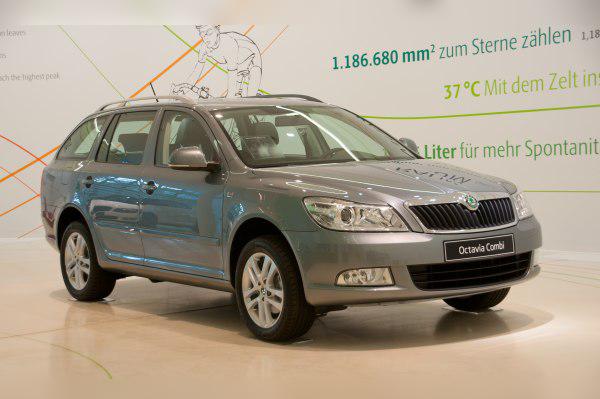
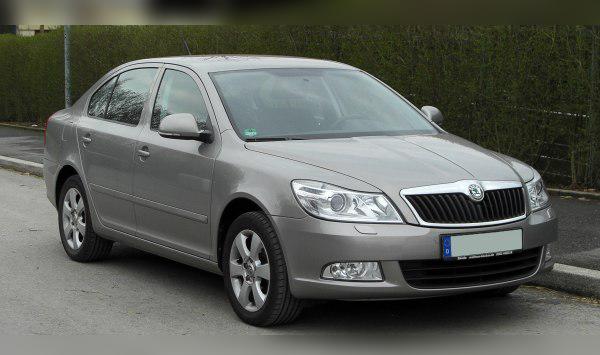
It was installed in a wide range of vehicles, from the sporty Audi TT, through family sedans such as the VW Passat B6/B7 and Škoda Octavia, all the way to MPVs like the Seat Altea XL. Drivers like it for its quiet operation and linear acceleration, but mechanics know it well because of specific (and expensive) factory flaws.
Technical specifications
| Parameter | Data |
|---|---|
| Engine displacement | 1798 cc |
| Power | 118 kW (160 HP) |
| Torque | 250 Nm at 1500–4500 rpm |
| Engine code | CDAA (EA888 Gen 2) |
| Injection system | Direct injection (TSI / TFSI) |
| Charging method | Turbocharger + Intercooler |
| Number of cylinders / valves | 4 / 16v |
Reliability, timing chain and notorious oil consumption
Timing system: Chain or belt?
The CDAA engine uses a timing chain to drive the camshafts. On paper, this was supposed to be a “maintenance-free” solution, but in practice it turned out to be a weak point. The most common problem is chain stretching and failure of the hydraulic tensioner. Symptoms include rattling on cold start (metal-on-metal sound) that lasts a few seconds.
If this sound is ignored, the chain can jump a tooth, which leads to piston-to-valve contact – a total engine failure. Preventive inspection of the chain condition (via diagnostics or inspection port) is recommended every 100,000 km, or immediately after buying a used car. Replacing the complete chain kit is moderately expensive, but essential.
Oil consumption: The biggest problem of the CDAA engine
This is issue number one. Yes, this engine is known for extreme oil consumption. The problem lies in the factory’s poorly designed oil control rings on the pistons, which are too thin, and in the drainage holes that quickly clog with carbon deposits.
Symptoms: The engine starts consuming from 0.5 liters up to 1.5 liters of oil per 1,000 km. The manufacturer often states that up to 0.5L/1000km is “within normal limits”, but that’s mostly a way to avoid responsibility. Blue smoke from the exhaust and oily deposits on the tailpipes are clear signs. The solution is expensive: a full engine overhaul that includes replacing pistons and rings with a modified version (which solves the problem permanently).
Maintenance: Oil and spark plugs
The engine holds approximately 4.6 liters of engine oil. The recommended grade is 5W-30 or 5W-40, with mandatory compliance with VW standards (VW 504.00 / 507.00). Due to the piston ring issue and fuel dilution of the oil, it is advisable to shorten the oil change interval to 10,000 km or a maximum of one year.
The spark plugs on this turbo petrol engine should be replaced every 60,000 km. However, if the car is remapped (chipped) or consumes oil, spark plug life is drastically reduced, so they should be checked at every minor service. Ignition coils can also fail, which manifests as rough engine operation.
Specific components: Injectors, Turbo and Flywheel
Injection system and carbon buildup
The CDAA is an engine with direct fuel injection into the cylinders. The injectors are generally reliable, but sensitive to poor fuel quality. A much more common problem than the injectors themselves is carbon buildup on the intake valves. Since fuel does not flow over the valves (to “wash” them), carbon accumulates, which over time chokes the engine, reduces power and increases fuel consumption. Cleaning the intake manifold (“decarbonization”) is recommended every 80–100k km.
Turbocharger and related components
The engine has a single turbocharger (usually KKK or BorgWarner). Its lifespan is solid and the turbo often outlives the engine itself (i.e. the piston rings), provided quality oil is used and the engine is not switched off immediately after hard driving. A common issue is the wastegate valve, which can rattle or stick, as well as the diverter valve (N249) whose rubber membrane can tear, resulting in loss of power (boost leak).
PCV valve (crankcase ventilation / oil separator)
This is a small component that can cause big problems. When the PCV valve fails, crankcase pressure rises, which can lead to oil leaks at the crankshaft seals and further increased oil consumption. It also causes unstable idle (stumbling, hesitation).
Emissions: DPF, EGR, AdBlue?
This is a petrol engine, so it does not have a DPF filter nor does it use AdBlue fluid. It has a catalytic converter that can fail if the engine burns a lot of oil (oil clogs the catalyst honeycomb). The EGR function in the classic sense (as on diesels) is implemented differently here (via variable valve timing), so there is no typical “EGR cleaning” as on TDI engines.
Fuel consumption and performance
City and highway driving
Do not expect miracles from a 1.8-liter turbo petrol engine in heavy bodies such as the Passat or Octavia Combi 4x4.
- City driving: Real-world consumption is between 9 and 11 liters per 100 km. In heavy traffic and winter conditions, this can easily go up to 12–13 liters.
- Country roads: This is where the engine shines. With relaxed driving on main roads it uses about 6.5 to 7.5 liters.
- Motorway: At 130 km/h the engine spins at around 3,000 rpm (depending on the gearbox) and consumes about 7.5–8.5 liters.
Is the engine “lazy”?
Absolutely not. With 160 HP and 250 Nm available from as low as 1500 rpm, this engine moves the Octavia or Passat body with ease. Acceleration is linear, overtaking is safe, and the top speed is far above legal limits. In the lighter Audi TT, this engine delivers almost sports-car performance.
Tuning and LPG conversion
Can LPG be installed?
Since this is a direct injection engine (FSI/TSI), LPG conversion is more complex and more expensive than on older engines. There are two options:
- A system that injects 80–90% LPG and 10–20% petrol (to cool the petrol injectors). Cost-effectiveness is lower due to the petrol consumption.
- A liquid-phase LPG injection system (using the petrol injectors). This is the best solution, the engine runs 100% on LPG, but installation is very expensive (often over 1000 EUR, depending on the market).
Chip tuning (Stage 1)
The 1.8 TSI responds extremely well to remapping. From the factory it is “detuned” so as not to jeopardize sales of the 2.0 TSI models. A Stage 1 remap safely raises power to about 200–210 HP and torque to 300–320 Nm.
Warning: If you have a 7-speed DSG gearbox (DQ200), be very careful with increasing torque, as this gearbox is factory-rated for 250 Nm. The manual gearbox tolerates power increases better.
Gearbox: Manual vs DSG
Manual gearbox
It comes as a 6-speed gearbox. It is very precise and reliable. However, this engine uses a dual-mass flywheel (DMF). Symptoms of a worn flywheel are knocking when switching off the engine and vibrations on the clutch pedal. Replacing the clutch kit together with the flywheel is a significant expense (it falls into the “expensive” category).
Automatic gearbox (DSG)
This is where you need to be careful.
- FWD models (front-wheel drive): Most often come with the DQ200 7-speed DSG gearbox with a dry clutch. This is a problematic gearbox. Mechatronic failures and premature clutch wear are common, especially in city driving. Maintenance includes changing the oil in the mechatronics and gearbox (even though VW sometimes claims it is “lifetime”, replacement is recommended).
- 4x4 models (e.g. Škoda Octavia Scout, Audi TT quattro): Usually use the DQ250 6-speed DSG with a wet clutch. This gearbox is significantly more robust, more reliable and better able to handle higher torque, but it requires regular oil and filter changes every 60,000 km.
Buying used and Conclusion
Before buying a car with the 1.8 TSI (CDAA) engine, a thorough inspection is mandatory:
- Exhaust: Put your finger inside the exhaust tip. If the inside is oily and black with soot, the engine is probably burning oil. A dry, greyish exhaust is a good sign.
- Cold start: Listen to the engine at first start. Any rattling lasting longer than 1–2 seconds indicates a chain problem.
- Service history: Ask for proof of piston/ring or chain replacement. If the seller says “it doesn’t use a drop of oil” but has no proof of an overhaul, be suspicious.
- Diagnostics: Check the “phase position” (chain stretch) and any fault codes related to fuel pressure or misfires.
Final verdict
The 1.8 TSI CDAA is an engine that is fantastic to drive, but risky to own. It is intended for enthusiasts who are willing to invest money in preventive repairs (engine overhaul and timing chain) in order to get fantastic performance and refinement. If you are looking for a “fill up and drive” car with low running costs, this engine is probably not for you, unless you find an example where all of the above issues have already been resolved.
Was this content useful to you?
Your opinion helps us to improve the quality of the content.