B47C20B Engine
- Engine
- 1995 cm3
- Aspiration
- Turbocharger, Intercooler
- Fuel
- Diesel
- Fuel injection system
- Diesel Commonrail
- Power
- 150 hp @ 4000 rpm
- Torque
- 330 Nm @ 1750 rpm
- Cylinders
- 4
- Valves
- 16, 4 per cylinder
- Cylinders position
- Inline
- Valvetrain
- DOHC
- Oil capacity
- 5 l
- Coolant
- 7 l
- Systems
- Particulate filter
# Vehicles powered by this engine
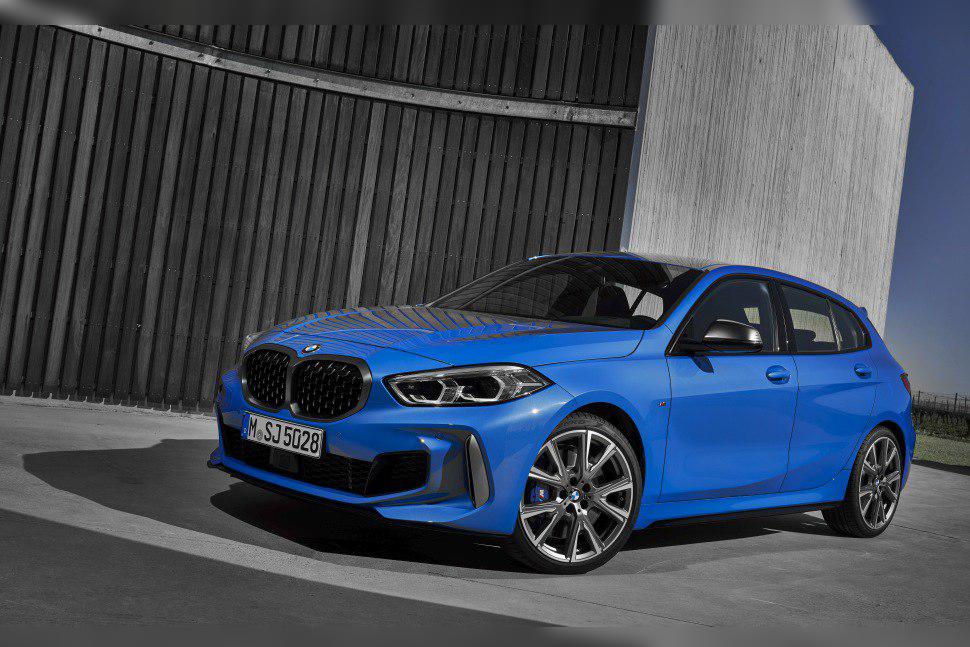
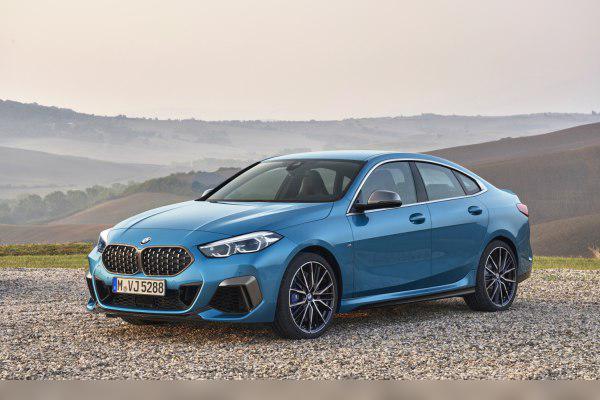

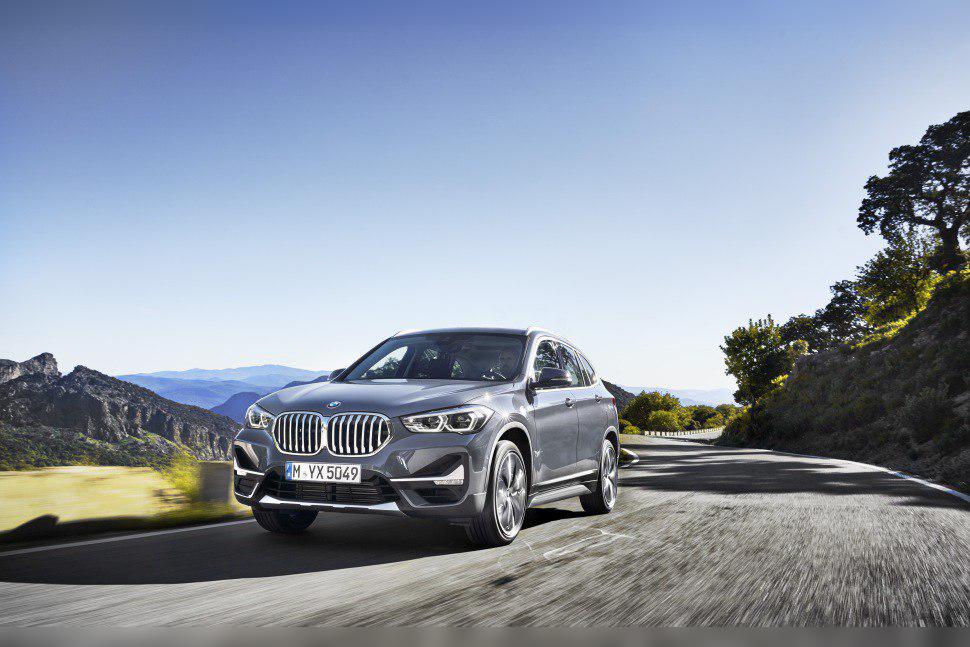
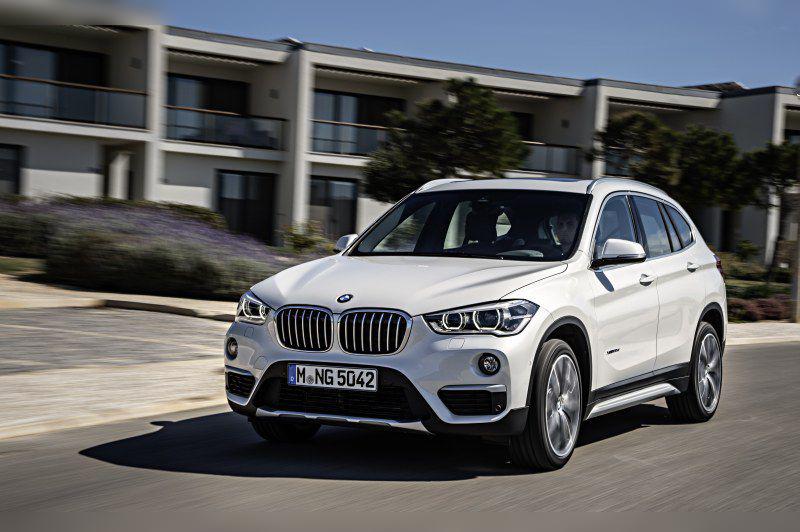
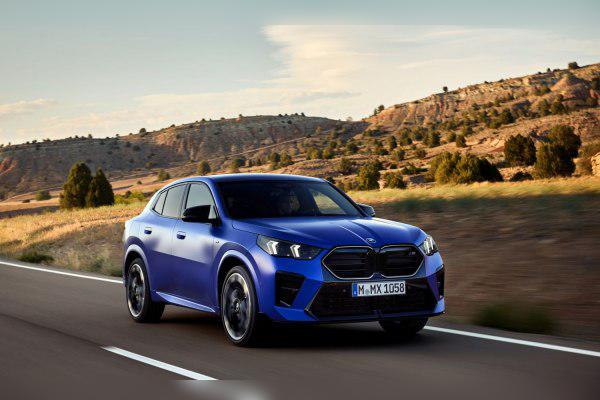





BMW B47C20B (2.0d 150 HP) – Experiences, Problems, Fuel Consumption and Maintenance
Key points in short (TL;DR)
- More reliable than its predecessor: The B47 series has solved most of the catastrophic issues of the old N47 engine (timing chain failure), but it is not immune to faults.
- The chain is at the back: Although more durable, the chain is still located at the rear of the engine (towards the cabin), which makes any replacement very expensive (the engine has to be removed).
- The EGR cooler is critical: The most common issue is coolant leaking into the intake via the EGR cooler, which has been the subject of major recalls.
- Transverse installation: The "C20B" designation and the models it is fitted to (X1, 1 Series F40, Mini) indicate that this is the version for front-wheel drive or xDrive based on front-wheel drive – the gearboxes are not the same as in the 3 Series!
- Emissions systems: All these engines have AdBlue and a DPF, both of which are sensitive to city driving.
- Fuel consumption: Extremely economical engine, one of the best in its class in terms of power/consumption ratio.
Contents
- Technical Specifications
- Reliability and Maintenance
- Specific Parts and Costs
- Fuel Consumption and Performance
- Additional Options and Modifications
- Gearbox and Drivetrain
- Buying Advice and Conclusion
The engine designated B47C20B is the heart of BMW’s modern compact cars and SUV (SAV) models. Unlike classic BMW diesels that are mounted longitudinally (for rear-wheel drive), this engine is designed for transverse installation. That means you’ll find it in models based on the UKL/FAAR platform such as the BMW X1, X2, 1 Series (F40) and almost the entire Mini range. With 150 horsepower, it is the "golden middle" – enough power for overtaking, with minimal registration and fuel costs. However, like any modern diesel, it requires specific care.
Technical Specifications
| Parameter | Value |
|---|---|
| Engine code | B47C20B |
| Displacement | 1995 cc (2.0 litres) |
| Power | 110 kW (150 HP) / Mild Hybrid versions 120 kW (163 HP) |
| Torque | 330 Nm (some versions go up to 350–360 Nm with mild-hybrid boost) |
| Injection type | Common Rail (Solenoid or Piezo injectors, depending on model year) |
| Charging | Variable-geometry turbocharger (VGT) + intercooler |
| Configuration | Inline 4-cylinder, transversely mounted |
Reliability and Maintenance
Does this engine have a timing belt or a chain?
The B47C20B engine uses a timing chain. The good news is that this chain is significantly better than on the notorious N47 predecessor and rarely snaps without warning. The bad news is that the chain is still located at the rear of the engine (between the engine and gearbox). This means that if it needs to be replaced (you hear rattling on cold start), the engine has to be removed or the gearbox taken off, which drastically increases labour costs. With regular oil changes, the expected chain life is over 200,000 km, but you should listen to it regularly.
What are the most common failures on this engine?
The biggest enemy of this engine is the EGR cooler. The internal walls of the cooler often crack, causing coolant to leak into the intake manifold. Symptoms include coolant loss without visible leaks under the car and exhaust smell in the cabin. In extreme cases, this can cause the intake manifold to catch fire (there was a major recall; always check with an authorised dealer whether your car is covered). Also, the crankshaft pulley tends to fail around 150,000 km (the rubber delaminates), and problems with the AdBlue system (pump and heater in the tank) are common.
At what mileage should the “major service” be done?
Since the engine has a chain, there is no classic "major service" in the sense of preventive replacement at a fixed mileage as with a belt. However, it is recommended to have the auxiliary (serpentine) belt, tensioners and water pump inspected and replaced at around 150,000–180,000 km. The chain is replaced only if it becomes noisy (metallic rattling, rustling), which usually happens after 200,000 km, but with poor maintenance it can occur earlier.
How many litres of oil does this engine take and which grade is recommended?
The B47C20B engine takes approximately 5.0 to 5.5 litres of oil (always buy 6 litres). You must use oil that meets the BMW Longlife-04 specification (LL04). The most commonly recommended grade is 5W-30, although newer engines are filled with 0W-30 for better fuel economy and protection during cold starts. Do the minor service at a maximum of 15,000 km, never at the factory 30,000 km interval if you want to preserve the chain and turbo.
Does it burn oil between services?
In general, the B47 does not consume oil in significant quantities. If the engine is healthy, you should not have to top up more than 0.5 litres per 10,000 km. Increased oil consumption may indicate a problem with the turbocharger or piston rings, but this is rare below 300,000 km.
How long do the injectors last and how reliable are they?
The injectors on the B47 engine have proven to be very robust. In the 150 HP (110 kW) version, solenoid injectors (Bosch) are most commonly used; they are cheaper to refurbish and more durable than the Piezo injectors used in higher-output versions. With good-quality fuel, the expected service life is well over 250,000 km. Symptoms of bad injectors include rough idle and increased smoke.
Specific Parts (Costs)
Does the engine have a dual-mass flywheel?
Yes. All models with a manual gearbox have a dual-mass flywheel. Models with an automatic gearbox (most of those listed) do not have a classic dual-mass flywheel if they use the Aisin torque-converter automatic (they use a hydraulic torque converter instead), but models with a DCT (dual-clutch) gearbox do have a dual-mass flywheel that is also subject to wear. Replacement is expensive (very costly, depending on the market).
Does this engine have a turbocharger and what is its lifespan like?
The 150 HP version (18d/20d in these body styles) uses a single turbocharger with variable geometry (VGT). This is a reliable turbo. If the oil is changed regularly and the engine is not switched off immediately after hard motorway driving, the turbo will easily last 250,000 km. Overhauling it is not excessively expensive compared to the Bi-Turbo versions.
Does this model have a DPF filter or an EGR valve that often clogs?
It has both. The EGR valve and cooler are the weakest points of this engine (as mentioned above). The DPF filter is quite durable and regenerates successfully even in mixed driving, but exclusively city driving will clog it before 150,000 km. Replacing the DPF is extremely expensive.
Does this engine have an AdBlue system?
Yes, all models with the B47 engine in these body styles (Euro 6 standards) are equipped with an SCR catalyst and AdBlue system. This is a frequent source of headaches. The system is sensitive to urea crystallisation if the car is left standing for long periods or is rarely driven. Failures of the level sensor, pump or heater in the tank are common and often require replacement of the entire AdBlue tank, which is very costly (depending on the market, expect from several hundred to over a thousand euros).
Fuel Consumption and Performance
What is the real fuel consumption in city driving?
Although it is a diesel, in heavier body styles such as the BMW X1 or Mini Countryman, and with an automatic gearbox, real-world city consumption is between 7.0 and 8.5 litres per 100 km. In lighter models such as the BMW 118d (F40), consumption can be around 6.5 litres.
Is this engine “lazy” for the weight of the cars it’s fitted to?
Absolutely not. With 330 Nm (or 350–360 Nm in Mild Hybrid versions) available from low revs (1750 rpm), this engine handles the X1 and Countryman body styles very well. Subjectively, the car feels more powerful than the figures suggest. For the average driver, this is the optimal balance.
What is the engine like on the motorway and at what revs does it cruise at 130 km/h?
This is the engine’s natural habitat. At 130 km/h, thanks to the 8-speed automatic, the engine turns at a relaxed ~2000 rpm (or even less). The cabin is quiet, and fuel consumption on the open road drops to 5.0 to 6.0 litres. Overtaking is safe, although above 160 km/h acceleration noticeably drops off compared to the more powerful 20d/25d versions.
Additional Options and Modifications
How far can this engine be safely tuned (Stage 1)?
The B47D20B is very well suited to a Stage 1 remap. Power can safely be raised to around 190 HP, and torque to 400–420 Nm. This practically turns it into the factory 20d (190 HP) version, as the mechanical differences are minimal (often just software and sometimes different cooling or injectors for larger differences, but for Stage 1 it is safe). After remapping, it is recommended to shorten the oil change interval to 10,000 km.
Note for Mild Hybrid (U11, U10): On newer models with the 48V system, tuning is more complex and should only be done by top specialists, as the electric motor assists the diesel.
Gearbox
Which manual and automatic gearboxes are fitted to this engine?
Here it is important to make a distinction. Since these are models with primary front-wheel drive (or xDrive based on front-wheel drive):
- 8-speed automatic (Aisin): The most common choice in the X1 (F48), X2 and Countryman, especially in xDrive versions. This is a classic torque-converter automatic (it is not the ZF 8HP used in rear-wheel-drive models!). Very comfortable and reliable.
- 7-speed DCT automatic (Getrag): Dual-clutch gearbox. Often found in the BMW F40 (1 Series), X1 sDrive (front-wheel drive only) and newer Mini models. Shifts faster but is a bit harsher when setting off.
- 6-speed manual: Less common, but available. Precise, but stiff.
What are the most common failures of the manual and automatic gearboxes?
Aisin (8-speed): Very reliable, but if the oil is not changed, it can develop harsh shifts ("jerks") or delayed response. The valve body (hydraulics) can fail at high mileage.
DCT (7-speed): More sensitive. Mechatronics failures are possible, as well as wear of the clutch packs (clutch plates inside the gearbox). Expensive to repair.
Manual: The dual-mass flywheel is a consumable item (you can hear knocking when switching the engine off).
At what mileage should the gearbox be serviced and the oil changed?
BMW often claims that the gearbox oil is "lifetime". Do not believe this. For the Aisin (8-speed) and DCT (7-speed) gearboxes, you must change the oil every 60,000 to 80,000 km. That is the only way to make the gearbox last as long as the engine. For the manual gearbox, oil changes are not as critical, but are recommended at 150,000 km.
Buying Used and Conclusion
When buying a used BMW or Mini with this engine, pay attention to the following:
- Cold start: Listen to the chain. Any rattling from the rear of the engine is a red flag and means a bill of around 1000+ euros.
- Coolant level: If the level is below minimum and there are no visible leaks, suspect the EGR cooler.
- Diagnostics: Check the DPF filter status (pressure) and injector operation (corrections).
- Gearbox service history: If an automatic has done more than 150,000 km and the oil has never been changed, it is a risk.
Conclusion
The B47C20B (150 HP) engine is probably the most sensible choice for drivers who want a premium feel, good performance and low fuel consumption. Although maintenance is not cheap (BMW standard), it is far more reliable than older generations. It is ideal for those who drive more than 15,000 km per year, mainly on open roads. For strictly city driving, petrol equivalents may be a better option due to DPF/EGR/AdBlue issues.
Was this content useful to you?
Your opinion helps us to improve the quality of the content.