B48B20A Engine
- Engine
- 1998 cm3
- Aspiration
- Twin-power turbo, Intercooler
- Fuel
- Petrol (Gasoline)
- Fuel injection system
- Direct injection
- Power
- 245 hp
- Torque
- 400 Nm
- Cylinders
- 4
- Valves
- 16, 4 per cylinder
- Cylinders position
- Inline
- Valvetrain
- VALVETRONIC
- Oil capacity
- 5.25 l
- Coolant
- 9.8 l
- Systems
- Start & Stop System, Particulate filter
# Vehicles powered by this engine
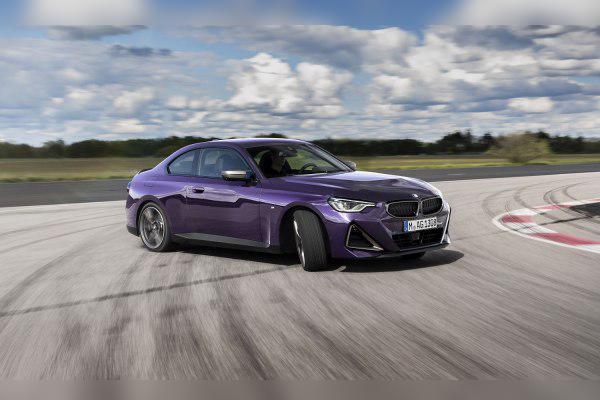
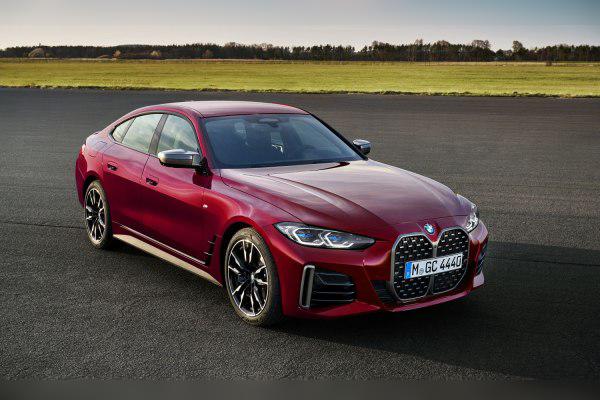
BMW B48B20A (245 HP): Experiences, problems, fuel consumption and used car buying guide
When someone mentions a 2.0-liter BMW petrol engine, many people still fearfully remember the old N20 engine and its timing chain issues. Fortunately, the B48B20A is a completely different beast. This is the engine that restored confidence in BMW’s four-cylinders. It is installed in the latest generations (G series), specifically in models such as the BMW 2 Series Coupe (G42) and the 4 Series Gran Coupe (G26). With 245 horsepower, it represents the “golden middle ground” – powerful enough to justify the badge on the hood, yet significantly more economical than the six‑cylinder monsters.
Key points in short (TL;DR)
- Reliability: Significantly better than its predecessor (N20). The chain is no longer a critical failure point, but the cooling system is.
- Performance: 400 Nm of torque is available at low revs, which makes it extremely lively in all conditions.
- Maintenance: Requires strict oil changes every 10–15,000 km. Factory intervals of 30,000 km are a recipe for disaster.
- Cooling system: The weakest point. Cracking of plastic hoses and thermostat/pump housings is a matter of time, not probability.
- Gearbox: Paired with the ZF 8-speed automatic which, with regular maintenance, is probably the best gearbox on the market.
- Recommendation: An excellent choice for those who want near‑sports performance without the maintenance costs of the 3.0 (B58) engine.
Contents
- Technical Specifications
- Reliability and Maintenance
- Specific Parts and Costs
- Fuel Consumption and Performance
- Additional Options and Modifications
- Gearbox
- Buying Used and Conclusion
Technical Specifications
| Specification | Data |
|---|---|
| Engine code | B48B20A |
| Displacement | 1998 cc (2.0 L) |
| Configuration | Inline 4-cylinder (I4) |
| Power | 180 kW (245 HP) |
| Torque | 400 Nm at 1550–4400 rpm |
| Injection type | Direct injection (High Precision Injection) |
| Forced induction | Twin-scroll turbo (TwinPower Turbo) + intercooler |
| Valvetrain | 16V, Valvetronic, Double-VANOS |
Reliability and Maintenance
Does this engine have a timing belt or a chain?
The B48B20A engine uses a timing chain. Unlike the infamous N20 engine where the chain was basically a “consumable”, the engineers did their homework here. The chain is robust and rarely causes problems before 200,000 km, provided that the oil is changed regularly. However, there is a catch: the chain is located at the rear of the engine (towards the firewall/gearbox). If it ever needs to be replaced (e.g. you hear rattling on cold start), the engine or gearbox has to come out, which makes labor very expensive (depends on the market, but expect a lot of labor hours).
What are the most common failures on this engine?
Although the engine’s mechanicals are solid, the peripherals are sensitive, especially the cooling system:
- Coolant loss: This is problem number 1. Plastic hoses become brittle from the heat. Pay special attention to the vent line that runs from the cylinder head to the expansion tank. It often cracks at the joint and coolant starts leaking.
- Oil filter housing and oil cooler: Plastic housings can crack or the seals can fail, which leads to oil and coolant mixing or oil leaking over the engine block.
- VANOS actuators: They can sometimes fail, causing rough running and a “Check Engine” light.
- PCV valve (crankcase ventilation): Integrated into the valve cover. When the membrane tears, you hear a characteristic whistling sound and oil consumption increases. Often the entire valve cover has to be replaced.
At what mileage is the “major service” done?
On chain‑driven engines there is no classic “major service” at a fixed mileage like with timing belts. The chain is designed to last the life of the engine, but in practice a detailed inspection (chain stretch) is recommended after 150,000–200,000 km. If you hear rattling, it should be replaced immediately. The auxiliary belt (for alternator, AC) and tensioners should be replaced at around 100,000 km or every 5–6 years.
How many liters of oil does this engine take and which grade is recommended?
The engine takes approximately 5.25 to 5.75 liters of oil (depending on whether it is xDrive or rear‑wheel drive, always check the level with the dipstick or sensor). The recommended grade is 0W-20 (BMW Longlife-17 FE+ specification) for better fuel economy and faster turbo lubrication, but many mechanics and enthusiasts switch to 5W-30 (BMW Longlife-04) for better protection at higher temperatures, especially if you tend to drive hard.
Does it consume oil between services?
In general, the B48 should not consume a significant amount of oil. Consumption of 0.5 liters per 10,000 km is considered acceptable. If you have to top up a liter every 2,000–3,000 km, that is a sign of a problem – most often with the PCV valve, valve stem seals or (less commonly) piston rings.
At what mileage should the spark plugs be replaced?
Since this is a turbocharged direct‑injection petrol engine, the spark plugs are under heavy stress. It is recommended to replace them every 40,000 to 60,000 km. Use only high‑quality iridium plugs (NGK or Bosch by catalog number). If the engine is tuned (remapped), the interval should be shortened to about 30,000 km.
Specific Parts (Costs)
Does this engine have a dual‑mass flywheel?
Since the B48B20A in G42 and G26 models is paired with an automatic gearbox, it does not have a classic dual‑mass flywheel like manuals that wear out and rattle. Instead, it uses a torque converter. There is, however, a torsional vibration damper on the engine’s flexplate, but it very rarely fails. This is a big saving compared to manual diesels.
What kind of injection system does it have and are the injectors problematic?
The engine uses high‑pressure direct injection. The injectors are piezoelectric and generally reliable. However, they are sensitive to poor fuel quality. Symptoms of failure include rough idle and black smoke when you press the throttle. The price of a single injector is high (depends on the market, but it is among the more expensive parts).
Does this engine have a turbocharger and what is its lifespan?
Yes, it uses a single twin‑scroll turbocharger (two exhaust gas channels feeding the turbine). The turbo is water‑cooled. Its lifespan is excellent and often exceeds 200,000 km with regular oil changes and proper cooldown after spirited driving. The electronic wastegate actuator can fail earlier, but it can often be replaced separately.
Does this model have a DPF filter or an EGR valve?
Diesels have a DPF, and modern petrol engines like this one have a GPF (Gasoline Particulate Filter) or OPF to meet strict Euro emission standards. The GPF rarely clogs because exhaust gas temperatures on petrol engines are much higher, so passive regeneration happens constantly. An EGR valve is present, but since petrol burns cleaner than diesel, soot‑related EGR issues are much less common.
Does this engine use AdBlue?
No. AdBlue is used exclusively on diesel engines for NOx treatment. This petrol engine has no AdBlue tank and no related costs.
Fuel Consumption and Performance
What is the real‑world fuel consumption in city driving?
Do not fully trust the factory figures. In real stop‑and‑go city driving, this engine in a heavy body (G42/G26 are heavy cars) consumes between 9 and 12 liters per 100 km. If you have a heavy right foot, the figure easily goes to 13+ liters.
Is this engine “lazy” for the weight of the car?
Absolutely not. With 400 Nm of torque available from just 1550 rpm, the car feels eager as soon as you touch the throttle. The twin‑scroll turbo eliminates most of the turbo lag. 0–100 km/h takes under 6 seconds (around 5.8–6.2 s depending on the model), which is very respectable and quicker than many “sports cars” from older generations.
How does the engine perform on the highway?
This is its natural habitat. Thanks to the 8‑speed gearbox, at 130 km/h the engine spins at a low 1800–2000 rpm. This results in a quiet cabin and fuel consumption of about 6.5 to 7.5 l/100 km on the open road. Overtaking is easy and usually does not require dropping several gears.
Additional Options and Modifications
Is this engine suitable for LPG conversion?
Technically it is possible, but economically questionable. Due to direct injection, an expensive system is required (usually liquid phase or a system that still injects a certain percentage of petrol to cool the injectors). The installation cost is very high (1000+ EUR, depending on the market), and the payback period is long. You also lose trunk space. It is not recommended unless you drive extremely high mileages.
How far can this engine be safely tuned (Stage 1)?
The B48 is a tuner’s favorite. A Stage 1 software remap (with no mechanical changes) usually raises power to 280–300 HP and torque to 450–470 Nm. The engine handles this very well. However, keep in mind: the plastic charge pipe (from the turbo to the intake) often cracks under increased boost, so it is recommended to replace it with an aluminum one before tuning.
Gearbox
Which gearboxes are fitted?
In 230i (G42) and 430i (G26) models with this engine, the standard gearbox is the ZF 8HP (Steptronic) 8‑speed automatic. Manual gearboxes in this generation and configuration are practically non‑existent or reserved for the weakest/M models in specific markets.
What are the most common automatic gearbox issues?
The ZF 8HP is considered the best conventional automatic gearbox. Failures are rare. When they do occur, they are usually oil leaks from the transmission pan (which is plastic and incorporates the filter) or mechatronic solenoid issues if the oil has never been changed. Symptoms include harsher shifts or hesitation when changing gears.
At what mileage should the gearbox be serviced and the oil changed?
BMW claims the gearbox oil is “lifetime”. Do not believe that. The gearbox manufacturer (ZF) recommends changing the oil and filter (pan) every 80,000 to 120,000 km or every 8 years. Regular oil changes are the key to the longevity of this unit. The service cost is in the “moderately expensive” range, but it is a necessary investment.
Buying Used and Conclusion
When buying a used BMW with the B48B20A engine, make sure to do the following:
- Cold start: Start the car when the engine is completely cold. Listen for any chain rattling in the first 3–5 seconds.
- Visual inspection: Open the hood and look for white traces (dried coolant) around hoses, the expansion tank and under the intake manifold. A sweet smell (coolant) in the cabin or around the engine is a bad sign.
- Diagnostics: Check injector corrections and whether there are any fault codes related to VANOS or fuel pressure.
- Test drive: The gearbox should shift imperceptibly. Any thump when engaging D or R is a red flag.
Conclusion: The BMW B48B20A (245 HP) is an excellent engine. It manages to combine a sporty character with reasonable fuel consumption and, most importantly, it has corrected the major timing chain reliability issues of its predecessor. If you can accept potential coolant leak costs (which are not catastrophically expensive if dealt with in time), this is probably the best 2.0 turbo petrol engine in its class. It is aimed at drivers who want a genuine BMW driving feel but are not willing to pay registration and fuel costs for 3.0‑liter engines.
Was this content useful to you?
Your opinion helps us to improve the quality of the content.