B47D20B Engine
- Engine
- 1995 cm3
- Aspiration
- Twin-power turbo, Intercooler
- Fuel
- Diesel
- Fuel injection system
- Diesel Commonrail
- Power
- 190 hp @ 4000 rpm
- Torque
- 400 Nm
- Cylinders
- 4
- Valves
- 16, 4 per cylinder
- Cylinders position
- Inline
- Valvetrain
- DOHC
- Oil capacity
- 5.5 l
- Coolant
- 9 l
- Systems
- Start & Stop System, Particulate filter
# Vehicles powered by this engine
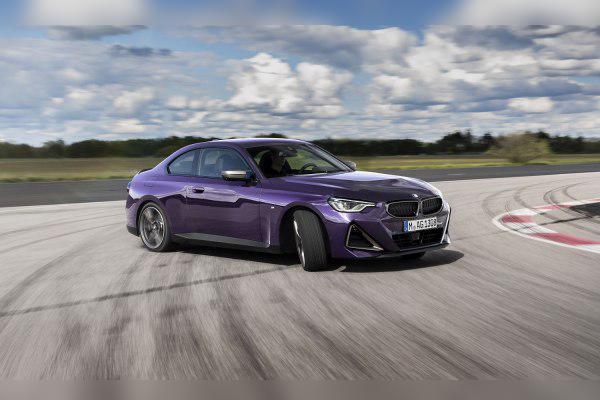
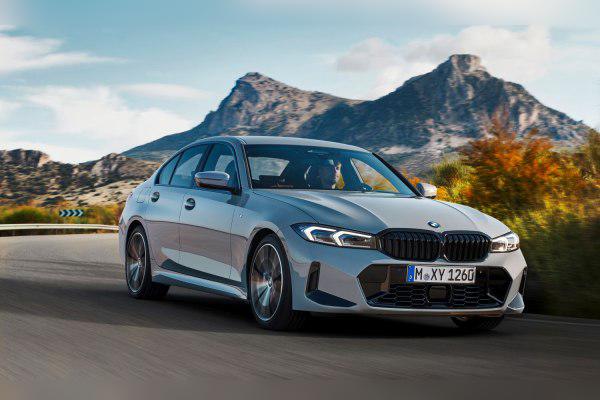
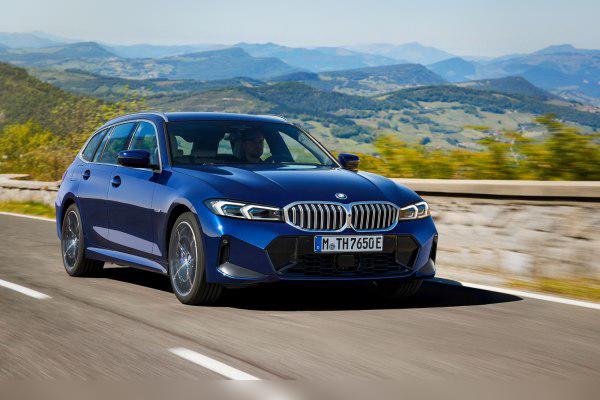
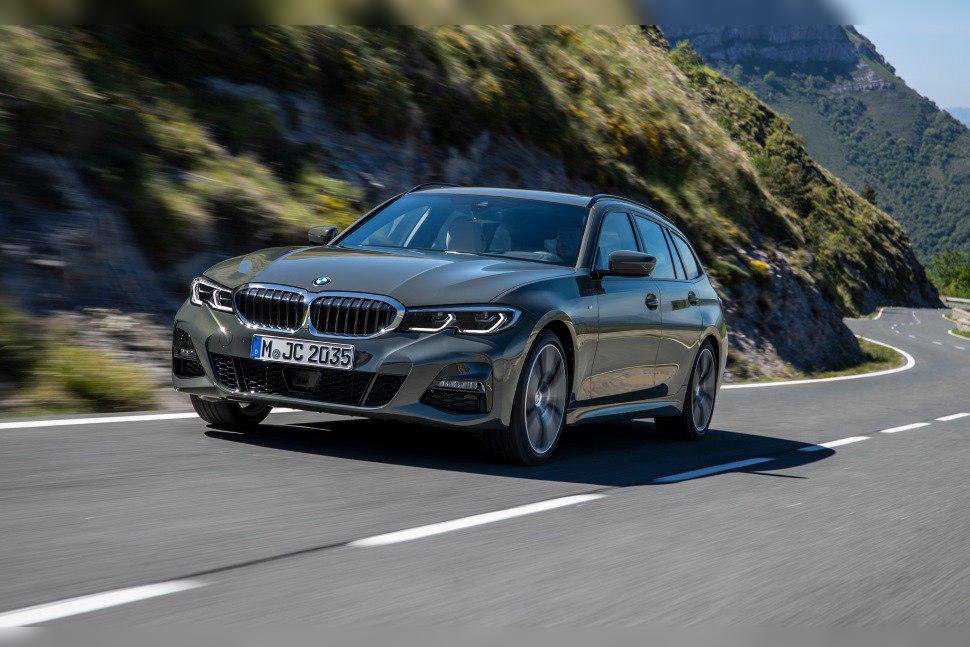
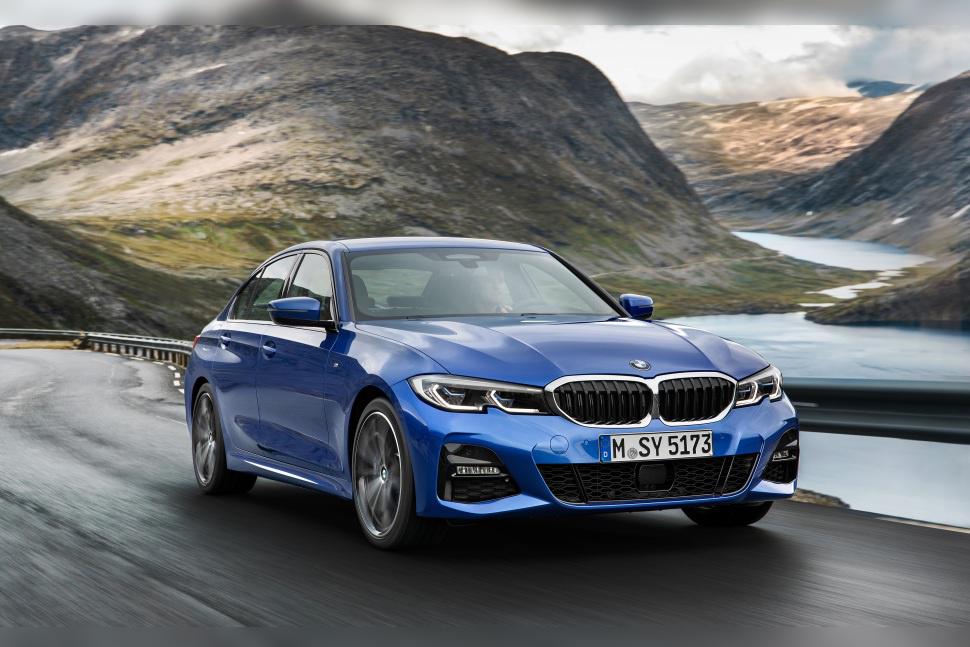
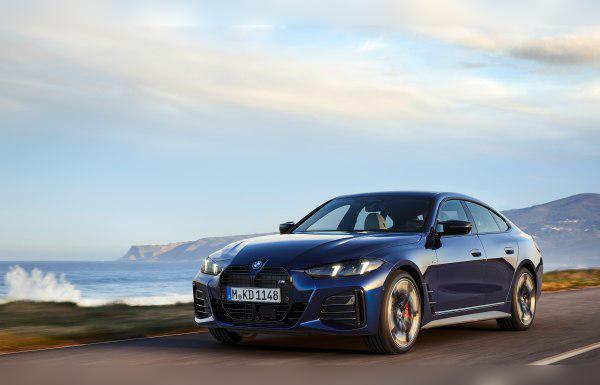
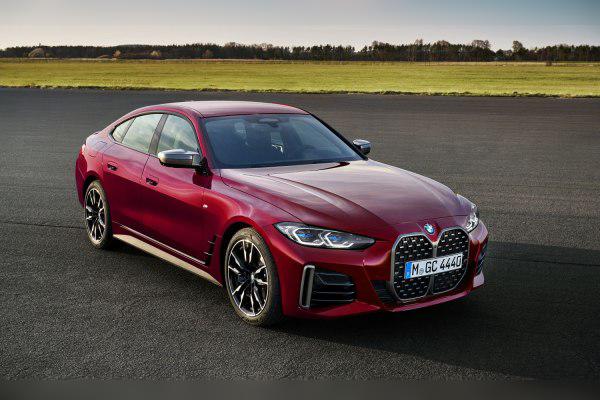
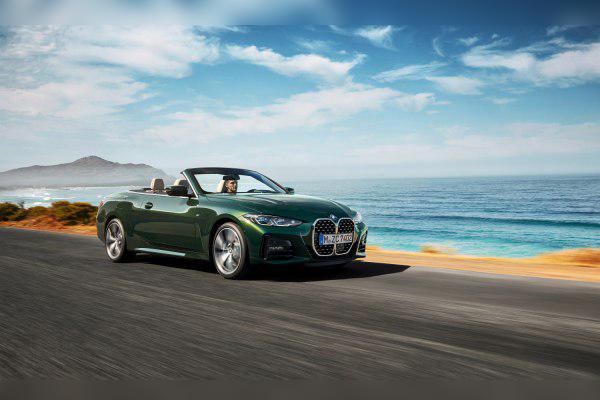
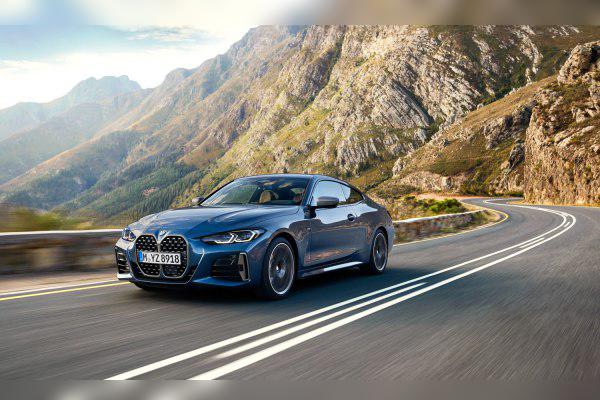
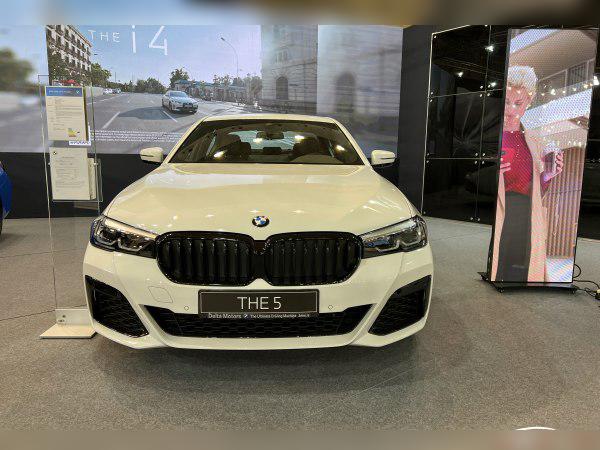

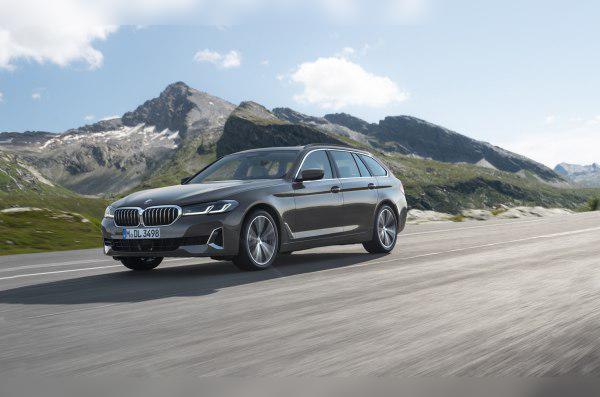
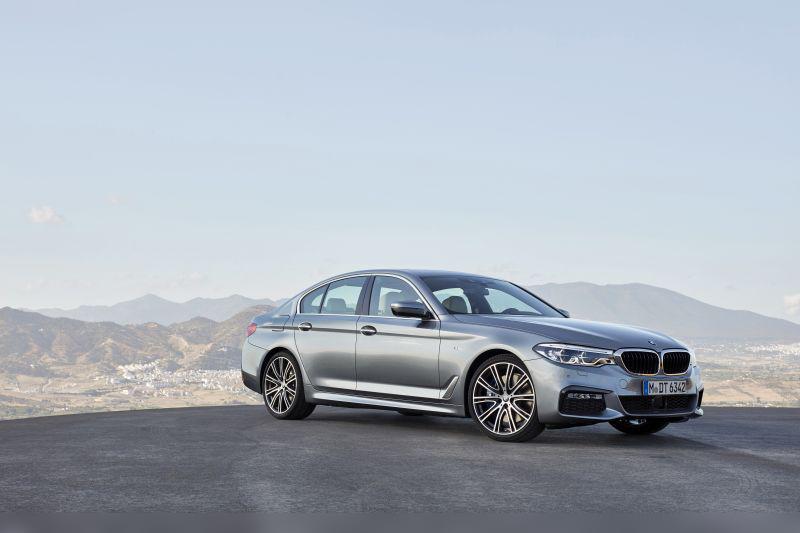
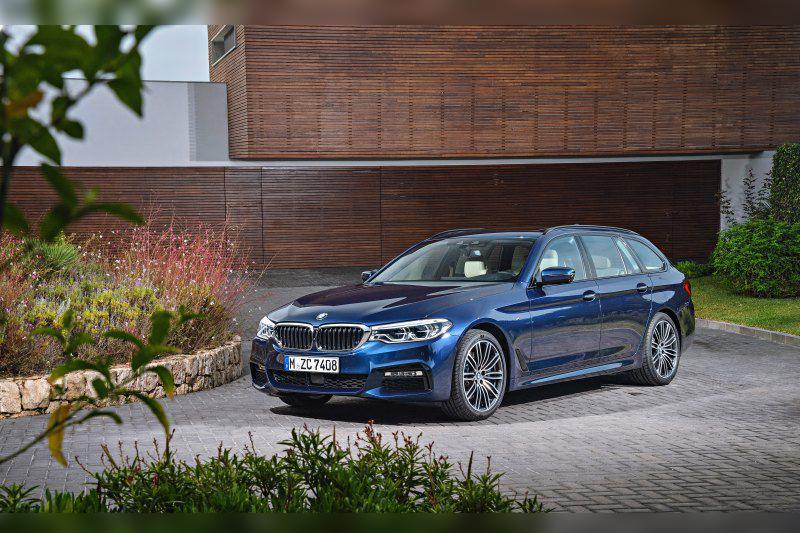
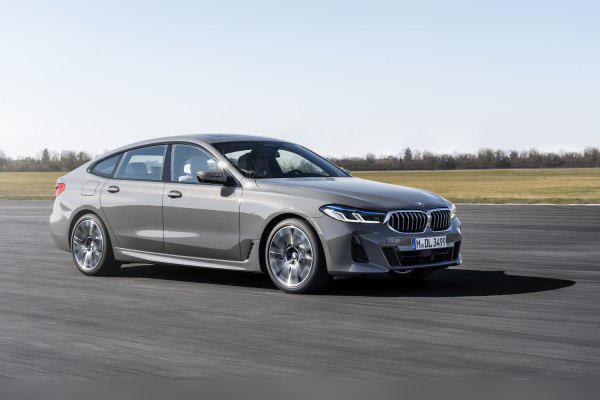
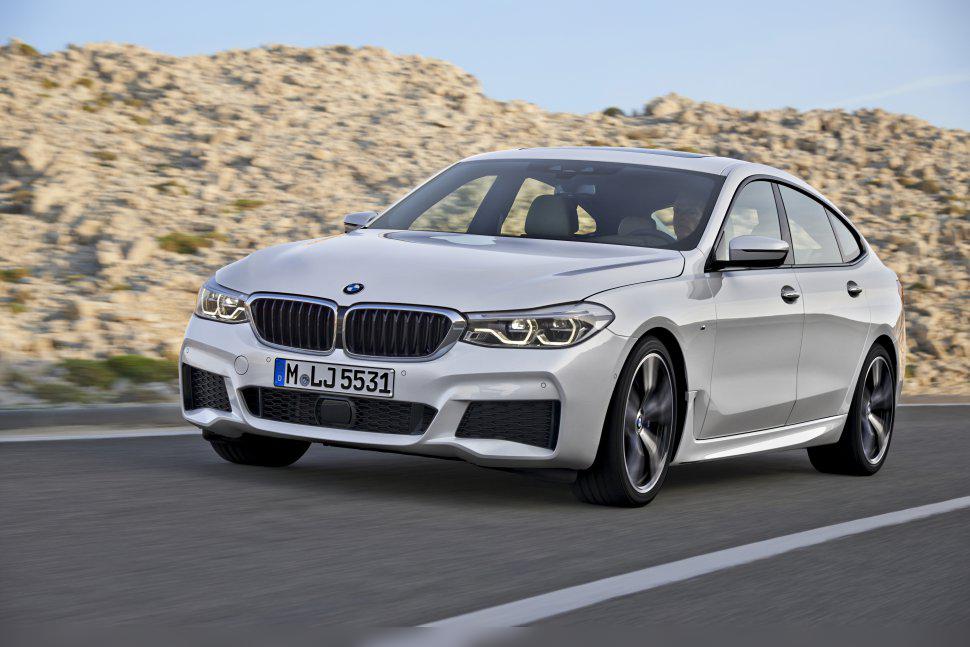
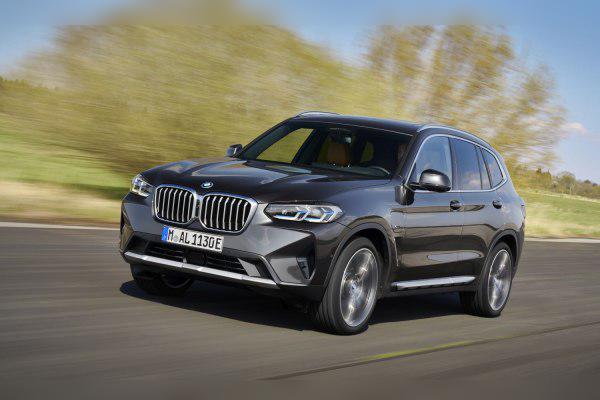


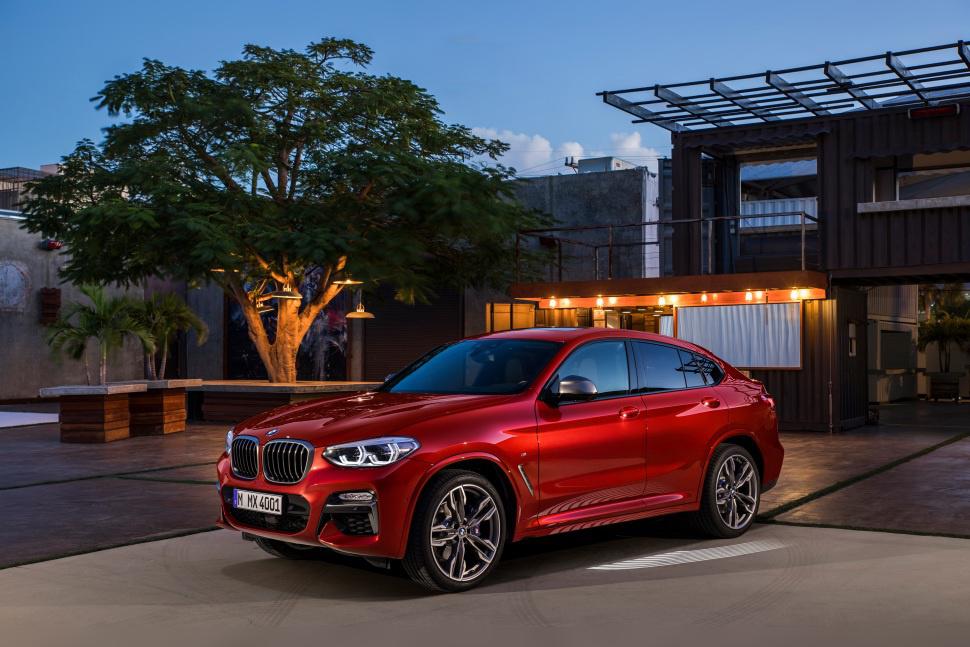
BMW B47D20B (2.0d 190 hp): Experiences, problems, fuel consumption and maintenance of the “Autobahn” king
If in the last five years you’ve looked at any modern mid- or high-class BMW – from the G20 3 Series to SUVs like the X3 – there’s a very good chance that under the hood sits the B47D20B. This is the engine that replaced the infamous N47 and had a tough job: to keep the performance, but restore the shaken trust in BMW diesel reliability.
As someone who has spent decades under the hood and behind the wheel of Bavarian machines, I can tell you the B47 is a huge step forward. Still, with modern emissions standards and complex systems (Mild Hybrid), new challenges have appeared. In this article we’ll dissect this powerplant down to the last bolt.
Key points in short (TL;DR)
- Timing chain reliability: Significantly better than its predecessor (N47), but the chain is still located at the rear of the engine.
- EGR cooler: The main Achilles’ heel. You must check whether the car has been in for the factory recall.
- Gearbox: Paired with the ZF 8-speed automatic, this is arguably the best drivetrain in its class.
- Fuel consumption: Extremely economical for the power it delivers, especially on the open road.
- Mild Hybrid (MHEV): Post-2020 models have a 48V system that smooths out the start-stop function, but makes potential repairs more expensive.
- Recommendation: An ideal engine for those who drive more than 20,000 km per year, mostly on highways and open roads.
Contents
- Technical specifications
- Reliability and maintenance
- Specific parts and costs
- Fuel consumption and performance
- Gearbox and drivetrain
- Additional options and modifications
- Buying used and conclusion
Technical specifications
| Engine displacement | 1995 cc (2.0 litres) |
| Power | 140 kW (190 hp) |
| Torque | 400 Nm at 1750–2500 rpm |
| Engine code | B47D20B |
| Configuration | Inline 4-cylinder |
| Injection type | Common Rail (direct injection) |
| Induction | TwinPower Turbo (variable geometry) |
| Emissions standard | Euro 6d / Euro 6d-TEMP (with AdBlue and Mild Hybrid options) |
Reliability and maintenance
When we talk about the B47 engine, the first question is always: “Does the chain snap?” This engine uses a timing chain (not a belt), which is located at the rear of the engine, next to the gearbox. The engineers significantly improved the guides and tensioners compared to the old N47. Although the chain is not “lifetime”, catastrophic failures are now rare. Still, expect the chain to “announce itself” (rattling) somewhere around 200,000 km. Because of its inaccessible position (the engine or gearbox has to be removed), replacement is labour-intensive and expensive (depends on the market).
Most common failures and symptoms
The biggest problem with this engine is not the internal block mechanics, but the peripherals. The EGR cooler is notorious. Cracks can appear inside the cooler, where glycol (antifreeze) leaks into the intake manifold. Symptoms are loss of coolant without visible leaks under the car and an exhaust smell in the cabin. In extreme cases, this can cause the intake manifold to catch fire. BMW issued massive recalls for this, so always check the vehicle’s history.
Another common issue is the swirl flaps in the intake manifold. Although more robust than before, soot build-up can jam them, leading to engine fault codes and loss of power. Also, on versions with the Mild Hybrid system (48V), the starter-generator is an expensive component and, if it fails, the car becomes immobile, as it is used both for starting and for providing “boost” while driving.
Service intervals and oil
BMW recommends a “flexible” service interval that often goes up to 30,000 km. As an editor and technical person, my advice is to ignore that. Do the minor service at a maximum of 15,000 km or once a year. The engine takes approximately 5.0 to 5.5 litres of oil (depending on the exact sump version and xDrive setup). The recommended grade is 5W-30 with BMW Longlife-04 specification.
As for oil consumption, a healthy B47D20B should not consume significant amounts. Consumption up to 0.5 litres per 10,000 km is acceptable. If it uses more, the problem is usually in the crankcase ventilation (PCV valve) or turbo oil seals, and more rarely in the piston rings.
Injectors: These are piezo-electric or solenoid injectors (depending on model year and Euro standard) operating at pressures above 2000 bar. They have proven to be very durable and often exceed 250,000 km without issues, provided you use quality fuel. The first symptoms of failure are rough running on cold start and increased smoke.
Specific parts (costs)
Owning a modern BMW is not cheap, and here’s what to expect with the B47 engine:
- Dual-mass flywheel: Yes, it has one. Even models with an automatic gearbox have a type of vibration damper, but a classic dual-mass flywheel is present on manual versions and those with a twin-plate clutch. On automatics, the torque converter absorbs most of the vibrations, so failures are less common.
- Turbocharger: The “TwinPower Turbo” label often confuses buyers. In the 190 hp (20d) version, this engine most commonly has a single turbocharger with variable geometry (VGT). The word “Twin” refers to the twin-scroll turbine housing technology (or BMW’s general marketing term for efficiency), not the number of turbos. The turbo is reliable, but the geometry actuator can get stuck due to soot. Refurbishment is possible, but a new turbo is expensive (depends on the market).
- DPF and AdBlue: All models on the list (G20, G30, G01...) have a DPF filter and almost certainly an AdBlue (SCR) system. The AdBlue system is sensitive. The heater in the AdBlue tank or the dosing pump/injector often fails. The symptom is a “Check Engine” light and a countdown of remaining kilometres until the engine can no longer be started. Maintenance includes regularly topping up quality AdBlue fluid.
Fuel consumption and performance
This is where the B47D20B shines. It is probably the best balance between performance and economy on the market.
City driving: Depending on the vehicle’s weight (e.g. 3 Series sedan vs. X3 xDrive), consumption ranges from 6.5 to 8.5 l/100 km. The Mild Hybrid system helps here by shutting the engine off during deceleration and enabling “sailing”.
Open road: This is the natural habitat of this engine. On the motorway at 130 km/h, the engine spins at a low 1700–1900 rpm (in 8th gear). Fuel consumption then drops to a ridiculous 5.0 to 6.0 l/100 km. With one tank in a 5 Series (G30), you can easily cover 1000 km.
Is the engine “lazy”? With 400 Nm available from just 1750 rpm, the engine is anything but lazy in 3 and 4 Series bodies. In heavier models such as the X3, X4 or a 5 Series Touring loaded with luggage, you only feel it running out of breath at very high speeds (over 160 km/h) or during aggressive uphill overtakes. For 95% of drivers, 190 hp is the sweet spot.
Additional options and modifications
Chip tuning (Stage 1): The B47 responds very well to software remapping. It can safely be taken to around 220–230 hp and 450–460 Nm. However, be careful: the increased torque puts additional stress on the DPF (more soot) and on the xDrive drivetrain components. If the car is under warranty or has a Mild Hybrid system, tuning is more complicated and can void the warranty.
Gearbox
In the G-series models you mentioned, the B47D20B is almost exclusively paired with the ZF 8HP automatic gearbox (Steptronic). Manual gearboxes are extremely rare in these newer generations and are mostly reserved for entry-level models in certain markets.
ZF 8HP (automatic): This is probably the best automatic gearbox today. Fast, seamless and reliable.
Maintenance: BMW claims the gearbox oil is “lifetime”. The gearbox manufacturer (ZF) disagrees: Change the oil every 80,000 to 120,000 km. If you don’t, expect jerks when shifting or delayed response at higher mileages.
xDrive all-wheel drive: Many of the models on the list have xDrive. It requires identical tyre sizes on all wheels (and the same tyre brand/model) to avoid damaging the transfer case. The transfer case is a sensitive component and very expensive to replace.
Buying used and conclusion
Before buying a used car with the B47D20B engine, pay attention to the following:
- Chain noise: Listen to a cold start. Any rattling or rhythmic scraping from the rear of the engine is a red flag.
- EGR status: Check via the VIN at an authorised dealer whether the EGR cooler recall has been carried out. This is critical for safety.
- Coolant leaks: Look for white traces of dried coolant around the intake manifold.
- Diagnostics: Checking DPF saturation and injector correction values is a must.
Conclusion: The 190 hp B47D20B engine is a fantastic engineering achievement. It manages to reconcile strict emissions regulations with driving pleasure. It is aimed at drivers who value a premium feel, cabin quietness and low fuel consumption on long journeys. Although maintenance is not cheap (especially when the time comes for AdBlue components or the timing chain), with proper servicing this engine will serve you for hundreds of thousands of kilometres.
Was this content useful to you?
Your opinion helps us to improve the quality of the content.