B48B20A Engine
- Engine
- 1998 cm3
- Aspiration
- Twin-power turbo, Intercooler
- Fuel
- Petrol (Gasoline)
- Fuel injection system
- Direct injection
- Power
- 156 hp
- Torque
- 250 Nm
- Cylinders
- 4
- Valves
- 16, 4 per cylinder
- Cylinders position
- Inline
- Valvetrain
- VALVETRONIC
- Oil capacity
- 5.25 l
- Coolant
- 9.8 l
- Systems
- Start & Stop System, Particulate filter
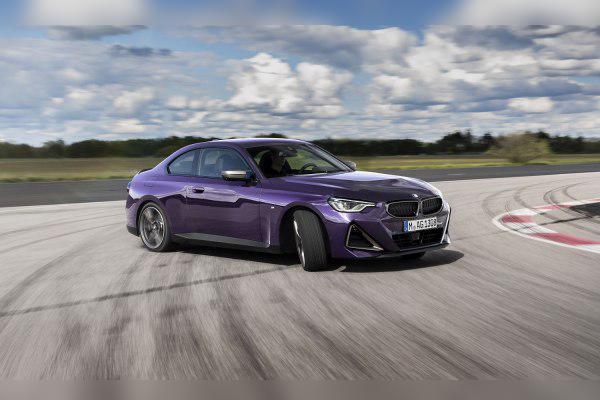
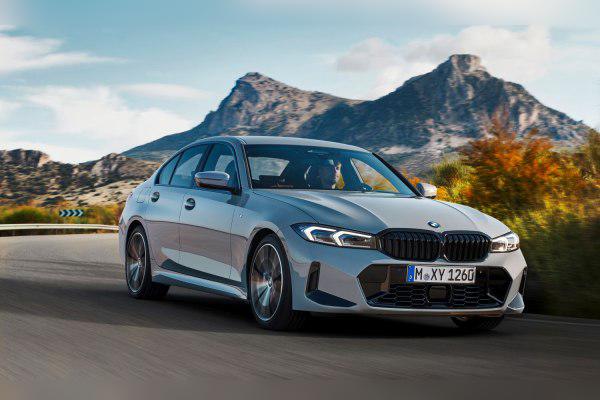
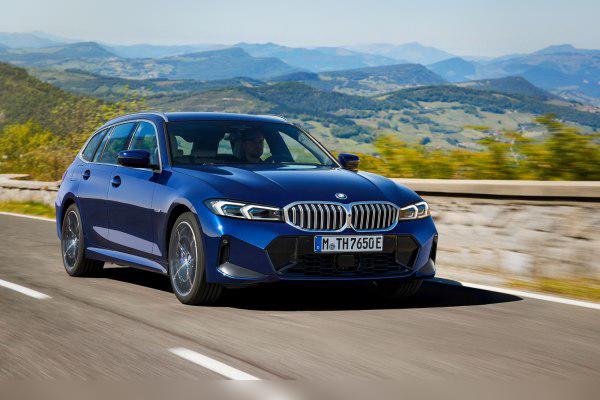
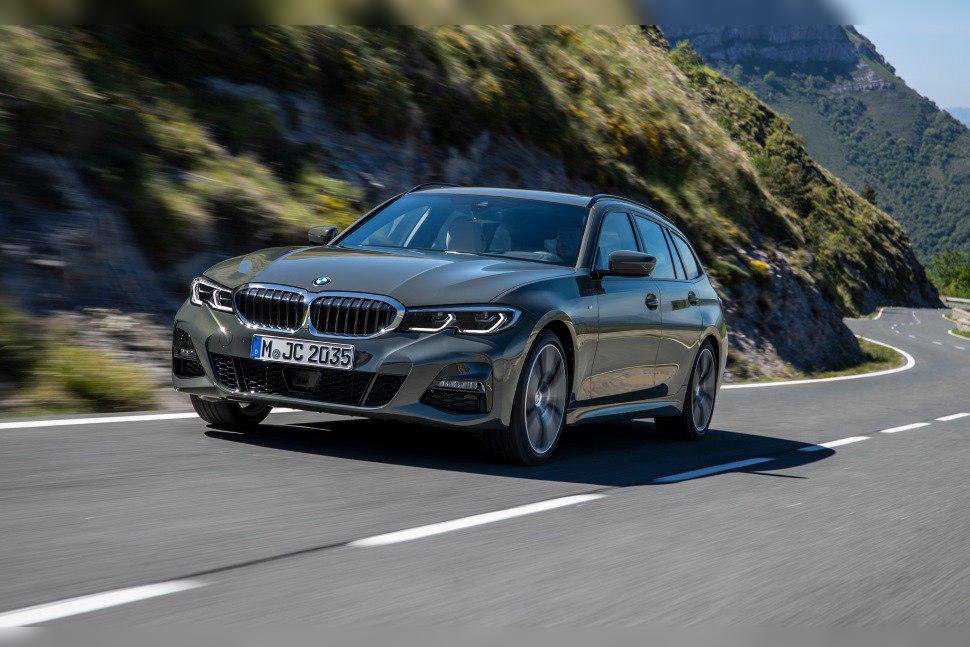
# Vehicles powered by this engine
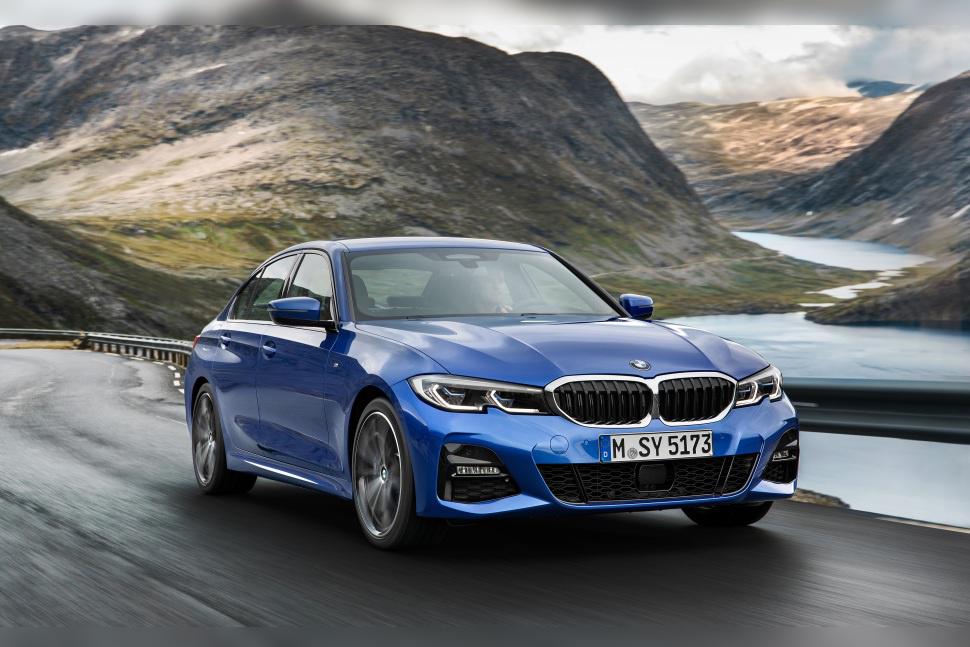
BMW B48B20A (2.0 Turbo) – experiences, issues, fuel consumption and used car buying guide
Key points (TL;DR)
- More reliable than its predecessor: The B48 series has solved many of the notorious N20 engine issues (especially timing chain related), but it is not immune to failures.
- Cooling system is a weak point: Plastic components in the cooling system and coolant leaks are the most common problems.
- Chain is at the back: The timing system is located at the rear of the engine (towards the cabin), which makes any potential replacement very expensive (requires engine removal).
- Performance: With 156 hp in the heavy 3 Series (G20) body, this is an engine for relaxed driving, not racing, but the automatic transmission gets the most out of it.
- Direct injection: Great for fuel economy, bad for LPG conversions and potentially more expensive fuel system maintenance.
- Tuning potential: Since this is a “detuned” version of the 2.0 engine, a simple software remap can easily unlock the power of stronger models.
Contents
- Introduction and applications
- Technical specifications
- Reliability and maintenance
- Specific parts and costs
- Fuel consumption and performance
- Additional options and modifications
- Transmission and drivetrain
- Buying used and conclusion
Introduction and applications
The BMW B48B20A is a modern four‑cylinder petrol engine that represents the entry point into the Bavarian manufacturer’s 2.0‑liter lineup. Although it carries the 318i or 218i badge (which used to suggest a smaller displacement or even three‑cylinder engines in other models), in the G20, G21 and G42 chassis it is in fact a proper 2.0‑liter engine.
This powerplant is part of BMW’s modular engine family and is the direct successor to the N20 series. Its importance lies in the balance it offers between prestige (you are still driving a 2.0 engine) and efficiency, which makes it a common choice for fleet buyers and for drivers who want a premium sedan without sporty ambitions.
Technical specifications
| Specification | Data |
|---|---|
| Engine code | B48B20A |
| Displacement | 1998 cc (2.0 L) |
| Configuration | Inline 4‑cylinder (R4) |
| Power | 115 kW (156 hp) at 4500–6500 rpm |
| Torque | 250 Nm at 1300–4300 rpm |
| Injection type | Direct injection (High Precision Injection) |
| Charging | Twin‑Power Turbo (twin‑scroll) + intercooler |
| Emission standard | Euro 6d (varies depending on model year) |
Reliability and maintenance
Does this engine have a timing belt or a chain?
The B48B20A engine uses a timing chain. What is specific (and potentially problematic) is its position – the chain is located on the rear side of the engine, towards the gearbox and cabin. This means that although the chain on B48 engines is much more durable than on the old N20 engines and rarely fails before 200,000 km, when the time for replacement comes, labor costs are huge because the engine or gearbox has to be removed. A typical symptom is a characteristic rattling noise from the chain during a cold start.
What are the most common failures on this engine?
Although mechanically robust, the ancillaries can cause issues:
- Coolant loss: This is problem number one. The oil filter housing and oil cooler (heat exchanger) are made of plastic which becomes brittle over time due to heat cycles, leading to cracking and leaks.
- Bleeder hose (between the head and expansion tank): It often cracks, causing an immediate loss of coolant.
- VANOS solenoids: They can get dirty or fail, causing rough running and dashboard error messages.
- PCV valve (oil separator): It is integrated into the valve cover. When the membrane tears, the engine starts consuming oil, emits smoke from the exhaust or produces a whistling noise. The usual fix is replacing the entire valve cover.
At what mileage should the “major service” be done?
Since the engine has a chain, there is no classic “major service” at a fixed interval as with a belt. The chain is replaced as needed, usually when it becomes noisy. However, a preventive inspection of the chain and tensioner is recommended at around 150,000–200,000 km. The auxiliary (serpentine) belt and its tensioners should be replaced at around 100,000–120,000 km.
How many liters of oil does this engine take and which grade is recommended?
The engine takes approximately 5.25 liters of engine oil (the exact amount may vary by +/- 0.2 L depending on whether it is xDrive or rear‑wheel drive, but for the 318i it is generally 5.25 L). The recommended grades are 0W‑20 (for newer model years and lower consumption) or 5W‑30 with BMW Longlife‑17 FE+ or BMW Longlife‑04 specification. Tip: Use a higher‑quality 5W‑30 oil if you live in warmer climates.
Does it consume oil between services?
A healthy B48 engine should not consume a significant amount of oil. Consumption of up to 0.5 L per 10,000 km is acceptable. If it uses more (e.g. 1 L per 2000 km), this indicates a problem, most commonly with the PCV valve or (less often) valve stem seals/piston rings. It is not notorious as an “oil burner” like some older BMW petrol engines.
At what mileage should the spark plugs be replaced?
Since this is a direct‑injection turbocharged engine, the spark plugs are under heavy stress. It is recommended to replace them every 40,000 to 60,000 km. Do not wait for the engine to start misfiring, as worn plugs can damage the ignition coils, which are expensive.
Specific parts (costs)
Does this engine have a dual‑mass flywheel?
Models with the automatic transmission (Steptronic – ZF 8HP), which make up 99% of the market for these models, do not have a classic dual‑mass flywheel like manual gearboxes. They use a hydrodynamic torque converter. It is very durable. If you happen to find a manual gearbox, it will have a dual‑mass flywheel and replacement is expensive (cost depends on the market).
What kind of injection system does it have and are the injectors problematic?
It uses an advanced high‑pressure direct injection system. The piezo injectors are precise but sensitive to poor fuel quality. In general they are reliable, but if they fail, replacement is very expensive (a single injector can cost several hundred euros). Symptoms of a bad injector include fuel leaking into the cylinder, which washes oil off the cylinder walls and can lead to catastrophic engine failure.
Does this engine have a turbocharger and what is its lifespan?
Yes, it uses a single Twin‑Power Turbo (twin‑scroll technology). Its lifespan is long and they often exceed 200,000 km with regular oil changes. The biggest enemies are shutting the engine off immediately after hard driving and old oil. The intercooler is a water‑to‑air type and is integrated into the intake manifold – if it leaks, coolant goes directly into the engine, which is dangerous.
Does this model have a DPF filter or EGR valve?
This petrol engine does not have a DPF (which is for diesels), but models for the European market (G20/G21) do have a GPF (Gasoline Particulate Filter) that serves the same purpose. It can clog if the car is driven exclusively in the city on short trips, but it regenerates more easily than on diesels. It also has an EGR valve, but it gets less dirty than on diesel engines.
Does this engine use AdBlue?
No. AdBlue is used exclusively for diesel engines. This is a petrol engine and does not require any exhaust gas additives.
Fuel consumption and performance
What is the real‑world fuel consumption in city driving?
Do not trust the official factory figures. In the heavy 3 Series (G20) body, real‑world city consumption is between 9 and 11 liters per 100 km. In heavy traffic it can go up to 12 L. However, the start‑stop system and “Eco Pro” mode can slightly reduce these numbers.
Is this engine “lazy” for the weight of the car?
With 156 hp and over 1500 kg of weight, this is not a sports car. However, it is not sluggish either. The key is the 250 Nm of torque available from as low as 1300 rpm. In city driving it feels lively. On the open road, overtakes at speeds above 100 km/h require a bit of planning and a kick‑down. For the average driver it is more than adequate, while enthusiasts will prefer at least a 320i or 330i.
How does the engine behave on the motorway and at what rpm does it cruise at 130 km/h?
Thanks to the excellent 8‑speed gearbox, at 130 km/h the engine spins at a very low ~2000–2200 rpm (in 8th gear). This makes it quiet and economical for cruising. Motorway consumption is around 6.0–7.0 liters per 100 km.
Additional options and modifications
Is this engine suitable for LPG conversion?
Due to direct fuel injection, LPG installation is complex and expensive. It requires a system that uses liquid‑phase LPG or a setup that runs a mixture of petrol and LPG (to cool the petrol injectors). Cost‑effectiveness is questionable unless you cover very high mileages. General recommendation: Avoid LPG on B48 engines.
How far can this engine be safely tuned (Stage 1)?
This is where the B48B20A shines. Since it is hardware‑wise very similar (often identical, but software‑limited) to the more powerful 320i (184 hp), this engine has huge potential. A Stage 1 remap safely raises it to around 190–200 hp and increases torque to over 300 Nm. This completely transforms the car. However, always check with your tuner the specific compression ratio and condition of your engine before modifying.
Transmission
Which gearboxes are fitted?
Almost exclusively the ZF 8HP (8‑speed automatic Steptronic). Manual gearboxes paired with this engine in newer model years (G20/G21) are extremely rare.
What are the most common gearbox issues?
The ZF 8HP is probably the best automatic gearbox on the market. Failures are rare. When they do occur, they are usually the result of lack of maintenance (harsh shifts, slipping). Oil leaks from the gearbox pan (which is plastic) can appear at higher mileages.
At what mileage should the gearbox be serviced?
BMW claims the gearbox oil is “lifetime”. This is not true if you want the gearbox to last. The gearbox manufacturer (ZF) recommends changing the oil and pan (which contains the filter) every 80,000 to 120,000 km. This is crucial for longevity.
Buying used and conclusion
Before buying a used BMW with the B48 engine, pay attention to the following:
- Cold start: The engine must be completely cold. Listen for any chain rattling in the first 3–5 seconds.
- Signs of coolant leaks: Check around the expansion tank and under the intake manifold for white traces of dried coolant.
- Exhaust smoke: Blue smoke when you press the throttle or after idling points to a faulty PCV system or turbocharger.
- Service history: Check whether the oil was changed every 15,000 km rather than every 30,000 km as the onboard computer allows.
Conclusion: The BMW 318i/218i with the B48B20A engine is an excellent choice for a rational buyer. You get the refinement of a 2.0 engine, the potential to “unlock” more power through a remap, and reliability that is significantly better than previous generations. Although it is not a sports car in stock form, for everyday driving, long trips and city use it is probably the most balanced option in the lineup, provided you accept premium maintenance costs.
Was this content useful to you?
Your opinion helps us to improve the quality of the content.