B38A15P Engine
- Engine
- 1499 cm3
- Aspiration
- Twin-power turbo, Intercooler
- Fuel
- Petrol / electricity
- Fuel injection system
- Direct injection
- Power
- 150 hp
- Torque
- 230 Nm
- Cylinders
- 3
- Valves
- 12, 4 per cylinder
- Cylinders position
- Inline
- Valvetrain
- DOHC
- Oil capacity
- 4.5 l
- Systems
- Start & Stop System, Particulate filter
# Vehicles powered by this engine
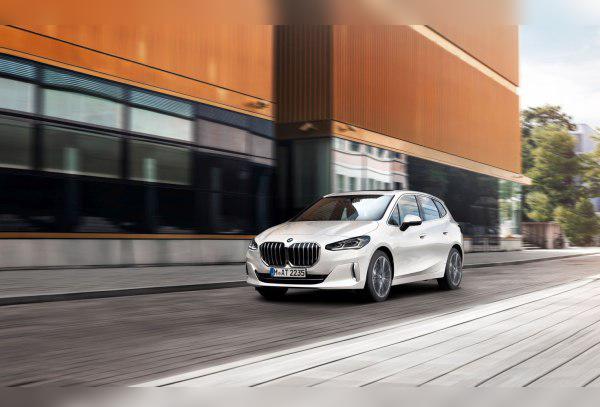
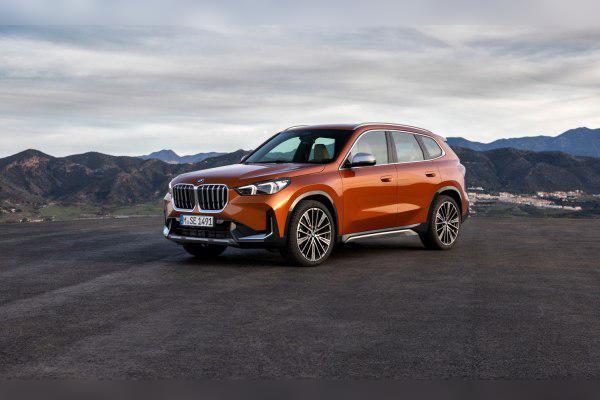
BMW B38A15P 1.5 TwinPower Turbo (PHEV) – Experiences, issues, fuel consumption and maintenance
Key points in short (TL;DR)
- System performance: Although the petrol engine is a 1.5 three‑cylinder, in combination with the electric motor it delivers a serious 326 hp (in the listed models).
- Cold starts: As a plug‑in hybrid, this engine is under heavy stress because it often starts “cold” under sudden throttle input – regular oil changes are critical.
- Sound and vibrations: This is a 3‑cylinder engine. Although well insulated, the specific sound and mild vibrations are present, especially at idle when the battery is empty.
- Fuel consumption: Varies drastically. If you charge it – driving is almost free. If you drive with an empty battery on the highway, it consumes fuel like a conventional 2.0 petrol.
- Complexity: Maintenance is more expensive than on a regular petrol engine due to the two types of drive, the high‑voltage battery and a complex cooling system.
- Recommendation: An excellent choice for those who can charge the car at home/at work. Not ideal for drivers who mostly cover long highway distances.
Contents
- Introduction and applications
- Technical specifications
- Reliability and maintenance
- Specific parts and costs
- Fuel consumption and performance
- Additional options (LPG and tuning)
- Transmission and drivetrain
- Buying tips and conclusion
Introduction and applications: A small giant in hybrid clothing
The B38A15P engine represents the peak of BMW’s engineering efficiency in the era of downsizing. It is a 1.5‑liter three‑cylinder turbo petrol engine that serves as the heart of modern plug‑in hybrid (PHEV) systems in models such as the BMW 2 Series Active Tourer (U06) and the new BMW X1 (U11).
The “P” at the end of the engine code often suggests adaptation for hybrid applications (Performance/PHEV specifications). Although the engine itself produces 150 hp, it is part of a system that delivers a sporty 326 hp. This is not an engine for purists who want six‑cylinders, but for pragmatic drivers who want sports‑car performance with the tax and fuel consumption of a city runabout – provided they charge it regularly.
Technical specifications
| Parameter | Data |
|---|---|
| Engine code | B38A15P |
| Displacement | 1499 cc (1.5 L) |
| Configuration | Inline, 3 cylinders |
| Power (petrol engine only) | 110 kW (150 hp) |
| Torque (petrol engine only) | 230 Nm |
| Charging system | TwinPower Turbo (twin‑scroll turbo) |
| Injection | Direct injection (High Precision Injection) |
| Camshaft drive | Chain |
Reliability and maintenance
Timing system: Chain or belt?
The B38A15P engine uses a timing chain. BMW has learned its lessons from the past (the notorious N47), so the chain on the B‑series engines is significantly more reliable. It is located at the rear of the engine (towards the gearbox/firewall) on longitudinally mounted engines, but in the U06 and U11 models (which are based on a front‑wheel‑drive platform), the engine is mounted transversely. The chain is generally durable and is not intended to be replaced at a fixed interval, but it is recommended to check for noise (“rattling” at cold start) after 150,000 km.
Most common failures and symptoms
Since this is a hybrid, the engine has a specific operating life:
- Engine mounts: Due to the nature of a 3‑cylinder (inherent imbalance) and frequent starting/stopping (hybrid start‑stop system), the mounts are under huge stress. Symptom: Strong vibrations in the cabin, a thump when the petrol engine starts.
- Coolant leaks: The oil filter housing and thermostat housing are made of plastic that becomes brittle over time due to thermal cycles. Symptom: Puddles under the car, dropping coolant level, smell of “sweet” vapors.
- VANOS solenoids: The variable valve timing system is sensitive to oil quality. Symptom: Rough running, loss of power, check engine light.
- Valve coking: Due to direct injection, fuel does not wash the intake valves, so carbon builds up on them. This is more pronounced on hybrids that often run with a cold engine.
Major and minor service
Minor service: BMW recommends intervals of 30,000 km or 2 years, but for this engine that is too risky. Because of frequent cold starts (when it kicks in during overtaking), the oil degrades faster and gets diluted with fuel. Recommendation: Change the oil every 10,000 – 15,000 km or once a year.
Major service: There is no classic “major service” with a timing belt replacement. Instead, the auxiliary (serpentine) belt that drives the peripherals (alternator, A/C compressor) is replaced at around 100,000 – 120,000 km, together with the tensioners.
Oil: Quantity and grade
The engine takes approximately 4.25 liters of oil. 0W‑20 (BMW Longlife‑17 FE+) is recommended for lower consumption and faster lubrication at cold start, or 5W‑30 (BMW Longlife‑04) for warmer climates and higher protection.
Oil consumption
B38 engines are fairly “tight” and should not consume significant amounts of oil. Up to 0.5 L per 10,000 km is considered normal. If it consumes more than 1 liter between services, this points to an issue with valve stem seals, the turbocharger or piston rings (the latter is rarer at low mileage).
Spark plugs
On plug‑in hybrids, the spark plug replacement interval is specific. Although the engine runs less than on a regular petrol car, the number of start cycles is huge. The recommendation is to replace the spark plugs every 40,000 to 60,000 km. Use only high‑quality iridium spark plugs (NGK or Bosch recommended for BMW).
Specific parts (Costs)
Dual‑mass flywheel
Yes, in combination with the automatic transmission this engine uses a dual‑mass flywheel (or a torsional vibration damper integrated into the hybrid module/gearbox). It is necessary to neutralize the vibrations of the three‑cylinder engine. Replacement is expensive (depending on the market, expect a four‑figure euro amount for the whole job if it fails).
Injection system
It uses high‑pressure injectors (direct injection) mounted directly in the combustion chamber. They are sensitive to poor fuel quality. Failure of a single injector can cause a cylinder to be “washed” with petrol and damage the engine. The injectors are expensive (they fall into the category of pricier parts).
Turbocharger
The engine has a single turbocharger (the TwinPower label refers to twin‑scroll technology, not two turbos). The turbo is water‑cooled, which extends its service life. With regular oil changes, the turbo can last over 200,000 km without issues. Failure symptoms are whistling noises and blue smoke.
GPF/OPF filter (petrol DPF) and EGR
This engine (Euro 6d standard) is equipped with an OPF (Otto Particulate Filter), which is the petrol equivalent of a DPF. In hybrids it can clog if the car is driven only on electricity for weeks and then the engine runs only briefly. It is necessary to occasionally take the car on the highway and drive in “Sport” mode so the filter can regenerate with exhaust heat. An EGR valve is present and can get dirty, but it is less of a problem than on diesels.
AdBlue: No, this is a petrol engine and does not have an AdBlue system.
Fuel consumption and performance
City driving
This is where the “catch” is. If the battery is full, petrol consumption is 0 l/100 km. If the battery is empty, the engine has to pull a heavy body (the batteries add weight) and recharge it. In that case, real‑world city consumption is around 7.5 – 9.5 l/100 km.
Is the engine “lazy”?
Absolutely not. With 150 hp from the petrol engine and additional power from the electric motor, the system output of 326 hp and torque make these cars (X1, 2 Series AT) very lively. Acceleration is linear and instant thanks to the electric drive. Even when the battery is “empty”, there is always a reserve (buffer) for sudden acceleration, so the car is never sluggish.
Highway
On the highway, the electric motor helps less. At 130 km/h the engine runs at pleasantly low revs (thanks to the 7‑speed gearbox), usually around 2,200 – 2,500 rpm. Fuel consumption is then about 6.5 – 8.0 l/100 km, depending on load and aerodynamics (the X1 consumes more than the Active Tourer).
Additional options and modifications
LPG conversion
Not recommended. The engine has direct injection, which requires an expensive “liquid phase” system or a system that uses both petrol and LPG at the same time. Given that this is already a hybrid with complex electronics and a small boot (because of the batteries), LPG installation is technically pointless, not cost‑effective and likely impossible due to lack of space for the tank.
Chiptuning (Stage 1)
The B38 engine can be remapped. The petrol unit can be taken from 150 hp to about 170–180 hp and gain an additional 30–40 Nm. However, on PHEV models this is high‑risk. The gearbox and hybrid system are calibrated to work in synergy. Increasing power only on the petrol engine can confuse the hybrid control unit or overload the drivetrain. Also, the warranty is voided instantly. Advice: 326 system horsepower is more than enough – leave the factory map alone.
Transmission
Type of transmission
In the U06 (2 Series AT) and U11 (X1) 230e/30e models, this engine is paired exclusively with a 7‑speed Steptronic dual‑clutch automatic transmission (DCT/DKG). A manual gearbox is not an option on these hybrids.
Transmission reliability and failures
This gearbox (manufacturer Getrag/Magna) is fast and efficient.
- Mechatronics: The brain of the gearbox can fail, leading to harsh shifts or inability to engage gears. This is an expensive repair.
- Clutches: As this is a dual‑clutch gearbox, the clutch packs wear out. In stop‑and‑go city driving, wear is faster. The cost of replacing the clutch set is very high (varies by market).
Transmission service
BMW often states that the transmission oil is “lifetime”. Any experienced mechanic will tell you that this is not true. Oil in a DCT gearbox should be changed every 60,000 to 80,000 km. Old oil causes overheating and mechatronics failure.
Used car purchase and conclusion
Before buying a used BMW with the B38A15P hybrid drivetrain, make sure to check:
- High‑voltage battery condition (SOH – State of Health): This is done at an authorized service center. Battery replacement costs several thousand euros.
- Chain noise: Listen to the engine at cold start (with the hood open). There must be no metallic rattling.
- Engine mounts: Check whether the engine “jumps” excessively when it starts/stops.
- Service history: Was the oil changed on time? Imported hybrids (ex‑lease) often have 30,000 km intervals, which is not ideal.
Conclusion:
The B38A15P engine in these models is a technological marvel that offers sports‑car performance with scooter‑like fuel consumption – but only if you have where to charge it. It is intended for drivers who live in a house or have a charger at work and do most of their driving locally, with occasional longer trips. It is not for those who want simple and cheap “park‑in‑front‑of‑the‑building” maintenance. Maintenance is complex and requires specialized workshops, but in return it offers a top‑tier driving experience.
Was this content useful to you?
Your opinion helps us to improve the quality of the content.