Z14XEP Engine
- Engine
- 1364 cm3
- Aspiration
- Naturally aspirated engine
- Fuel
- Petrol (Gasoline)
- Fuel injection system
- Multi-port manifold injection
- Power
- 90 hp @ 5600 rpm
- Torque
- 125 Nm @ 4000 rpm
- Power LPG
- 87 hp @ 6000 rpm
- Torque LPG
- 119 Nm @ 4000 rpm
- Cylinders
- 4
- Valves
- 16, 4 per cylinder
- Cylinders position
- Inline
- Max engine speed
- 6200 rpm
- Valvetrain
- DOHC
- Oil capacity
- 3.5 l
- Coolant
- 5 l
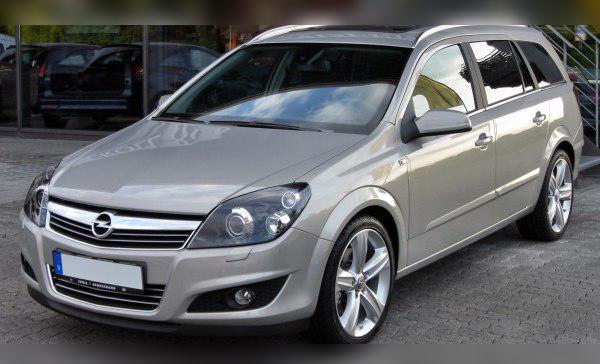
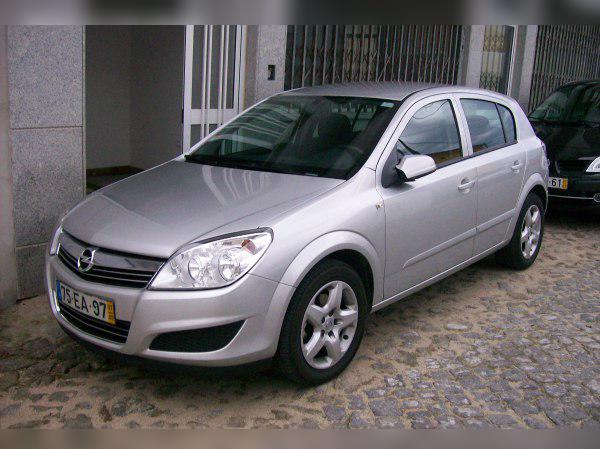
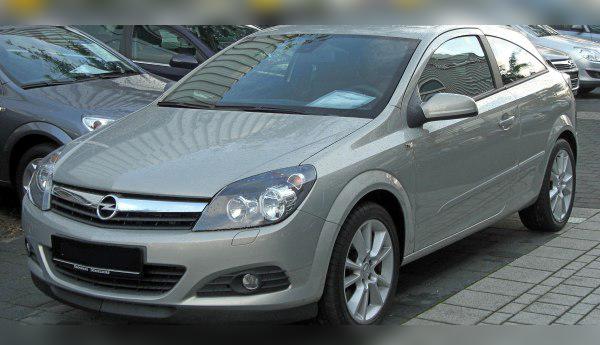
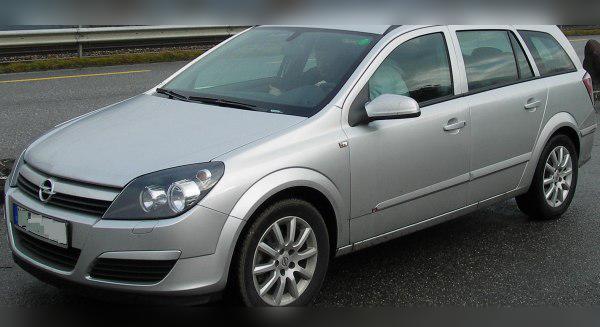
# Vehicles powered by this engine

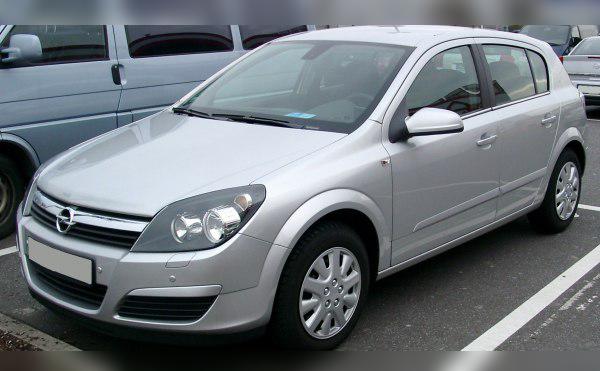
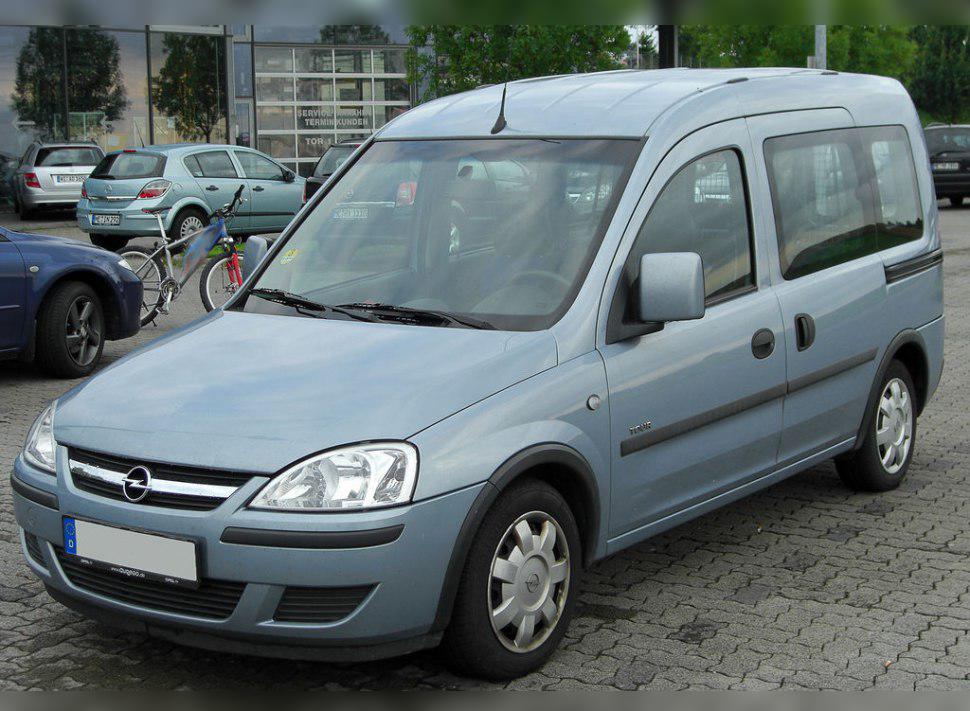
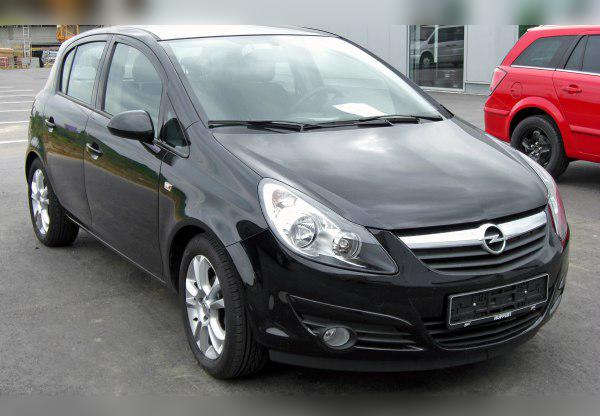
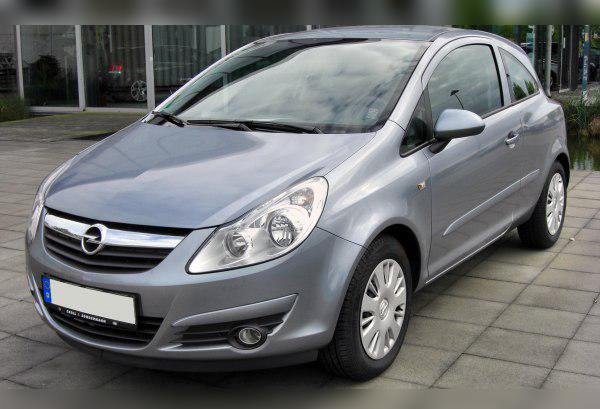
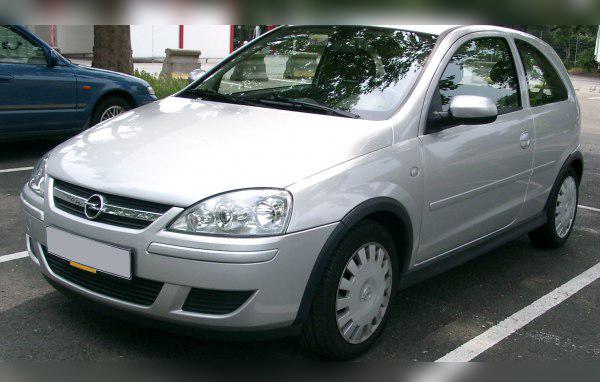
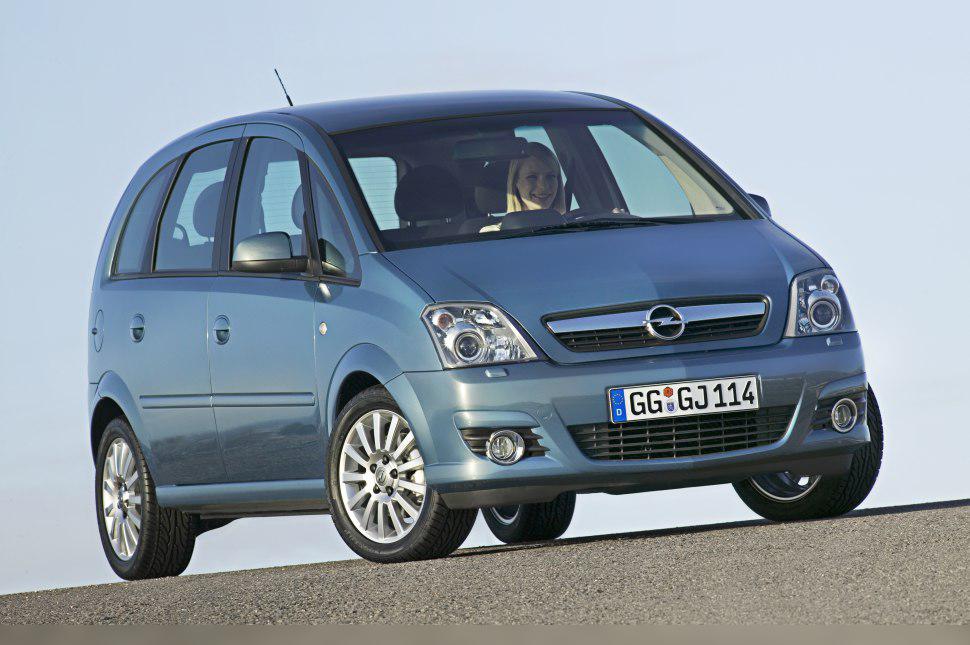
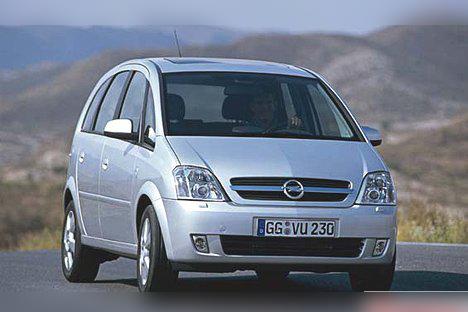
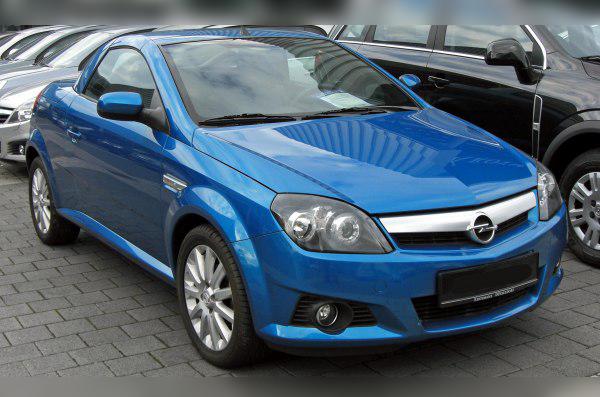


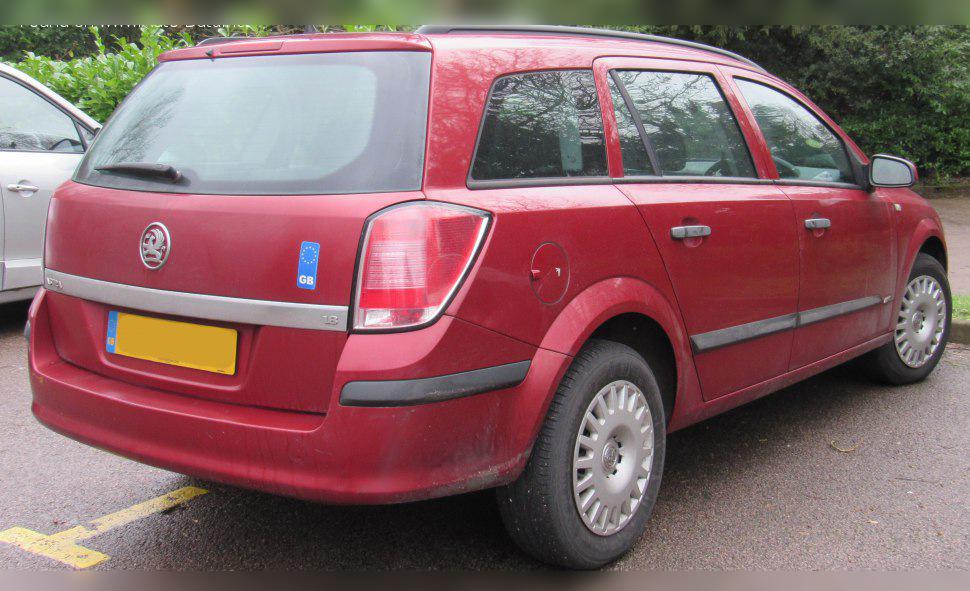

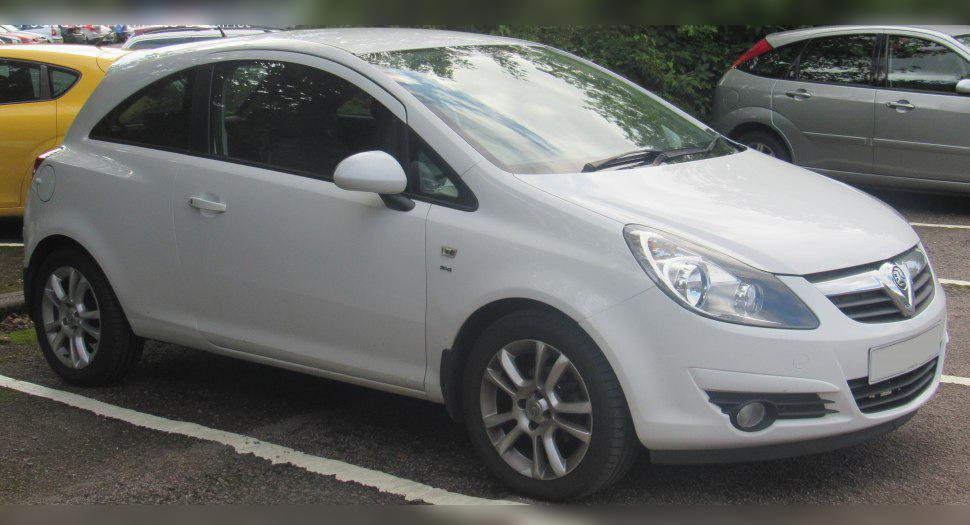
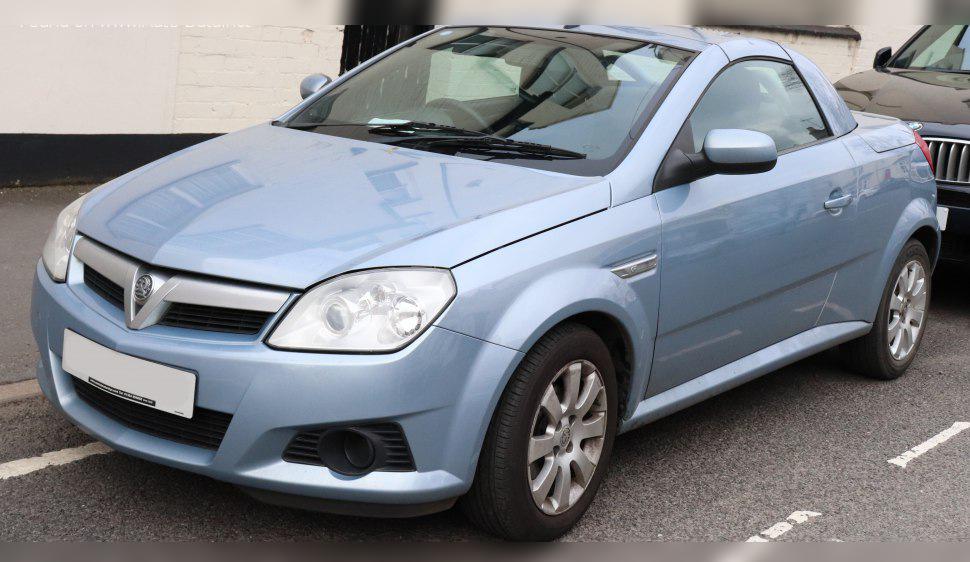
Opel 1.4 Twinport (Z14XEP): City hero or highway slacker? Experiences, problems and maintenance
If you’re looking for a used Opel from the second half of the 2000s, whether it’s a Corsa D, Astra H or Meriva A, you’ve probably come across the label 1.4 Twinport. This is one of the most common petrol engines in our region. The Z14XEP is a unit mechanics know very well – it’s simple, but it has its own “bugs” that can irritate owners if they’re not spotted in time.
This text is a detailed guide to everything you need to know before buying or while maintaining this engine. No sugar-coating, just the real state of affairs under the hood.
In short, the most important (TL;DR)
- Timing drive: Uses a chain, which theoretically means less maintenance, but in practice requires attention to rattling noises.
- Twinport system: Intake flap technology that saves fuel, but the plastic mechanism is prone to breaking.
- Performance: Excellent for the Corsa, acceptable for a regular Astra, but too weak for the Astra Caravan or Meriva under load.
- Costs: Maintenance is generally cheap. No dual-mass flywheel, no turbo, no expensive injectors.
- Ideal use: City driving and regional roads. The motorway is not its natural habitat due to noise and high fuel consumption.
- Biggest enemy: Bad oil and neglecting oil leaks (especially at the oil pressure sensor).
Contents
- Technical specifications
- Reliability and maintenance
- Specific parts and costs
- Fuel consumption and performance
- Additional options and modifications (LPG & tuning)
- Gearbox and drivetrain
- Buying used and conclusion
Technical specifications
| Parameter | Data |
|---|---|
| Engine code | Z14XEP |
| Displacement | 1364 cc (1.4 L) |
| Power | 66 kW (90 hp) @ 5600 rpm |
| Torque | 125 Nm @ 4000 rpm |
| Fuel type | Petrol (Gasoline) |
| Aspiration | Naturally aspirated |
| Injection | MPI (Multi-Point Injection) |
| Number of valves | 16V (DOHC) |
Reliability and maintenance
Timing belt or chain?
The Z14XEP uses a timing chain. In theory, the chain is designed to last “as long as the engine”, but in practice with Opel engines of this generation that’s not always the case. The chain is single-row (simplex) and can stretch over time.
Problem symptoms: If you hear rattling (like a diesel engine) at the first cold start in the morning that lasts a few seconds, that’s a sign the hydraulic tensioner is giving up or the chain has stretched. If the sound is constant even when the engine is warm, replacement is urgent. A timing chain kit is not excessively expensive (let’s say mid-range price), but ignoring it can lead to the chain jumping teeth and serious valve damage.
Most common failures and symptoms
Although reliable, the Z14XEP has several characteristic issues:
- Twinport system (intake flaps): This is the most common problem. The plastic rod that connects the flaps in the intake manifold wears out or breaks. The symptom is loss of power at low revs and the check engine light coming on (flap position sensor error). Often the whole intake manifold has to be replaced or the linkage repaired.
- Oil pressure sensor (switch): This is a small part that can cause big damage. When it starts leaking, the oil doesn’t just drip outside, it’s forced under pressure into the wiring insulation and via capillary action can reach the ECU (engine computer) or lambda sensor, creating chaos in the electronics. Always check the sensor connector – it must be dry!
- Ignition coil pack (DIS module): The coil pack is a single unit for all 4 cylinders. If one cylinder starts misfiring, you replace the whole module. Symptoms are jerking while driving and rough idle.
- Oil leaks: Often leaks from the valve cover gasket and crankshaft oil seal.
Service intervals and oil
The major service (replacement of chain, tensioner, guides and water pump) has no fixed interval like a belt. Experience-based recommendation is a check at 120,000 km, and replacement as soon as rattling is heard (usually between 150,000 and 200,000 km). Do minor services (oil and filters) strictly every 10,000 to 15,000 km or once a year.
Which oil and how much?
- Capacity: The engine takes about 3.5 litres of oil with the filter.
- Grade: Recommended is 5W-30 or 5W-40 with GM Dexos 2 specification. Don’t pour 10W-40 just because the car is old; the hydraulic valve lifters and chain tensioner need quality, thinner oil at cold start.
Oil consumption: These engines can consume some oil, but not as dramatically as the 1.6 Ecotec. Consumption of 0.3 to 0.5 litres per 1000 km is considered normal by the (overly tolerant) factory standards, but in practice a healthy engine shouldn’t need more than 1 litre top-up between services, unless it’s constantly driven at high revs on the motorway.
Specific parts (Costs)
Does it have a dual-mass flywheel?
No. The Z14XEP is paired with a solid flywheel. This is excellent news for your wallet. The clutch kit is conventional and relatively cheap to replace.
Injection system, turbo, DPF?
- Injection: Classic MPI injection into the intake manifold. Injectors are very robust, rarely fail and are not sensitive to average-quality fuel. There is no expensive high-pressure pump.
- Turbo: The engine is naturally aspirated, it has no turbocharger. That means less power, but also one very expensive component less to maintain.
- DPF / EGR: As a petrol engine, this unit has no DPF filter (that’s for diesels). However, it does have an EGR valve. It’s a common cause of the “Check Engine” light. It often gets clogged with soot, which chokes the engine. Fortunately, it can be cleaned, and a new one isn’t too expensive (compared to diesel units).
Fuel consumption and performance
City driving and “laziness”
In the Opel Corsa D, this engine is perfectly adequate. It feels lively at traffic lights thanks to the short gearbox ratios. However, in the Astra H (especially the Caravan) or Meriva, the situation is different. With 90 hp and only 125 Nm of torque, the engine struggles with a body weight of over 1200–1300 kg.
If the car is full of passengers and the A/C is on, overtaking requires dropping a gear and revving it out to 4000–5000 rpm. At that point the engine becomes noisy.
Real-world city consumption:
- Corsa D: 7.5 – 8.5 l/100 km
- Astra H / Meriva: 8.5 – 9.5 l/100 km (up to 10 l/100 km in winter)
Behaviour on the motorway
This is not an engine for long motorway trips, even though it can handle them. The problem is the 5-speed gearbox with short ratios. At 130 km/h, the engine spins at a high 3800 to 4000 rpm. That results in increased cabin noise and fuel consumption rising to about 7.5–8 litres, which is quite a lot for a small engine.
Additional options and modifications
Is it suitable for LPG?
Yes, very. The Z14XEP handles LPG well. It has hydraulic valve lifters, which means you don’t have to adjust valve clearances manually (an expensive job on some other LPG engines). However, the Twinport intake manifold is plastic and has flaps, so the installer must be careful where he drills the LPG nozzles so as not to interfere with the flap operation. A quality sequential LPG system is recommended.
Note: There are also factory “LPG ecoFLEX” versions that have additionally reinforced valve seats, but even standard engines can cover high mileages on LPG with regular maintenance.
Remapping (Stage 1)?
Let’s be honest – it’s not worth it. Since the engine has no turbo, with a remap you can gain maybe 5–7 hp and a slightly better throttle response, which is barely noticeable in real driving. It’s better to invest that money in good tyres or regular servicing.
Gearbox
There are three types of gearboxes paired with this engine, and the differences are huge:
- 5-speed manual (F13 / F17): The most common choice.
- Failures: These gearboxes are known for sensitive bearings. The symptom is a whining noise while driving that changes pitch as you accelerate. Also, the gear selector can become imprecise (the plastic “ball” wears out).
- Oil change: Although Opel says the oil is “lifetime fill”, it’s recommended to change it every 60,000 km (it takes about 1.6 litres of 75W-85 or 75W-90) to preserve the bearings.
- Easytronic (robotised manual):
- This is a conventional manual gearbox operated by a computer and actuators. Avoid it if possible. Driving is jerky, and failures of the clutch actuator or electronics are very expensive to repair (an “F” often appears on the instrument cluster and the car won’t start).
- Conventional automatic (4-speed):
- Installed in some models (e.g. Corsa D, Astra H). This is an old, reliable hydraulic automatic. It shifts slowly and increases fuel consumption by about 1–1.5 litres, but is generally very reliable if the oil is changed every 60,000 km.
Buying used and conclusion
Before buying a car with the Z14XEP engine, do the following:
- Cold start: Insist that the engine is completely cold. Listen to the chain for the first 3–5 seconds. If it rattles for more than a couple of seconds, set aside 200–300 EUR for a chain replacement.
- Pedal test (for Astra/Corsa): Press the brake and accelerator to the floor, then turn on the ignition (don’t start the engine). Error codes (ECN) will appear on the odometer. If you see codes related to P1113 or P1405, you have a problem with the Twinport system or EGR.
- Visual inspection: Check if the engine is “oily” around the valve cover and inspect the plug of the oil pressure sensor.
Final verdict:
The 1.4 Twinport (90 hp) engine is an excellent choice for the Corsa D or for Astra drivers who mostly drive in the city and don’t expect sporty performance. It’s cheap to maintain, doesn’t suffer from the expensive failures of modern diesel technology and works well on LPG.
However, if you plan to frequently load up an Astra Caravan and drive to the seaside with the A/C on, this engine will disappoint you with its lack of power and noise. In that case, the more powerful 1.6 petrol or 1.7 CDTI diesel are better choices.
Was this content useful to you?
Your opinion helps us to improve the quality of the content.