X18XE Engine
- Engine
- 1796 cm3
- Aspiration
- Naturally aspirated engine
- Fuel
- Petrol (Gasoline)
- Fuel injection system
- Multi-port manifold injection
- Power
- 116 hp @ 5400 rpm
- Torque
- 170 Nm @ 3400 rpm
- Cylinders
- 4
- Valves
- 16, 4 per cylinder
- Cylinders position
- Inline
- Valvetrain
- DOHC
- Oil capacity
- 4.25 l
- Coolant
- 7.1 l
# Vehicles powered by this engine
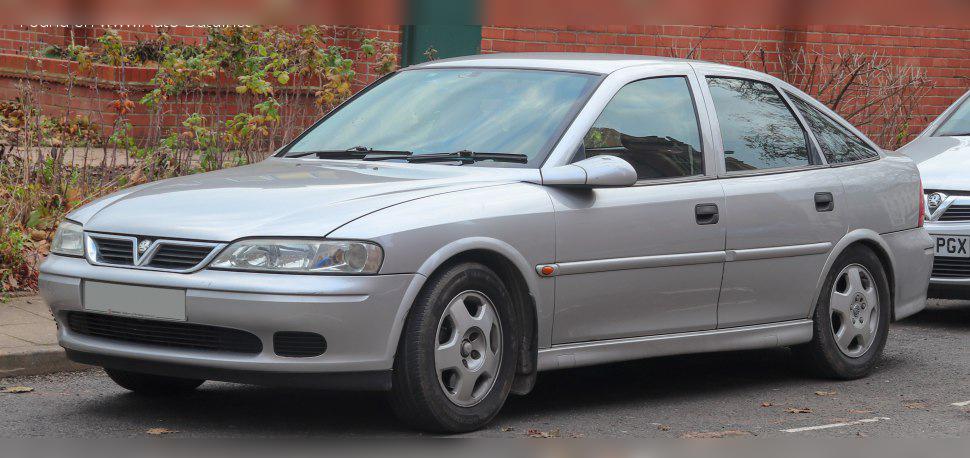
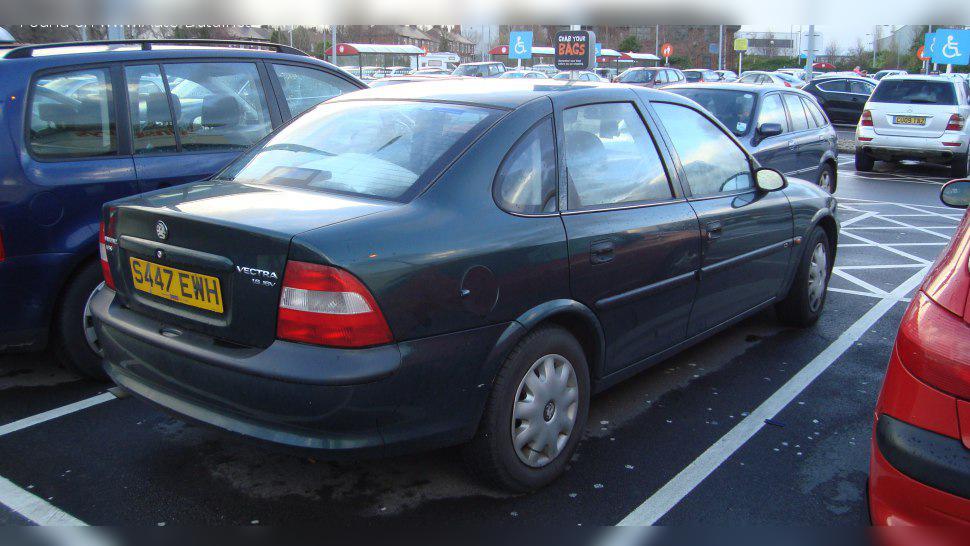
Opel X18XE (1.8 16V Ecotec) – Experiences, problems, fuel consumption and buying tips
Key points in short (TL;DR)
- Reliability: Mechanically robust cast-iron block, but the electronics (sensors) cause headaches.
- Timing belt service: Shorten the interval! The timing belt is sensitive – replace it at a maximum of 60,000 km.
- Gearbox (Manual): Achilles’ heel. The F18 gearbox is known for differential failures.
- LPG: Ideal platform. This engine handles LPG conversion very well.
- Typical fault: Cracking of the exhaust manifold is almost standard.
- Maintenance: Parts are very cheap and available everywhere.
- Recommendation: A good choice for drivers looking for a car that’s cheap to maintain, provided the bodywork is in good condition.
Contents
Introduction: The first truly “big” Ecotec
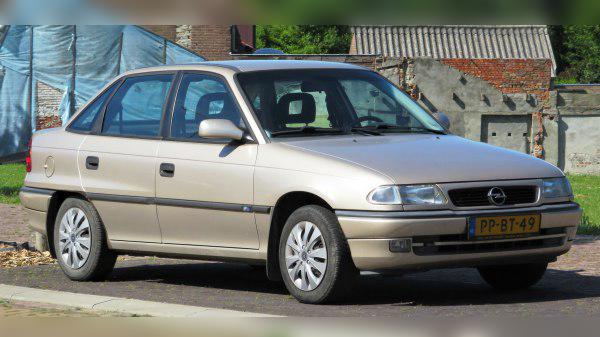
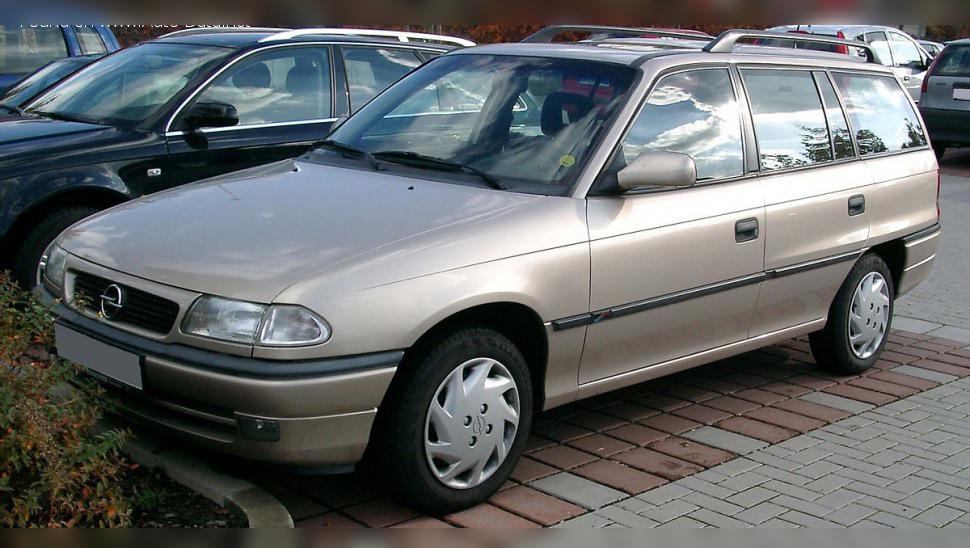
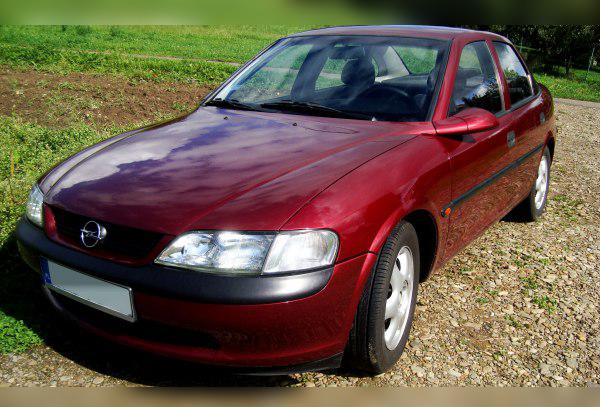
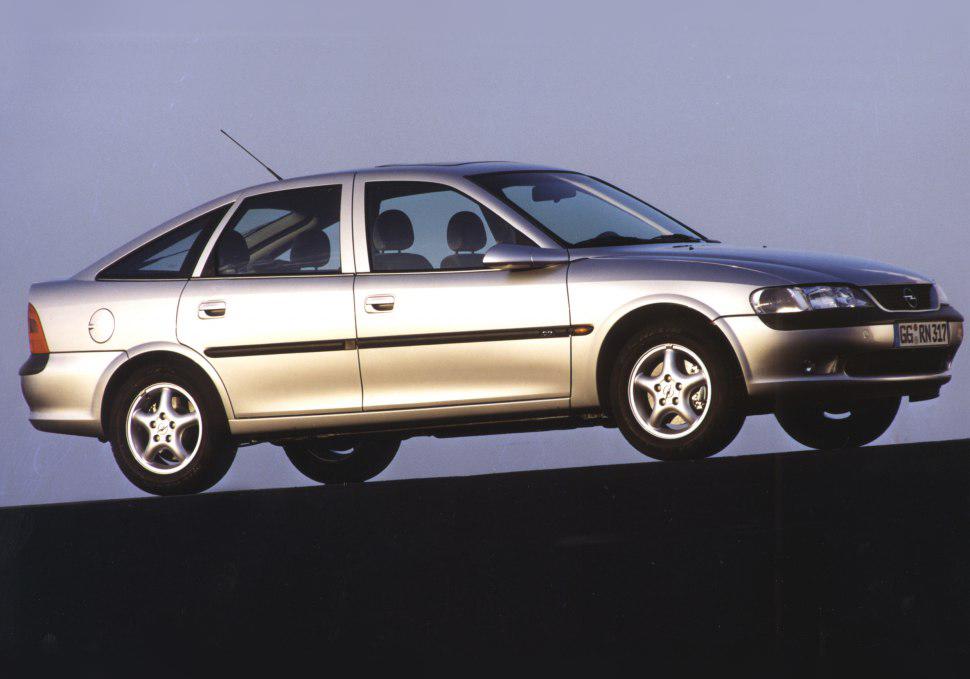
The engine designated as X18XE belongs to the early generation of Opel Ecotec engines (GM Family II). This power unit was the golden middle in the mid‑90s lineup for models such as the Opel Vectra B and late series of the Astra F.
Unlike the smaller X16XEL, notorious for its oil consumption, the X18XE is structurally more similar to the larger 2.0 engine (X20XEV). That means it shares the robust block, but unfortunately also the typical “childhood diseases” of first‑generation electronics from that era. Today this engine is considered an old‑school machine which, with proper maintenance, can cover serious mileage, but it requires an owner with patience for minor electronic gremlins.
Technical specifications
| Specification | Data |
|---|---|
| Engine code | X18XE |
| Displacement | 1796 cc (1.8 L) |
| Power | 85 kW (116 hp) @ 5400 rpm |
| Torque | 170 Nm @ 3600 rpm |
| Number of cylinders / valves | 4 / 16V |
| Fuel | Petrol |
| Injection type | Multipoint (Simtec 56.5) |
| Turbo / Supercharger | No (Naturally aspirated) |
Reliability and maintenance
Timing belt: Critical point
This engine uses a timing belt to drive the valvetrain. This is one of the most critical points of the X18XE. Although the factory initially recommended longer intervals, real‑world experience has shown that this is risky.
Recommendation: The major service (replacement of the belt, tensioner, idler pulleys and water pump) must be done every 60,000 km or 4 years. A snapped belt or seized pulley will cause piston‑to‑valve contact, which is economically unviable to repair on a car this old.
Most common faults and symptoms
- Camshaft and crankshaft sensors: A “classic” issue on Ecotec engines. Symptoms include the engine cutting out while driving (usually when hot), hard starting or revs being limited to 4500 rpm. Often the problem is not the sensor itself but the wiring insulation, which cracks from age and heat, causing short circuits.
- Cracked exhaust manifold: A frequent problem. The manifold cracks between cylinders 3 and 4. Symptom: A “ticking” sound while the engine is cold, which disappears once it warms up (the metal expands and closes the crack).
- Idle air control valve (stepper motor): It gets dirty from oil vapours. Symptoms are fluctuating idle speed or stalling when stopping at traffic lights. Cleaning helps temporarily; replacement is the permanent solution.
- Valve cover gasket: It often starts leaking oil, which then runs directly into the spark plug wells. That can destroy the leads or the coil pack.
Oil: Capacity and consumption
The engine takes about 4.5 to 5 litres of oil (depending on sump and filter size, always buy 5L).
Viscosity: For normal climate and the age of the engine, 10W‑40 semi‑synthetic is the sweet spot. If the engine is in perfect condition, 5W‑40 is also fine.
Oil consumption: The X18XE is more tolerant than the X16XEL, but oil consumption is still present. Up to 0.5L per 1000 km is considered “normal” on older examples, although a healthy engine should not burn more than 1L between oil changes. The main culprits are usually valve stem seals that have hardened.
Specific parts (Costs)
Flywheel and clutch
Good news: This engine does NOT have a dual‑mass flywheel. It uses a classic solid flywheel. That makes maintenance significantly cheaper. A clutch kit is relatively inexpensive and falls into the “affordable” category.
Fuel injection system and injectors
The engine uses a Siemens Simtec 56.5 management system. The petrol injectors are very reliable and rarely cause problems unless extremely dirty fuel is used. If issues do arise, used injectors are quite cheap, and ultrasonic cleaning usually solves everything.
Turbo, DPF, EGR
- Turbo: None. The engine is naturally aspirated, which means fewer parts to fail.
- DPF filter: None.
- EGR valve: Present. The EGR valve often gets clogged with soot and sticks open. Symptoms are a “flat spot” when you press the accelerator and uneven running. Many owners blank it off (with a plate), which on this engine usually works without major issues, although it can trigger the Check Engine light.
Fuel consumption and performance
Real‑world fuel consumption
Don’t expect miracles; this is 30‑year‑old technology.
- City driving: Expect between 10 and 12 litres of petrol per 100 km, depending on traffic and how heavy your right foot is. The automatic uses at least 1–1.5 litres more.
- Open road: Here it’s more economical, dropping to around 6.5 to 7.5 litres.
Is the engine “lazy”?
With 116 hp and 170 Nm, this engine is perfectly adequate for the Vectra B and Astra F. It’s no sports car, but it’s not sluggish either. Thanks to decent low‑end torque, it pulls nicely from low revs. In estate versions, fully loaded, it can feel a bit out of breath on steep hills.
Behaviour on the motorway
The gearbox has relatively short ratios. At 130 km/h in fifth gear, the engine spins at around 3500–3800 rpm (depending on tyre size and exact gearbox code). That means the engine is quite noisy at those speeds, but there is enough power for overtaking without having to shift down.
Additional options and modifications
LPG conversion
Highly recommended. The X18XE has hydraulic tappets (no valve clearance adjustment needed) and a metal intake manifold (on older versions), although modern sequential LPG systems work on all of them. The engine tolerates LPG extremely well and, with a properly tuned map, the power difference is barely noticeable. On these models the LPG tank fits easily into the spare wheel well.
Chip tuning (Stage 1)
Not worth it. A naturally aspirated petrol engine of this generation gains maybe 3 to 5 horsepower from a remap, which you won’t feel in real driving. It’s better to invest that money in quality spark plugs, leads and injector cleaning – that will restore more power than any software tweak.
Gearbox: Achilles’ heel
Manual gearbox (F18)
The F18 five‑speed manual gearbox was most commonly paired with the X18XE. This is probably the weakest link of the whole car.
- Most common failure: Differential. The factory differential spider gears are weak, and the shaft that holds them can break and punch a hole through the gearbox casing.
- Symptoms: A whining noise that increases with speed, difficulty engaging gears or a knock when setting off.
- Solution: If the gearbox fails, many owners fit the older and more robust F16 or F20 gearbox from the Kadett/Vectra A, which fits with minimal modifications.
Automatic gearbox (AF20)
Aisin 4‑speed automatic. It’s an old‑school slushbox. Very slow, “steals” power from the engine and increases fuel consumption. However, it is mechanically very reliable if the oil is changed regularly. Failures are rare and mostly related to the gear selector switch.
Gearbox maintenance
Although the factory often claims the oil is “lifetime fill”, on the manual gearbox you should change the oil (about 1.6–1.9 litres, 75W‑90) every 80,000 km. On the automatic, changing the oil and filter every 60,000 km is a must.
Buying used and conclusion
Before buying a car with the X18XE engine, pay attention to:
- Noise on cold start: If you hear a knocking sound for a few seconds, the hydraulic lifters are worn. If you hear a “whoosh‑tick‑tick” sound that disappears, the exhaust manifold is cracked.
- Engine warning light: Is the Check Engine light on? If it is, a diagnostic scan is mandatory. It’s often the camshaft/crankshaft sensors.
- Gearbox: While driving, listen for gearbox whine. Try hard acceleration and engine braking. Any strange noise from the differential is a sign to walk away.
- Smoke: Blue smoke from the exhaust when you press the accelerator after idling points to worn valve stem seals.
Conclusion:
Opel’s X18XE is a workhorse. It’s not refined, and by today’s standards it’s not particularly economical, but it is simple and cheap to maintain. It’s ideal for drivers who cover moderate mileage, want cheap motoring on LPG and are not afraid of occasional visits to the mechanic for minor issues. Avoid the automatic if you want any kind of dynamism, and be prepared for a potential manual gearbox swap if the car has high mileage.
Was this content useful to you?
Your opinion helps us to improve the quality of the content.