B48B20C Engine
- Engine
- 1998 cm3
- Aspiration
- Twin-power turbo, Intercooler
- Fuel
- Petrol (Gasoline)
- Fuel injection system
- Direct injection
- Power
- 184 hp
- Torque
- 300 Nm
- Cylinders
- 4
- Valves
- 16, 4 per cylinder
- Cylinders position
- Inline
- Valvetrain
- VALVETRONIC, Double-VANOS
- Systems
- Start & Stop System
# Vehicles powered by this engine
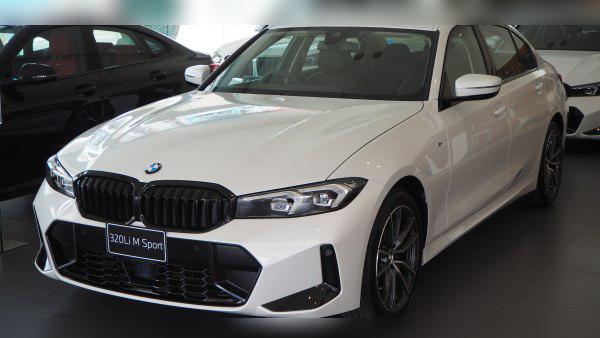
BMW B48B20C (184 HP) – Experiences, Problems, Fuel Consumption and Maintenance
Key points in short (TL;DR)
- Reliability: Significantly more reliable than its predecessor (N20). The B48 is a modern, modular design that has fixed many of the early issues.
- Achilles' heel: Cooling system. Coolant leaks at the oil filter housing and cracking plastic hoses are the most common problems.
- Timing chain: Located at the back of the engine (towards the cabin). Although more durable than before, replacement is very expensive because the engine has to be removed.
- Gearbox: The ZF 8-speed automatic is probably the best part of the drivetrain – fast, comfortable and reliable with regular oil changes.
- Performance: 184 HP and 300 Nm are the "golden middle". It’s not a sports car in a heavy body (especially the Long version), but more than adequate for smooth overtaking.
- Recommendation: An excellent choice for those who want petrol quietness and solid performance, and want to avoid diesels and EGR issues.
Contents
- Introduction and applications
- Technical specifications
- Reliability, Maintenance and Failures
- Specific parts and Costs
- Fuel Consumption and Performance
- LPG and Tuning
- Gearbox and Drivetrain
- Buying tips and Conclusion
Introduction and applications
The engine designated B48B20C is the heart of BMW’s modern 2.0‑liter petrol lineup. It is a member of the modular “B” engine family (together with B38 and B58), which replaced the notorious N20 engine. The specific 184 HP variant (often badged as 320i globally, or 325Li on the Asian market for long-wheelbase G28 versions) is designed to offer a balance between efficiency and dynamics.
This unit is installed in the facelifted 3 Series (G20/G28 LCI), and the “C” in the engine code often indicates a specific power revision or emissions adaptation for certain markets. It’s important to note that although BMW uses the name “TwinPower Turbo”, this is not a twin‑turbo engine. It uses a single turbocharger with twin‑scroll technology, which allows for a quicker throttle response.
Technical specifications
| Specification | Data |
|---|---|
| Engine code | B48B20C |
| Displacement | 1998 cc (2.0 L) |
| Configuration | Inline, 4 cylinders |
| Power | 135 kW / 184 HP |
| Torque | 300 Nm (at 1350–4000 rpm) |
| Injection type | Direct injection (High Precision Injection) |
| Turbo system | Twin‑scroll turbocharger |
Reliability and Maintenance
Chain or belt?
The B48 engine uses a timing chain. Unlike older engines where the chain was at the front, here it is located at the back of the engine (towards the firewall). This is important to know because, although the chain on B48 engines is much more durable than on N20 engines and doesn’t often fail, if it does need replacing (rattling, stretching at high mileages over 200,000 km), the repair is very expensive (depends on the market) since the engine has to be removed from the car.
Most common failures
Although the engine’s mechanicals (pistons, crankshaft, block) are very robust (closed‑deck design), the ancillaries can cause headaches:
- Coolant loss: This is problem number one. The oil filter housing often cracks or its seals fail, which leads to oil and coolant mixing or external leaks. In addition, plastic coolant return hoses (vent line) become brittle from heat and crack, leaving you stranded.
- VANOS actuators: They can fail, resulting in rough idle and loss of power.
- PCV valve: Integrated into the valve cover. When the membrane tears, the engine starts consuming oil, whistling or smoking. Often the entire valve cover has to be replaced, which is not cheap.
Service intervals and oil
Minor service: The factory often recommends a “flexible” interval of up to 30,000 km. Ignore that. Due to high operating temperatures and the turbocharger, change the oil and filter every 10,000 to 12,000 km at most, or once a year.
Oil quantity and type: The engine takes approximately 5.25 liters of oil. The recommended viscosity is usually 0W‑20 or 5W‑30 (BMW Longlife‑17 FE+ or BMW Longlife‑04 specification). 0W‑20 is used for lower fuel consumption, but for warmer climates and spirited driving, 5W‑30 provides better protection.
Oil consumption
B48 engines are generally “tight” and should not consume significant amounts of oil. Consumption of 0.5 L to 1 L per 10,000 km can be considered acceptable, especially if driven aggressively. If it uses a liter every 2,000 km, you have a problem (most often the PCV valve, valve stem seals or a turbo leak).
Spark plugs
On direct‑injection engines, spark plugs are under higher stress. It is recommended to replace them every 40,000 to 60,000 km. Symptoms of worn plugs are hesitation under hard acceleration or rough idle (misfire).
Specific Parts (Costs)
Dual‑mass flywheel
Since your model is equipped with a Steptronic (automatic) gearbox, it does not have a classic dual‑mass flywheel like manual gearboxes that wears out and rattles. Instead, it uses a torque converter. This is great news for your wallet because it eliminates one of the most expensive failures. There is a vibration damper, but it rarely fails.
Fuel injection system (injectors)
It uses high‑pressure piezoelectric injectors. They are generally reliable but sensitive to poor fuel quality. If they fail, replacement is expensive (depends on the market). Symptoms include black smoke (over‑rich mixture), a smell of petrol in the oil or difficult starting.
Turbocharger
The twin‑scroll turbo is reliable and usually lasts as long as the engine with regular maintenance (over 200,000 km). To extend its life, do not switch the engine off immediately after fast motorway driving – let it idle for a minute to cool down.
Emissions equipment (DPF/GPF, EGR)
This engine does not use AdBlue because it is a petrol. However, modern B48 engines (especially Euro 6d‑TEMP and newer) have a GPF (Gasoline Particulate Filter) – the petrol equivalent of a DPF. The GPF rarely clogs because exhaust gas temperatures on petrol engines are higher, so passive regeneration happens constantly. There is an EGR valve, but on petrol engines it gets far less sooted up than on diesels and rarely causes issues before very high mileage.
Fuel Consumption and Performance
City driving
Be realistic here. The G28 (Long version) is a heavy sedan. In pure city driving with stop‑and‑go traffic, fuel consumption will be between 9.5 and 11.5 L/100 km. In winter or with a heavy right foot, this easily goes above 12 L.
Is the engine “lazy”?
With 184 HP and 300 Nm available from as low as 1350 rpm, the engine is not lazy, but don’t expect sports‑car performance that pins you to the seat. 0–100 km/h takes around 7.5–8 seconds (depending on xDrive or rear‑wheel drive). For everyday driving, overtaking and motorway use, there is more than enough power. A feeling of “laziness” may appear only if you drive fully loaded uphill, bearing in mind this is the entry‑level engine for that body.
Motorway
On the open road this engine really shines. Thanks to the 8‑speed gearbox, at 130 km/h the engine spins at about 1800–2000 rpm. This ensures cabin quietness and fuel consumption of around 6.5 to 7.5 L/100 km. It is a very comfortable cruiser.
Additional Options and Modifications
LPG conversion
Is it possible? Yes. Is it cost‑effective? Probably not. Due to direct fuel injection into the cylinders, a specific (and expensive) LPG system is required (so‑called liquid phase or a system that still uses about 10–20% petrol to cool the injectors). The installation cost is very high (depends on the market), and the payback period is long. You also risk issues with the sensitive petrol injectors.
Remapping (Stage 1)
The B48 engine is known for having huge tuning potential. The stock 184 HP version is software‑detuned (the same hardware is often used for more powerful versions up to 245 HP). A safe Stage 1 remap can raise power to 240–260 HP and torque to about 400 Nm. This drastically changes the character of the car. However, keep in mind that more power means higher thermal load – shorten your service intervals if you do this!
Gearbox
Type of gearbox
With this engine in the G28 LCI model you get exclusively the ZF 8HP (8‑speed automatic gearbox with torque converter). Manual gearboxes have been dropped from the lineup for these specific models.
Reliability and maintenance of the ZF gearbox
This is one of the best automatic gearboxes in the world. It is quick, intelligent and very reliable. The most common issues are oil leaks from the gearbox pan (which is plastic and integrated with the filter).
When to change the oil? BMW claims the oil is “lifetime”. The gearbox manufacturer (ZF) says the oil must be changed every 80,000 to 100,000 km (or 8 years). Listen to ZF. The service includes new oil, a new pan with filter and new bolts. The cost is moderate, but essential for longevity.
Clutch cost: Since it’s an automatic, you don’t have a conventional clutch disc and pressure plate. The internal clutch packs last hundreds of thousands of kilometers if the oil is changed regularly.
Buying Used and Conclusion
Before buying a used BMW with the B48 engine, pay attention to the following:
- White sludge on the oil cap: May indicate short trips, but also mixing of coolant and oil.
- Coolant smell: When you open the bonnet after driving, a sweet smell is a sure sign of a coolant system leak.
- Cold start: The engine should start immediately and settle to a smooth idle within a few seconds without chain rattling.
- Gearbox service history: If the car has over 100,000 km and the gearbox oil has never been changed, that’s a risk.
Conclusion:
The B48B20C engine is an excellent, modern power unit. It has solved most of the issues of older generations and offers a great compromise. It is aimed at drivers who want a premium feel, quietness and comfort, and who cover less than 20–30 thousand kilometers per year (where a diesel would be more cost‑effective). Combined with the 8‑speed automatic and xDrive, it is the “Swiss Army knife” of the automotive world – good for almost any situation.
Was this content useful to you?
Your opinion helps us to improve the quality of the content.