B48B20C Engine
- Engine
- 1998 cm3
- Aspiration
- Twin-power turbo, Intercooler
- Fuel
- Petrol (Gasoline)
- Fuel injection system
- Direct injection
- Power
- 156 hp
- Torque
- 250 Nm
- Cylinders
- 4
- Valves
- 16, 4 per cylinder
- Cylinders position
- Inline
- Valvetrain
- VALVETRONIC, Double-VANOS
- Systems
- Start & Stop System
# Vehicles powered by this engine
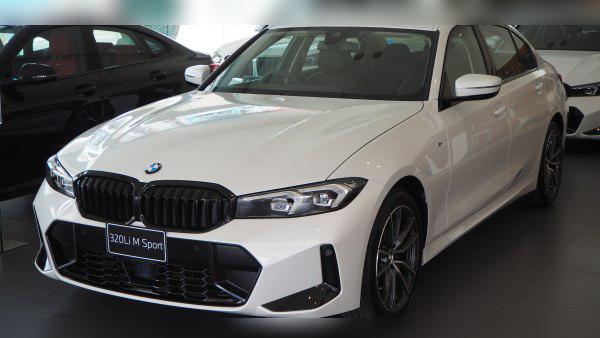
BMW B48B20C (2.0 Turbo 156 HP): Experiences, issues, fuel consumption and maintenance
In short (TL;DR)
- Timing chain: The engine uses a chain which is significantly more reliable than its predecessor (N20), but it is located at the rear of the engine (towards the cabin), which makes any potential replacement more complicated.
- Biggest downside: Cooling system. Plastic hoses, the oil filter housing and the water pump are prone to leaks.
- Gearbox: It comes with the ZF 8-speed automatic, probably the best gearbox in its class, but it does require oil changes even though BMW claims it is “lifetime”.
- Power: With 156 HP in a heavy body (especially the Long G28 version), this is not a sports car, but a comfortable cruiser.
- Potential: The engine is software “detuned”, which means it has huge potential for unlocking power (Stage 1).
- GPF filter: Newer models have a gasoline particulate filter (GPF), which means the sound is muted and it requires specific engine oil.
Contents
- Technical Specifications
- Reliability and Maintenance
- Specific Parts and Costs
- Fuel Consumption and Performance
- Additional Options (LPG and Tuning)
- Gearbox
- Buying Used and Conclusion
Introduction
The engine designated B48B20C belongs to BMW’s modular “B” engine family. In this particular case, it is a 2.0-liter four-cylinder that is detuned to 156 HP, primarily to replace older 1.6 engines and meet strict emission standards, while still providing the torque of a 2.0-liter. It is installed in the facelifted 3 Series (G20/G21), and the specific G28 LCI designation refers to the long wheelbase sedan version, which is primarily intended for the Asian market, but can be found as a used car in other regions as well. This is an engine for those who want a premium badge and comfort, and are not obsessed with sporty performance.
Technical Specifications
| Parameter | Value |
|---|---|
| Displacement | 1998 cc |
| Power | 115 kW (156 HP) at 4500-6500 rpm |
| Torque | 250 Nm at 1300-4300 rpm |
| Engine code | B48B20C |
| Injection type | Direct injection (High Precision Injection) |
| Induction | TwinPower Turbo (single twin-scroll turbo) + intercooler |
Reliability and Maintenance
Chain or belt?
This engine uses a timing chain. Unlike the notorious N47 or earlier N20 engines, the chain on B48 engines has proven to be very durable. However, BMW placed it at the rear of the engine (towards the cabin/gearbox). This means that if it ever needs to be replaced (which is rare before 200,000 km with regular oil changes), the engine or gearbox has to come out, which drastically increases labor costs.
Most common issues
Although the core mechanics (pistons, crankshaft) are robust, the peripherals cause problems. The most common issues are related to coolant leaks:
- Vent line: A thin plastic pipe running from the cylinder head to the expansion tank becomes brittle from heat and cracks at the slightest touch. Symptom: Smell of coolant in the cabin or a puddle under the car.
- Oil filter housing: Made of plastic and prone to cracking or deforming, which can lead to oil and coolant mixing or oil leaking down the engine block.
- VANOS actuator system: They can sometimes stick, causing rough idle or a “check engine” light.
Major service
With chain-driven engines there is no classic “major service” at a fixed mileage like with a belt. Still, it is recommended to thoroughly check the timing chain system (by sound and diagnostics for stretch) at around 150,000 - 180,000 km. Also, around this mileage the water pump and thermostat (which is electronic and expensive) often fail.
Oil: quantity and consumption
The engine takes approximately 5.25 to 5.75 liters of oil (always check the exact amount, as the oil pans differ between xDrive and RWD models). The recommended viscosity is 0W-20 (for emissions and fuel economy), but for engine longevity in warmer climates or with spirited driving, many experts recommend switching to a quality 5W-30 (BMW Longlife-04 or LL-17 FE+).
Oil consumption: The B48 is generally a “dry” engine and should not consume large amounts of oil. Consumption up to 0.5 liters per 10,000 km is acceptable. If it needs a liter every 2,000 km, you likely have an issue with piston rings or leaks at the turbo/valve stem seals.
Spark plugs
On this turbocharged direct-injection petrol engine, spark plugs are heavily stressed. They should be replaced every 50,000 to 60,000 km (or at every second oil service). Do not wait for the engine to start “jerking”, because a bad spark plug can damage the coil (which sits directly on the plug).
Specific Parts (Costs)
Dual-mass flywheel
The G28 LCI 320Li model comes exclusively with an automatic gearbox. Torque-converter automatics do not have a dual-mass flywheel in the way manuals or DSG gearboxes do. They have a flexplate that connects the engine and the torque converter. This is good news – there is no expensive dual-mass flywheel replacement as a wear item.
Fuel injection system
It uses piezo-electric direct injection at high pressure. The injectors are precise but sensitive to poor fuel quality. They are not as problematic as on the old N53 engines, but if one fails, the price is high (very expensive, depending on the market). Symptoms include black smoke from the exhaust, smell of petrol in the oil and rough running.
Turbocharger
The engine has a single turbocharger with twin-scroll technology (not two turbos, despite the “TwinPower” branding). Its lifespan is long, usually over 200,000 km with regular oil changes and allowing the engine to cool down after fast driving before switching off. The electronic actuator on the turbo can fail earlier.
DPF/GPF and EGR
Since this is a modern petrol engine (Euro 6d), it is equipped with a GPF (Gasoline Particulate Filter) – the petrol equivalent of a DPF. It is less prone to clogging than a diesel DPF because petrol burns at higher temperatures. There is no AdBlue (that’s for diesels). An EGR valve is present, but on petrol engines it clogs with soot far less often than on diesels.
Fuel Consumption and Performance
Real-world fuel consumption
- City driving: Expect between 9 and 11 l/100 km. The G28 (Long) is a heavy car, and stop-and-go traffic takes its toll.
- Highway / open road: This is where it shines. Consumption drops to 6 to 7 l/100 km.
- Combined: A realistic average is around 8.5 l/100 km.
Is the engine “lazy”?
For the long-wheelbase 3 Series body, 156 HP is at the lower acceptable limit. The engine is not “lazy” in city driving because the turbo delivers the full 250 Nm from as low as 1300 rpm, so the car feels lively at traffic lights. However, during overtakes on country roads or with full load uphill, the lack of power at higher revs becomes noticeable. It’s not a sports car, but it’s not slow either.
Behavior on the motorway
Thanks to the excellent 8-speed gearbox, at 130 km/h the engine spins at a very low 2000-2200 rpm (depending on the final drive). This means a quiet cabin and low fuel consumption. Cruising is comfortable, but acceleration from 130 to 160 km/h requires some patience.
Additional Options and Modifications
LPG conversion
This is a direct-injection engine. Installing LPG is technically possible, but expensive and complicated. It requires a liquid injection system (e.g. Prins) costing over 1000-1500 EUR, or a system that uses a mixture of petrol and LPG to cool the injectors. Considering the fuel consumption, it only really pays off if you drive more than 30,000 km per year.
Chiptuning (Stage 1)
This is where the biggest advantage of this engine lies. The B48B20C is often very similar in hardware to more powerful versions (such as the 320i with 184 HP). A Stage 1 remap can safely raise power to 220-260 HP and torque to over 400 Nm. This completely transforms the car. However, check with your tuner the exact piston specification, as the weakest versions sometimes have higher compression which limits the maximum boost.
Gearbox: ZF 8HP
Type of gearbox
The G28 LCI 320Li comes exclusively with the ZF 8-speed automatic gearbox (Steptronic). Manual gearboxes are almost never found in this specific long-wheelbase variant.
Reliability and issues
This is probably the best automatic gearbox on the market. It is very reliable. The most common issues are oil leaks from the gearbox pan (which is plastic and integrated with the filter) or from the mechatronic connector.
Gearbox service
BMW claims the oil is “lifetime”. Do not follow that advice. The gearbox manufacturer (ZF) recommends changing the oil and pan with filter every 80,000 to 100,000 km or 8 years. If you do this, the gearbox will last as long as the engine. The service cost is in the “moderately expensive” range (depending on the market), but it is a crucial investment.
Buying Used and Conclusion
Before buying, make sure to check:
- Coolant leaks: Look for whitish traces around the expansion tank and under the intake manifold.
- Cold start: The engine should run smoothly immediately after starting. Chain rattle (although rare) is easiest to hear then.
- Gearbox service history: If the car has over 120,000 km and the gearbox oil has never been changed, that is a risk.
Final verdict
BMW 320Li with the 156 HP B48 engine is an excellent choice for drivers looking for a premium sedan for comfortable everyday driving, who are not adrenaline addicts. The engine is modern, quiet and, once the plastic cooling components are sorted, reliable. Its greatest strengths are low fuel consumption when cruising and huge potential for chiptuning if you get bored with the stock power.
Was this content useful to you?
Your opinion helps us to improve the quality of the content.