B57D30B Engine
- Engine
- 2993 cm3
- Aspiration
- Twin-power turbo, Intercooler
- Fuel
- Diesel
- Fuel injection system
- Diesel Commonrail
- Power
- 340 hp @ 4400 rpm
- Torque
- 700 Nm
- Cylinders
- 6
- Valves
- 24, 4 per cylinder
- Cylinders position
- Inline
- Valvetrain
- DOHC
- Oil capacity
- 7 l
- Coolant
- 10.6 l
- Systems
- Start & Stop System, Particulate filter
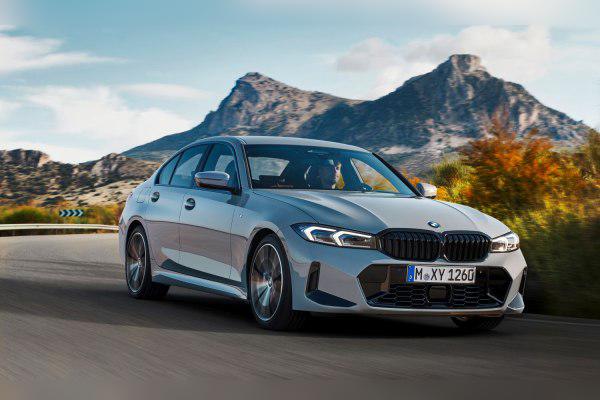
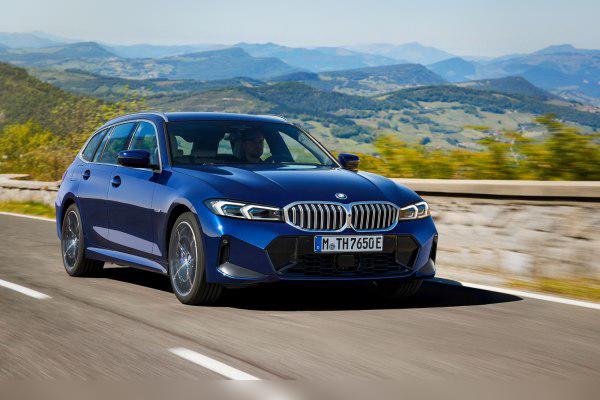
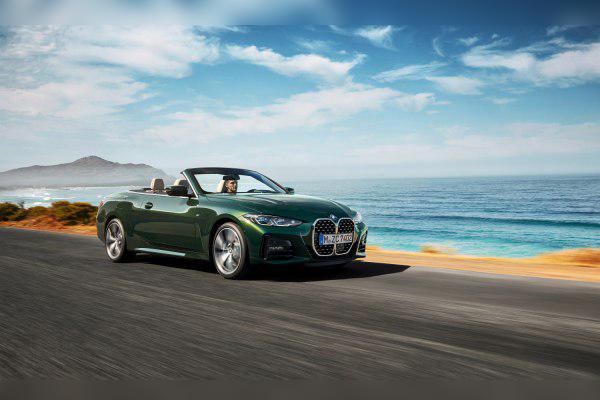
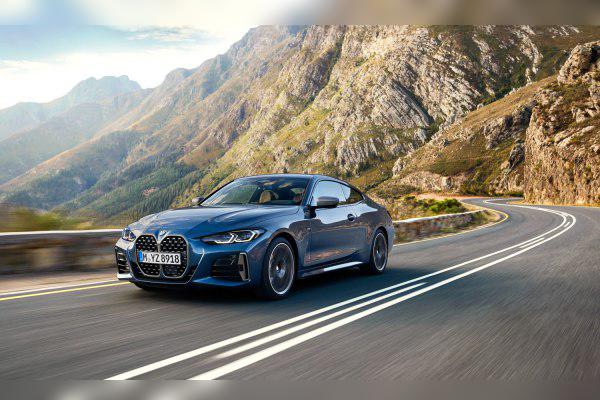
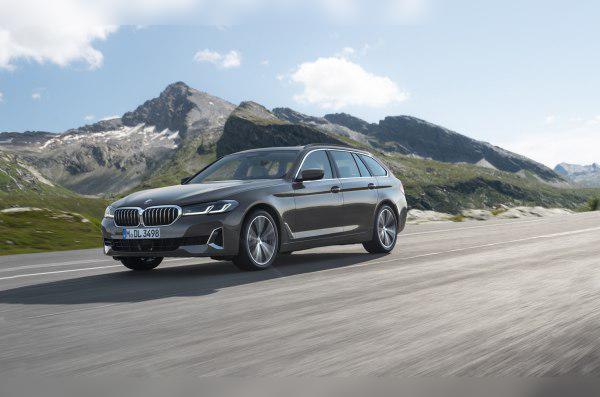
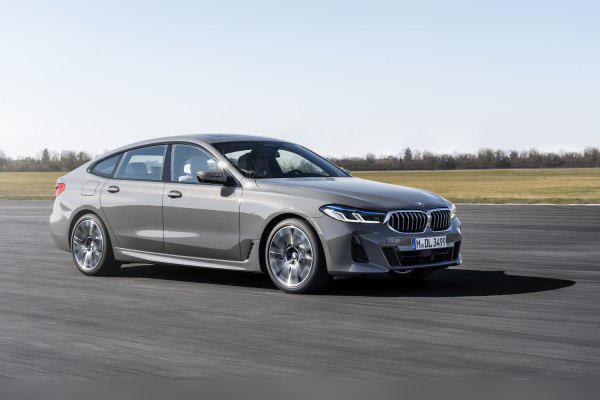
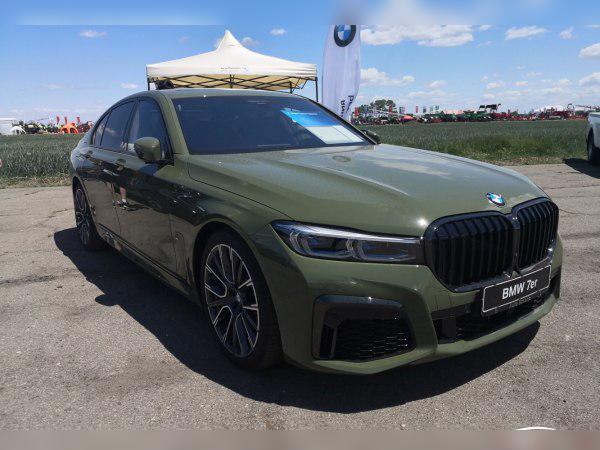
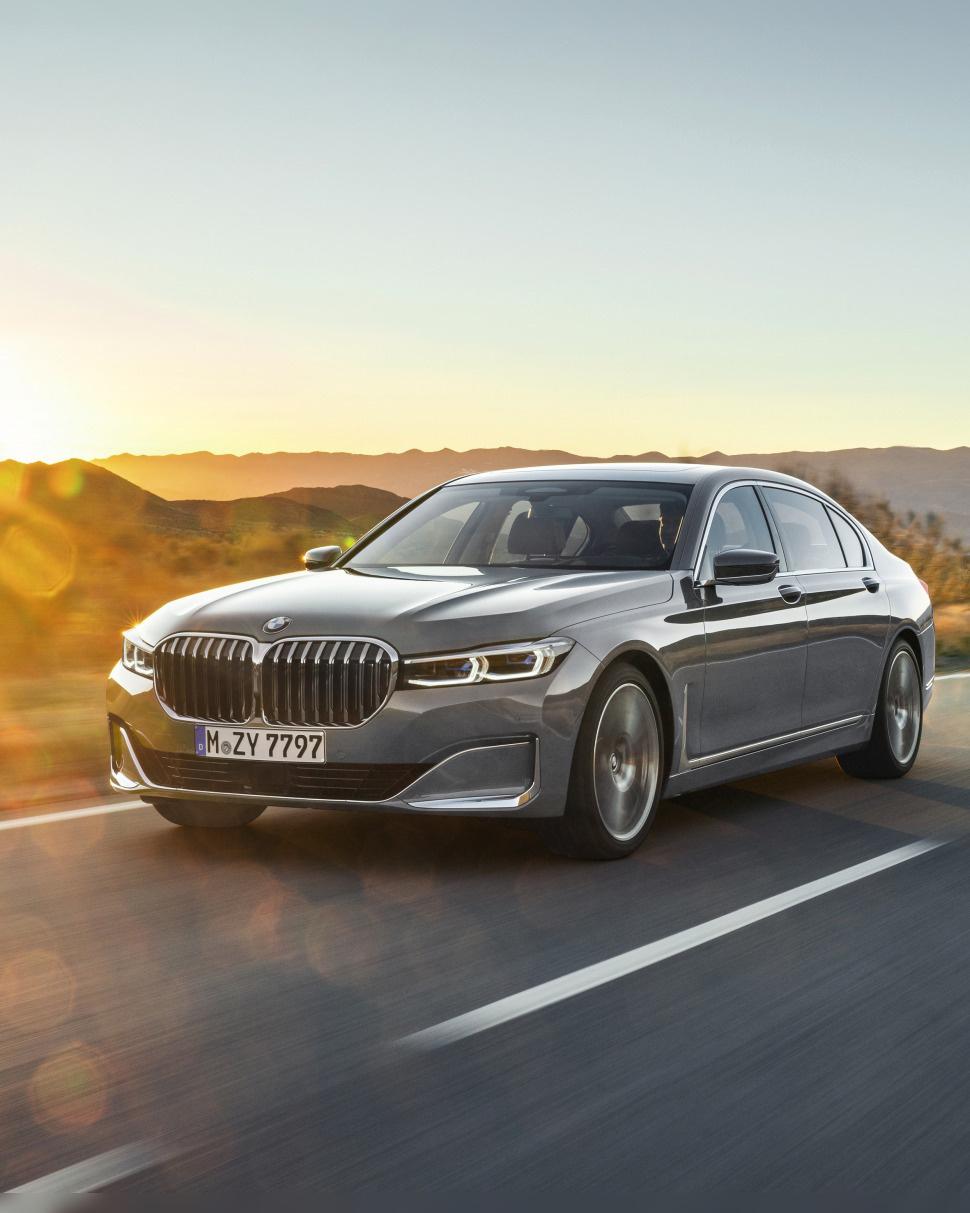
# Vehicles powered by this engine




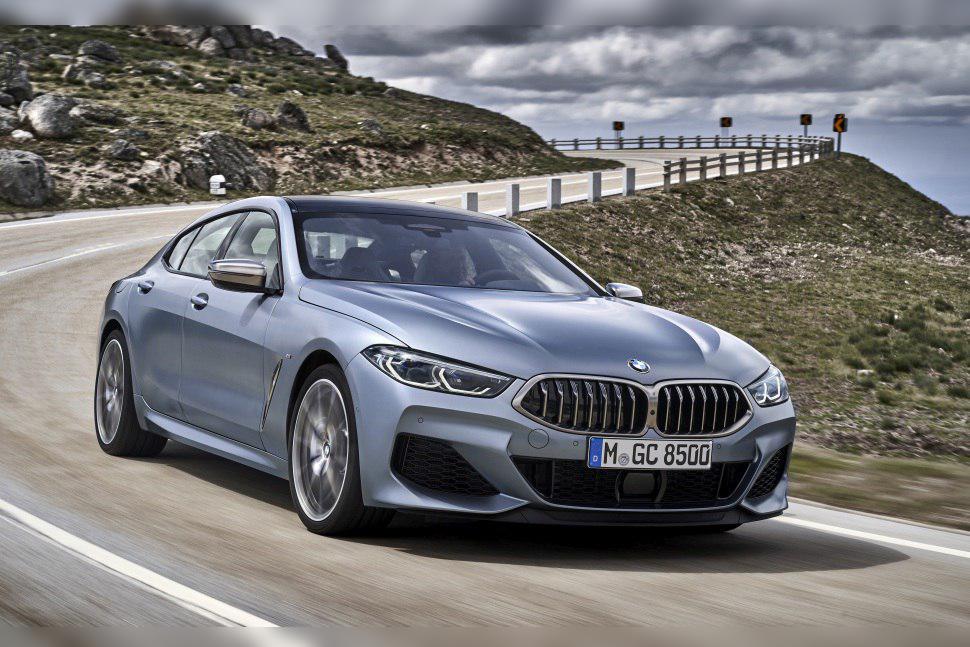
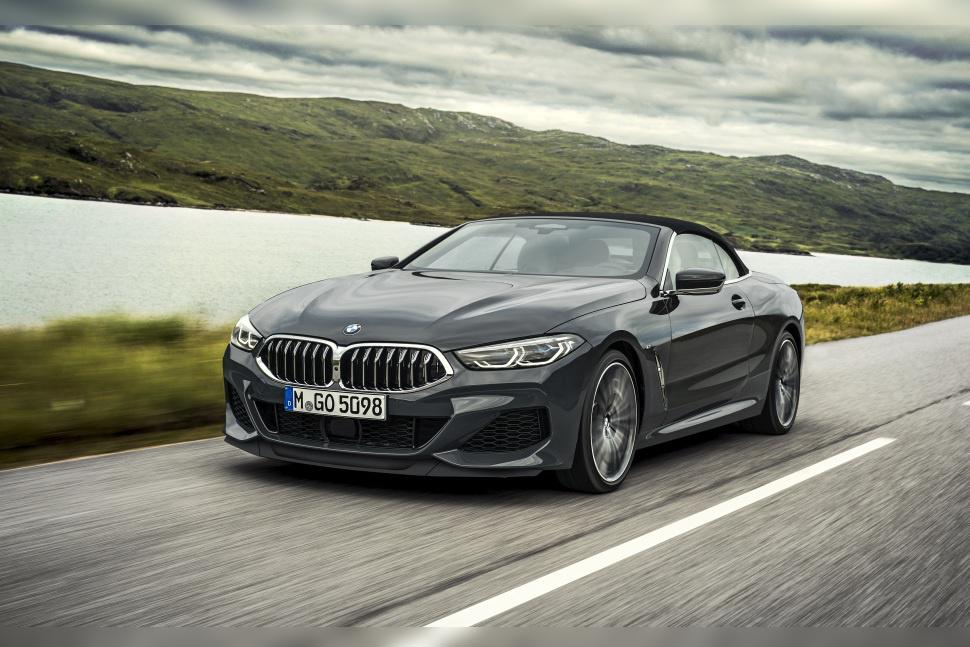
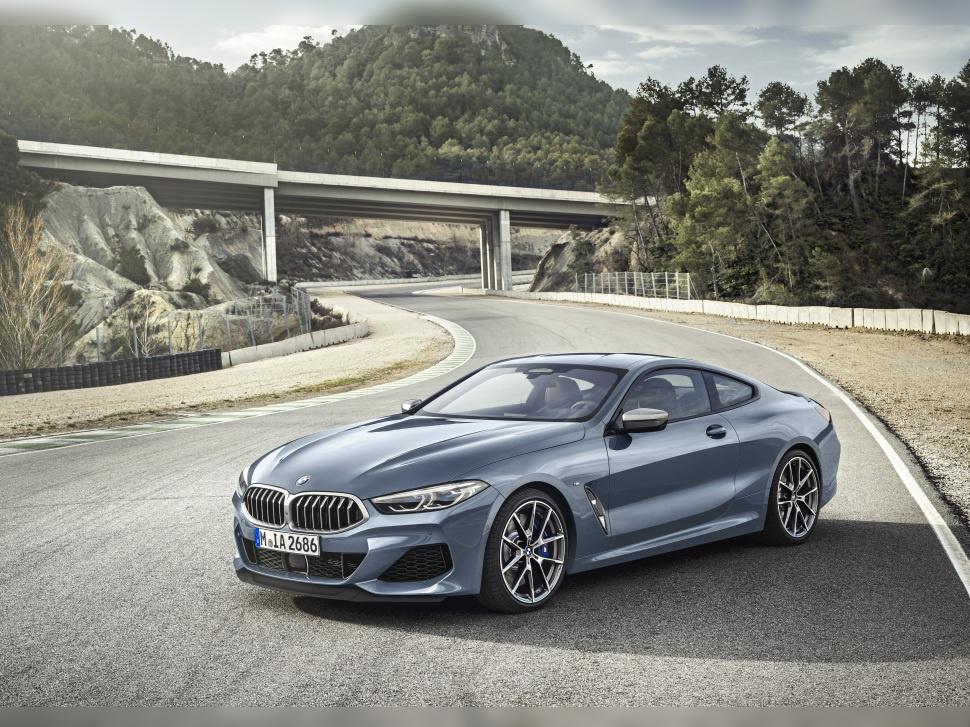
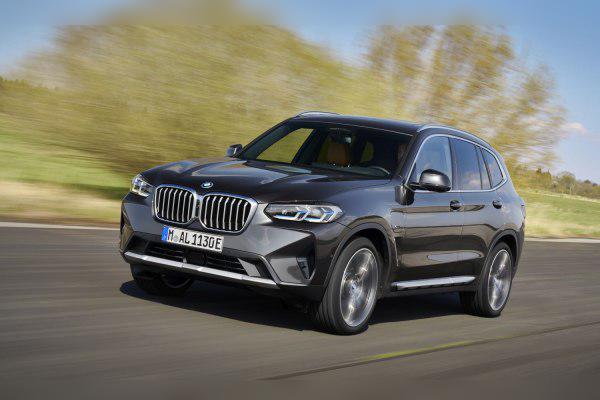

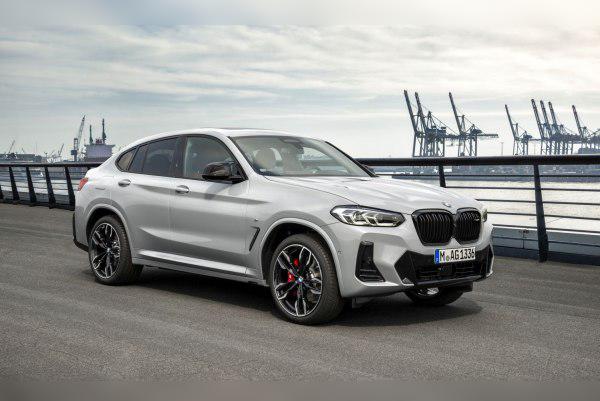
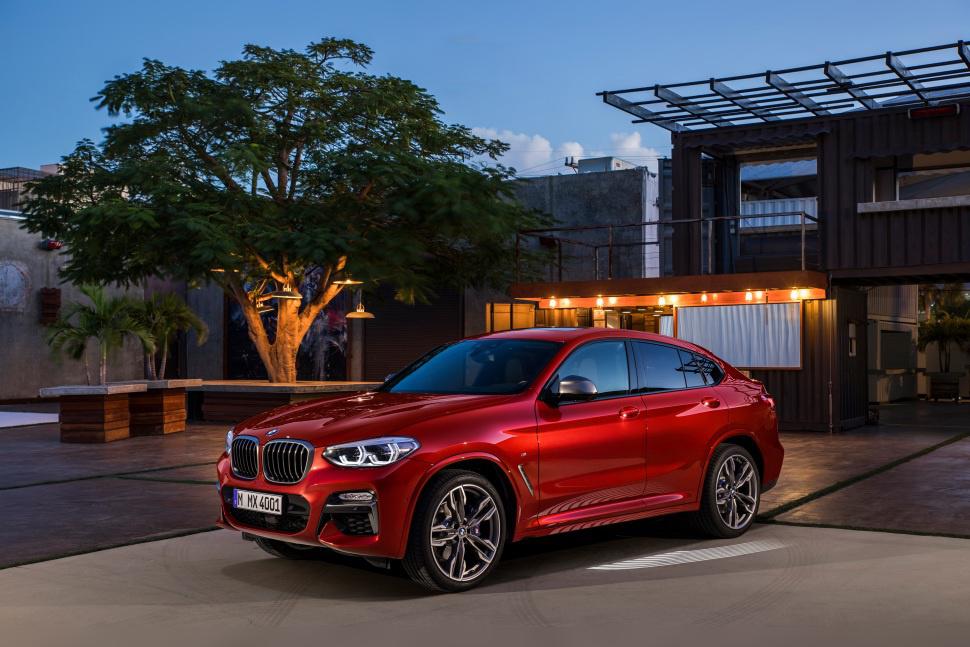


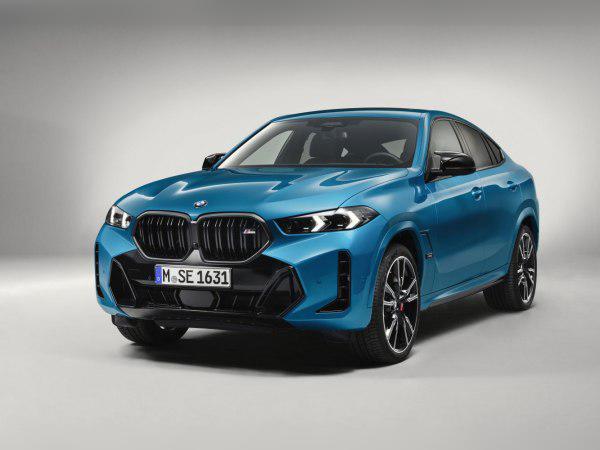


Most important in short (TL;DR)
- Performance and Efficiency: This is one of the best diesel engines of today. The combination of 340 hp and 700 Nm delivers sports-car performance with laughably low fuel consumption on the open road.
- Timing chain: The engine uses a chain that is located at the rear of the engine (towards the cabin). Although it is more durable than on the old N47/N57 engines, replacing it requires removing the engine and is very expensive (depends on the market).
- Complex turbo system: Multi-stage turbocharging (two turbochargers) provides instant response, but increases potential repair costs at high mileage.
- Emissions (AdBlue and EGR): The exhaust aftertreatment system is very complex. The EGR cooler is a well-known weak point (coolant leakage).
- Mild Hybrid (48V): All models with this engine are “mild hybrids”. This improves the start-stop system and coasting, but adds complexity (separate battery and starter-generator).
- Transmission: It comes exclusively with the ZF 8-speed automatic, which is excellent, but requires regular oil changes that the manufacturer often does not emphasize enough.
- Recommendation: Ideal for heavy bodies (X5, X7, 7 Series) and drivers who cover a lot of highway mileage. Not recommended for short city trips.
Contents
- Introduction: B57D30B – The pinnacle of diesel technology
- Technical specifications
- Reliability and Maintenance
- Specific Parts and Costs
- Fuel Consumption and Performance
- Additional Options and Modifications
- Transmission: ZF 8HP
- Buying Used and Conclusion
Introduction: B57D30B – The pinnacle of diesel technology
The engine with the code B57D30B represents the modern evolution of BMW’s inline six-cylinder diesels. It is the successor to the famous N57 series, but brings significant improvements in terms of thermal efficiency, acoustics and, of course, emissions. This is the “beast” that powers models with the 40d or M40d/M340d badges. It is installed in a wide range of vehicles, from the sporty 3 and 4 Series, through 5 and 7 Series sedans, all the way to heavy SUVs like the X5, X6 and X7.
What makes this engine special is the integration of Mild Hybrid (48V) technology, which uses a starter-generator to assist the engine during acceleration and allows the engine to shut off while cruising (coasting). It is an engine that offers truck-like torque with the refinement of a luxury sedan.
Technical specifications
| Characteristic | Data |
|---|---|
| Displacement | 2993 cc (3.0L) |
| Configuration | Inline six-cylinder (R6 / I6) |
| Power | 250 kW (340 hp) / *352 hp in newer LCI X5/X6 |
| Torque | 700 Nm (at 1750–2250 rpm) |
| Engine code | B57D30B |
| Injection type | Common Rail (Piezo injectors, up to 2700 bar) |
| Charging method | Multi-stage Turbo (Two turbochargers: low and high pressure) |
| Hybrid system | Mild Hybrid 48V (Starter-generator 8 kW/11 hp) |
Reliability and Maintenance
Does this engine have a timing belt or a chain?
The B57D30B uses a timing chain. What is important to know is that the chain is located at the rear of the engine, towards the transmission. Although the system is more robust than on the notorious N47 engine, the chain is not eternal. If it stretches and needs to be replaced (which usually happens at mileages over 200,000–250,000 km or due to poor maintenance), the engine or transmission has to come out. This makes the intervention very expensive (labor hours).
What are the most common failures on this engine?
Although the mechanical base of the engine (block, pistons, crankshaft) is extremely strong, the peripherals can cause problems:
- EGR cooler: This is the most well-known issue. The cooler can leak internally, mixing glycol (coolant) with soot, which creates a sticky mass in the intake manifold. In extreme cases, this can lead to the intake manifold melting and even fire (there have been recalls for this). The symptom is coolant loss without visible leaks under the car.
- Soot buildup (carbonization): The intake manifold and swirl flaps are prone to clogging, especially if the car is driven gently (“lugging” the engine).
- Oil leaks: The oil filter housing and oil cooler can start leaking at the gaskets over time.
At what mileage is a major service due?
With chain-driven engines, a classic “major service” like with a belt does not exist at a fixed interval. However, it is recommended to replace the auxiliary belt set (serpentine belt, tensioners, rollers, water pump) at around 150,000 km. The condition of the chain should be checked “by ear” at every service after 200,000 km. Rattling at cold start is the first warning sign.
How many liters of oil does this engine take and which grade is recommended?
The engine takes approximately 6.5 to 7.0 liters of oil (depending on the exact oil pan and drivetrain configuration). The recommended grade is 5W-30 or 0W-30, with the mandatory BMW Longlife-04 (LL04) specification due to the DPF filter. Because of the two turbos and high temperatures, it is strongly recommended to change the oil every 10,000–15,000 km at most, and not at 30,000 km as the on-board computer often suggests.
Does it consume oil between services?
A healthy B57 engine should not consume a significant amount of oil. Consumption of 0.5 liters per 10,000 km is acceptable. If the engine consumes, for example, 1 liter per 2,000 km, this points to a problem with the turbo seals or piston rings (less common).
How long do the injectors last and how reliable are they?
This engine uses Piezo injectors that operate at extremely high pressures (over 2500 bar). They are generally reliable and can last over 200,000 km with good-quality fuel. However, they are extremely sensitive to poor diesel. The first symptoms of failure are rough idle, increased smoke or knocking (detonation) under acceleration. Overhauling piezo injectors is often impossible or unreliable, so replacement with new ones is the only solution, which is expensive (depends on the market).
Specific Parts (Costs)
Does the engine have a dual-mass flywheel?
Since this engine is paired exclusively with an automatic transmission, it does not have a classic dual-mass flywheel like on manual transmissions, which often fails. Instead, it has a flex-plate (drive plate) and a torque converter inside the transmission. This solution is far more durable and is not part of regular maintenance.
Does the engine have a turbocharger (or two) and what is their lifespan?
The 340 hp B57D30B uses two turbochargers (twin-turbo setup). A smaller turbo works at low rpm for quick response, and a larger one takes over at higher rpm for maximum power. Their lifespan is long (often over 250,000 km) with regular oil changes and proper cooldown of the engine before shutting it off. Overhauling this system is complicated and very expensive due to the complex vacuum and actuator control.
Does this model have a DPF filter or EGR valve that often clogs?
Yes, it has both DPF and EGR, plus an SCR catalyst. The EGR valve and cooler are the weakest points (as mentioned). The DPF filter has a large capacity and, if the car is driven mostly on the open road, rarely causes problems before 250,000 km. City driving, however, kills it quickly.
Does this engine use AdBlue, does it cause problems and how is it maintained?
Absolutely yes. This engine meets strict Euro 6d standards and is dependent on AdBlue fluid. The system consists of a tank, heater, pump and dosing injector.
Problems: Crystallization of AdBlue fluid if the car sits for a long time or is driven rarely, which can block the pump or injector. Failure of the AdBlue tank heater is also common in winter. Repairs are expensive because the entire tank module often has to be replaced.
Fuel Consumption and Performance
What is the real fuel consumption in city driving?
Although it is a diesel, this is a large-displacement engine in heavy vehicles (often over 2 tons).
City driving: Expect between 9 and 11 l/100 km. In heavy stop-and-go traffic and in models like the X5/X7, this easily goes up to 12 l/100 km. The mild hybrid system helps here, but it does not perform miracles.
Is this engine “lazy” for the weight of the body it is installed in?
Not at all. With 700 Nm of torque available from just 1750 rpm, this engine “rips up” the asphalt. Even in the heavy BMW X7, acceleration is impressive (0–100 km/h often under 6 seconds, depending on the model). The sensation of power is brutal and instant.
How does the engine behave on the highway and at what rpm does it cruise at 130 km/h?
This is the natural habitat of the B57 engine. On the highway it is quiet, smooth and incredibly economical.
At 130 km/h in 8th gear, the engine runs at about 1500–1600 rpm.
Fuel consumption on the open road: It can drop to an incredible 6.5 to 7.5 l/100 km with normal driving, which gives a range of over 1000 km on a single tank.
Additional Options and Modifications
How much can this engine be safely tuned (“Stage 1”)?
The B57 block is extremely capable when it comes to tuning.
Stage 1 (software only): Around 380–400 hp and 800 Nm of torque can be safely extracted.
However, you should be careful with the DPF filter because increasing power raises exhaust gas temperatures (EGT). The transmission also experiences higher loads, so along with the engine remap it is recommended to adjust the transmission software as well (xHP or similar) so that the torque limiters are properly set.
Transmission
Which manual and automatic transmissions are available with this engine?
With the B57D30B engine in this power variant (340 hp), there is no manual transmission option. All models come exclusively with the ZF 8HP (8-speed Steptronic) automatic transmission and all-wheel drive (xDrive).
What are the most common failures of the automatic transmission?
The ZF 8HP is probably the best automatic transmission on the market. It is very reliable. Still, possible failures include:
- Oil leaks: At the transmission pan (which is plastic and integrated with the filter) or at the mechatronics connector.
- Harsh shifts: Usually a sign of old oil or overheating.
- Mechatronics: Valves (solenoids) can get dirty if the oil is not changed regularly.
At what mileage should the transmission be serviced and the oil changed?
BMW claims that the transmission oil is “lifetime”. Do not believe that. The transmission manufacturer (ZF) recommends changing the oil and pan with filter every 80,000 to 100,000 km. Regular changes drastically extend the life of the transmission and keep shifts smooth. The cost of servicing the transmission falls into the “moderately expensive” category (depends on the market).
Buying Used and Conclusion
What to check before buying?
- Cold start: Listen for chain rattle from the rear of the engine. The noise should disappear after a few seconds; if it keeps rattling, walk away or negotiate the price (expensive repair).
- Coolant level: If the level is low and there are no puddles under the car, suspect the EGR cooler.
- Service history: Check whether the oil was changed every 10–15 thousand km. If the intervals were 30,000 km and the car has 200k+ km, the engine is probably full of deposits and the piston rings may be weakened.
- Diagnostics: Check injector corrections and the condition of the DPF filter (ash saturation).
Conclusion:
The B57D30B (340 hp) is the king of long-distance travel. This is an engine for people who want uncompromising overtaking power, the ability to tow heavy trailers and comfort, without spending a fortune on fuel. If you are buying a used car with this engine, set aside a budget (“rainy day fund”) for potential issues with the EGR, AdBlue system or timing chain, because when this engine does fail, repairs are not cheap. However, as long as it is running properly, it delivers one of the best driving experiences in the world.
Was this content useful to you?
Your opinion helps us to improve the quality of the content.