B48B20B Engine
- Engine
- 1998 cm3
- Aspiration
- Twin-power turbo, Intercooler
- Fuel
- Petrol (Gasoline)
- Fuel injection system
- Direct injection
- Power
- 245 hp
- Torque
- 400 Nm
- Cylinders
- 4
- Valves
- 16, 4 per cylinder
- Cylinders position
- Inline
- Valvetrain
- DOHC
- Oil capacity
- 5.25 l
- Systems
- Start & Stop System, Particulate filter
# Vehicles powered by this engine
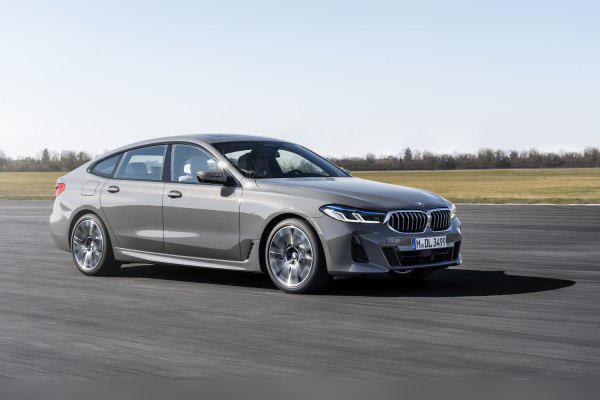
BMW B48B20B (2.0 Turbo 245 HP) – Experiences, problems, fuel consumption and buying tips
Key points (TL;DR)
- Perfect middle ground: With 245 HP and 400 Nm, this is the ideal balance between the efficiency of the 320i and the performance of the six‑cylinder M340i.
- Timing chain: It has a chain located at the rear of the engine (towards the cabin). Although more reliable than its predecessor (N20), replacement is expensive due to its position.
- Cooling system: The weakest point. Plastic housings, hoses and the water pump are prone to leaks after 100,000 km.
- Gearbox: These models come exclusively with the excellent ZF 8‑speed automatic. It requires an oil change every 80,000–100,000 km.
- Direct injection: Not suitable for cheap LPG (autogas) conversions.
- Fuel consumption: Very efficient on the highway (cruising), but in the city it easily goes over 10–11 liters.
- Recommendation: An excellent choice for those who want petrol refinement and sporty performance, but it requires strict maintenance of the cooling system.
Contents
Introduction and engine applications
The engine designated B48B20B is at the heart of BMW’s modern 2‑liter petrol lineup. It is a modular unit that replaced the notorious N20 engine. The B48 belongs to the “B” engine family (together with B38 and B58) and brings significant improvements in terms of thermal management and acoustics. In the 245 HP (180 kW) version, this engine is the sweet spot for drivers who find the base model (often around 184 HP) too weak, while six‑cylinder engines are too expensive to register and maintain.
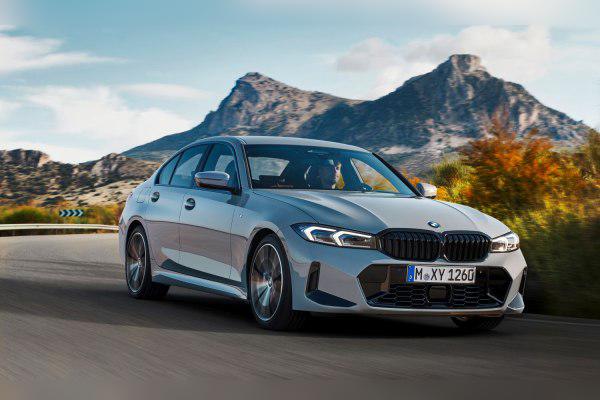
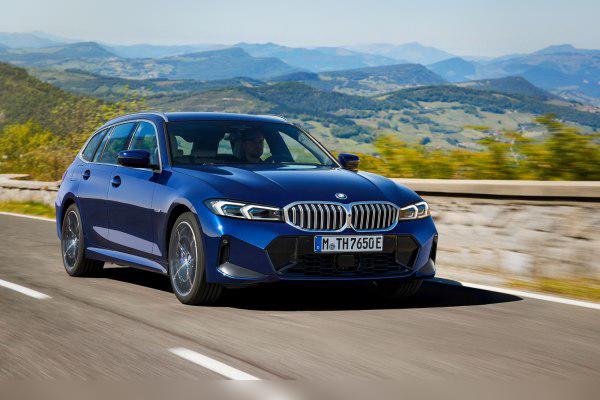
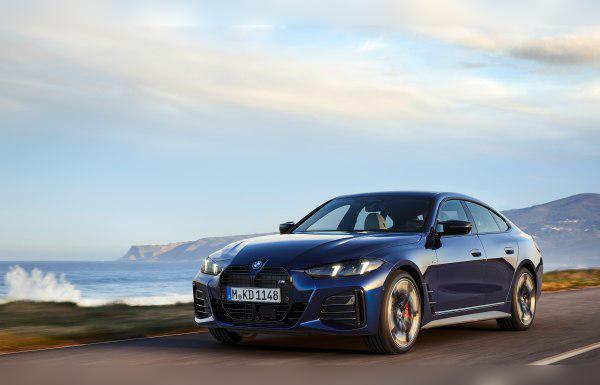
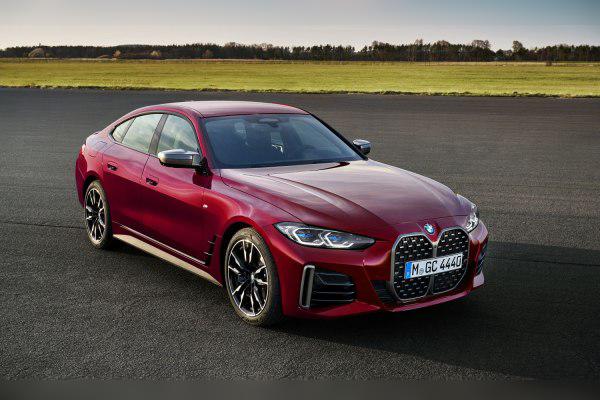
This particular version is installed in facelifted (LCI – Life Cycle Impulse) 3 Series (G20/G21), 4 Series Gran Coupe (G26) and the luxury 6 Series GT. The fact that it powers everything from the 3 Series to the bulky 6 GT speaks volumes about its flexibility and torque.
Technical specifications
| Parameter | Value |
|---|---|
| Engine code | B48B20B |
| Displacement | 1998 cc (2.0 liters) |
| Configuration | Inline 4‑cylinder |
| Power | 180 kW / 245 HP |
| Torque | 400 Nm at 1550–4400 rpm |
| Forced induction | TwinPower Turbo (twin‑scroll turbocharger) |
| Fuel injection | Direct injection (High Precision Injection) |
| Emissions | Euro 6d (equipped with OPF/GPF filter) |
Reliability, maintenance and failures
Timing system: chain or belt?
This engine uses a timing chain. Unlike older generations (N47/N20), the chain on B48 engines is significantly more durable and rarely fails suddenly. However, the engineering decision that complicates life for used‑car owners is the chain’s position – it is located at the rear of the engine, next to the firewall (cabin side). This means that when the time comes for replacement (you usually hear rattling on cold start, most often after 200,000 km, although it depends on oil change intervals), the engine often has to come out or the gearbox has to be removed, which drastically increases labor costs.
Most common failures and symptoms
Although mechanically (pistons, crankshaft) very robust, the B48 suffers from issues with peripheral components:
- Coolant loss: This is problem number one. Plastic thermostat housings, the water pump and return hoses often crack or become porous. Symptom: Frequent dashboard warnings about low coolant level or white stains under the bonnet (dried antifreeze).
- Oil filter housing leaks: The housing is plastic and deforms over time due to heat, causing oil leaks or, in the worst case, mixing of oil and coolant.
- Fuel tank ventilation system (breather line): The valve can fail, causing rough idle.
Service intervals and oil
The factory (CBS system) often recommends service every 30,000 km. Forget that immediately. For long timing chain and turbo life, do minor services every 10,000 to 15,000 km at most. The engine takes about 5.25 to 5.75 liters of oil (always check precisely by VIN, as oil pan volume can vary on xDrive models). The recommended viscosity is usually 0W‑20 or 5W‑30 with BMW Longlife‑17 FE+ or Longlife‑04 specification. A 5W‑30 grade is often a better choice for higher‑mileage engines in warmer climates.
Oil consumption and spark plugs
B48 engines are generally tight and should not consume a significant amount of oil between services. Consumption of 0.5 liters per 10,000 km is acceptable, but if you have to top up a liter every 2–3 thousand km, that points to issues with piston rings, valve stem seals or the turbocharger. Because of direct injection and turbocharging, spark plugs on this engine are replaced more frequently than on naturally aspirated units. The recommendation is to change them every 40,000 to 60,000 km (every third or fourth minor service). Ignoring this can lead to coil (ignition coil) failure.
Specific parts and costs
Fuel injection system
The engine uses direct fuel injection under high pressure. The injectors are piezoelectric and precise, but sensitive to poor fuel quality. They are not as problematic as diesel injectors, but if they fail, they are very expensive (depends on the market, but expect a serious cost per piece). Symptoms of bad injectors include rough running, black smoke from the exhaust (rich mixture) or hard starting.
Turbocharger
It uses a single twin‑scroll turbocharger (TwinPower does not mean two turbos, but two exhaust gas inlets into one turbo). Service life is long, often over 200,000 km with regular oil changes. The biggest enemy of the turbo is shutting off a hot engine immediately after hard driving on the motorway.
GPF, EGR and AdBlue
Since this is a petrol engine:
- It does not use AdBlue fluid.
- Models for the European market (G20/G21 LCI) have an OPF/GPF (gasoline particulate filter). It rarely clogs compared to a diesel DPF because petrol engines run at higher exhaust temperatures, which facilitates passive regeneration.
- It has an EGR system, but it does not cause issues like on diesels, as there is no soot to block it so quickly.
Fuel consumption and performance
City driving and “sluggishness”
Is the engine sluggish? Absolutely not. With 400 Nm of torque available from just 1550 rpm, this engine pulls very strongly, almost like a diesel. In a 3 Series or 4 GC body, acceleration is sporty (around 6 seconds to 100 km/h). Even in the heavier 6 Series GT, the engine is perfectly adequate, although not “race‑car fast”.
Real‑world city consumption: This is where physics takes its toll. Expect between 9.5 and 12 liters per 100 km, depending on traffic and how heavy your right foot is. xDrive adds about 0.5 to 1 liter to this figure.
Highway driving and cruising
On the motorway the B48B20B really shines. Thanks to the 8‑speed gearbox, at 130 km/h the engine spins at a low 1800–2000 rpm (depending on driving mode). Fuel consumption then drops to a pleasant 6.5 to 7.5 l/100 km.
Additional options and modifications
LPG (autogas) conversion
Since this is a direct‑injection engine, LPG conversion is complex and expensive. It requires a system that either uses liquid‑phase gas through the petrol injectors (very expensive) or a system that injects a mixture of petrol and gas to cool the injectors. It is not recommended unless you cover huge mileages, as the cost‑effectiveness becomes questionable.
Chip tuning (Stage 1)
B48 engines are very popular among tuners. The engine has a large power reserve. A safe Stage 1 remap usually raises power from 245 HP to 290–300 HP and torque to about 450–470 Nm. However, keep in mind that increasing power puts additional stress on the plastic components of the cooling system.
Gearbox and drivetrain
Which gearbox is used?
All models mentioned in your query (G20 LCI, G26, G32) combined with this engine come standard with the ZF 8HP (Steptronic) automatic gearbox. The manual gearbox has been practically dropped from the lineup for this power level in newer production years (LCI models).
ZF gearbox reliability and maintenance
The ZF 8HP is considered the best automatic gearbox on the market. It shifts gears seamlessly and quickly. Most common issues: Oil leaks from the gearbox pan (which is plastic and incorporates the filter). Maintenance: Although BMW claims the oil is “lifetime”, the gearbox manufacturer (ZF) strictly recommends changing the oil and pan with filter every 80,000 to 120,000 km. If you do this, the gearbox can last as long as the engine.
Dual‑mass flywheel
Since this is a conventional automatic with a torque converter, it does not have a classic dual‑mass flywheel like manual or DSG gearboxes. It has a flex plate and a converter that perform the vibration‑damping function. This means there is no expensive clutch and flywheel replacement as a wear item at 150–200k km.
Buying used and conclusion
What to check before buying?
- Cold start: Listen to the engine while it is cold. Any rattling lasting longer than 2–3 seconds may indicate a problem with the timing chain or VANOS system.
- Coolant traces: Use a flashlight to inspect the engine bay. White marks on hoses and plastic parts are a sign that the cooling system is starting to fail.
- Gearbox service history: If the car has over 120,000 km and the gearbox oil has never been changed, that is a risk.
- Exhaust smoke: Bluish smoke under hard acceleration or after idling may indicate issues with the turbocharger or valve stem seals.
Final conclusion
The B48B20B (245 HP) engine is probably the best all‑rounder in BMW’s lineup for those who do not want a diesel. It offers more than enough performance for dynamic driving, with acceptable maintenance costs if you exclude the sensitive cooling system. It is aimed at drivers who want refinement, quiet operation and linear acceleration, and who are willing to accept slightly higher fuel consumption in city driving.
Was this content useful to you?
Your opinion helps us to improve the quality of the content.