A16XHT, B16SHL Engine
- Engine
- 1598 cm3
- Aspiration
- Turbocharger, Intercooler
- Fuel
- Petrol (Gasoline)
- Fuel injection system
- Direct injection
- Power
- 170 hp @ 4250 rpm
- Torque
- 260 Nm
- Cylinders
- 4
- Valves
- 16, 4 per cylinder
- Cylinders position
- Inline
- Valvetrain
- DOHC
- Oil capacity
- 5.5 l
- Coolant
- 5.8 l
- Systems
- Start & Stop System
# Vehicles powered by this engine
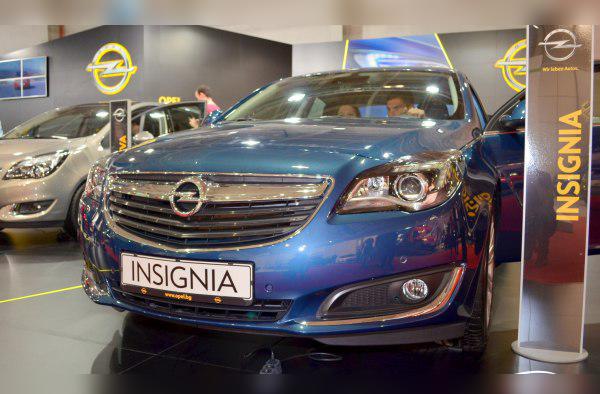
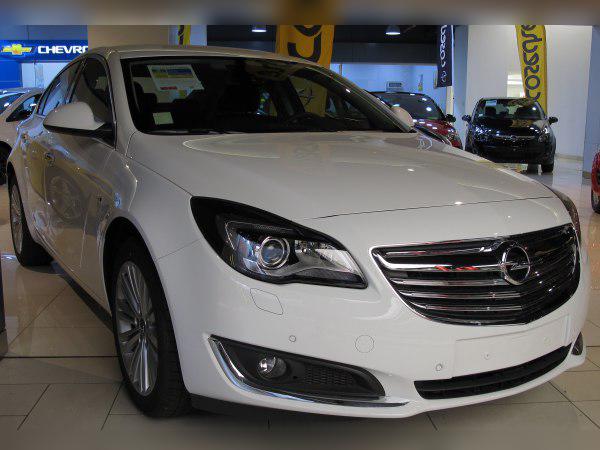
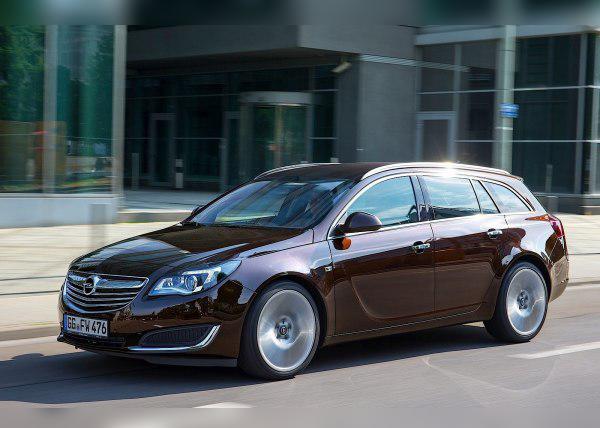
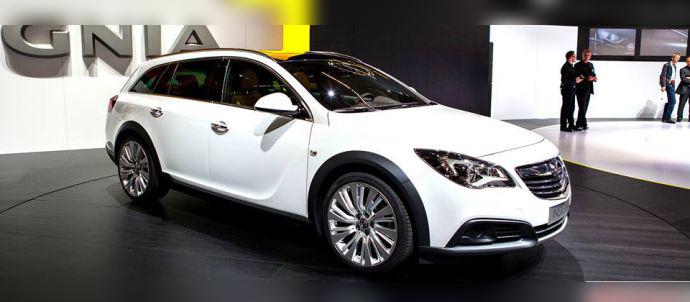

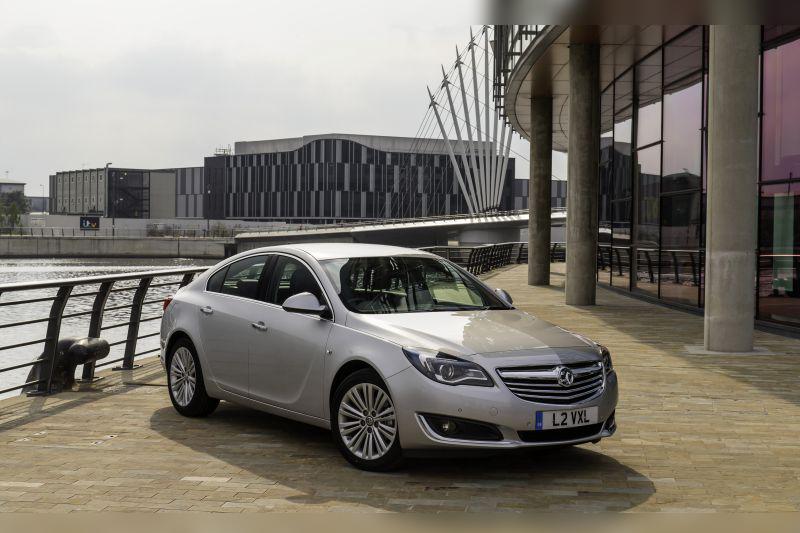
1.6 SIDI Turbo (A16XHT / B16SHL): Experiences, issues and maintenance of the “notorious” Ecotec engine
Key points (TL;DR)
- Biggest issue: These engines are known for LSPI (Low Speed Pre-Ignition), which can lead to piston failure, especially on the A16XHT version.
- Performance: 170 hp is perfectly adequate for the heavy Insignia, offering a good balance between power and fuel economy on the open road.
- Timing drive: Uses a chain. Although designed to be long-lasting, it requires attention and regular oil changes to prevent stretching.
- Oil is crucial: You must use only oil with Dexos 1 Gen 2 or newer specification to prevent engine failure.
- Gearboxes: The manual M32 gearbox requires bearing inspection, while the automatic is comfortable but slower.
- Recommendation: Buy only cars with impeccable service history and proof that the correct oil has been used.
Contents
- Introduction and applications
- Technical specifications
- Reliability, Failures and Maintenance
- Specific parts and Injection system
- Fuel consumption and Real-world performance
- LPG and Tuning
- Gearbox and Drivetrain
- Buying advice and Conclusion
Introduction and applications: Successor to the old turbo unit
The engine in question, with codes A16XHT and B16SHL, belongs to GM’s SIDI (Spark Ignition Direct Injection) generation of engines. It entered the market in 2013, primarily with the facelifted Opel Insignia A. Its task was a tough one: to replace the older but proven 1.6 Turbo (A16LET) and offer lower fuel consumption with better performance.
This is a modern downsized engine with direct injection, which extracts serious torque from a relatively small displacement. Although on paper it looks like a perfect choice for a family sedan, in practice it requires a meticulous owner and specific maintenance in order to avoid expensive failures.
Technical specifications
| Parameter | Data |
|---|---|
| Displacement | 1598 cc (1.6 L) |
| Power | 125 kW (170 hp) at 6000 rpm (some markets 4250 rpm) |
| Torque | 260 Nm (up to 280 Nm with Overboost function) |
| Engine codes | A16XHT, B16SHL (Euro 6 version) |
| Injection system | Direct injection (SIDI) |
| Forced induction | Turbocharger + intercooler |
| Timing drive | Chain |
Reliability and Maintenance
Does this engine have a timing belt or a chain?
This engine uses a timing chain to drive the camshafts. GM used a “silent chain” here to reduce the noise typical of direct-injection engines. Although the manufacturer does not specify a fixed replacement interval (theoretically it is “lifetime”), in practice it is recommended to inspect and, if necessary, replace the complete chain kit (chain, guides, tensioners) between 150,000 and 200,000 km, or earlier if you hear characteristic rattling on cold start.
What are the most common failures on this engine?
This is where we get to the most important part. The most serious issue of the A16XHT engine is piston cracking (usually on cylinder no. 4).
Cause: A phenomenon known as LSPI (Low Speed Pre-Ignition). This is pre-ignition of the mixture at low rpm under high load (e.g. flooring the throttle at 1500 rpm in a high gear). This creates enormous pressure that breaks the ring lands or the piston itself.
Symptoms: The engine loses power, runs rough at idle (misfires), the Check Engine light comes on, and oil consumption increases significantly with bluish smoke. The solution is an expensive full engine rebuild. Opel later released software updates and changed the oil recommendation to mitigate this.
Minor and major service – Intervals and fluids
- Major service (Chain): As mentioned, there is no fixed interval, but preventive replacement is recommended around 150,000 km. If you hear rattling, go to a workshop immediately. The price of the chain kit is moderate, but labour is expensive (varies by market).
- Oil: The engine takes about 5.5 litres of oil.
VERY IMPORTANT: You must use only 5W-30 oil that meets the Dexos 1 Gen 2 standard (or newer Gen 3). This specification is chemically formulated to prevent LSPI. Using the older Dexos 2 oil (intended for diesels) in this engine is a risk! - Oil consumption: These engines can consume some oil, but they should not exceed 0.3–0.5 litres per 1,000 km. If it consumes more, this may indicate an issue with piston rings or the turbocharger.
- Spark plugs: Due to direct injection and sensitivity to poor combustion, change the spark plugs more often than the factory interval. The recommendation is every 30,000 to 40,000 km. Always use original or top-quality replacement plugs (Iridium) recommended for SIDI engines.
Specific Parts (Costs)
Dual-mass flywheel and clutch
Yes, versions with a manual gearbox have a dual-mass flywheel (DMF). Its lifespan is usually between 150,000 and 200,000 km, depending on driving style. Symptoms of failure are knocking when switching the engine off, vibrations on the clutch pedal and rattling at idle that disappears when you press the clutch. The cost of replacing the clutch and flywheel set is considered high (varies by market). Models with an automatic gearbox do not have a dual-mass flywheel, but a hydraulic torque converter.
Injection system and injectors
The system is direct injection (SIDI). The injectors are high-pressure and located directly in the combustion chamber. They are generally reliable but sensitive to poor fuel quality.
Issue: In direct-injection engines, fuel does not “wash” the intake valves. This leads to carbon build-up on the intake valves after a certain mileage (e.g. 100,000+ km), which can reduce power and increase fuel consumption. Cleaning requires removing the intake manifold or using a walnut-shell blasting treatment.
Turbocharger and emissions
- Turbo: The engine has a single turbocharger integrated with the exhaust manifold (on some versions). Service life is long if oil is changed regularly and the engine is not switched off immediately after hard driving. Rebuilding is possible.
- EGR/DPF: Being a petrol engine, it does not have a DPF (Diesel Particulate Filter) in the way diesels do, nor does it use AdBlue. However, newer versions (around 2017/2018) may have a GPF (Gasoline Particulate Filter). Models from 2013–2015 usually do not have a GPF. A catalytic converter is standard. EGR function is often handled via variable valve timing, so there is no classic EGR valve that clogs like on diesels.
Fuel Consumption and Performance
Is the engine “lazy”?
The Insignia is a heavy car (over 1600 kg). Still, 260 Nm of torque available from as low as 1650 rpm means this engine is not lazy. It pulls linearly and decisively. It’s not a sports car engine, but for overtaking and dynamic driving it is perfectly adequate, significantly better than the naturally aspirated 1.8 or the older 1.4 Turbo.
Real-world fuel consumption
- City driving: This is where the weight is felt. Expect between 9 and 11 l/100 km, depending on traffic and how heavy your right foot is. In winter it can go up to 12 l/100 km.
- Motorway: This is the Insignia’s natural habitat. At 130 km/h the engine runs at relatively low rpm (thanks to long gearing in 6th), and consumption is around 6.5 to 7.5 l/100 km.
- Combined: A realistic average for most drivers is about 8.5 l/100 km.
Additional Options and Modifications
LPG installation
Since this is an engine with direct injection, installing LPG is complex and expensive. There are two options:
- A system that injects LPG but periodically adds petrol (to cool the petrol injectors). Consumption is e.g. 80% LPG, 20% petrol. Cost-effectiveness is questionable unless you cover very high mileage.
- A liquid LPG injection system using the petrol injectors (e.g. Prins). This is the best solution, the engine runs 100% on LPG, but installation is very expensive (often over 1000 EUR, depending on the market).
Chiptuning (Stage 1)
The engine can be tuned to about 200 hp and 300 Nm. However, given the sensitivity of the pistons to LSPI, tuning is NOT recommended unless you are prepared to accept the risk or you install forged pistons. Increasing boost and fuel pressure can accelerate catastrophic piston failure if the map is not done to a very high standard.
Gearbox
Manual gearbox (M32)
This engine is often paired with the notorious M32 6-speed manual. Although facelift models (after 2012/13) received a revised version with better oil channels and larger bearings, it is still a weak point.
- Failure symptoms: Whining noise in 5th and 6th gear, gear lever movement when applying/releasing the throttle.
- Maintenance: It is recommended to change the gearbox oil every 60,000 km. Many specialists fill slightly more oil than the factory specifies (e.g. 2.4–2.6 litres) for better bearing lubrication.
Automatic gearbox
The automatic is a conventional hydraulic GM 6-speed gearbox (usually the 6T45 series).
- Reliability: Generally more reliable than the manual if maintained properly. It is not as fast as DSG/S tronic, but shifts smoothly.
- Maintenance: Oil changes are mandatory every 60,000 km (by flushing or at least partial replacement). If the oil is not changed, the valve body (mechatronics) fails. Rebuilding the automatic is very expensive.
Buying Used and Conclusion
Before buying an Opel Insignia with the 1.6 SIDI engine, make sure to do the following:
- Cold start: Listen to the chain during the first 3–5 seconds. There must be no metallic rattling.
- Test drive: Accelerate hard from low rpm (e.g. 4th gear, 1500 rpm). The engine should pull smoothly, without hesitation. Hesitation can be a sign of issues with spark plugs, coils, or the beginning of piston problems.
- Compression test: This is the best check. If compression on one cylinder (usually the fourth) is lower, walk away from that car – the piston is probably cracked.
Conclusion: The Opel Insignia 1.6 Turbo (170 hp) is a fantastic long-distance cruiser. It is comfortable, quiet and sufficiently powerful. However, the A16XHT/B16SHL engine carries a specific risk (pistons) that must not be ignored. This car is intended for drivers who are ready to invest in high-quality maintenance (Dexos 1 Gen 2 oil, frequent spark plug changes, good fuel). If you are looking for a “fill up and drive” car with cheap maintenance, the 2.0 CDTI diesel in this generation of the Insignia is, for better or worse, still the safer and more robust option.
Was this content useful to you?
Your opinion helps us to improve the quality of the content.