B14NET Engine
- Engine
- 1364 cm3
- Aspiration
- Turbocharger, Intercooler
- Fuel
- Petrol (Gasoline)
- Fuel injection system
- Multi-port manifold injection
- Power
- 140 hp @ 4900-6000 rpm
- Torque
- 200 Nm @ 1850-4900 rpm
- Cylinders
- 4
- Valves
- 16, 4 per cylinder
- Cylinders position
- Inline
- Valvetrain
- DOHC, VVT
- Oil capacity
- 4 l
- Coolant
- 6.2 l
- Systems
- Start & Stop System
# Vehicles powered by this engine




Engine 1.4 Turbo (B14NET) 140 hp: Experiences, issues, fuel consumption and used car buying guide
Key points (TL;DR)
- Great base for LPG: Thanks to port fuel injection, this is one of the last modern turbo engines that handle LPG very well.
- Timing chain instead of belt: It has a chain, but it’s not eternal. Expect replacement at higher mileage.
- Problematic M32 gearbox: If paired with the manual transmission, the bearings are a weak point (whining in 5th and 6th gear).
- Coolant leaks: Plastic thermostat housings and expansion tanks are prone to cracking.
- PCV valve: Frequent issue with the membrane in the valve cover, causing rough idle and a “whistling” sound.
- Performance: Lively in Meriva and Mokka, while in Insignia and Zafira it feels a bit “lazy” unless kept in higher revs.
- Recommendation: An excellent choice for drivers who want a petrol engine with cheaper maintenance than a diesel, and who drive moderate annual mileage.
Contents
- Introduction and applications
- Technical specifications
- Reliability and maintenance
- Specific parts and costs
- Fuel consumption and performance
- Additional options and LPG
- Gearbox: manual and automatic
- Used car buying tips and conclusion
Introduction and applications
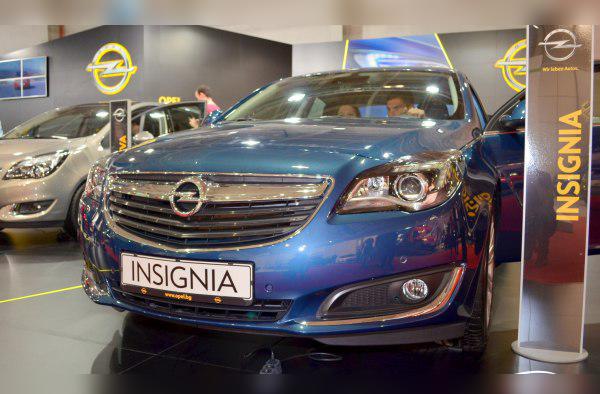
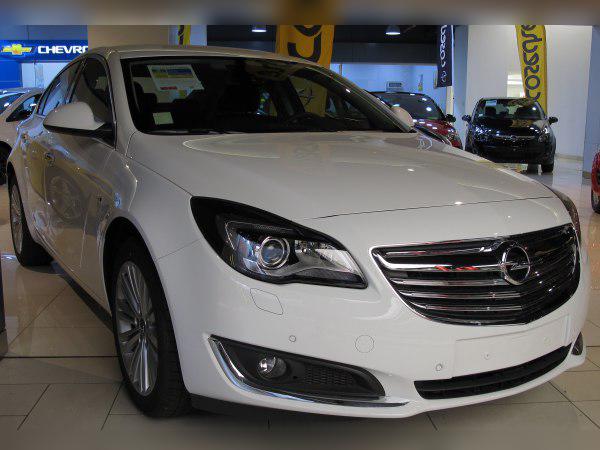
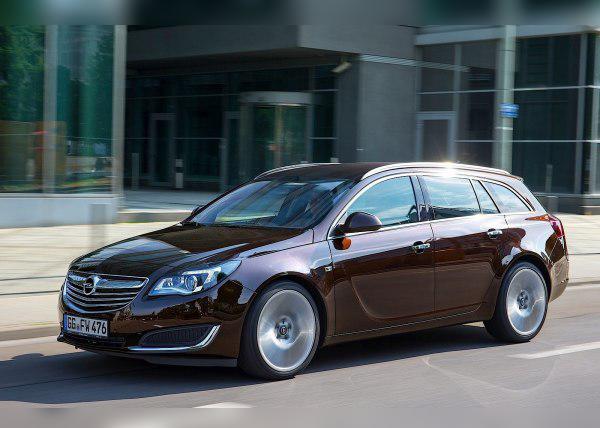
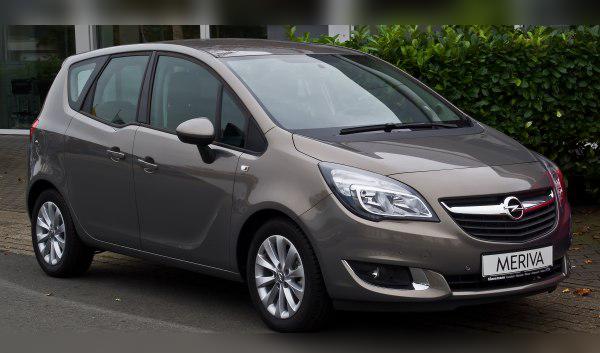
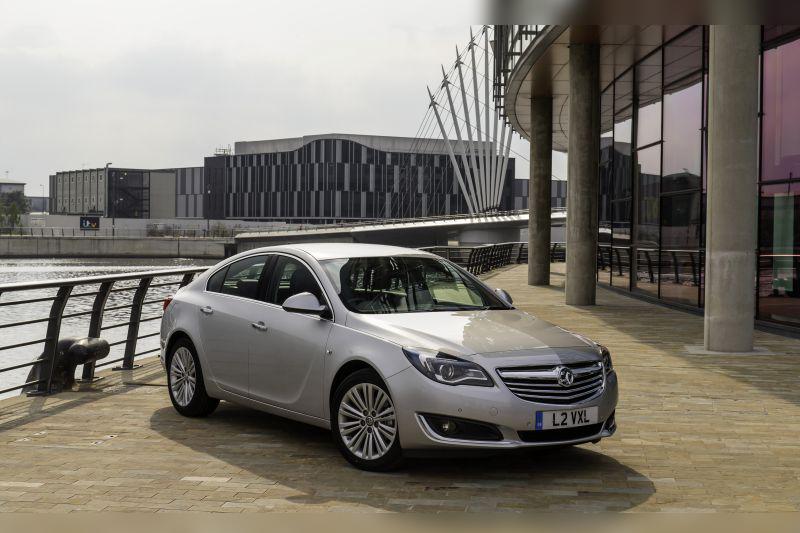
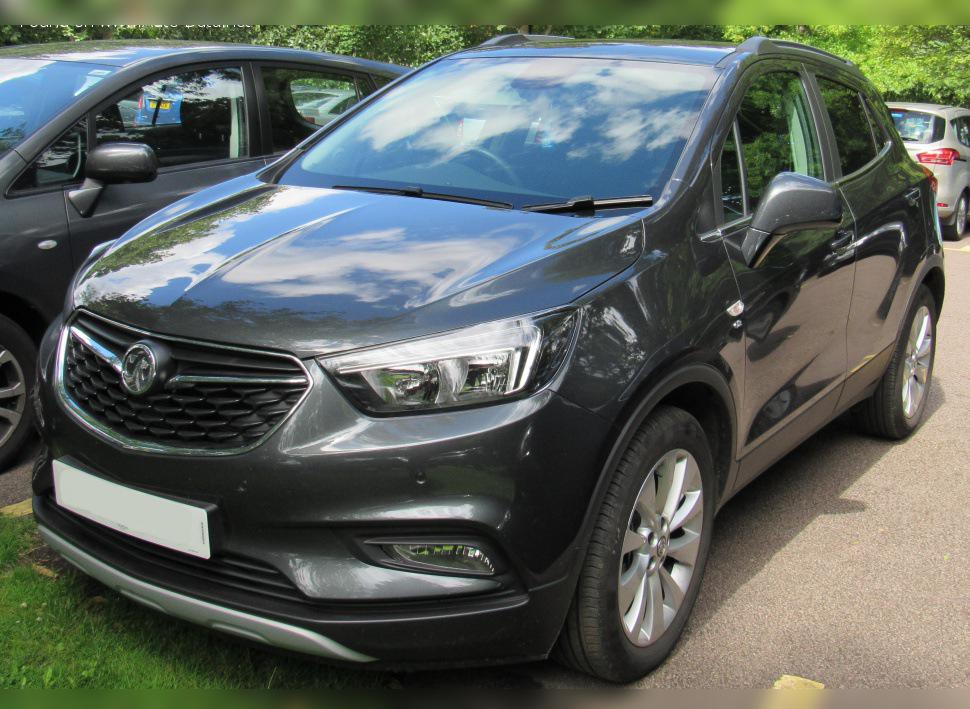
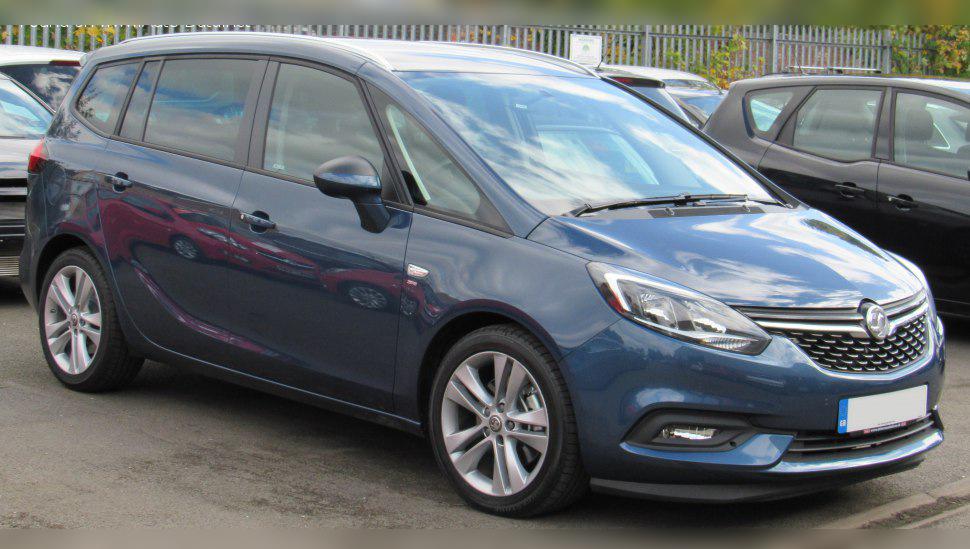
The engine designated B14NET (often also found as A14NET in older Euro 5 versions, with minimal hardware differences) is Opel’s answer to the era of downsizing. The goal was to replace the old, proven but sluggish naturally aspirated 1.8 engines. This unit was installed in a wide range of vehicles, from the compact Meriva and popular SUV Mokka, all the way to heavy cruisers such as Insignia and Zafira Tourer.
Unlike many competitors of that time, Opel went for simplicity here. They kept port fuel injection, which made this engine a favorite among drivers who want to install an LPG system and still get decent torque thanks to the turbocharger.
Technical specifications
| Specification | Value |
|---|---|
| Engine displacement | 1364 cc (1.4 L) |
| Power | 103 kW / 140 hp |
| Torque | 200 Nm at 1850–4900 rpm |
| Engine codes | B14NET, A14NET (LUJ in GM nomenclature) |
| Injection type | Multi-point (port injection into the intake manifold) |
| Charging | Turbocharger + intercooler |
| Number of cylinders / valves | 4 cylinders / 16 valves |
Reliability and maintenance
Does this engine have a timing belt or a chain?
The B14NET engine uses a timing chain. Although it was intended to last the lifetime of the engine, in practice that’s not always the case. The chain is generally more reliable than on some competing engines (e.g. early VW TSI units), but stretching can occur.
What are the most common failures on this engine?
This engine has several characteristic weak spots you need to pay attention to:
- PCV valve membrane failure: This is the most common issue. The crankcase ventilation valve is integrated into the valve cover. When the membrane tears, the engine starts to run rough, the “Check Engine” light comes on, and you often hear a loud whistling sound. The solution is usually to replace the entire valve cover.
- Cooling system: The plastic components are of poor quality. The thermostat housing, coolant junctions and expansion tank often crack due to age and heat cycles, which leads to coolant loss.
- Cracks in the turbo housing: The exhaust manifold section near the turbo can crack. Symptoms include exhaust smell in the cabin or power loss if the crack is large.
- Ignition coils: They often fail, causing engine misfire (“running on 3 cylinders”). Usually it’s a single coil pack that covers all four spark plugs.
At what mileage is the major service due?
Since the engine has a chain, the classic “major service” is not done at a fixed interval like with a belt. However, the auxiliary belt kit (belt, tensioner, idlers) and water pump should be replaced at around 100,000 to 120,000 km or every 6–8 years. The condition of the chain should be checked (by sound) after 150,000 km. If you hear rattling on cold start lasting longer than 2–3 seconds, the chain is due for replacement.
How many liters of oil does this engine take and which grade is recommended?
The sump holds approximately 4.0 liters of oil. The recommended grade is 5W-30. It is extremely important to use oil that meets the GM Dexos1 Gen 2 (or newer Gen 3) standard. This is crucial to prevent LSPI (Low Speed Pre-Ignition), a phenomenon that can destroy pistons in turbo petrol engines.
Does it consume oil between services?
A healthy B14NET should not consume a significant amount of oil. Consumption up to 0.5 liters per 10,000 km is considered acceptable. If it uses more, first check the above-mentioned PCV valve in the intake manifold or possible leaks at the turbo. Increased oil consumption is not a factory trait as with some other manufacturers, but a sign of a fault.
At what mileage should the spark plugs be replaced?
The recommendation is to replace the spark plugs every 30,000 to 60,000 km. If you run the engine on LPG, shorten the interval to 30,000 km. Use only iridium or platinum plugs recommended for turbo engines.
Specific parts (costs)
Does this engine have a dual-mass flywheel?
Yes, it has a dual-mass flywheel. Even though it’s a petrol engine, it needs a dual-mass flywheel to dampen vibrations and ensure smooth driving at low revs where torque is high. The cost of replacing the clutch kit with the flywheel is high (depends on the market), but they usually last longer than on diesels, often over 180,000 km, because petrol engines generate fewer vibrations.
What kind of injection system does it have and are the injectors problematic?
The system is port injection (MPI). The injectors are very reliable, cheap to maintain and not sensitive to lower-quality fuel. This is a huge advantage over direct injection engines, as there are no issues with carbon buildup on the intake valves.
Does this engine have a turbocharger and what is its lifespan?
It has a single turbocharger integrated with the exhaust manifold. Its lifespan is solid, usually over 200,000 km with regular oil changes. Its biggest enemy is switching off a hot engine immediately after fast driving (the oil cokes in the turbo bearings).
Does this model have a DPF filter or EGR valve?
This engine does not have a DPF filter because it’s a petrol unit (GPF filters only appeared with newer generations of direct injection engines). It does have an EGR system, but it rarely clogs because petrol burns cleaner than diesel. EGR problems are rare.
Does this engine use AdBlue?
No, this engine does not use AdBlue fluid.
Fuel consumption and performance
What is the real fuel consumption in city driving?
This is where many people get disappointed. Although it’s a “small” 1.4 engine, in heavy bodies (Insignia/Zafira weigh over 1.5 tons), city consumption is high.
Real city consumption: 9.0 – 11.0 l/100 km. In winter and heavy traffic it can go up to 12 liters.
Is this engine “lazy” for the weight of the car?
It depends on the model:
- Opel Meriva B / Mokka: The engine is perfectly adequate, even peppy.
- Opel Insignia / Zafira Tourer: The engine is on the limit. It’s perfectly sufficient for normal driving, but overtaking requires dropping down a gear (or even two). The lack of displacement is noticeable when the car is fully loaded with passengers and luggage. It’s not “lazy” in the sense that it can’t move, but it does need revs.
How does the engine behave on the motorway?
On the motorway it behaves very civilised. Thanks to the 6-speed gearbox, at 130 km/h the engine runs at about 2700–3000 rpm (depending on model and wheel size). The cabin is quiet. Fuel consumption on the open road at 130 km/h is around 7.5 – 8.5 l/100 km.
Additional options and modifications
Is this engine suitable for LPG conversion?
Absolutely yes. This is one of the best modern engines for LPG conversion. Thanks to port injection, installation is simple, cheaper (standard sequential systems) and the engine handles LPG very well. There were factory LPG versions with reinforced valves and valve seats, but even standard petrol versions can cover hundreds of thousands of kilometres on LPG without issues, with the possible use of a valve lubrication system as a precaution.
How far can this engine be safely tuned (Stage 1)?
The B14NET has plenty of headroom. A safe Stage 1 remap raises power to about 160–170 hp and torque to 250–260 Nm. The difference in driving is dramatic, especially in heavier models like the Insignia, as the car pulls much more easily from low revs. Before remapping, be sure to check the condition of the turbo and cooling system.
Gearbox
Which gearboxes are fitted?
- Manual: 6-speed gearbox, code M32.
- Automatic: 6-speed conventional automatic (torque converter), code GM 6T40 / 6T45.
Most common gearbox issues?
Manual (M32): This is the Achilles’ heel of this drivetrain. The bearings in the gearbox are prone to wear.
Symptoms: The gear lever moves back and forth when you press and release the throttle (especially in 1st and 5th gear), or you hear whining/humming in 5th and 6th gear. Overhaul involves replacing the bearings and costs (market-dependent – moderately expensive).
Automatic: Generally reliable if the oil is changed regularly. They’re not the fastest in the world, but they are comfortable. Possible issues include solenoid faults or overheating if the oil is not changed.
At what mileage should the gearbox be serviced?
- Manual: The manufacturer says the oil is “lifetime”, but in practice: change the oil every 60,000 km. Mechanics often recommend filling 0.2–0.3 liters more than the factory spec so that the 5th and 6th gear bearings are better lubricated.
- Automatic: Mandatory oil change every 60,000 km.
Used car buying guide and conclusion
What should you check before buying?
- Cold start: Listen for chain rattle lasting longer than 2 seconds.
- Gearbox (on a test drive): Shift into 6th gear at about 80–100 km/h, lift off the throttle, then press it sharply. If the gear lever “moves around”, the bearings are due for replacement. Listen for whining noises.
- Engine (idle): If the engine idles unevenly or you hear a high-pitched whistle, the membrane in the valve cover has likely failed. Pull out the dipstick while the engine is running – if the sound changes dramatically or the engine wants to stall / there is strong vacuum, that confirms a PCV issue.
- Coolant tank: Check for traces of coolant leaks (pink/red deposits) around hoses and the thermostat housing.
Conclusion
The 1.4 Turbo (B14NET) engine is one of the most sensible choices for a used Opel buyer. It offers a good balance between maintenance costs and performance. It’s not perfect (cooling system, M32 gearbox), but its failures are predictable and cheaper to fix than those on modern diesels (no DPF, no expensive injectors, no high-pressure fuel pump). If you’re looking for a car for city driving and occasional trips, and you want the option of cheap LPG running, this is the engine for you.
Was this content useful to you?
Your opinion helps us to improve the quality of the content.