15DTR Engine
- Engine
- 1488 cm3
- Aspiration
- Turbocharger
- Fuel
- Diesel
- Fuel injection system
- Precombustion chamber injection
- Power
- 72 hp @ 4600 rpm
- Torque
- 143 Nm @ 2600 rpm
- Cylinders
- 4
- Valves
- 8, 2 per cylinder
- Cylinders position
- Inline
- Valvetrain
- SOHC
- Oil capacity
- 4.5 l
- Coolant
- 6.3 l
# Vehicles powered by this engine
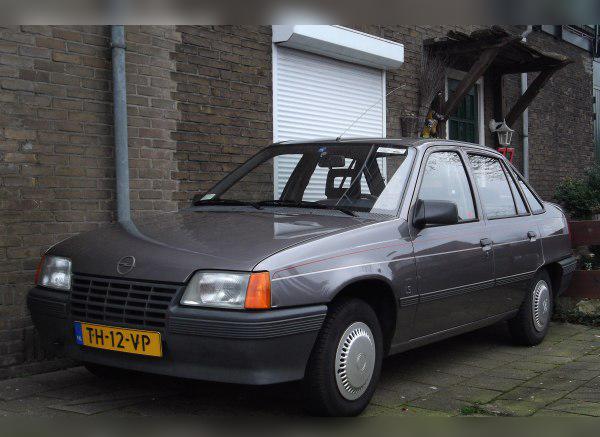
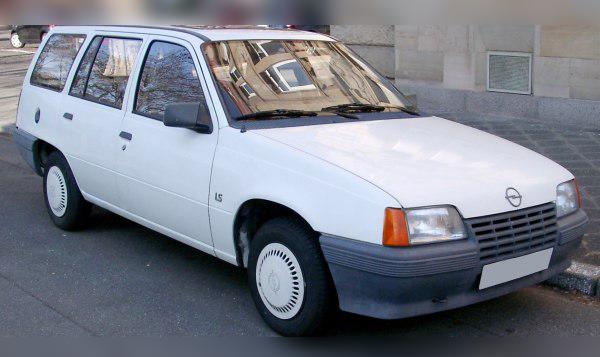
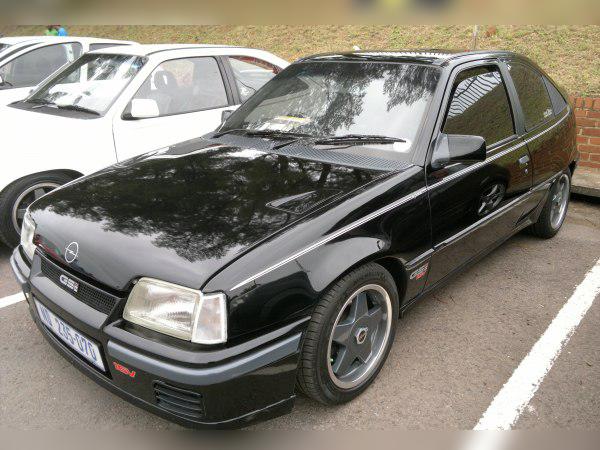
15DTR (1.5 TD): Experiences, issues, fuel consumption and maintenance – A legend from Isuzu’s workshop
Most important in short (TL;DR)
- Isuzu origin: This is not an Opel engine, but a durable Japanese unit (Isuzu 4EC1 series) known for the longevity of its bottom end.
- Performance: With 72 hp in the light Kadett E body, this was one of the peppiest diesels of its time.
- Cooling is the Achilles’ heel: The cooling system is often undersized for hard driving, which can lead to overheating and blown head gaskets.
- Alternator: The specific position and integrated vacuum pump on the alternator are a common source of problems and oil leaks.
- Cheap maintenance: No dual-mass flywheel, no DPF, no complicated electronics.
- Recommendation: An excellent engine for enthusiasts and those who want “old school” mechanics, provided the car’s body is in good condition.
Contents
Introduction and applications
The engine designated as 15DTR, better known among enthusiasts as the “Isuzu 1.5 Turbo Diesel”, is one of the most interesting power units ever installed in the Opel Kadett E (known as “Suza” in our region). In the late eighties and early nineties, this engine was a revolution compared to the old, sluggish naturally aspirated diesels (such as the 1.6D).
Thanks to the cooperation between General Motors and Isuzu, Opel received a compact yet strong turbo diesel engine that offered performance almost on par with contemporary petrol engines, with drastically lower fuel consumption. Although it seems archaic today, this engine set the standard for small turbo diesels. It was installed in hatchback, estate and sedan versions of the Kadett, and later its derivatives found their way into the Corsa B and Astra F.
Technical specifications
| Parameter | Value |
|---|---|
| Name / Engine code | 15DTR (Isuzu 4EC1-T) |
| Displacement | 1488 cc (1.5 L) |
| Power | 53 kW / 72 hp at 4600 rpm |
| Torque | 143 Nm at 2600 rpm |
| Injection type | Indirect injection (Bosch pump, pre-chamber) |
| Charging method | Turbocharger (intercooler on some variants) |
| Number of cylinders / valves | 4 cylinders / 8 valves (OHC) |
Reliability and maintenance
Timing system (Major service)
The 15DTR engine uses a timing belt to drive the camshaft and high-pressure pump. This is a classic design, but it requires discipline. The recommended replacement interval used to be 90,000 km, but given the age of these cars and the quality of today’s parts, it is advisable to do the major service every 60,000 km or 5 years at most. A snapped belt on this engine causes piston-to-valve contact, which is economically unviable to repair nowadays.
Most common faults and issues
Although the mechanical part (pistons, crankshaft) is extremely durable, the peripherals can cause trouble:
- Overheating and head gasket: Due to the compact design and high thermal efficiency, if the cooling system is not perfect (old radiator, faulty thermostat), the engine easily overheats. The symptom is “mixing of oil and coolant” or very hard pressure in the coolant hoses. The cylinder head is made of aluminum and is prone to warping.
- Alternator and vacuum pump: This is a specific weak point of Isuzu engines. The brake vacuum pump is located on the rear of the alternator. Oil often leaks through the pump’s seal directly into the alternator windings, destroying it. Also, the oil feed and return hoses to this pump often crack.
- Valve clearances: This engine does not use hydraulic lifters, but shims (buckets) for valve adjustment. Owners often forget about this. If the engine is hard to start when cold or rattles, the clearances need checking (mechanics call this “adjusting the valves”).
Oil and oil consumption
This engine takes about 4.5 to 5 liters of oil (depending on whether the filter is changed). The recommended grade is 10W-40 (semi-synthetic), although older engines with larger clearances also tolerate good quality 15W-40 mineral oil well, especially in summer. As for oil consumption, these engines are tolerant. Consumption of 0.5 to 0.8 liters per 1000 km is considered acceptable on old, heavily used examples, although a healthy engine should not exceed 200 ml. The most common causes of increased consumption are valve stem seals that have hardened with age or worn piston rings if the engine is “run into the ground”.
Injectors
The system uses classic mechanical injectors. They are extremely durable and not as sensitive to poorer fuel quality as modern common-rail systems. They can last over 200,000 km without intervention. When they wear out, symptoms include black smoke under acceleration and uneven running. Refurbishment involves replacing the injector nozzles, which is very cheap compared to modern diesels.
Specific parts and costs
Dual-mass flywheel and clutch
Good news: This engine does NOT have a dual-mass flywheel. It uses a classic solid flywheel. A clutch kit (pressure plate, disc, release bearing) is affordable and falls into the category of cheaper repairs (Price: not expensive, depends on the manufacturer).
Turbocharger
The engine uses a simple turbocharger (usually IHI or Garrett) without variable geometry. These turbos are very robust. If the oil is changed regularly and the engine is not switched off immediately after hard driving, the turbo often outlives the engine itself. Symptoms of failure are a high-pitched whine (like a siren) and bluish smoke from the exhaust.
Emissions (DPF, EGR, AdBlue)
This is an engine from the “golden age” of simplicity:
- DPF filter: NONE.
- AdBlue: NONE.
- EGR valve: Present on some variants (depending on market and year), but purely mechanical (pneumatic). It often clogs with soot, which chokes the engine. It is easy to clean or physically block off (a common practice on older vehicles used off public roads).
Fuel consumption and performance
City driving
In city driving conditions, an Opel Kadett with this engine consumes between 6.0 and 7.5 liters of diesel per 100 km. In winter this figure may increase slightly.
Is the engine “sluggish”?
Absolutely not, by the standards of its class and era. The Kadett E is a light car (around 900–1000 kg). With 72 hp and, more importantly, 143 Nm of torque available relatively low down, the car is very lively in urban conditions. It is noticeably quicker off the line than the regular 1.6D engine.
Motorway and cruising
On the open road, fuel consumption drops to 4.5–5.5 liters. However, the gearbox is usually geared short for better acceleration. At 130 km/h, the engine revs quite high (often over 3000 rpm), which creates noise in the cabin. The ideal cruising speed for the longevity of this engine is around 110–120 km/h.
Additional options and modifications
Chip tuning (Stage 1)
It is important to note: This engine cannot be “chipped” via laptop. It does not have an engine ECU that controls injection in a modern way. However, “tuning” is possible using old-school mechanical methods:
- Increasing boost pressure on the turbo (wastegate modification).
- Mechanical adjustment of the injection pump (“turning up” the fuel and adjusting the LDA diaphragm).
With these methods, power can be raised to about 85–90 hp, which makes the car very fast (a true “pocket rocket”). However, this drastically increases exhaust gas temperatures (EGT) and the risk of cracking the cylinder head or melting pistons if not done professionally.
Gearbox
With the 15DTR engine in the Kadett E, a 5-speed manual gearbox (type F13 or F15, depending on the year) was almost exclusively fitted. Automatic gearboxes with this small diesel were extremely rare or practically non-existent in most of Europe.
- Maintenance: According to factory specifications, the gearbox oil is not changed often, but it is recommended to replace it every 80,000–100,000 km. Gear oil of grade 75W-90 or original GM red oil is used.
- Most common faults: Opel gearboxes from that era have issues with gear selection. Plastic and rubber parts in the linkages (“shifter linkage” and “dogbone”) deteriorate, so the gear lever gets excessive play and gears are hard to engage. A linkage repair kit is cheap. The gearbox itself is mechanically durable, but the second-gear synchro can fail due to aggressive driving.
- Clutch replacement: On the Kadett, the clutch can be replaced relatively easily (“through the inspection window” on the bellhousing on certain gearbox models, without removing the whole gearbox), which reduces labor costs.
Buying used and conclusion
If you are considering buying a Kadett with the 15DTR engine, keep in mind that the youngest example is over 30 years old.
What you must check:
- Cold start: The engine must start quickly. If it cranks for a long time, compression is poor or the glow plugs are not working.
- Bubbles in the coolant reservoir: Open the coolant expansion tank while the engine is running. If you see bubbles or smell exhaust gases, the head or gasket has failed. Walk away from such a car.
- Bodywork (suspension mounts and beams): The engine will probably outlive the body. Check the rear arches, sills and the areas where the control arms are mounted (the so‑called “strut towers”).
- Alternator: Check whether it is oily.
Verdict: The Opel Kadett 1.5 TD was the “GTI among diesels” of its time. Today it is a classic that offers incredibly cheap motoring. It is intended for people who can fix small things themselves and want a simple car without electronics. If you find an example with solid bodywork and an engine that does not “blow” (excessive crankcase pressure), it is an excellent buy for local driving or as a workhorse.
Was this content useful to you?
Your opinion helps us to improve the quality of the content.