B57 Engine
- Engine
- 2993 cm3
- Aspiration
- Twin-power turbo, Intercooler
- Fuel
- Diesel
- Fuel injection system
- Diesel Commonrail
- Power
- 340 hp @ 4400 rpm
- Torque
- 700 Nm
- Cylinders
- 6
- Valves
- 24, 4 per cylinder
- Cylinders position
- Inline
- Valvetrain
- DOHC
- Oil capacity
- 7 l
- Systems
- Start & Stop System, Particulate filter
# Vehicles powered by this engine

BMW B57 (340 hp) – Experiences, problems, fuel consumption and used car buying guide
Key points (TL;DR)
- Performance: With 700 Nm and 340 hp, this engine is a real “locomotive” – it pulls hard from low revs, regardless of vehicle weight.
- Timing chain: It uses a timing chain located at the rear of the engine. It is more reliable than on the older N57 engines, but replacement is expensive because the engine has to be removed.
- EGR cooler: The most notorious weak point. Coolant often leaks internally, which can lead to serious failures or even fire (there have been multiple recalls).
- Mild Hybrid: The 340 hp versions are mostly 48V mild hybrids, which means more complex electronics but a smoother start-stop system.
- Gearbox: It comes exclusively with the fantastic ZF 8-speed automatic. It requires regular oil changes every 80,000 km, even though BMW claims it is “lifetime fill”.
- Recommendation: An ideal engine for those who cover high mileage on open roads. For city driving it is overkill and the DPF/EGR system will suffer.
Contents
- Technical specifications
- Reliability and maintenance
- Specific parts and costs
- Fuel consumption and performance
- Additional options and modifications
- Gearbox
- Buying used and conclusion
Introduction
The BMW B57 is an inline six-cylinder diesel engine that sits at the very top of the three‑liter diesel class. It is the successor to the famous but sometimes problematic N57 engine. The version we are talking about today, with 340 hp and 700 Nm, is specifically tuned for high performance with the help of multi‑turbo technology and a 48‑volt mild hybrid system.
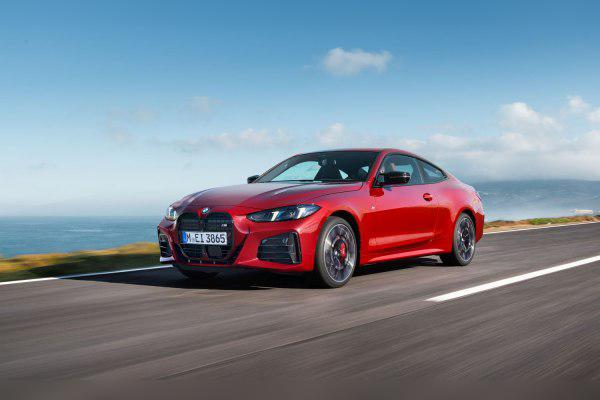
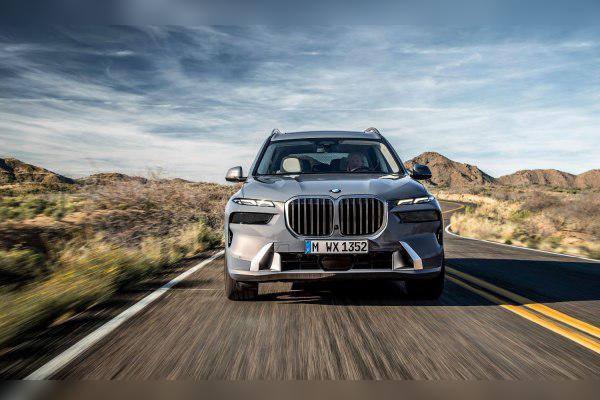
This powerplant is installed in prestigious models such as the facelifted 4 Series (G22/G23 LCI) in the M440d variant, as well as the massive X7 (G07 facelift) badged as 40d. Its role is to reconcile the seemingly impossible: sports‑car acceleration with fuel consumption worthy of a family hatchback. Although it is a technological marvel, its complexity requires an owner who understands the needs of a modern diesel.
Technical specifications
| Specification | Data |
|---|---|
| Engine displacement | 2993 cc (3.0 L) |
| Configuration | Inline six-cylinder (R6) |
| Power | 250 kW (340 hp) + 8 kW (11 hp) MHEV |
| Torque | 700 Nm |
| Engine code | B57D30T0 / B57 (mild hybrid variants) |
| Injection type | Common Rail (piezo injectors, up to 2500+ bar) |
| Charging | TwinPower Turbo (multi‑stage: low and high pressure) |
Reliability and maintenance
Timing chain or belt?
The B57 engine uses a timing chain. The good news is that BMW has significantly improved chain quality compared to the previous N‑series. However, the chain is still located at the rear of the engine (towards the cabin/gearbox). Although it rarely fails before 200,000 km, if it starts to stretch (you can hear rattling at cold start), replacement requires removing the engine from the car, which is a very expensive job (cost depends on the market, but labor hours are the biggest factor).
Most common failures
Although the mechanical base of the engine (block and head) is extremely strong, the peripherals cause issues:
- EGR cooler: This is its Achilles’ heel. The cooler often cracks internally, letting coolant into the intake manifold. Symptoms are disappearing coolant with no visible leaks under the car. Combined with soot, this can create a flammable mixture in the intake (fire risk). BMW has issued recalls for this, so make sure your car is covered.
- Soot build‑up in the intake: Like every modern diesel with direct injection, the intake manifold and valves get dirty over time. This leads to power loss and rough running. “Walnut blasting” cleaning is recommended at around 100,000 km.
- Oil leaks: The oil filter housing and valve cover can start leaking with age, leaving oil spots.
Service intervals and oil
The major service (timing chain replacement) is not time‑based; it is done as needed (noise/stretch), usually between 200,000 and 250,000 km. Minor services should be done more frequently than the factory suggests.
The engine takes approximately 6.5 to 7.0 liters of oil (depending on the exact sump and drivetrain variant). The recommended viscosity is 5W‑30 or 0W‑30 with BMW Longlife‑04 or BMW Longlife‑12 FE specification.
Oil consumption: The B57 is known as a “dry” engine if everything is healthy. Between two services you should not need to top up more than 0.5 to 1 liter. Higher consumption usually points to issues with the turbochargers or the PCV valve (oil separator), and less often to piston rings.
Injectors
This engine uses advanced piezo‑electric injectors operating at extremely high pressures (over 2500 bar). They are very precise but sensitive to poor fuel quality. In general they are durable and can last over 200,000 km without issues. Symptoms of failure include rough idle, increased smoke or hard starting. Refurbishing these injectors is often impossible or unreliable, so they are usually replaced with new ones, which is expensive (cost depends on the market).
Specific parts (costs)
Dual‑mass flywheel: Yes, this engine, even when paired with an automatic gearbox, uses a dual‑mass flywheel (or an elastic plate/damper specific to automatics). It is not as failure‑prone as on manual gearboxes because the torque converter absorbs most vibrations, but replacement can still be needed at high mileage.
Turbochargers: The 340 hp version uses a multi‑stage turbo system (often called twin‑turbo, although technically it can be a sequential setup with two different‑sized turbos). The smaller turbo works at low revs for quick response, and the larger one takes over at higher revs. Their lifespan is long with regular oil changes, but if they fail, the cost is very high because they are usually replaced as a complete unit.
Emissions systems (DPF, EGR, AdBlue):
- DPF and EGR: If the car is driven mostly on open roads, they will last over 250,000 km. City driving kills them. The EGR valve clogs with soot, which triggers fault codes and puts the engine into limp mode.
- AdBlue: The engine uses an SCR system with AdBlue fluid. The system is sensitive. Common failures include heaters in the AdBlue tank or the dosing pump/injector. Repairs usually mean replacing entire modules (expensive). Maintenance is limited to regularly topping up quality fluid.
Fuel consumption and performance
City driving: Here, weight plays a key role.
In the BMW 4 Series, you can expect city consumption of around 8 to 9.5 l/100 km, thanks to the mild hybrid system which often shuts the engine off while decelerating.
In the massive BMW X7, realistic city consumption is 10 to 12 l/100 km (or more in heavy traffic).
Is the engine lazy? Absolutely not. With 700 Nm of torque available from just 1750 rpm, this engine “catapults” even the heavy X7. The sense of power is brutal and instant. This is one of the rare engines where vehicle weight is almost unnoticeable during in‑gear acceleration.
Motorway: This is the B57’s natural habitat. At 130 km/h in 8th gear, the engine spins at an extremely low 1500–1700 rpm (depending on the final drive ratio).
Open‑road consumption: 4 Series: 5.5–6.5 l/100 km. X7: 7.5–9 l/100 km (due to aerodynamics).
Additional options and modifications
Remap (Stage 1): The B57 responds extremely well to tuning because it is heavily over‑engineered from the factory.
A Stage 1 remap safely raises power to around 380–400 hp and torque to nearly 800 Nm.
Warning: The gearbox (ZF 8HP75 or similar) is rated for 750–800 Nm. Pushing torque beyond that can shorten gearbox life. Also keep an eye on exhaust gas temperatures (EGT) because of the DPF.
Gearbox
With this engine (340 hp version) there is no manual gearbox option. The standard fitment is the renowned ZF 8HP (Steptronic) 8‑speed automatic.
Reliability and issues: This is probably the best automatic gearbox on the market. Mechanical failures are rare.
Potential problems: Oil leaks from the gearbox pan (which is plastic and integrated with the filter) or from the mechatronics connector sleeve.
Gearbox maintenance: BMW claims the gearbox oil is “lifetime fill”. Do not follow this advice. The gearbox manufacturer (ZF) recommends changing the oil and filter (pan) every 60,000 to 100,000 km (depending on driving style). Regular oil changes are crucial for smooth shifting and for the gearbox to last 300,000+ km without overhaul. The cost of a gearbox oil service falls into the “moderately expensive” category, but it is an investment that pays off.
Buying used and conclusion
Before buying a BMW with the 340 hp B57 engine, pay attention to the following:
- Cold start: Listen to the engine when it is completely cold. Any rattling from the rear of the engine (near the wipers) in the first 3–5 seconds points to a timing chain issue.
- Coolant level: Check the coolant expansion tank. If the level is low and there are no visible external leaks, there is a high chance the EGR cooler is leaking.
- Diagnostics: Check the DPF differential pressure and injector correction values. High DPF pressure means the car has been driven mostly in the city and that the filter is near the end of its life.
- Service history: Insist on proof of oil changes at a maximum of every 15,000 km. Cars that followed 30,000 km service intervals are a riskier purchase.
Conclusion: The 340 hp B57 is an engineering masterpiece. It offers sports‑car performance with fuel consumption that is laughably low for this level of power. It is ideal for drivers who cover a lot of motorway miles and want a huge power reserve. However, maintenance is expensive (premium segment), and the emissions system and complex turbo setup require a meticulous owner and high‑quality fuel.
Was this content useful to you?
Your opinion helps us to improve the quality of the content.