B47D20B Engine
- Engine
- 1995 cm3
- Aspiration
- Twin-power turbo, Intercooler
- Fuel
- Diesel
- Fuel injection system
- Diesel Commonrail
- Power
- 197 hp @ 4000 rpm
- Torque
- 400 Nm
- Cylinders
- 4
- Valves
- 16, 4 per cylinder
- Cylinders position
- Inline
- Systems
- Start & Stop System, Particulate filter
# Vehicles powered by this engine
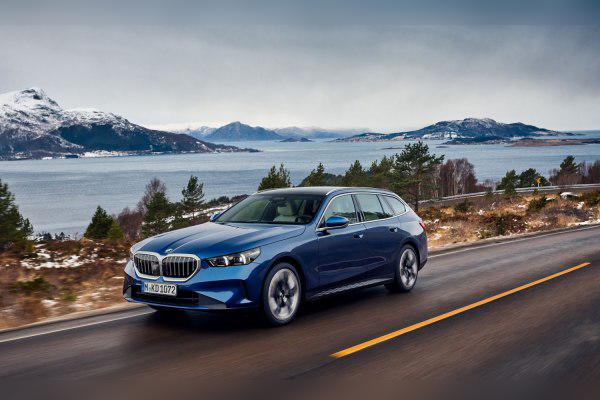
BMW B47D20B 2.0d (197 hp) – Experiences, problems, fuel consumption and maintenance
Key points (TL;DR)
- More reliable than its predecessor: The B47 has solved most of the catastrophic issues of the old N47 engine, but the timing chain is still on the “wrong” side.
- Mild Hybrid technology: This 197 hp version comes with a 48V system that reduces fuel consumption and improves the start-stop system, but adds complexity to maintenance.
- Long-distance cruiser: This is not an engine for short city trips. The DPF and AdBlue systems need open road to properly “breathe”.
- Faultless gearbox: It comes exclusively with the ZF 8-speed automatic, which is probably the best transmission on the market right now.
- EGR cooler: Still a weak point that needs to be checked regularly due to the risk of coolant leaks.
- Recommendation: An ideal choice for those who drive more than 25,000 km per year, mainly on motorways.
Contents
- Technical specifications
- Reliability and maintenance
- Specific parts (costs)
- Fuel consumption and performance
- Additional options and modifications
- Gearbox
- Used car buying guide and conclusion
The engine with the code B47D20B represents the latest evolution of BMW’s two-litre diesel. It is installed in the latest 5 Series (G60/G61), and the key difference compared to older B47 engines is the integration of the 48-volt Mild Hybrid (MHEV) system. This engine is no longer “just a diesel”, but a complex powertrain where the electric motor helps the diesel run quieter, smoother and more efficiently. Although it is considered one of the best four-cylinder diesels in the world, the complex technology also brings specific maintenance requirements.
Technical specifications
| Parameter | Data |
|---|---|
| Engine code | B47D20B |
| Displacement | 1995 cc |
| Power | 145 kW (197 hp) + 8 kW (11 hp) electric boost |
| Torque | 400 Nm (at 1500–2750 rpm) |
| Injection type | Common Rail (Solenoid/Piezo up to 2500+ bar) |
| Charging | TwinPower Turbo (Variable geometry) + intercooler |
| Hybrid system | 48V Mild Hybrid (starter-generator) |
Reliability and maintenance
Does this engine have a timing belt or a chain?
The B47D20B engine uses a timing chain. As with its notorious predecessor (N47), the chain is located at the rear of the engine (towards the gearbox/cabin). Although the system has been significantly improved and chains no longer snap as often as they did 10–15 years ago, the location is still problematic.
Symptoms and prevention: If you hear metallic rattling or rhythmic scraping on cold start (a “shhh-shhh” sound), it is a sign that the chain has stretched. Due to the chain’s position, replacement requires removing the engine or gearbox, which makes labour extremely expensive. With regular oil changes, the expected chain life is over 200,000 km, but driving style has a big influence.
What are the most common failures on this engine?
The most common issues are not related to the engine block itself (the “heart” is strong), but to the peripherals:
- EGR cooler: This is the Achilles’ heel of B47 engines. The cooler can leak internally, mixing coolant with exhaust gases, creating deposits that can cause an intake manifold fire (there have been many recalls). A typical symptom is coolant loss without any visible leak under the car.
- Soot build-up in the intake: Although better solved than before, the intake manifold and swirl flaps can get clogged, choking the engine.
- NOx sensors and AdBlue system: Emissions-related electronics are sensitive. Faults in the sensors can limit engine power.
- 48V system electronics: Since this is a Mild Hybrid, there is an additional battery and a starter-generator. Failures are rare, but if they occur, repairs are expensive and require specialised workshops.
At what mileage is a major service required?
With chain-driven engines there is no fixed “major service” interval as with belts. The chain is replaced when needed (when it becomes noisy). However, it is recommended to thoroughly check the condition of the chain and tensioners at around 180,000–200,000 km. The auxiliary (serpentine) belt that drives the peripherals and its tensioners should be replaced at around 100,000 km or every 5 years.
How many litres of oil does this engine take and which grade is recommended?
The engine takes approximately 5.5 to 6.0 litres of oil (always check the exact amount when filling, as sumps can differ on xDrive models).
The recommended grade is 0W-30 or 5W-30. The most important thing is that the oil meets the strict BMW Longlife-12 FE or BMW Longlife-04 specification. Due to the DPF filter, using the wrong oil can permanently damage the exhaust aftertreatment system.
Does it consume oil between services?
B47 engines are known for being very “tight”. Oil consumption of up to 0.5 litres per 10,000 km is considered normal, especially if driven aggressively on the motorway. If the engine consumes more than 1 litre within a service interval, it points to a problem with the turbocharger or piston rings/valve stem seals.
How long do the injectors last and how reliable are they?
The B47D20B uses modern piezo or electromagnetic high-pressure injectors (over 2000 bar). They are very reliable and often last over 250,000 km.
Failure symptoms: Rough idle, increased smoke under acceleration, or hard starting. Their main enemy is poor-quality fuel. Given the very high pressures, refurbishment is often impossible or not cost-effective, so they are usually replaced with new ones (which is expensive).
Specific parts (costs)
Does the engine have a dual-mass flywheel?
Yes, it has a dual-mass flywheel. Although this engine in the G60/G61 is paired exclusively with an automatic gearbox, the flywheel is still there to smooth out the vibrations of the four-cylinder diesel. In automatics it lasts significantly longer than in manuals because there are no “shock” loads from the driver, but when it does need replacement, the cost is high (very expensive, depending on the market).
Does this engine have a turbocharger (or two) and what is their lifespan?
The “TwinPower Turbo” badge often confuses buyers. In the 197 hp (20d) version, this engine usually uses a single turbocharger with variable geometry (VGT). In some earlier high-output versions there were two turbos, but the B47D20B in the G60 series relies on one very efficient turbo supported by the 48V electrical system, which helps to “iron out” turbo lag.
Lifespan is excellent, often over 250,000 km with regular oil changes and proper cool-down of the engine before switching it off after fast driving.
Does this model have a DPF filter or an EGR valve that often clogs?
Yes, it has both, plus an EGR cooler.
DPF (Diesel Particulate Filter): If you mostly drive in the city, the DPF can clog as early as 150,000 km. Symptoms include frequent regenerations (elevated idle speed, burning smell, cooling fan running after the engine is switched off).
EGR valve: Prone to soot build-up. It can often be cleaned instead of replaced, but the EGR cooler is a critical component that usually needs replacement (check with an authorised dealer whether the car is covered by a recall).
Does this engine have AdBlue and does it cause problems?
Yes, this engine meets Euro 6d (or newer) standards and necessarily uses AdBlue (SCR system).
Problems: The biggest issue is urea crystallisation if the car is left standing for long periods or is driven very rarely. This can destroy the AdBlue pump or injector. Repairing this system is expensive (often the entire tank with pump has to be replaced). It is recommended to use anti-crystallisation additives every time you fill up AdBlue.
Fuel consumption and performance
What is the real fuel consumption in city driving?
The BMW G61 Touring is a large and heavy car (over 1800 kg). Despite the help of the Mild Hybrid system, in heavy city traffic you can realistically expect between 7.0 and 8.5 l/100 km. If it is an xDrive version and the weather is cold, consumption can go up to 9 litres. Do not trust the factory figures that claim 5 litres – those are measured in laboratory conditions.
Is this engine “lazy” for the weight of the body it is installed in?
With 197 hp and 400 Nm, this engine is not lazy. The 48V electric motor adds torque instantly, masking the weight when moving off from a standstill. It accelerates to 100 km/h in about 7.3 seconds, which is more than enough for dynamic driving. It is not a sports engine like the 3.0d straight-six, but you will never feel underpowered in traffic.
How does the engine behave on the motorway and at what rpm does it cruise at 130 km/h?
This is the engine’s natural habitat. Thanks to the 8-speed gearbox, at 130 km/h the engine spins at an extremely low 1700–1900 rpm. The cabin is very quiet. On the open road at these speeds, fuel consumption can drop to an impressive 5.0–6.0 l/100 km. Overtaking is easy because the gearbox drops gears instantly and torque is available early.
Additional options and modifications
How far can this engine be safely tuned (Stage 1)?
The B47D20B has power reserves. With a Stage 1 remap, power can be increased to around 225–235 hp and torque to 450–470 Nm.
Warning: Be very careful. This engine has a complex 48V system and interconnected sensors. A poor map can confuse the hybrid system or cause the DPF to overheat. Also, since the G60/G61 is a new model, any software “tinkering” will certainly void the factory warranty. The gearbox (ZF 8HP) can easily handle this power increase.
Gearbox
Which manual and automatic gearboxes are available with this engine?
In the 5 Series (G60/G61), there is no manual gearbox option. All models come exclusively with the 8-speed Steptronic automatic gearbox (manufactured by ZF). In some variants it comes as “Sport Steptronic” with paddle shifters on the steering wheel for faster shifts.
What are the most common automatic gearbox issues?
The ZF 8HP is the industry standard for reliability. Failures are extremely rare. If problems do occur, they are usually oil leaks from the gearbox sump (which is plastic) or “jerking” during shifts if the oil has never been changed. The electronics (mechatronics) rarely fail, but repairs are expensive (depending on the market).
At what mileage should the gearbox be serviced and the oil changed?
BMW officially claims that the gearbox oil is “lifetime”. Do not follow this advice if you plan to keep the car after the warranty period. The gearbox manufacturer (ZF) recommends changing the oil and sump with filter every 80,000 to 120,000 km. This is crucial for the longevity of the gearbox.
Used car buying guide and conclusion
What to check before buying?
- Cold start: Listen to the chain. Any rattling from the rear of the engine is a red flag.
- Coolant level: If the level is low and there are no puddles under the car, suspect the EGR cooler.
- Service history: Check whether the oil was changed every 30,000 km (bad) or every 15,000 km (excellent).
- Diagnostics: Check the DPF status (soot loading) and whether there are any faults related to the 48V system.
Final conclusion
The BMW B47D20B in the G61 body is an outstanding piece of engineering. It is an engine that offers an almost perfect balance between performance and efficiency. The Mild Hybrid system has smoothed out the diesel’s roughness, and the fuel consumption is laughably low for such a large car.
Who is it for? Drivers who spend a lot of time on the motorway, business users and families who often travel long distances.
Who is it not for? Those who drive 90% of the time in the city (5 km from home to work). For such use, this modern diesel will become a nightmare due to DPF/AdBlue issues – for you, a petrol (520i) or a plug-in hybrid (530e) is a much better option.
Was this content useful to you?
Your opinion helps us to improve the quality of the content.