B58 Engine
- Engine
- 2998 cm3
- Aspiration
- Twin-power turbo, Intercooler
- Fuel
- Petrol / electricity
- Fuel injection system
- Direct injection
- Power
- 313 hp
- Torque
- 450 Nm
- Cylinders
- 6
- Valves
- 24, 4 per cylinder
- Cylinders position
- Inline
- Valvetrain
- Double-VANOS, VALVETRONIC
- Systems
- Start & Stop System, Particulate filter
# Vehicles powered by this engine
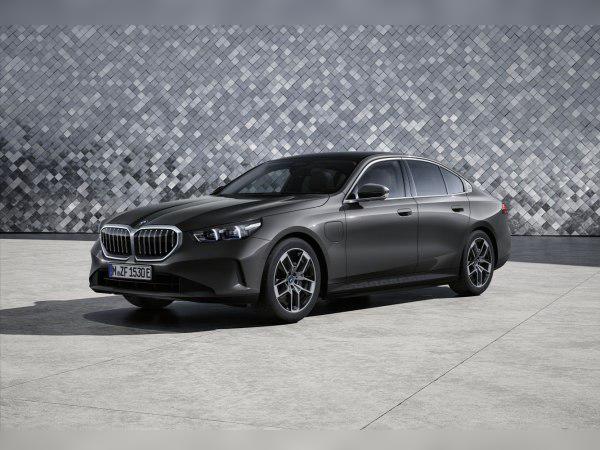

BMW B58 (PHEV): Experiences, Issues, Fuel Consumption and Used Car Buying Guide
Key points (TL;DR)
- The best modern BMW straight-six: The B58 engine is considered one of the most reliable engines BMW has produced in the last 20 years.
- Hybrid complexity: Although the petrol engine itself is excellent, in the 550e and 50e variants it is paired with a complex high-voltage system that requires specialist maintenance.
- Timing chain at the back: The timing chain is located at the rear of the engine (next to the gearbox), which makes any replacement expensive because the engine has to be removed, but the chain itself is very durable.
- Sensitive cooling system: The most common problems are not related to the engine internals, but to peripherals such as coolant leaks and water pump issues.
- Power potential: The engine’s core can handle huge loads, but with hybrids you should be careful with remapping due to integration with the electric motor.
- No AdBlue: This is a petrol engine, so there are no AdBlue system issues, but it does have a GPF filter (petrol DPF).
- Recommendation: Highly recommended to buy, with a mandatory check of the cooling system service history.
Contents
- Introduction and applications
- Technical specifications
- Reliability, Maintenance and Oil
- Specific parts and Common Failures
- Fuel Consumption and Performance
- Tuning and LPG
- Gearbox and Drivetrain
- Conclusion and Buying Tips
Introduction: BMW B58 in Hybrid Form
The engine with the code name B58 has already become a legend in the automotive world. It is the successor to the more problematic N55 engine and brought BMW back the title of "king of inline sixes". In this specific configuration we are discussing, it comes in plug-in hybrid (PHEV) versions found in the latest 5 Series (G60) and X5 (G05 LCI) models.
Here the B58 does not work alone. It is "detuned" or set to 313 hp in order to work in synergy with a powerful electric motor integrated into the gearbox. The result is a system that delivers supercar performance with the ability to drive on electricity only. For a driver looking for a compromise between ecology (taxes and low-emission zones) and brutal power, this is currently one of the best powertrains in the world.
Technical specifications
| Characteristic | Value |
|---|---|
| Engine displacement | 2998 cc (3.0L) |
| Configuration | Inline 6-cylinder (R6) |
| Power (Petrol engine) | 230 kW (313 hp) |
| Torque (Petrol engine) | 450 Nm |
| System power (Hybrid) | 360 kW (489–490 hp) – Depends on model |
| System torque | 700 Nm |
| Engine code | B58B30M2 (most common in newer PHEVs) |
| Injection type | Direct injection (High Precision Injection) |
| Charging | TwinPower Turbo (Single twin-scroll turbo) + Intercooler |
Reliability and Maintenance
Timing system: Chain or belt?
The BMW B58 engine uses a timing chain. Unlike older engines where the chain was at the front, here the chain is located at the rear of the engine (towards the firewall/cabin). Although this sounds scary because of access, the good news is that the chain on B58 engines is extremely durable. Unlike the notorious N47 diesel, chain snapping and stretching are not common before 200,000–250,000 km, provided the oil has been changed regularly. A "major service" in the classic sense (belt replacement) does not exist; instead, the serpentine belt and tensioners are replaced as needed, usually around 100,000 km or every 5–7 years.
Oil and service intervals
This engine takes approximately 6.5 litres of engine oil. The recommended grade is usually 0W-20 or 0W-30 (BMW Longlife-17 FE+ specification). Although the factory specifies a 30,000 km oil change interval, that is a death sentence for this engine in the long run. Due to high operating temperatures and the turbocharger, change the oil strictly every 10,000 to 15,000 km.
Oil consumption on a healthy B58 is minimal. It is not unusual for the oil level to drop by 0.5 litres between services, especially if driven aggressively, but anything over 1 litre per 10,000 km requires inspection (most often the PCV valve or gasket leaks, not piston rings).
Spark plugs and ignition system
On turbocharged petrol engines with direct injection, spark plugs are under heavy stress. The recommendation is to replace the spark plugs every 50,000 to 60,000 km. If you notice slight hesitation under acceleration or rough idle (misfire), spark plugs and coils are the first suspects.
Specific Parts and Most Common Failures
Cooling system – Achilles’ heel
If the B58 has a weakness, it is the cooling system. The engine runs at high temperatures for efficiency. Plastic components in the engine bay become brittle over time. Coolant loss is common at the water pump housing, the heat management module and the expansion tank itself (cap or a crack in the tank). Symptoms are low coolant level or traces of white/pink residue in the engine bay. Repairs are not cheap (Expensive, depends on the market) due to the complexity of the system.
Turbocharger and Injection
The engine uses a single twin-scroll turbocharger. These turbos have proven to be very reliable and often last as long as the engine itself with proper cooling (not switching off immediately after hard driving).
The injection system is direct, with piezo injectors. Injectors are generally not as problematic as on diesels, but they are sensitive to poor fuel quality. Injector failure manifests as fuel "leaking" into the cylinder, washing oil off the cylinder walls – this is dangerous. However, this is rare at lower mileages.
Emissions: GPF and EGR
This engine does not have AdBlue because it is petrol. However, modern versions (Euro 6d and newer) are equipped with a GPF (Gasoline Particulate Filter) – the petrol equivalent of a diesel DPF, as well as an EGR valve. The GPF rarely clogs because exhaust gas temperatures on petrol engines are higher, which facilitates passive regeneration. EGR issues are possible, but less common than on diesels.
Dual-mass flywheel
Yes, this system has a dual-mass flywheel, but it is specific due to the hybrid drivetrain. Its role is to dampen vibrations between the engine and the gearbox/electric motor. Its lifespan is long because the electric motor "smooths out" shocks when setting off, so the flywheel is under less stress than on pure diesels with a manual gearbox.
Fuel Consumption and Performance
Real-world consumption in city and highway driving
With plug-in hybrids such as the 550e and X5 50e, fuel consumption is a relative concept.
- With a full battery: In the city you can use 0 l/100 km of petrol as long as there is charge (real-world range is 60–80 km).
- With an empty battery (City): When the battery is empty, the engine has to pull a heavy body and battery pack. Expect consumption of 10 to 13 l/100 km for the X5, and around 9–11 l/100 km for the 5 Series.
- Motorway (130 km/h): The hybrid system helps less here. Real-world consumption is around 8.5 to 10 l/100 km, depending on vehicle aerodynamics (the X5 uses more).
Is the engine “lazy”?
Absolutely not. With a system output of 490 hp and instant torque from the electric motor, these cars "fly". Throttle response is immediate. There is no "turbo lag" because the electric motor fills the gap until the turbo spools up. At 130 km/h the engine cruises at very low revs (below 2,000 rpm) thanks to the 8-speed gearbox, which makes driving extremely quiet.
Additional Options and Modifications
LPG conversion
Technically it is possible to install an LPG system, but it is economically and technically unjustified. This is a direct-injection engine that requires an expensive system (liquid LPG injection or a petrol–LPG mix). In addition, since this is a hybrid where the petrol engine frequently starts and stops while driving, LPG system calibration would be a nightmare. Not recommended.
Chip Tuning (Stage 1)
The B58 is known as the "modern 2JZ" and can handle huge power increases. However, with hybrid versions (50e, 550e) you need to be careful. The petrol engine alone can easily reach 400+ hp (engine only), but the limiting factor is integration with the electric motor and gearbox. Stage 1 is possible and safe if done by a reputable tuner who knows how to adapt the maps to the hybrid system, but bear in mind that you will likely lose warranty on the high-voltage components, which are (Very expensive).
Gearbox
In the mentioned models, this engine is paired exclusively with the ZF 8-speed automatic gearbox (Steptronic). In the hybrid version, instead of a torque converter, there is a powerful electric motor inside the gearbox housing.
- Reliability: This is one of the best gearboxes in the world. Failures are rare.
- Gearbox service: BMW often states that the gearbox oil is "lifetime". Do not follow that advice. The gearbox manufacturer (ZF) recommends changing the oil and the pan (which contains the filter) every 80,000 to 100,000 km. The service is (Moderately expensive), but crucial for longevity.
- Failure symptoms: Jerks when shifting, hesitation or thumps when stopping. This is often resolved simply by changing the oil and performing software adaptation, but if neglected, the mechatronics unit can fail.
Used Car Buying and Conclusion
Before buying a used BMW with a B58 hybrid powertrain, pay attention to the following:
- Cold start: Listen to the engine at first start-up. Chain rattle for a few seconds is a warning sign, although rare at low mileage.
- Signs of leaks: Inspect the engine bay for white traces of dried coolant around the tank, hoses and pump.
- Hybrid system diagnostics: Check the "health" of the high-voltage battery (SOH – State of Health). Replacing battery modules is (Very expensive).
Conclusion: The BMW B58 in hybrid form is a technological gem. It offers sports car performance with city-car fuel consumption (if charged regularly). It is more reliable than diesel variants because it does not have a sensitive DPF and AdBlue system, and the engine block itself is "bulletproof". If you can afford regular and high-quality maintenance (especially of the cooling system and oil), this is one of the best powertrains money can buy on the European market today.
Was this content useful to you?
Your opinion helps us to improve the quality of the content.