N63B44D Engine
- Engine
- 4395 cm3
- Aspiration
- Twin-power turbo, Intercooler
- Fuel
- Petrol (Gasoline)
- Fuel injection system
- Direct injection
- Power
- 530 hp
- Torque
- 750 Nm
- Cylinders
- 8
- Valves
- 32, 4 per cylinder
- Cylinders position
- V-engine
- Valvetrain
- VALVETRONIC
- Oil capacity
- 10.5 l
- Coolant
- 13.6 l
- Systems
- Particulate filter
# Vehicles powered by this engine

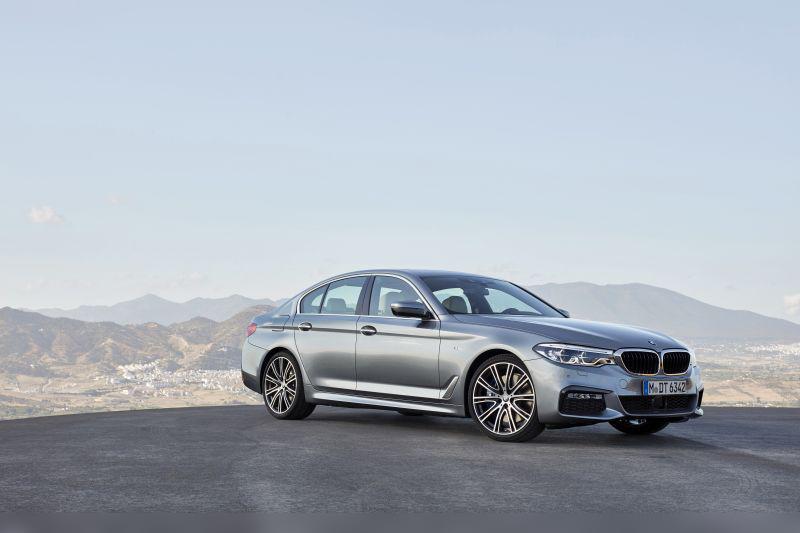
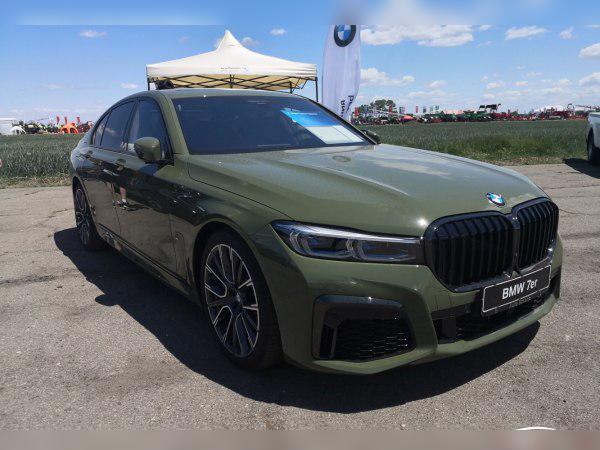
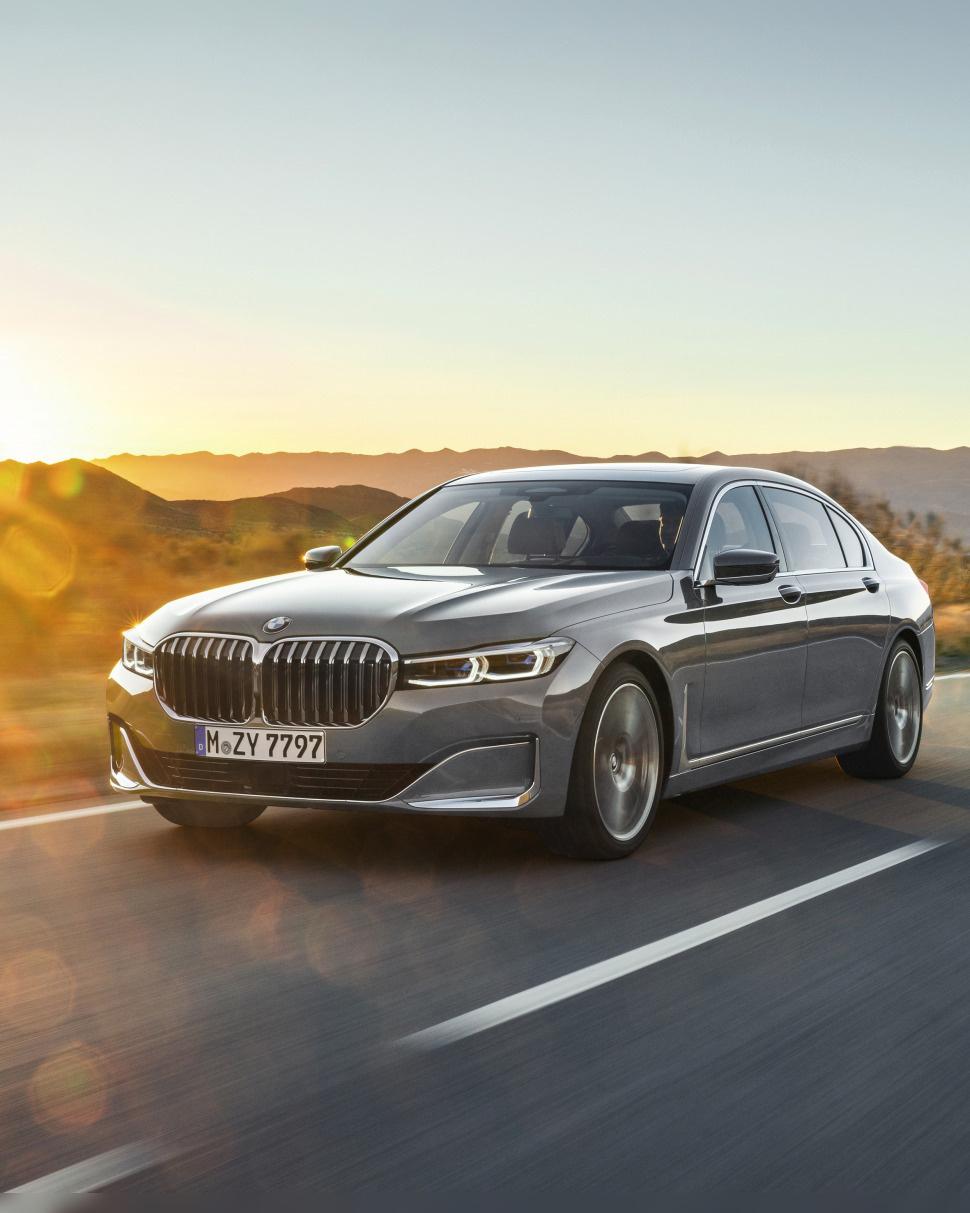


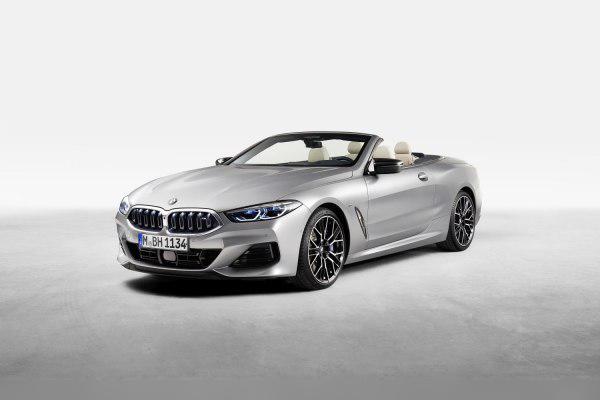
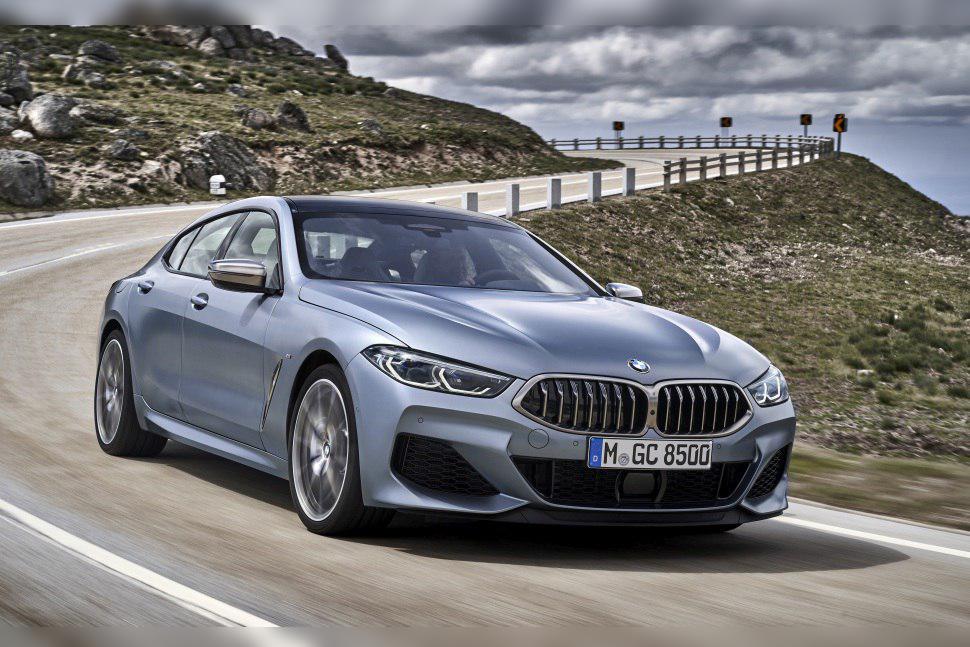
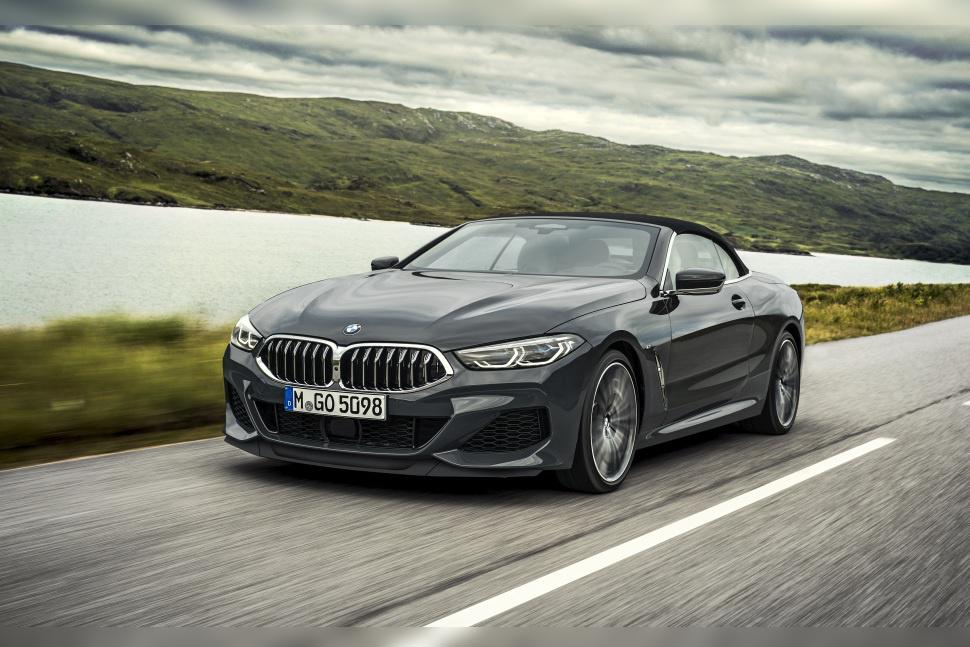
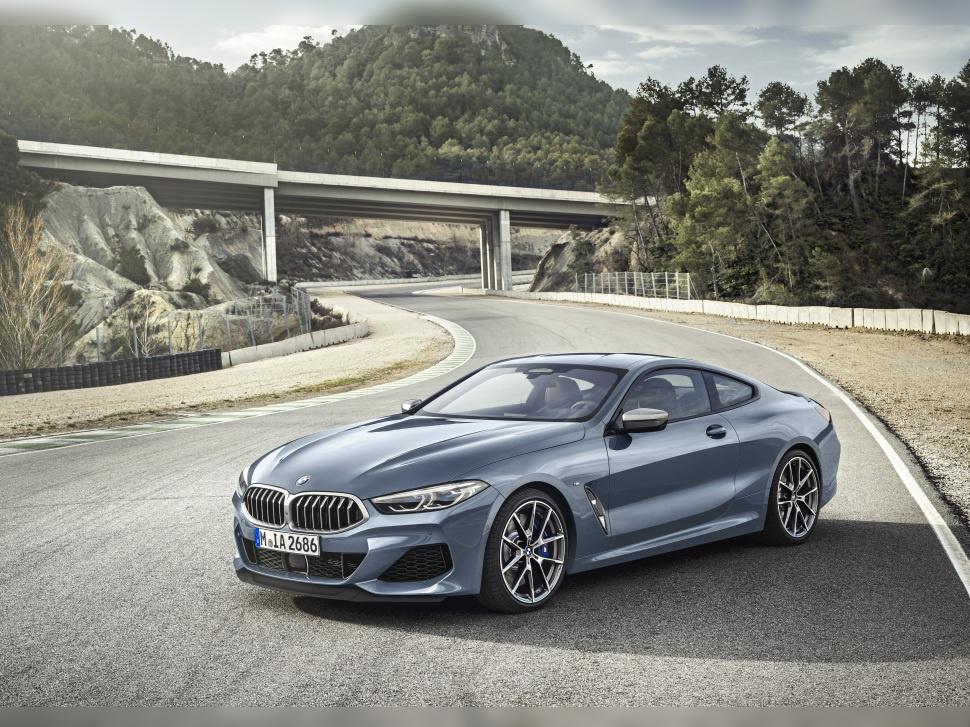

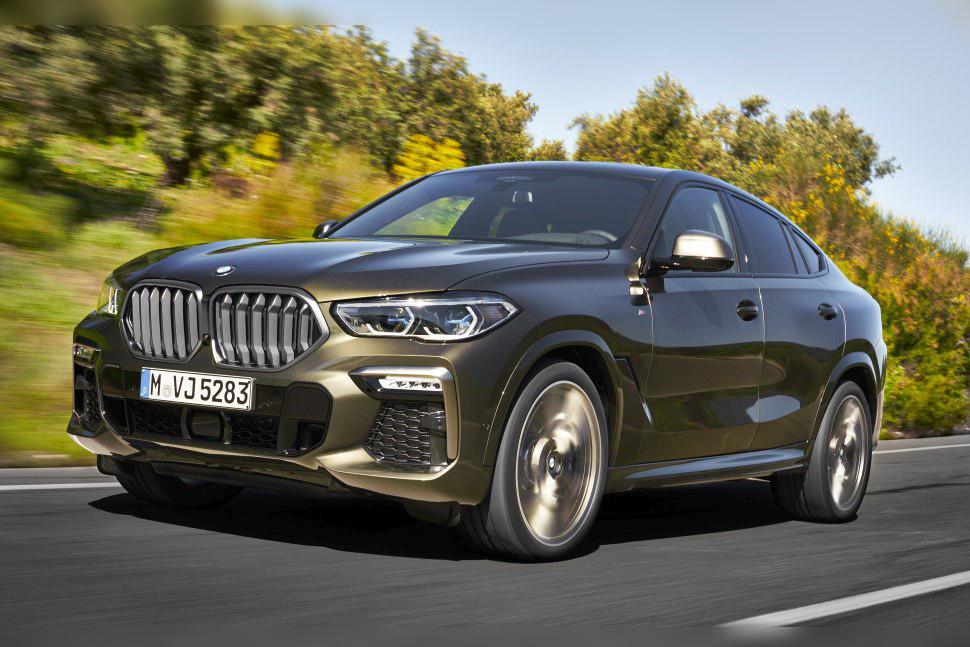
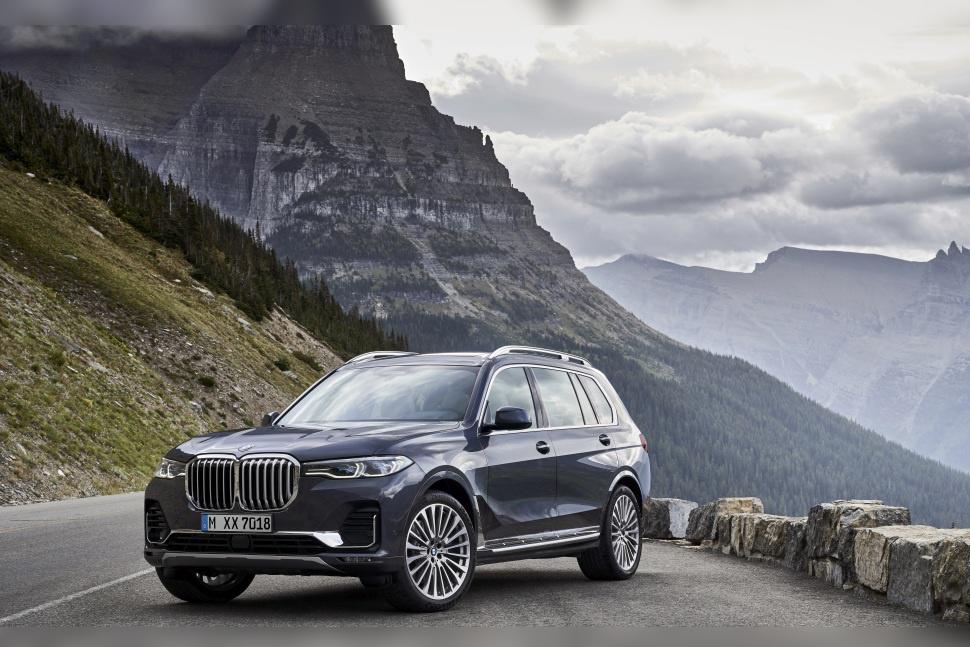
BMW N63B44D (V8 Twin-Turbo): Experiences, problems, fuel consumption and buying advice
Key points (TL;DR)
- Significantly improved: This is the third technical revision (TU3) of the notorious N63 engine. Most of the early “childhood diseases” have been resolved, but it still requires top-notch maintenance.
- Brutal performance: With 530 hp and 750 Nm, this engine makes even the heavy X7 feel as agile as a sports car. There is no “laziness” whatsoever.
- Hot-V configuration: The turbochargers are placed inside the V of the engine. This gives fantastic throttle response, but generates enormous heat that eats rubber and plastic components.
- Oil consumption: Still present. Expect to top up about 1 liter every 2,000 to 5,000 km, depending on driving style.
- Expensive maintenance: This is not an engine for an average budget. Parts are expensive, and the engine has 8 cylinders, 2 turbos and a complex cooling system.
- Gearbox: It comes exclusively with the ZF 8-speed automatic, which is, fortunately, one of the most reliable units on the market.
Contents
Introduction: A beast in “civilian” clothes
The engine designated N63B44D represents the pinnacle of BMW’s offering for models that do not carry a full-blooded “M” badge (like the M5 or M8), but belong to the M Performance line (e.g. M550i, M850i). This is a V8 bi-turbo unit that offers a fantastic balance between luxurious cruising and brutal acceleration.
It is important to note that the N63 engine has a long and thorny history. The first versions (2008–2012) were catastrophically unreliable. However, the N63B44D variant is a significantly improved technical version (known as TU3 – Technical Update 3), which is installed in models from 2018/2019 onwards. BMW has changed the materials, cooling and injection system to make this engine worthy of its price.
Technical specifications
| Parameter | Value |
| Displacement | 4395 cc (4.4 liters) |
| Configuration | V8 (90 degrees) |
| Power | 390 kW (530 hp) @ 5500–6000 rpm |
| Torque | 750 Nm @ 1800–4600 rpm |
| Engine code | N63B44D (TU3 variant) |
| Forced induction | 2x Twin-Scroll Turbo (Hot-V) |
| Injection | Direct injection (High Precision Injection) |
| Valve timing drive | Chain |
Reliability and maintenance
Chain or belt?
The N63B44D engine uses a chain to drive the camshafts. The system is complex, with long chains and guides. Although in this version (TU3) the system has been reinforced compared to older N63 engines, the chain is not “lifetime”.
When is it replaced? There is no fixed interval, but in practice chain noise (rattling on cold start) can appear after 150,000–200,000 km. Replacement is extremely expensive because, on most models, the engine has to be removed from the car due to the cramped engine bay.
Most common failures and symptoms
The biggest enemy of this engine is heat. Due to the “Hot-V” configuration (turbos between the cylinder heads), temperatures are extreme.
- Cooling system: Plastic and rubber coolant hoses become brittle and crack due to the heat from the turbos. Coolant leaks into the V of the engine are a common problem. Symptom: Smell of coolant in the cabin or a puddle under the car.
- Oil consumption: Although better than before, oil consumption is still there. The usual culprits are valve stem seals that harden, or oil evaporation due to high temperatures. If the car smokes blue from the exhaust after idling, the seals need to be replaced.
- Fuel system: High-pressure injectors can “dribble” fuel, washing oil off the cylinder walls and potentially leading to engine seizure. Preventive checking of injector corrections on diagnostics is recommended.
Service intervals and oil
Forget the factory 30,000 km interval if you want this engine to last. Minor service: Do it at a maximum of 10,000 km or once a year. Oil capacity: The engine holds a huge amount of oil, about 10.5 liters. This is good for cooling, but makes each minor service more expensive. Viscosity: Recommended grades are 0W-30 or 5W-30 (BMW Longlife-04 or Longlife-12 FE specification).
Oil consumption: BMW considers up to 0.7 L per 1000 km “within tolerance”, but in practice, a healthy N63B44D should not consume more than 1 L per 3,000–4,000 km. Anything above that requires inspection (PCV valve, turbo or piston rings).
Specific parts (costs)
Dual-mass flywheel: This engine is paired exclusively with an automatic gearbox, so it does not have a conventional dual-mass flywheel like manual transmissions. Instead, it uses a torque converter and a flex plate. This is good news because the system is more durable, but if the converter fails, refurbishment is expensive.
Turbochargers: The engine has two twin-scroll turbochargers. Their lifespan depends on how they are treated. If the car is switched off immediately after hard driving (without cooldown), the oil in the turbos cokes and destroys the bearings. Expect them to last around 150,000–200,000 km. Repair or replacement is a very expensive item.
Injectors and injection system: It uses direct injection with piezo injectors. They are sensitive to poor-quality fuel. The price of a single injector is high (several hundred euros), and there are 8 of them. Symptoms of bad injectors include rough idle and misfiring.
Emissions equipment (DPF/GPF/EGR): In Europe (Euro 6 standard), this engine is equipped with a OPF/GPF filter (gasoline particulate filter) and catalytic converters. Unlike on diesels, the GPF rarely clogs because exhaust gas temperatures on petrol engines are much higher, so passive regeneration is happening all the time. An EGR valve is present, but it is not as problematic as on diesel engines.
Fuel consumption and performance
Is the engine lazy?
Absolutely not. With 750 Nm available from just 1800 rpm, this engine “rips” the asphalt. Even in a heavy BMW X7 or 7 Series, acceleration is sports-car-like (0–100 km/h in about 4–4.5 seconds). The sensation of power is linear and brutal.
Real-world consumption
- City driving: Expect between 16 and 22 liters/100 km. In heavy traffic with a heavy right foot, this easily goes up to 25 L.
- Country roads: On open roads it can drop to around 9–10 liters.
- Motorway (130 km/h): At this speed, thanks to the 8-speed gearbox, the engine spins at low revs (below 2000 rpm) and consumes about 10.5–12 liters/100 km.
Additional options and modifications
LPG conversion: Technically, it is possible to install a liquid direct-injection LPG system (e.g. Prins Direct LiquiMax), but it is extremely expensive (over 2000–3000 EUR for a V8). Given the complexity of the engine and the sensitive injectors, most experts do not recommend LPG on the N63 engine. The risk of cylinder head overheating is too high.
Chiptuning (Stage 1): This engine is “detuned” so as not to jeopardize sales of M models (M5/M8). That is why it has huge potential. With software remapping alone (Stage 1), power can be safely raised to 600–620 hp and over 850 Nm. The engine can mechanically handle this well, but keep in mind that more power also means higher thermal load – shorten your oil change intervals even further!
Gearbox
The N63B44D comes exclusively with the ZF 8HP (8-speed Steptronic) automatic transmission. Manual gearboxes are not available.
- Reliability: This is probably the best automatic gearbox in the world. Failures are extremely rare.
- Maintenance: Although BMW claims the oil is “lifetime fill”, the gearbox manufacturer (ZF) recommends changing the oil and the pan (which contains the filter) every 80,000 to 100,000 km. Make sure to do this so the gearbox continues to operate smoothly.
- Failures: If the gearbox “kicks” or hesitates, the problem is usually old oil or the need to reset adaptations. Mechanical failures are rare before 250,000 km.
Buying used and conclusion
Before buying a car with this engine, make sure you do the following:
- Cold start: Listen for timing chain rattle during the first 3–5 seconds. Watch the exhaust – blue smoke means bad piston rings or valve stem seals.
- Check for leaks: Remove the plastic engine cover and use a flashlight to inspect the “V” area between the cylinder heads. If you see white traces (dried coolant) or oil, expenses are coming.
- Service history: If the oil was changed every 30,000 km, skip that car. Look for a car whose owner changed oil every 10–15 thousand km.
Verdict:
The N63B44D engine is a fantastic engineering achievement that offers supercar performance in a sedan or SUV. It is much more reliable than its predecessors. However, it is intended for buyers with a deep pocket for maintenance. The question is not whether something will fail, but when, and every visit to the workshop will cost significantly more than for an average 3.0 diesel. If you can afford the fuel and preventive maintenance, you will enjoy one of the best V8 engines of today.
Was this content useful to you?
Your opinion helps us to improve the quality of the content.