DLUB Engine
- Engine
- 1968 cm3
- Aspiration
- Turbocharger, Intercooler
- Fuel
- Diesel
- Fuel injection system
- Diesel Commonrail
- Power
- 177 hp
- Torque
- 380 Nm
- Cylinders
- 4
- Valves
- 16, 4 per cylinder
- Cylinders position
- Inline
- Oil capacity
- 4.3 l
- Coolant
- 8 l
- Systems
- Particulate filter
# Vehicles powered by this engine
Key points (TL;DR)
- Strong hauler: With 177 hp and 380 Nm, this is an ideal engine for the heavy Sharan and Alhambra bodies, even under full load.
- AdBlue system: As a Euro 6 engine (SCR designation), it has an AdBlue system that is sensitive to heater and injector failures – potentially an expensive repair.
- DSG gearbox: Paired almost exclusively with a DSG gearbox. It requires regular oil changes every 60,000 km, otherwise the mechatronics will fail.
- Water pump: A known weak point of this generation of 2.0 TDI engines; the thermostat or “flap” on the pump can get stuck and cause overheating.
- Fuel consumption: Although it’s a diesel, expect between 7 and 9 liters in the city due to the vehicle’s weight and “brick-like” aerodynamics.
- Recommendation: An excellent choice for long trips, but it requires strict maintenance of the exhaust aftertreatment system.
Contents
2.0 TDI (DLUB) 177 hp – Experiences, issues, fuel consumption and buying used
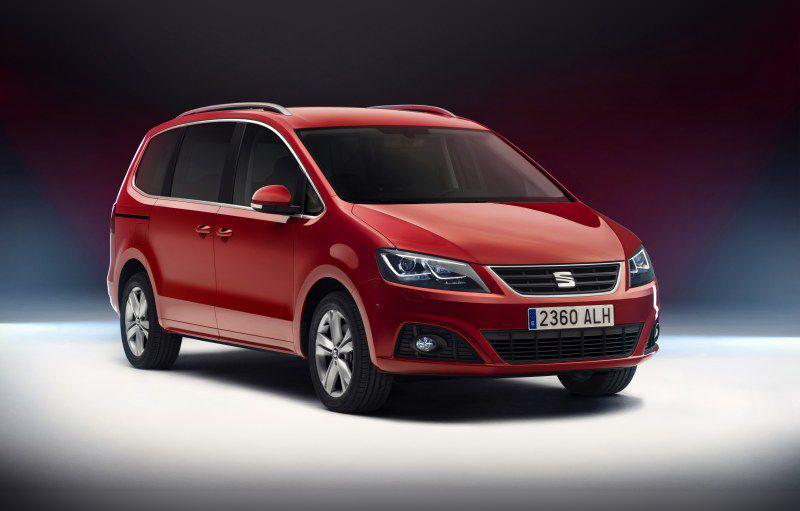
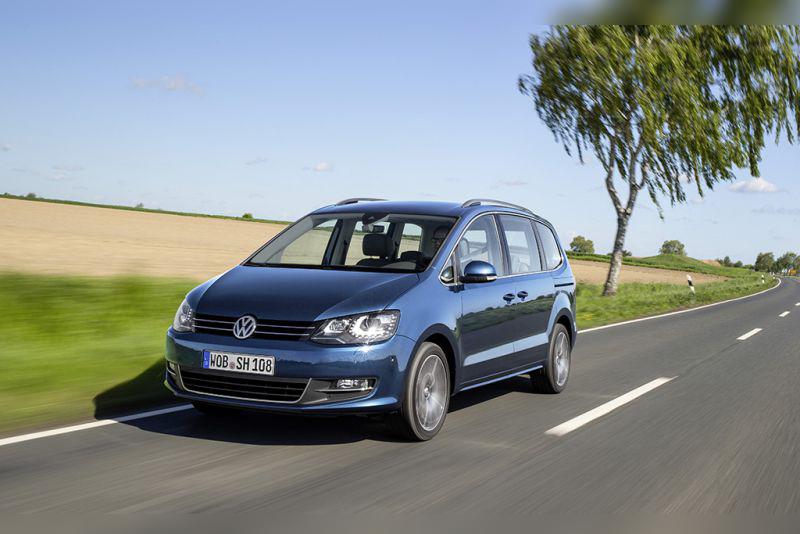
The engine with the code DLUB is a modernized version of Volkswagen’s well-known 2.0 TDI unit, adapted to strict Euro 6 standards. This engine is specific because it is the “heart” of the facelifted (2015+) models Volkswagen Sharan II and Seat Alhambra II. Unlike lighter models such as the Golf, in these MPVs the engine has to cope with significant weight (over 1.8 tons empty), high air resistance and often a full load of 7 passengers. That’s why the 177 hp (130 kW) version is often the first choice for buyers who don’t want to compromise when overtaking, but it also brings a certain complexity of the exhaust aftertreatment system you must take care of.
Technical specifications
| Specification | Data |
|---|---|
| Engine displacement | 1968 ccm |
| Power | 130 kW (177 hp) |
| Torque | 380 Nm at 1750–2500 rpm |
| Engine code | DLUB (EA288 family) |
| Injection system | Common Rail (Bosch) |
| Charging | Variable geometry turbocharger (VGT) + intercooler |
| Emission standard | Euro 6 (with SCR/AdBlue system) |
Reliability and Maintenance: What to expect?
The DLUB engine belongs to the EA288 generation of diesels, which means it has solved many of the “childhood diseases” of the older PD (Pumpe-Düse) engines, but introduced new challenges related to emissions. In general, it is considered a robust unit capable of high mileage, provided it is not neglected.
Timing belt and Major service
This engine uses a timing belt to drive the camshaft. The factory recommendation for replacement (“major service”) is often optimistic and states an interval of 210,000 km. However, experienced mechanics and real-world practice call for caution. It is recommended to replace the complete kit (belt, tensioners, rollers and water pump) at a maximum of 150,000 to 160,000 km or every 5 to 7 years, whichever comes first.
Why earlier? The water pump is a weak point of this generation. It often happens that the variable ring (flap) inside the pump, which serves to warm up the engine faster, gets stuck. The symptom is engine overheating under load while the cabin heater is weak. If the pump starts leaking or seizes, you risk belt failure and catastrophic engine damage.
Oil and Oil Consumption
The engine takes approximately 4.6 to 4.7 liters of engine oil. You must use 5W-30 oil that meets the strict VW 507.00 specification (Low SAPS oil because of the DPF filter). As for oil consumption, EA288 engines are significantly better than their predecessors. Consumption of up to 0.5 liters per 10,000 km is acceptable, but most owners do not need to top up oil between regular services (which should be at 10,000–15,000 km, not in the 30,000 km “Long Life” regime).
Specific Components and Costs
When buying a Sharan or Alhambra with this engine, you must be aware that maintenance is not as cheap as with small city cars. Here’s what hits your wallet the most:
AdBlue (SCR) system – Achilles’ heel
The “SCR” designation in the model name means that this engine uses AdBlue fluid to reduce nitrogen oxides. This is a common source of problems. The system consists of a tank, heater, pump and injector. In winter, the heater in the AdBlue tank often burns out. Also, urea crystallization can clog the injector or pump.
Symptoms: A warning for AdBlue appears on the dashboard and a mileage countdown starts (e.g. “No start in 1000 km”). If you don’t fix the problem before the counter reaches zero, the car will not start. Repairs are often expensive (depending on the market, but the components are costly), and sometimes the entire tank module has to be replaced.
Dual-mass flywheel and turbo
Yes, this engine has a dual-mass flywheel (DMF). Since it is paired with a DSG gearbox that protects the engine from low revs, the flywheel usually lasts longer than with manual gearboxes, often over 200,000 km. Failure symptoms are metallic knocking at idle (especially when cold) and vibrations. Replacement is expensive (market-dependent).
The turbocharger is a single unit with variable geometry. Its service life is long if quality oil is used and the engine is not switched off immediately after hard motorway driving. It is not prone to sudden failures.
Injection system and DPF/EGR
It uses Bosch Common Rail injectors. In the DLUB engine they have proven to be very durable and rarely cause problems before high mileage (250,000+ km). The DPF filter and EGR valve are a standard part of the story. In the Sharan and Alhambra, which are often driven on open roads (trips, holidays), the DPF regenerates successfully. Problems arise if this large car is used exclusively as a “city taxi” – then it clogs quickly.
Fuel Consumption and Performance
Is 177 hp enough?
Absolutely. Although the Sharan and Alhambra are heavy, 380 Nm of torque makes the car easy to drive. The engine is not “lazy”. In-gear acceleration is excellent, and overtaking on country roads is safe even when the car is fully loaded with luggage. Compared to the weaker 150 hp version, the difference is most noticeable at higher speeds and under load.
Real-world fuel consumption
- City driving: Expect between 7.5 and 9.0 l/100 km. The high weight and stop-and-go traffic take their toll, and 4Drive (4x4) versions use about 0.5 to 1 liter more.
- Open road (secondary roads): With careful driving it is possible to get down to 5.5–6.0 l/100 km.
- Motorway (130 km/h): At this speed, thanks to the long 6th gear on the DSG, the engine spins at a comfortable ~2,200 rpm. Consumption is around 6.5 to 7.5 l/100 km, which is an excellent result for a vehicle with this frontal area.
Additional Options and Modifications
Chip tuning (Stage 1): This engine has good “headroom”. With a safe remap (Stage 1), power can be raised to about 205–210 hp, and torque to about 430–440 Nm. However, be careful with the DSG gearbox – although it can handle this torque, more frequent oil changes in the gearbox become essential after remapping.
Gearbox: DSG and 4Motion
In the Sharan and Alhambra, the DLUB engine almost always comes paired with a DSG automatic gearbox (code DQ250, 6-speed with wet clutch). A manual gearbox is rarely found in this top configuration.
- Gearbox maintenance: This is CRUCIAL. The oil and filter in the DSG gearbox must be changed every 60,000 km. If this is not done, mechatronics (the gearbox “brain”) and the clutches start to fail. DSG repair is very expensive.
- 4Motion / 4Drive: The all-wheel drive uses a 5th generation Haldex coupling. Here too the oil must be changed (usually every 3 years or 45–60,000 km), otherwise the Haldex pump fails and you are left with front-wheel drive only, often without any warning on the dashboard until you actually need it.
Buying Used and Conclusion
Before buying a Sharan or Alhambra with the DLUB engine, pay attention to the following:
- Cold start: Listen for knocking noises from the gearbox area (dual-mass flywheel).
- Water pump and coolant: Check for traces of coolant leakage around the timing belt area and whether the car reaches operating temperature of 90°C quickly and holds it steadily.
- DSG shifting: The gearbox must change gears imperceptibly, without jerks when moving off (both forward and reverse).
- AdBlue check: Be sure to use diagnostics to check for any errors related to the SCR system, as sellers often just clear the fault codes before selling.
Conclusion: The 2.0 TDI (DLUB) 177 hp engine is probably the best powertrain for the Sharan and Alhambra. It offers the perfect balance of power needed for such a large car and reasonable fuel consumption. If you find a car with a well-documented service history (especially for the gearbox), you will get a top-class family cruiser. Still, be financially prepared for potential interventions on the AdBlue system and the major service.
Was this content useful to you?
Your opinion helps us to improve the quality of the content.