CFJA Engine
- Engine
- 1968 cm3
- Aspiration
- Turbocharger, Intercooler
- Fuel
- Diesel
- Fuel injection system
- Diesel Commonrail
- Power
- 170 hp @ 4200 rpm
- Torque
- 350 Nm
- Cylinders
- 4
- Valves
- 16, 4 per cylinder
- Cylinders position
- Inline
- Valvetrain
- DOHC
- Oil capacity
- 4.3 l
- Coolant
- 8 l
- Systems
- Particulate filter
# Vehicles powered by this engine

2.0 TDI CFJA (170 hp) – Experiences, problems, fuel consumption and used car buying guide
Key points (TL;DR)
- Strong and flexible: With 170 hp and 350 Nm, this is one of the best options for heavier bodies such as the Touran and Caddy.
- Common Rail system: Noticeably quieter and more refined than the older Pump Düse (PD) engines.
- DPF and EGR sensitivity: Like any modern diesel, it does not tolerate exclusively city driving; it requires regular regenerations.
- Timing belt driven: No chain, which is a plus for predictable maintenance, but it does require regular replacement.
- DSG gearbox: Most of these models come with a DSG gearbox that strictly requires servicing every 60,000 km.
- Recommendation: An excellent engine for highway driving and towing, but check the condition of the dual-mass flywheel and DPF before buying.
Contents
- Introduction and applications
- Technical specifications
- Reliability and maintenance
- Specific parts (Costs)
- Fuel consumption and performance
- Additional options and modifications
- Gearbox and drivetrain
- Buying used and conclusion
Introduction and applications
The engine with the code CFJA belongs to the EA189 engine family and represents the very top of the 2.0 TDI range in its generation (before the switch to EA288). It is a two-liter diesel with Common Rail injection producing 170 horsepower. This engine was aimed at drivers who did not want to compromise between the practicality of a family/cargo vehicle and performance.
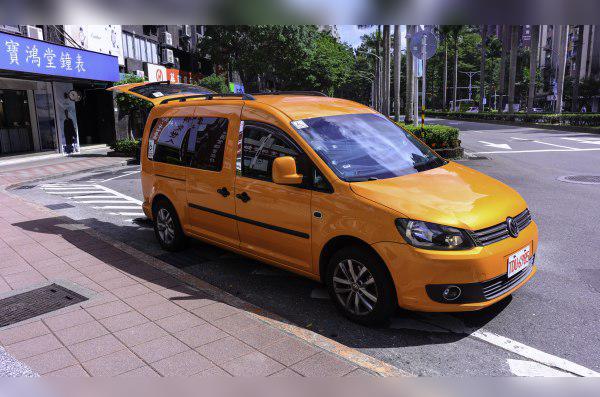
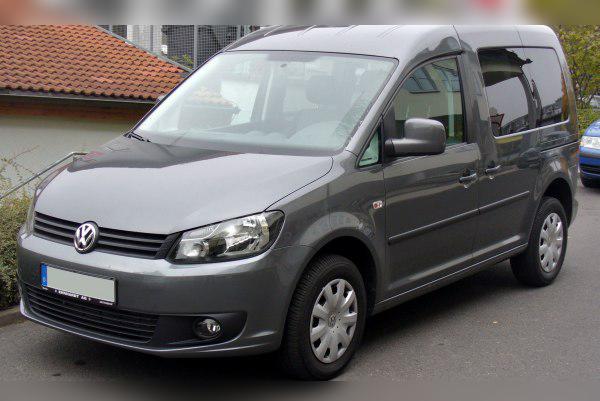
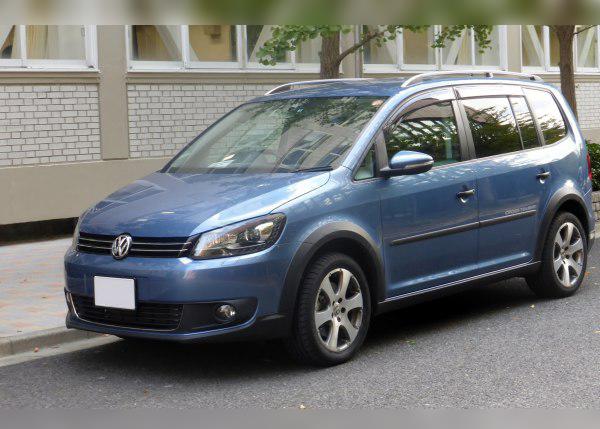
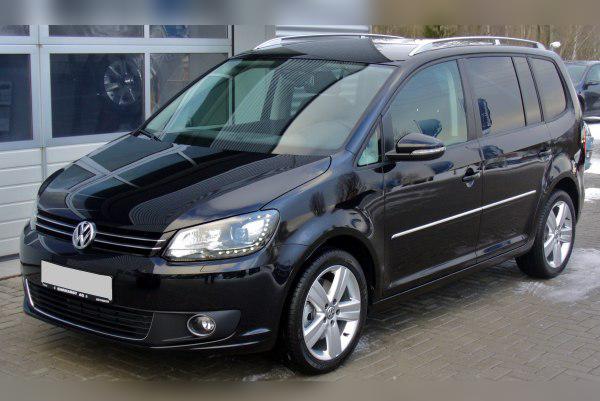
It was primarily installed in heavier VW Group vehicles after the facelift around 2010, such as the VW Touran, Caddy Maxi and Seat Altea Freetrack. Compared to weaker versions (110 or 140 hp), the CFJA version offers significantly better acceleration and copes much more easily with load when the vehicle is full of passengers or cargo.
Technical specifications
| Specification | Data |
|---|---|
| Engine displacement | 1968 ccm |
| Power | 125 kW (170 hp) |
| Torque | 350 Nm at 1750–2500 rpm |
| Engine code | CFJA |
| Injection type | Common Rail (Direct injection) |
| Charging | Turbocharger (VGT) + Intercooler |
| Number of cylinders / valves | 4 / 16 (DOHC) |
| Emission standard | Euro 5 |
Reliability and maintenance
Timing belt or chain?
The CFJA engine uses a timing belt for the valvetrain. This is good news for many owners because chains on some VW engines have proven problematic. The belt is quieter and cheaper to replace, but requires strict adherence to service intervals.
Most common failures
Although more reliable than the old PD engines, the CFJA has its own “weak spots”:
- EGR valve and EGR cooler: They often fail, especially if the car is driven on short trips. Symptoms are loss of power, “Check Engine” light and coolant (antifreeze) leaking into the engine.
- P2015 error (intake manifold): The plastic stops on the intake manifold flap actuator wear out, which triggers the engine warning light. There are repair kits that permanently solve this problem for little money.
- DPF differential pressure sensor: A cheap part that often fails, but can falsely indicate a clogged DPF filter.
- High-pressure fuel pump (CP4): Rarer, but a catastrophic failure. If the pump seizes, it sends metal shavings through the entire fuel system, requiring replacement of injectors, pump and cleaning of the tank (extremely expensive).
Major and minor service
The major service (replacement of timing belt, tensioners, water pump) is factory-recommended at 210,000 km for this engine type. However, experienced mechanics and real-world practice suggest doing this at a maximum of 150,000 to 160,000 km or 5–6 years of age, for safety.
The engine holds approximately 4.3 liters of engine oil. It is mandatory to use 5W-30 oil that meets the VW 507.00 specification (Low SAPS), in order to protect the DPF filter.
Oil consumption
CFJA engines are known for being “tight” and should not consume a significant amount of oil. Consumption of 0.5 liters per 10,000 km is considered completely acceptable. If the engine consumes a liter of oil per 2,000 km, this points to a problem with piston rings or the turbocharger.
Injectors
This engine uses piezoelectric injectors in the Common Rail system. They are significantly more durable than the old Siemens injectors on the 170 hp PD engines. Expected lifespan is over 250,000 km with good-quality fuel. Symptoms of bad injectors are rough idle, smoke and harder starting. Overhaul is possible, but often replacement is the only option, which can be expensive (depends on the market).
Specific parts (Costs)
Dual-mass flywheel
Yes, this engine has a dual-mass flywheel (DMF). Given the high torque of 350 Nm, the flywheel is under heavy load. On models with a DSG gearbox, the flywheel can be heard as a “rattling” noise at idle (like metal hitting metal). On manual gearboxes, symptoms are vibrations in the clutch pedal and knocking when switching the engine off.
Turbocharger
The engine has a single turbocharger with variable geometry (VGT). Service life directly depends on regular oil changes and driving style (cooling the turbo after highway driving). In general, they are durable and often last over 300,000 km without overhaul if the car is properly maintained.
DPF and EGR
Models with the CFJA engine (2010+) are standard-equipped with a DPF filter and EGR valve. The DPF often clogs if the car is driven exclusively in the city (Caddy delivery vehicles are particularly at risk). Symptoms are frequent regenerations (raised idle speed, radiator fan running after the engine is switched off). Cleaning is possible, but if the honeycomb melts, replacement is necessary.
AdBlue system
The CFJA is a Euro 5 engine. Most vehicles with this engine (Touran, Altea) do not have an AdBlue system, relying only on DPF and EGR for emission control. However, on some specific Caddy variants or later series just before the switch to Euro 6, an SCR (AdBlue) system may be present. The easiest way to check is to open the fuel flap – if there is no blue cap next to the diesel cap, you do not have AdBlue. That is an advantage because it is one less system that can fail.
Fuel consumption and performance
City driving
Considering that this engine is installed in heavier and less aerodynamic vehicles (Caddy, Touran), do not expect miracles in the city. Real-world consumption in traffic jams, especially with a DSG gearbox, ranges between 7.5 and 9.0 l/100 km.
Is the engine “lazy”?
Absolutely not. With 170 hp and 350 Nm, this is the right measure for a Caddy Maxi or Touran loaded with luggage and family. Overtaking is safe, and the engine pulls strongly from as low as 1800 rpm. The “pushed into the seat” feeling is there.
On the open road
This is the natural habitat of the CFJA engine. On the motorway at 130 km/h, the engine spins at a pleasant 2,200 – 2,400 rpm (in 6th gear). Fuel consumption then drops to 5.5 to 6.5 l/100 km. The engine is quiet and allows effortless high-speed cruising.
Additional options and modifications
Remapping (Stage 1)
This engine is extremely suitable for remapping. A safe Stage 1 tune raises power to around 200–210 hp and torque to over 400 Nm. However, keep in mind that higher torque further shortens the lifespan of the dual-mass flywheel and clutch, and on DSG gearboxes may also require software adjustment of the gearbox (DSG tune).
Gearbox
Types of gearboxes
The CFJA engine most commonly comes with a 6-speed DSG automatic gearbox (DQ250). This is a gearbox with “wet” clutches. The 6-speed manual gearbox is less common, mostly on Altea Freetrack models or specific Caddy orders.
Problems and maintenance (DSG vs Manual)
- DSG (DQ250): Requires oil and filter changes every 60,000 km. If this is not done, the mechatronics unit (the “brain” of the gearbox) fails, and repairs are very expensive (often over 1000 EUR). Also, the dual-mass flywheel on DSG models often fails earlier than on manuals.
- Manual: Robust and reliable. The biggest expense is the clutch kit with dual-mass flywheel, which is replaced when it starts to slip or knock (usually at 180k–250k km).
Buying used and conclusion
When buying a used car with a CFJA engine, pay attention to the following:
- Cold start: The engine should start instantly, without long cranking and without clouds of white or blue smoke.
- Flywheel noise: Listen for metallic noises around the gearbox area while the car is idling.
- Diagnostics: Be sure to check DPF saturation (soot mass) and injector correction values.
- DSG test drive: The gearbox must shift imperceptibly, without jerks when moving off or when coming to a stop.
Conclusion: The CFJA 2.0 TDI (170 hp) is an excellent engine for those who need a workhorse or family vehicle with power in reserve. Although maintenance is not the cheapest (especially due to the DSG and DPF), it offers a far better driving experience than the weaker 1.6 TDI versions. If you find a car with a properly documented service history for both gearbox and engine, it is a purchase that can be recommended.
Was this content useful to you?
Your opinion helps us to improve the quality of the content.