CFHC Engine
- Engine
- 1968 cm3
- Aspiration
- Turbocharger, Intercooler
- Fuel
- Diesel
- Fuel injection system
- Diesel Commonrail
- Power
- 140 hp @ 4200 rpm
- Torque
- 320 Nm
- Cylinders
- 4
- Valves
- 16, 4 per cylinder
- Cylinders position
- Inline
- Valvetrain
- DOHC
- Oil capacity
- 4.3 l
- Coolant
- 8 l
- Systems
- Particulate filter
# Vehicles powered by this engine

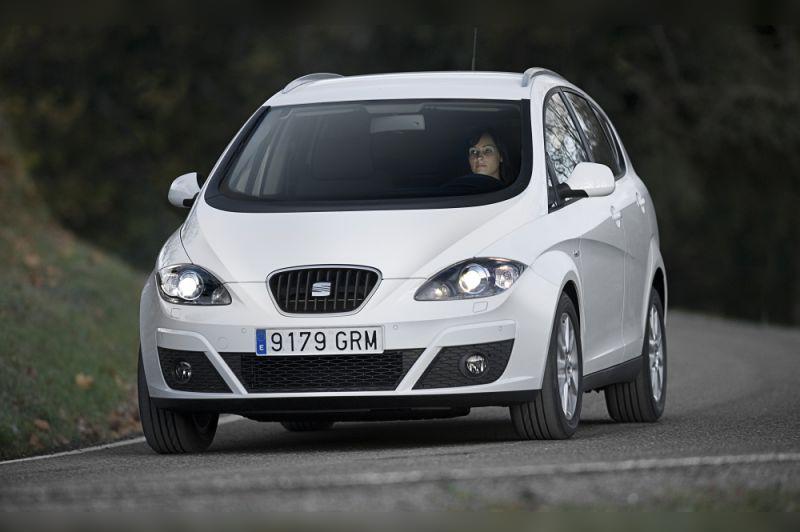
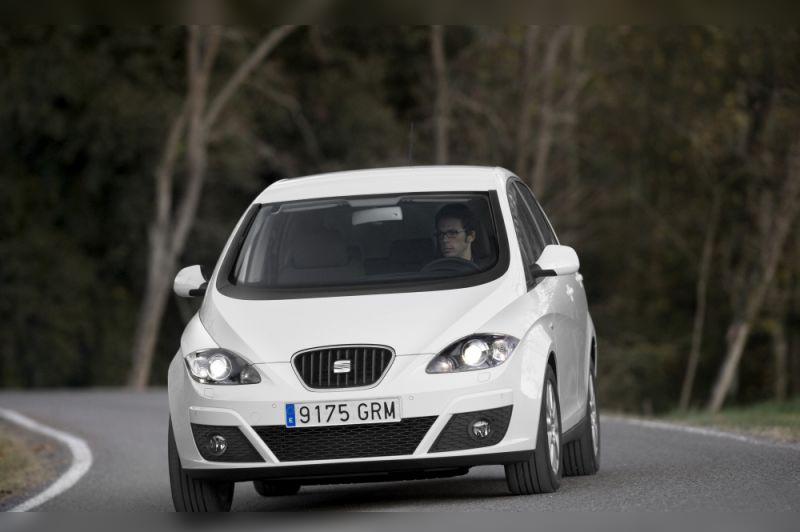
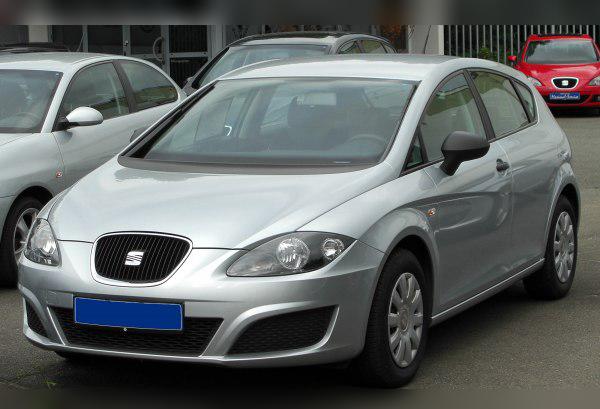
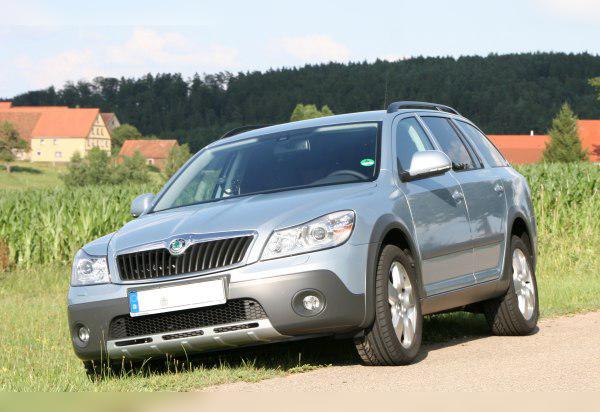
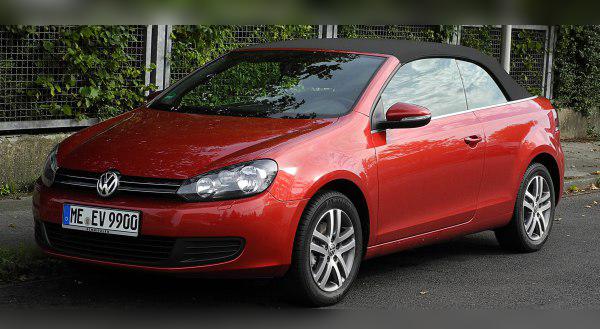
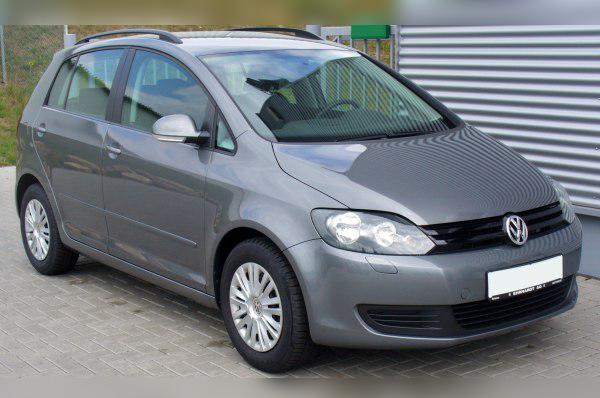
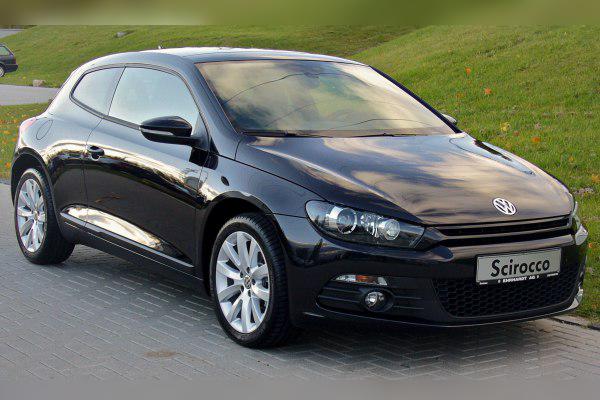
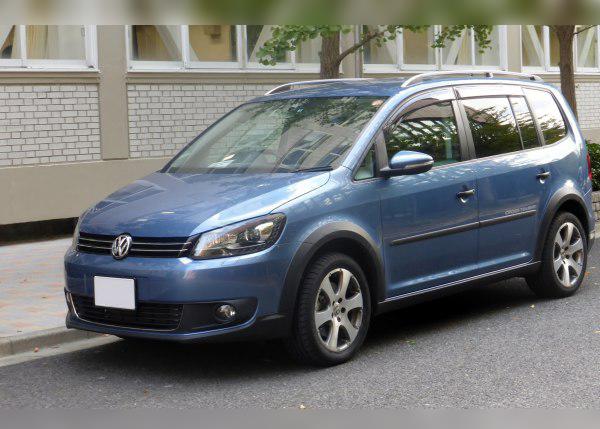
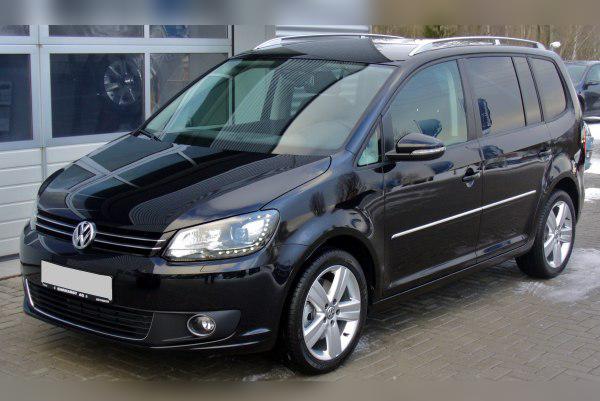
2.0 TDI (CFHC) 140 HP: Experience, Issues and Maintenance – The Golden Middle of the VW Group
Key points (TL;DR)
- Common Rail technology: CFHC is a Common Rail engine, which means it is significantly quieter and smoother than the older Pump Düse (PD) engines.
- Reliability: This is one of the most reliable 2.0 TDI engines of that generation (Euro 5); the “childhood diseases” of earlier models, such as cracked cylinder heads, have been resolved.
- Dual-mass flywheel: It is present and is a standard (and expensive) wear item, both on manual and DSG gearboxes.
- EGR and DPF: Like any modern diesel, it is sensitive to city driving. The EGR valve and EGR cooler are common failure points.
- Timing belt: The engine uses a timing belt, not a chain, which makes maintenance cheaper but requires strict adherence to replacement intervals.
- Recommendation: Excellent balance of power and fuel consumption, ideal for heavier bodies such as the Touran or Octavia Scout.
Contents
- Introduction and applications
- Technical specifications
- Reliability and maintenance
- Specific parts (costs)
- Fuel consumption and performance
- Additional options and modifications
- Gearbox and drivetrain
- Buying used and conclusion
Introduction and applications
The engine with the code CFHC belongs to the EA189 engine generation of the Volkswagen Group. For many drivers and mechanics, this engine represents the “gold standard” of two‑liter diesels from the 2009–2015 period. It came as the successor to the more problematic PD (Pumpe-Düse) engines (such as the notorious BKD). It was installed in a wide range of vehicles, from the compact Golf VI and sporty Scirocco, all the way to family people carriers like the Seat Altea XL and VW Touran, as well as 4x4 versions such as the Škoda Octavia Scout.
Its importance lies in the fact that it brought the Common Rail injection system into mass use in this power class (140 HP), offering a drastically smoother operation, better emissions (Euro 5) and a more linear power delivery without the sudden “kick” of torque that was characteristic of older TDI engines.
Technical specifications
| Parameter | Value |
|---|---|
| Displacement | 1968 cc (2.0 L) |
| Power | 103 kW (140 HP) at 4200 rpm |
| Torque | 320 Nm at 1750–2500 rpm |
| Engine code | CFHC (EA189 family) |
| Injection type | Common Rail (Piezo/Solenoid injectors) |
| Charging | Turbocharger (VGT – variable geometry) + intercooler |
| Engine block | Cast iron |
| Cylinder head | Aluminium, 16 valves (DOHC) |
Reliability and maintenance
Timing belt or chain?
The CFHC engine uses a timing belt for the valvetrain. This is good news, because chains in the VW Group during that period (especially on petrol engines) proved to be problematic. The water pump is also driven by the timing belt.
Most common failures
Although more reliable than its predecessors, the CFHC is not immune to failures:
- EGR valve and EGR cooler: This is the “Achilles’ heel” of this engine. The EGR cooler often starts leaking or the valve gets stuck due to soot. Symptoms include loss of coolant, a “Check Engine” light and the engine going into limp mode.
- Oil pump drive shaft (hex shaft): Although the issue is rarer than on older 2.0 TDI engines, it still happens that the hexagonal shaft driving the oil pump wears out at high mileage. The consequence is an immediate loss of oil pressure. If the car is not switched off right away, the turbo fails and the engine seizes.
- Intake manifold flaps (swirl flaps): The plastic mechanisms can crack or develop play, which triggers engine fault code P2015.
- Coolant leaks: Often on the water pump itself or on plastic coolant junctions.
Major service
The manufacturer specifies an interval of up to 210,000 km for timing belt replacement (for markets with high fuel and road quality). However, experienced mechanics and real‑world practice recommend doing the major service at a maximum of 150,000–160,000 km or every 5 to 7 years, whichever comes first. The risk of belt failure and catastrophic engine damage is not worth waiting for the factory limit.
Oil: quantity and consumption
The CFHC engine takes approximately 4.3 litres of engine oil. You must use fully synthetic 5W-30 oil that meets the strict VW 507.00 specification (because of the DPF filter). As for oil consumption, these engines are much better than the old PD units. Consumption of around 0.5 litres per 10,000 km is considered perfectly acceptable and normal, especially with more spirited driving. If it uses more than a litre between services, the turbo or piston rings should be checked.
Injectors
The CFHC uses Common Rail injectors. Unlike the Siemens injectors on older 170 HP versions, which caused a lot of trouble, the injectors here (mostly Bosch) are very durable. Their lifespan is often over 250,000–300,000 km with good‑quality fuel. Symptoms of bad injectors include rough idle (fluctuating revs), smoke at start‑up and increased fuel consumption.
Specific parts (costs)
Dual-mass flywheel
Yes, this engine has a dual-mass flywheel (DMF). It is necessary to absorb diesel engine vibrations and protect the gearbox. This is an expensive item. Symptoms of failure include metallic knocking when switching the engine off, vibrations on the clutch pedal or shuddering when pulling away. Replacement is a (very expensive) investment, but necessary roughly every 200–250k km.
Turbocharger
The engine has a single turbocharger with variable geometry (VGT). Its lifespan directly depends on regular oil changes and driving style (allowing the turbo to cool down after fast driving). In general, they are durable and rarely fail before 200,000 km, unless there are lubrication issues or foreign objects entering.
DPF filter and EGR
All models with the CFHC engine have a DPF filter and an EGR valve. As mentioned, the EGR often clogs up. The DPF filter is problematic only if the car is driven exclusively in the city. In that case, it cannot reach the temperature required for regeneration. Symptoms of a clogged DPF include frequent idle speed increase to 1000 rpm and a warning light on the dashboard.
AdBlue system
The CFHC is a Euro 5 engine. Most models it was installed in (Golf 6, Touran I facelift, Octavia II) DO NOT have an AdBlue system, relying only on EGR and DPF for exhaust gas treatment. This is a big advantage because you avoid additional costs for AdBlue pumps and heaters, which have proven failure‑prone on newer (Euro 6) models. Note: Check near the fuel filler cap, but 95% of CFHC engines do not have AdBlue.
Fuel consumption and performance
City consumption
Real‑world city fuel consumption varies with vehicle weight. For a Golf VI, expect around 6.5 to 7.5 l/100 km. For heavier models such as the VW Touran or Škoda Octavia Scout (4x4 drive further increases consumption), city consumption ranges from 7.5 to 9.0 l/100 km, depending on traffic and how heavy your right foot is.
Is the engine “lazy”?
Absolutely not. With 320 Nm of torque available from just 1750 rpm, this engine pulls very convincingly. Even in a fully loaded Touran or Altea XL, overtaking is safe. It is not a sports car engine, but it is far from sluggish.
On the motorway
This is the natural habitat of this engine. At 130 km/h in 6th gear, the engine spins at a comfortable 2200 to 2400 rpm (depending on the gearbox). Fuel consumption is then extremely low, often between 5.0 and 6.0 l/100 km. The engine is quiet and has enough power in reserve to accelerate up to 160 km/h without needing to downshift.
Additional options and modifications
Remapping (Stage 1)
The CFHC responds very well to remapping (chip tuning). From the factory it is “detuned” for emissions and model hierarchy reasons (so as not to threaten the 170 HP version). A safe Stage 1 tune raises power to around 170–180 HP and torque to about 380–400 Nm. If the engine is mechanically sound (turbo, injectors, flywheel), such a remap does not drastically shorten engine life, while significantly improving driving characteristics and often slightly reducing fuel consumption in normal driving.
Gearbox
Types of gearboxes
The CFHC engine comes with two types of gearboxes:
- 6-speed manual: Precise, robust gearbox.
- 6-speed DSG (DQ250): Automatic dual‑clutch gearbox with wet clutches.
Failures and maintenance
Manual gearbox: The gearbox itself is rarely an issue. The main expense is the clutch kit and the dual-mass flywheel. The flywheel on a manual gearbox suffers more if the driver does not know how to drive properly (lugging the engine at very low revs).
DSG gearbox: The DQ250 is one of the better DSG gearboxes. However, it requires strict maintenance. Oil and filter changes in the gearbox are mandatory every 60,000 km. If this is neglected, the mechatronics unit (the gearbox “brain”) fails, and repairs are very expensive (depending on the market, but expect a serious bill). Also, the DSG has a dual‑mass flywheel as well, which starts rattling when it is due for replacement.
Buying used and conclusion
What to check before buying?
- Cold start: The engine should start immediately, without long cranking and without clouds of white or blue smoke.
- Idle behaviour: Listen for smooth running. Any “surging” of revs may indicate injector issues or a fuel pressure regulator problem.
- Shutdown noise: When you switch the car off, there should be no metallic “clunk”. This is a sign of a bad flywheel.
- Diagnostics: Always check DPF saturation (oil ash volume) and injector correction values. If the DPF is full, you are facing the cost of cleaning or removal.
- Coolant traces: Look around the coolant reservoir and the engine for pink traces of leaks (EGR cooler or water pump).
Conclusion
The 2.0 TDI CFHC (140 HP) engine is probably the best choice when buying a used car from the VW Group of that era. It avoided the catastrophic mistakes of earlier series, does not have a complicated AdBlue system, and offers enough power for all needs with impressively low fuel consumption on the open road. It is intended for drivers who cover more than 15,000 km per year, mostly on highways and country roads.
If you find an example with a properly documented service history (proof of timing belt replacement and DSG oil changes), it is a purchase you are very unlikely to regret.
Was this content useful to you?
Your opinion helps us to improve the quality of the content.